VIP Stay at Mandarin Grove Health and Wellness Retreat
ORAL PROPHYLAXIS


[contact-form-7 id=”581″]
[contact-form-7 id=”597″]
Oral Prophylaxis (Professional Teeth Cleaning) in Turkey
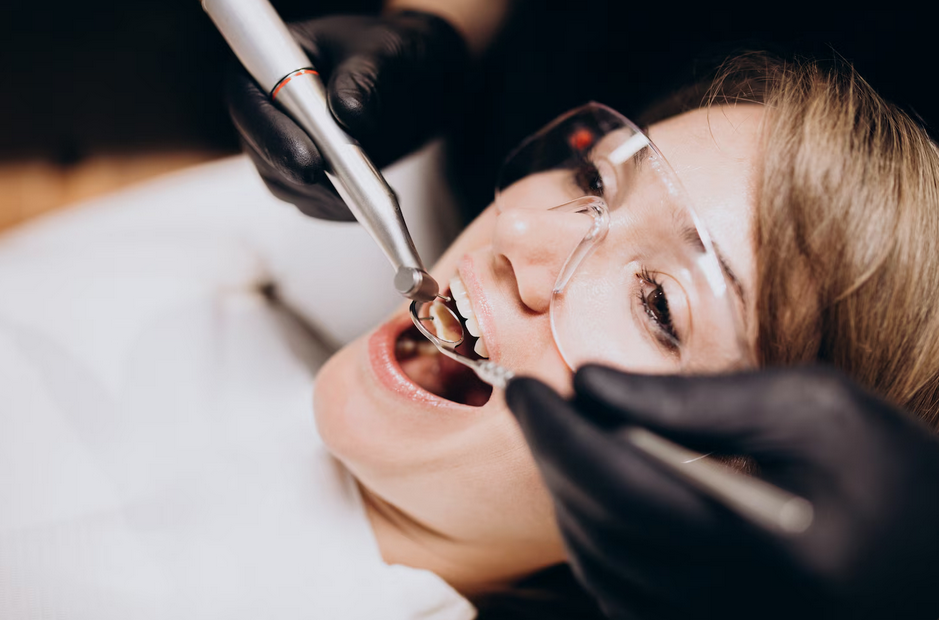
Oral prophylaxis, commonly known as professional teeth cleaning, is a preventive dental procedure designed to remove plaque, tartar (calculus), and stains from the teeth. Even with consistent brushing and flossing, some deposits can accumulate in areas that are difficult to clean at home. Professional cleaning helps maintain oral health by preventing gum disease, tooth decay, and other dental problems.
In Turkey, oral prophylaxis is widely offered in dental clinics and hospitals as part of routine preventive dental care. The procedure is typically performed by dentists or dental hygienists using specialised instruments that effectively remove deposits while protecting the teeth and gums.
What Is Oral Prophylaxis?
Oral prophylaxis is a dental cleaning procedure that focuses on the removal of hardened plaque and bacteria from the surfaces of the teeth and along the gum line. The treatment also includes polishing the teeth to remove surface stains and improve overall oral hygiene.
The primary goals of professional teeth cleaning include:
-
Removing plaque and tartar buildup
-
Preventing gum disease (gingivitis and periodontitis)
-
Reducing the risk of tooth decay
-
Improving breath freshness
-
Maintaining overall oral health
Regular professional cleaning plays an important role in preventive dentistry.
Why Professional Teeth Cleaning Is Important
Plaque is a sticky film of bacteria that constantly forms on teeth. If plaque is not removed regularly, it can harden into tartar, which cannot be removed with normal brushing or flossing.
Professional teeth cleaning helps prevent several oral health issues, including:
-
Gum inflammation
-
Tooth decay
-
Periodontal disease
-
Persistent bad breath
-
Staining caused by food, drinks, or tobacco
Routine dental cleaning also allows dentists to monitor overall oral health and identify early signs of dental problems.
Who Should Consider Oral Prophylaxis?
Professional teeth cleaning is recommended for most individuals as part of routine dental care.
It may be particularly beneficial for people who:
-
Have visible tartar or plaque buildup
-
Experience bleeding gums during brushing
-
Have persistent bad breath
-
Consume staining beverages such as coffee or tea
-
Smoke or use tobacco products
-
Wear braces or dental appliances
Dentists generally recommend regular cleaning appointments as part of preventive dental care.
The Oral Prophylaxis Procedure
Professional teeth cleaning usually involves several steps designed to thoroughly clean the teeth and gums.
Step-by-Step Overview
-
Initial Examination
The dentist or hygienist examines the teeth and gums to assess plaque buildup and gum health. -
Scaling
Special instruments, often ultrasonic scalers, are used to remove plaque and tartar from the tooth surface and below the gum line. -
Polishing
A polishing paste and rotating brush are used to smooth the tooth surfaces and remove superficial stains. -
Fluoride Application (Optional)
In some cases, fluoride treatment may be applied to strengthen tooth enamel.
The procedure typically takes 30 to 60 minutes, depending on the level of buildup.
Recovery After Professional Teeth Cleaning
Oral prophylaxis is a non-invasive procedure and generally requires little to no recovery time.
Some patients may experience:
-
Mild gum sensitivity
-
Slight bleeding if gums are inflamed
-
Temporary tooth sensitivity
These symptoms usually resolve quickly after treatment.
Aftercare and Oral Hygiene Tips
Maintaining proper oral hygiene after professional cleaning helps prolong the results.
Dentists often recommend:
-
Brushing teeth twice daily with fluoride toothpaste
-
Flossing regularly to remove plaque between teeth
-
Limiting sugary foods and drinks
-
Scheduling regular dental check-ups
-
Using antibacterial mouthwash if recommended
These practices support long-term oral health.
How Often Should Teeth Be Professionally Cleaned?
The frequency of professional cleaning depends on individual oral health needs.
General recommendations include:
-
Every six months for routine preventive care
-
More frequent visits for individuals with gum disease or heavy plaque buildup
A dentist can recommend an appropriate schedule based on oral health status.
Oral Prophylaxis in Turkey
Turkey offers modern dental clinics that provide preventive dental services, including professional teeth cleaning.
Patients may consider oral prophylaxis in Turkey due to:
-
Experienced dental professionals
-
Modern dental equipment and technology
-
Comprehensive preventive dental care
-
Structured treatment options for international patients
Regular dental care helps maintain healthy teeth and gums.
Frequently Asked Questions (FAQ)
1. Is professional teeth cleaning painful?
Most patients experience minimal discomfort during the procedure, although mild sensitivity may occur if tartar buildup is significant.
2. Can teeth cleaning whiten teeth?
Professional cleaning removes surface stains, which may make teeth appear brighter, but it is not the same as teeth whitening treatment.
3. How long does a dental cleaning appointment take?
A typical professional cleaning appointment lasts between 30 and 60 minutes.
4. Is teeth cleaning necessary if I brush regularly?
Yes. Professional cleaning removes tartar that cannot be removed with regular brushing and flossing.
5. Can professional cleaning help prevent gum disease?
Yes. Removing plaque and tartar helps reduce the risk of gingivitis and periodontal disease.
Conclusion
Oral prophylaxis in Turkey is an important preventive dental procedure that helps maintain oral health by removing plaque, tartar, and surface stains from the teeth. Regular professional teeth cleaning supports healthy gums, reduces the risk of tooth decay, and helps detect potential dental problems early. Understanding the procedure and maintaining good oral hygiene practices can contribute to long-term dental health.
Medical Disclaimer: The information provided in this article is for general informational purposes only and should not be considered medical advice. Always consult a qualified healthcare professional before making any medical decisions.