Genel

Understanding Lasik Eye Surgery: Costs and Recovery Time

By 4 January 2026January 18th, 2026No Comments

LASIK is a minimally invasive laser vision correction procedure that reshapes the cornea so light focuses on the retina for sharper vision. The treatment usually takes about 15–20 minutes for both eyes in an outpatient setting, and many patients return to normal activities within 24–48 hours.

The guide frames practical details on costs, expected results, candidacy, and recovery in the United States. It explains that this elective approach aims to reduce dependence on glasses and contact lenses, while outcomes depend on individual eyes and prescriptions.

Readers will find clear descriptions of modern LASIK standards, including advanced diagnostics and computer-guided planning, how the procedure works, and what the first days and weeks feel like. Costs vary widely based on surgeon experience, diagnostic customization, and technology used.

Follow-up care and short-term restrictions protect healing and help optimize clear vision. A consultation is the correct next step for personalized eligibility and pricing.

Key Takeaways

  • LASIK is a brief, outpatient vision correction procedure that reshapes the cornea.
  • Most people resume everyday tasks within 24–48 hours, though recovery varies.
  • Modern care uses advanced diagnostics and computer-guided lasers for planning.
  • Costs depend on surgeon skill, customization, and equipment; prices vary widely.
  • A consultation is needed to confirm candidacy and get an accurate quote.

What LASIK Is and What It Corrects

This section explains what the procedure corrects and how reshaping the cornea restores clearer sight.

lasik is a form of laser vision correction that changes how the eye focuses light. It does not strengthen tissues; it reshapes corneal tissue so incoming light lands properly on the retina.

Common refractive errors treated

Near vision problems (nearsightedness) occur when the cornea focuses light too strongly, so flattening that surface helps. Farsightedness needs slight steepening of the cornea to bring close objects into sharper focus. Astigmatism results from an uneven cornea; smoothing the dome corrects irregular bending of light.

Modern treatment uses computer-guided laser steps for precision and repeatability. The goal is improved vision and less reliance on glasses or contact lenses, while preserving healthy corneal structure.

Condition Corneal change Effect on vision
Nearsightedness Flattening Distant objects clearer
Farsightedness Steepening Near tasks improved
Astigmatism Smoothing Reduces blur and distortion
Target Cornea reshaped Light focuses on the retina

Why People Choose LASIK Instead of Glasses or Contact Lenses

People often weigh the convenience of unaided sight against the chores of glasses and lens maintenance. Many seek a lasting change to reduce daily friction while keeping realistic expectations.

Freedom from daily routines

Managing glasses and packing contacts adds tasks to travel and morning routines. Cleaning solutions, spare pairs, and cases create small hassles that build over time.

Benefits for active lifestyles and careers

Athletes, first responders, and frequent travelers value predictable vision during work and play. Clear vision without lenses helps workouts, quick deployments, and days when fogging or slipping would be a problem.

Reduced irritation linked to contact wear

Contact lenses often cause dryness, scratchiness, and discomfort after long screen days. Many patients report less irritation after a successful procedure, though occasional glasses may still be needed for some tasks.

  • Fewer packing and cleaning steps for glasses contact lenses users
  • Simpler mornings and gear-free workouts
  • Quality-of-life benefits balanced by eligibility checks

Lasik Eye Surgery Results and What Patients Typically See

Many patients focus on how clear their vision becomes after treatment and what everyday tasks feel different.

Common visual benchmarks

20/40 is a common functional target; it usually allows safe driving and routine activities without corrective lenses. 20/20 is a frequent outcome and represents what most people think of as “normal” sight.

Typical outcome ranges

Published results report over 99% of patients achieving 20/40 or better. In FDA trials for Contoura Vision topography-guided treatment, 92% reached 20/20 or better at 12 months and 65% achieved 20/16 or better.

Customization and quality of vision

Advanced mapping and topography-guided approaches refine how the laser is applied. This customization improves contrast, night vision, and overall visual quality beyond simple chart letters.

Long-term satisfaction exceeds 96% in many patient-reported outcome studies. A small subset may need enhancements or occasional glasses or contacts later.

Consultation remains the best way to predict an individual’s likely results, since prescription, corneal shape, and overall health shape the final outcome.

Who Is a Good Candidate for LASIK

Not everyone is a good candidate for laser vision correction; several medical and age factors matter.

Baseline candidacy favors adult patients with healthy corneas, clear expectations, and motivation to reduce dependence on glasses or contacts.

Age and development

The procedure is not FDA-approved for people under 18 because visual development can continue into early adulthood. Many clinics prefer candidates over 21 and ask that a prescription remain stable for at least one year.

Why prescription stability matters

A changing prescription predicts evolving vision. Treating unstable refractive error can reduce long-term satisfaction and may require enhancements later.

Health and special conditions

Pregnancy and nursing often cause temporary shifts in vision due to hormonal changes; elective correction is usually postponed.

Certain medical issues—autoimmune disorders, uncontrolled diabetes, or active ocular disease—can affect healing and predictability. These factors do not automatically disqualify someone, but they require careful review.

  • Key point: candidacy is confirmed through a formal consultation, not an online checklist.
  • Next step: corneal measurements and surface health determine final eligibility.
Factor Typical requirement Why it matters
Age 18+ (many clinics prefer 21+) Allows for stable visual development
Prescription Stable ≥1 year Improves long-term predictability
General health No uncontrolled systemic disease Better healing and fewer complications
Pregnancy/nursing Postpone until finished Hormones temporarily change vision

For a personalized assessment, schedule a comprehensive qualifications for laser vision correction consultation with a licensed specialist.

Eye and Cornea Requirements That Affect Eligibility

Clear diagnostic checks of the cornea and surface health determine which refractive paths are safe and effective. These measures guide whether a flap-based plan like lasik is appropriate or if other options fit better.

Corneal thickness and why it matters

Adequate corneal thickness acts as a safety factor because creating and repositioning a corneal flap removes tissue before laser reshaping. Surgeons measure thickness to preserve structural integrity and reduce risk.

Too-thin corneas increase the chance of long-term instability. In those cases, clinicians may recommend alternative procedures instead of a flap approach.

Dry eye and other surface issues

Dry eye is common and can affect comfort and healing after treatment. Tear film quality, inflammation, or lid problems can change the recommended plan.

“Not eligible for one procedure does not mean no options; evaluation opens paths to safe alternatives.”

  • Surgeons weigh thickness, shape, prescription, and ocular health together.
  • Common alternatives include PRK, SMILE, EVO ICL, and RLE.
  • Evaluation by a specialist gives the clearest path forward.
Factor What is checked Impact on plan
Corneal thickness Pachymetry map Determines flap safety and tissue availability
Surface health Tear film, inflammation Affects comfort and healing; may treat first
Prescription & shape Topography, refractive error Guides whether lasik or other procedures suit best

What Happens During a LASIK Consultation

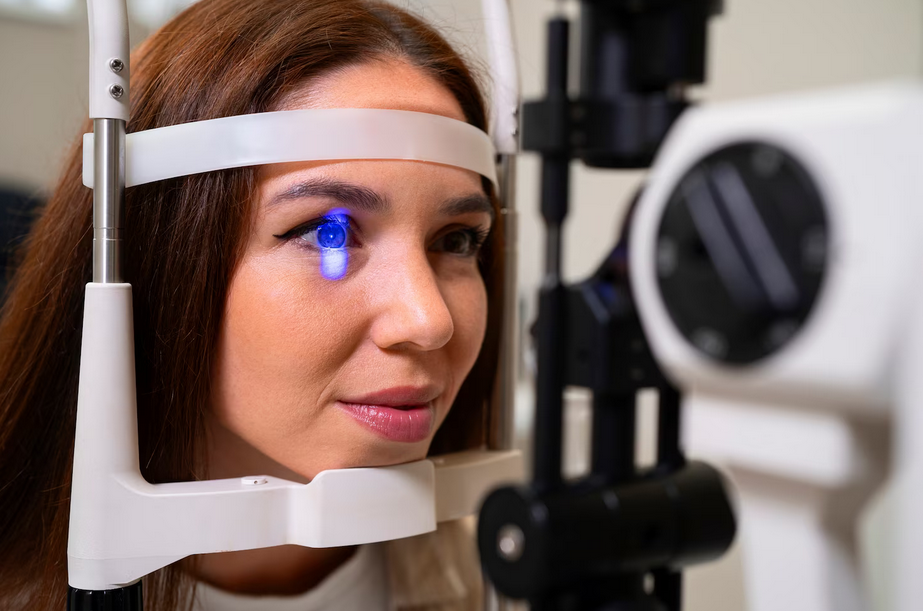
A preoperative visit combines detailed measurements and focused interviews to build a safe, personalized plan.

Advanced diagnostic mapping

Clinics capture high-resolution images and electronic maps of the eyes. These records measure corneal shape, optics, and surface quality.

Mapping guides the laser plan and helps predict visual outcomes with precision.

Medical history and lifestyle review

Staff review past health, medications, and factors that affect healing or dryness. They also ask about sports, travel, screen-heavy work, and night driving.

How data guides the treatment plan

Combined findings show whether the patient is a candidate for lasik or an alternative. The team explains benefits, risks, recovery rules, and financing before scheduling.

  • Comprehensive screening to confirm safety and predictability
  • Imaging and electronic maps tailor correction to each eye
  • History and lifestyle shape the recommended approach
Step What is done Why it matters
Imaging Topography, tomography, photos Shows corneal shape and irregularities
Measurements Pachymetry, refraction, pupil size Determines tissue safety and planning
Consultation review History, lifestyle, goals Aligns expectations and selects procedure

For more detail on how the technology works, read this overview of the process at how the procedure works.

Modern LASIK Technology Used in the United States

Today’s refractive care pairs advanced mapping with two complementary laser systems for consistent, personalized correction. Clinics rely on detailed diagnostics and automated planning to shape a tailored treatment path for each patient.

Femtosecond flap creation for bladeless precision

Femtosecond laser devices create a thin corneal flap without a blade. This bladeless step improves consistency and often increases comfort during the procedure.

Excimer laser reshaping and computer-guided correction

The excimer laser sculpts microscopic amounts of tissue to reshape the cornea. Computer guidance ensures the pattern matches the planned correction precisely.

Wavefront-guided customization for finer optics

Wavefront systems measure tiny optical imperfections beyond a basic prescription. That data helps the team customize treatment to reduce halos, glare, and subtle visual defects.

Topography-guided options like Contoura Vision

Topography-guided approaches map thousands of surface points—Contoura Vision uses over 22,000 elevation points—to refine how energy is applied. This level of mapping can improve overall visual quality and explains some cost differences between clinics.

  • Two-laser execution: femtosecond + excimer for predictable steps.
  • Advanced mapping: wavefront and topography add customization.
  • Outcome link: technology choices influence results and price.

Step-by-Step Overview of the LASIK Procedure

This walkthrough outlines what a patient experiences from arrival to discharge on procedure day. The setting is outpatient and staff review final checks before starting.

Numbing drops, comfort measures, and staying awake

Local anesthetic drops numb the surface so the person feels little or no pain. Clinics often offer mild oral medication for anxiety when requested.

The patient remains awake and follows simple prompts. Team members guide breathing and fixation to keep movements steady.

Creating and repositioning the corneal flap

A thin flap is created—commonly with a femtosecond laser—and gently lifted. After reshaping, the corneal flap is repositioned like a natural bandage, usually without stitches.

How long the treatment takes

The computer-guided laser sculpts the cornea quickly and precisely. Most visits take about 15–20 minutes for both eyes.

Afterward, staff review immediate aftercare, arrange transportation, and describe how vision may feel in the first hours. The next section covers recovery timelines and follow-up.

LASIK Recovery Time: What to Expect by Day and Week

A clear plan for the first week helps patients manage rest, transportation, and follow-up visits. The timeline below shows typical milestones while noting individual healing differs.

The first day: rest, transport, and early sensations

On procedure day, the person needs a ride home and should not drive. Numbing drops control discomfort, but vision can fluctuate rapidly.

Common early sensations include haziness, light sensitivity, watering, and occasional gritty feelings. Clinics advise rest, shielding the eyes, and no rubbing.

24–48 hours: many resume routine activities

Most patients report enough comfort to return to desk work or errands within 24–48 hours with clinic-specific guidance. Driving resumes only after the provider confirms safe vision.

First days to weeks: gradual sharpening and stabilization

Vision often improves quickly but continues refining over days and weeks. Feeling normal does not equal fully stabilized results; healing and flap protection remain important.

Follow prescribed drops, attend follow-up visits, and avoid risky activities so healing proceeds predictably. The next sections cover aftercare and activity limits to help plan time off and logistics.

Aftercare Instructions and Follow-Up Visits

Simple habits in the days after treatment make a big difference in recovery.

Protective shields and drops are standard. Patients wear shields while sleeping and use prescription drops to prevent infection and control inflammation.

How drops and dosing help

Drops follow a set schedule to support healing. The patient should not alter timing or frequency without a consultation.

Early adherence reduces inflammation and lowers the chance of complications.

Why follow-up visits matter

Clinicians schedule checks to confirm corneal healing, flap position, dryness, and vision stability. These visits let teams spot issues early and adjust care.

  • Report increasing pain, worsening vision, or unusual discharge immediately.
  • Ask about work, exercise, and screen limits at each follow-up based on how the eye looks.
  • Good aftercare links directly to comfort and final results.
Aftercare item Purpose Typical timing What clinicians check
Protective shield Protect flap during sleep First week (often nights) Flap position, surface irritation
Antibiotic & anti-inflammatory drops Prevent infection, reduce swelling Days to weeks per plan Healing response, signs of infection
Follow-up visits Monitor recovery and answer questions 1 day, 1 week, 1 month typical Vision stability, dryness, flap integrity

For more on common post-op concerns, see this overview of post-op side effects.

Activities to Avoid During Healing

During the first days after treatment, activity choices shape healing and comfort. Short limits reduce infection risk and protect the tissue while the eye surface seals.

Swimming, sports, and contact activities

Providers commonly advise avoiding pools, hot tubs, and natural bodies of water until cleared. Water can carry bacteria that threaten healing.

High-impact and contact sports may be restricted for weeks to months to protect the corneal flap from bumps or pressure. Athletes should plan procedures around competitions.

Managing screens, dryness, and comfort

Digital work can increase dryness. Take regular breaks, blink often, and use lubricating drops as prescribed to ease irritation and support recovery.

Avoid rubbing the eyes and use protective shields at night. Keep bedding and hands clean to lower infection risk.

Practical planning tips:

  • Confirm activity limits with the surgeon; follow-up visits can shorten or extend timelines.
  • Schedule travel and events so the first few days are low‑risk and restful.
  • Ask the clinic for specific guidance on driving and read their driving guidance.
Activity Typical restriction Reason
Swimming/hot tubs 2–4 weeks Reduces infection risk from waterborne bacteria
Contact sports Weeks–months Prevents blunt trauma to flap
Heavy dusty work 1–2 weeks Avoids irritation and particles on the surface

Short-term caution supports long-term vision quality and lowers the chance of setbacks for patients.

Potential Side Effects and Limitations to Know

Knowing common aftereffects and long-term limits sets realistic expectations for anyone considering vision correction. The information below lists likely short-term symptoms and the limits that come with aging.

Dry eyes after the procedure and how drops help

Many patients notice dryness, grittiness, or intermittent blurred vision during early healing. These symptoms are usually temporary.

Lubricating drops ease discomfort and support surface healing. Clinicians recommend a schedule and may suggest preservative‑free options for frequent use.

Age-related focusing changes and reading needs

Correction improves distance vision but does not stop normal aging of focusing. Presbyopia typically develops in the 40s and causes near tasks to need correction.

Some people with excellent distance results still use reading glasses or monovision strategies later. Discuss long‑term expectations during the consultation.

Practical points for patients:

  • Common, usually temporary side effects include dryness, glare, and fluctuating vision.
  • Lubricating drops are a routine, effective tool during recovery.
  • Presbyopia is normal; many will need reading glasses later despite good distance vision.
  • Risk varies with pre-existing dryness or heavy screen use; discuss this at the visit.
  • Ask about night‑vision concerns and comfort strategies during follow-ups.
Issue Typical timing Management
Dryness and irritation Days–months Regular lubricating drops, topical treatments
Glare or halos at night Weeks–months Follow-up adjustments, anti‑reflective strategies
Age-related near blur (presbyopia) Begins ~40s onward Reading glasses, multifocal options, or enhancement planning

How Much LASIK Eye Surgery Costs in the US

The price for laser vision correction is not one-size-fits-all. Quotes depend on the platform used, the surgeon’s skill, and how much preoperative mapping and customization are included.

Why pricing varies by technology and experience

Technology choices—femtosecond flap creation, wavefront-guided planning, and topography-guided treatments—affect the fee. Advanced diagnostics and top-tier lasers raise costs but can improve precision.

Surgeon experience also influences price. Highly experienced surgeons often include more follow-up care and have established enhancement policies that add value.

Putting cost in perspective

A practical comparison helps. Many people spend about $500 per year on glasses, contacts, and related supplies. Over five to ten years that can match or exceed some upfront procedure fees.

  • Compare quotes by what they include: screening, follow-ups, and enhancement policies.
  • Ask what “custom” covers: advanced mapping, wavefront data, or topography-guided plans like Contoura.
  • Use the consultation to get a personalized estimate based on candidacy and recommended technology.

Cost is one part of a broader safety and value decision. Patients should weigh equipment, surgeon experience, and included care when comparing offers rather than choosing by price alone.

Financing, Insurance Benefits, and Payment Options

Financing options can make premium refractive procedures accessible without delay. Many clinics expect patients to weigh upfront cost against long‑term gains from reduced lens dependence.

Common financing programs

CareCredit and Alphaeon are frequently offered to qualified applicants. Approval depends on credit and program terms.

Clinics may also provide in-house payment plans or seasonal promotions. Patients should ask about interest, deferred payments, and any setup fees before signing.

Using vision plans and discounts

Traditional medical insurance rarely covers elective lasik. However, some vision plans or employer partnerships offer negotiated discounts.

Bring plan details to the consultation so staff can verify eligible discounts or partner benefits. This step often uncovers savings not obvious in initial quotes.

Compare total out-of-pocket cost across providers using the same procedure type and technology level for a fair view.

Option Typical benefit Approval/eligibility What to confirm
CareCredit Flexible monthly payments Credit-based APR, term length, minimum payment
Alphaeon Medical financing plans Credit-based Promo offers, fees, repayment schedule
Vision plan discounts Reduced fees at partner clinics Plan enrollment required Covered services, verification process

Practical next step: request a written estimate at consultation that lists the full cost, follow-up visits, and enhancement policy so the final budget is clear.

Alternatives for Patients Who Aren’t LASIK Candidates

Not every person qualifies as a good candidate for lasik, but options exist. When cornea thickness, surface health, or an unstable prescription rule out one path, other refractive surgery choices can still restore useful vision.

Common alternatives and how they differ

PRK is a laser procedure done on the surface and is often chosen when corneal thickness or flap concerns make lasik less suitable.

SMILE is a minimally invasive laser option that suits certain prescriptions and corneal shapes. It removes tissue through a small incision without creating a large flap.

EVO ICL implants a thin corrective lens inside the eye for patients whose cornea is not ideal for reshaping. It is reversible and useful for higher prescriptions.

RLE replaces the natural lens and may be recommended when lens changes contribute to vision problems or when other procedures are unsuitable.

  • Surgeons base recommendations on cornea maps, thickness, and prescription stability.
  • An individualized plan balances risks, recovery, and expected outcomes.

The best next step is a formal consultation to compare these procedures side-by-side and ask about candidacy and follow-up. For related travel and vaccine guidance see vaccine guidance.

Conclusion

For those weighing options, the key is that modern lasik pairs swift outpatient recovery with diagnostic-driven precision. Advanced mapping, bladeless flap creation, and computer-guided lasers support predictable outcomes for common refractive needs.

Eligibility and expectations drive decisions: stable prescriptions, adequate corneal measurements, and general health shape candidacy. Recovery is often rapid, but structured aftercare and temporary activity limits protect healing and long-term vision.

Costs vary with technology and surgeon experience; financing and discounts may help make the procedure accessible. Treat published benchmarks as context, not guarantees, because each eye is unique.

Next step: schedule a consultation to confirm candidacy, review options, and get a personalized plan — and see the detailed lasik eye cost guide for practical budgeting.

FAQ

What is laser vision correction and which refractive errors does it treat?

Laser vision correction is a procedure that reshapes the cornea with a laser to improve how light focuses on the retina. It commonly corrects nearsightedness, farsightedness, and astigmatism, reducing dependence on glasses and contact lenses.

How does reshaping the cornea improve focus and clarity?

By removing precise amounts of tissue from the cornea, the curvature changes so light rays focus more accurately on the retina. That improved focus often yields clearer vision and better visual acuity compared with previous prescription lenses.

Why do people choose laser vision correction instead of glasses or contacts?

Many choose it for freedom from daily glasses contacts routines, fewer limitations during sports and travel, and reduced irritation or dryness caused by contact lens wear. Those in demanding careers often value the convenience and consistent vision it can provide.

What kind of visual outcomes can patients expect?

Most patients reach common benchmarks like 20/40 or better, and many achieve 20/20 vision. Custom mapping and advanced treatments can improve quality of vision beyond what glasses or contacts provided, and long-term satisfaction rates are generally high.

Who is a good candidate for laser vision correction?

A good candidate is typically an adult with a stable prescription, healthy corneas, and no active eye infections or certain uncontrolled medical conditions. Pregnancy and some medications can affect candidacy, and it is not approved for use under age 18 in the U.S.

How does corneal thickness affect eligibility?

Corneal thickness determines how much tissue can be safely removed while maintaining structural integrity. Thin corneas may limit options or lead a surgeon to recommend an alternative procedure to avoid creating a flap that compromises corneal strength.

What eye conditions can change the treatment plan?

Dry eye, keratoconus, and severe surface disease can alter or postpone treatment. Surgeons often treat underlying surface issues first or suggest other refractive options that better suit the patient’s corneal health.

What happens during a consultation for laser vision correction?

The consultation includes advanced diagnostic mapping, measurements of the cornea and prescription, review of medical history, and discussion of lifestyle and visual goals. The surgeon uses this data to recommend the most appropriate treatment plan.

What modern technologies are used during the procedure?

Clinics use femtosecond lasers for bladeless flap creation, excimer lasers for precise reshaping, and wavefront- or topography-guided systems like Contoura Vision for customized correction and detailed corneal mapping.

What steps occur during the procedure itself?

Patients receive numbing drops and comfort measures while remaining awake. A thin corneal flap is created and lifted, the underlying tissue is reshaped with an excimer laser, and the flap is repositioned without stitches. Total time for both eyes is often just minutes.

What should patients expect on the first day and week of recovery?

On the first day, vision may feel hazy and patients should not drive. Over 24–48 hours many return to work and light activities. Vision typically sharpens over days to weeks as the eye stabilizes and healing continues.

What aftercare and follow-up are required?

Care includes protective shields, prescription antibiotic and anti-inflammatory drops, and lubricating drops to manage dryness. Follow-up visits let the surgeon monitor healing and confirm visual outcomes.

Which activities should be avoided while healing?

Patients should avoid swimming, hot tubs, contact sports, and rubbing the eyes until the flap fully heals. Managing screen time and using artificial tears helps with comfort during recovery.

What are common side effects and long-term limitations?

Temporary dry eyes and glare or halos at night can occur. Age-related changes like presbyopia may still require reading glasses later in life, even after successful correction of distance vision.

How does cost vary across the United States?

Pricing depends on technology used, surgeon experience, diagnostic customization, and geographic location. Advanced mapping and premium platforms typically raise the fee, while financing options can spread payments over time.

What financing and insurance options exist?

Many clinics offer financing programs and payment plans. Some vision plans or flexible spending accounts may cover part of the cost, but traditional medical insurance rarely covers elective refractive procedures.

What alternatives are available for those who aren’t candidates?

Alternatives include surface procedures like PRK, SMILE for small-incision correction, EVO ICL (implantable collamer lens) for high prescriptions, and refractive lens exchange (RLE). Surgeons recommend the best option based on corneal shape and prescription.