VIP Stay at Mandarin Grove Health and Wellness Retreat
FOX EYE SURGERY


[contact-form-7 id=”581″]
[contact-form-7 id=”597″]
Fox Eye Surgery in Turkey
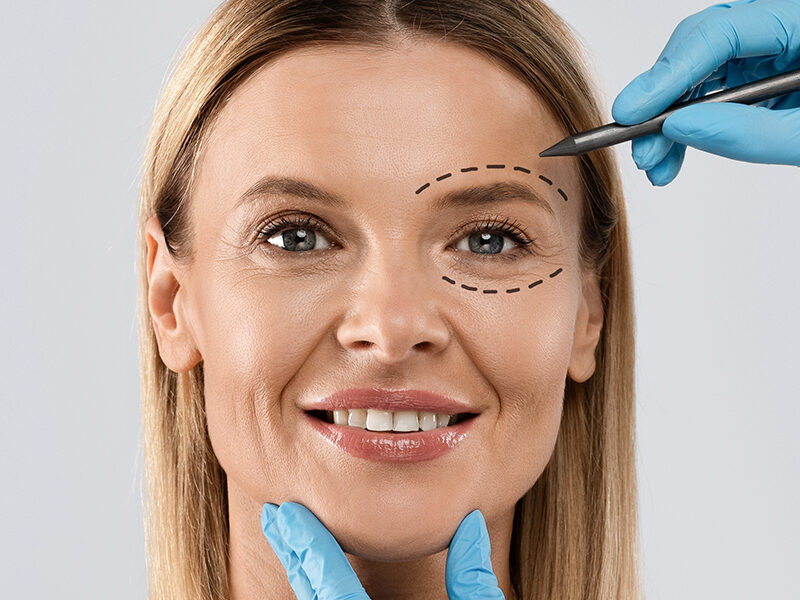
Fox eye surgery is a facial aesthetic procedure designed to create a more lifted, elongated, and almond-shaped eye appearance by elevating the outer corners of the eyes and brows. The term “fox eye” refers to the subtle upward slant of the eyes, which can give the face a more youthful, alert, and sculpted look. In Turkey, fox eye surgery is performed by experienced plastic surgeons using established surgical techniques within accredited medical facilities, following internationally recognised safety standards.
This article provides a detailed, educational overview of fox eye surgery in Turkey, including what the procedure involves, who it may be suitable for, surgical techniques used, recovery expectations, possible risks, and why international patients consider Turkey for this treatment.
What Is Fox Eye Surgery?
Fox eye surgery is not a single procedure but a combination of surgical techniques aimed at lifting the outer eye and brow area. The goal is to create a gentle upward tilt at the lateral canthus (outer corner of the eye) and improve the contour of the upper eyelid and temple region.
Depending on facial anatomy and desired results, fox eye surgery may involve:
-
Temporal (lateral brow) lift
-
Lateral canthopexy or canthoplasty
-
Upper eyelid tightening
-
Supportive soft tissue repositioning
The approach is tailored to achieve a natural-looking lift rather than an exaggerated appearance.
Aesthetic Concerns Addressed by Fox Eye Surgery
Fox eye surgery may be considered for individuals who experience:
-
Downturned outer corners of the eyes
-
Heavy or drooping outer brows
-
Tired or aged appearance around the eyes
-
Loss of upper-face definition
The procedure focuses on enhancing eye shape while maintaining facial harmony.
Who Is a Suitable Candidate?
Proper patient selection is essential for safe and satisfying outcomes.
Generally Suitable Candidates
-
Individuals with mild to moderate brow or eye corner drooping
-
Good overall physical health
-
Stable facial anatomy
-
Realistic expectations about subtle lifting results
When Fox Eye Surgery May Not Be Recommended
-
Severe eyelid laxity requiring more extensive surgery
-
Certain eye conditions affecting eyelid function
-
Unrealistic expectations regarding eye shape change
A detailed consultation is required to confirm suitability.
Pre-Operative Assessment in Turkey
Before fox eye surgery, patients undergo a comprehensive facial and ophthalmic evaluation.
Assessment Typically Includes
-
Analysis of eye shape and brow position
-
Evaluation of eyelid function and symmetry
-
Review of medical and ocular history
-
Discussion of achievable outcomes and technique selection
International patients often begin with an online consultation before travelling to Turkey.
Surgical Techniques Used in Fox Eye Surgery
Fox eye surgery can involve one or more of the following techniques.
Temporal (Lateral Brow) Lift
A temporal lift elevates the outer brow and temple area.
Key Features
-
Small incisions hidden in the hairline
-
Lifts the outer brow and upper eyelid area
-
Improves eye openness and upper-face balance
This is one of the most commonly used techniques for fox eye appearance.
Lateral Canthopexy / Canthoplasty
These procedures adjust the outer corner of the eye.
Purpose
-
Elevates and stabilises the lateral canthus
-
Creates a subtle upward eye tilt
-
Improves eye contour without altering vision
Canthopexy is generally less invasive than canthoplasty.
Combination Approaches
In some cases, fox eye surgery may be combined with:
-
Upper eyelid surgery (blepharoplasty)
-
Temporal lift
-
Fat repositioning
Combination planning helps ensure balanced and durable results.
How Fox Eye Surgery Is Performed
Anaesthesia
-
Local anaesthesia with sedation or
-
General anaesthesia, depending on the extent of surgery
Surgical Steps (General Overview)
-
Small, carefully placed incisions are made
-
Soft tissues are lifted and repositioned
-
The outer eye and brow are elevated
-
Incisions are closed to minimise scarring
The procedure typically lasts 1–2 hours, depending on complexity.
Hospital Stay and Immediate Aftercare
Typical Aftercare Includes
-
Same-day discharge or short observation period
-
Cold compresses to reduce swelling
-
Head elevation during rest
-
Prescribed eye care and medications
Recovery and Healing Timeline
Recovery after fox eye surgery is generally moderate.
First 1–2 Weeks
-
Swelling and mild bruising
-
Temporary tightness around the eyes
-
Stitches removed within 5–7 days if present
Weeks 3–6
-
Swelling continues to subside
-
Return to normal social activities
-
Eye shape becomes more defined
Long-Term Healing
-
Final results settle over several months
Scarring and Sensory Changes
Scarring
-
Incisions are typically hidden in the hairline or eyelid creases
-
Scars fade gradually over time
Sensation
-
Temporary numbness or tightness may occur
-
Sensation usually improves during healing
Risks and Possible Complications
Fox eye surgery is generally safe when performed by experienced surgeons, but risks exist.
Possible Risks
-
Asymmetry
-
Overcorrection or undercorrection
-
Infection
-
Scarring
-
Temporary dry eyes or irritation
Careful planning and technique reduce these risks.
Longevity of Results
Results from fox eye surgery are long-lasting but not immune to natural ageing.
Factors Affecting Longevity
-
Skin quality
-
Age at surgery
-
Lifestyle factors
Results typically last several years, with gradual ageing changes over time.
Why Patients Consider Turkey for Fox Eye Surgery
Turkey is a recognised destination for facial aesthetic surgery.
Common Reasons
-
Surgeons experienced in eye and brow lifting procedures
-
Modern hospitals and surgical technology
-
Comprehensive pre- and post-operative care
-
Structured care pathways for international patients
Many patients from the UK and Europe consider fox eye surgery in Turkey as part of a broader facial rejuvenation plan.
Frequently Asked Questions (FAQ)
1. Is fox eye surgery permanent?
Results are long-lasting, but natural ageing continues.
2. Will fox eye surgery affect my vision?
When performed correctly, vision is not affected.
3. Is the result dramatic?
The goal is a subtle, natural lift rather than an exaggerated look.
4. Can fox eye surgery be combined with other procedures?
Yes, it is often combined with blepharoplasty or temporal lift.
5. How soon can I wear makeup?
Light makeup is usually allowed after 10–14 days, depending on healing.
Conclusion
Fox eye surgery in Turkey is a refined facial aesthetic procedure aimed at enhancing eye shape by lifting the outer eye and brow region. By understanding the available techniques, candidacy criteria, recovery process, and potential risks, patients can make informed decisions about treatment. When performed with careful planning and anatomical precision, fox eye surgery can deliver subtle, balanced, and long-lasting improvements that enhance overall facial harmony.
Medical Disclaimer: The information provided in this article is for general informational purposes only and should not be considered medical advice. Always consult a qualified healthcare professional before making any medical decisions.