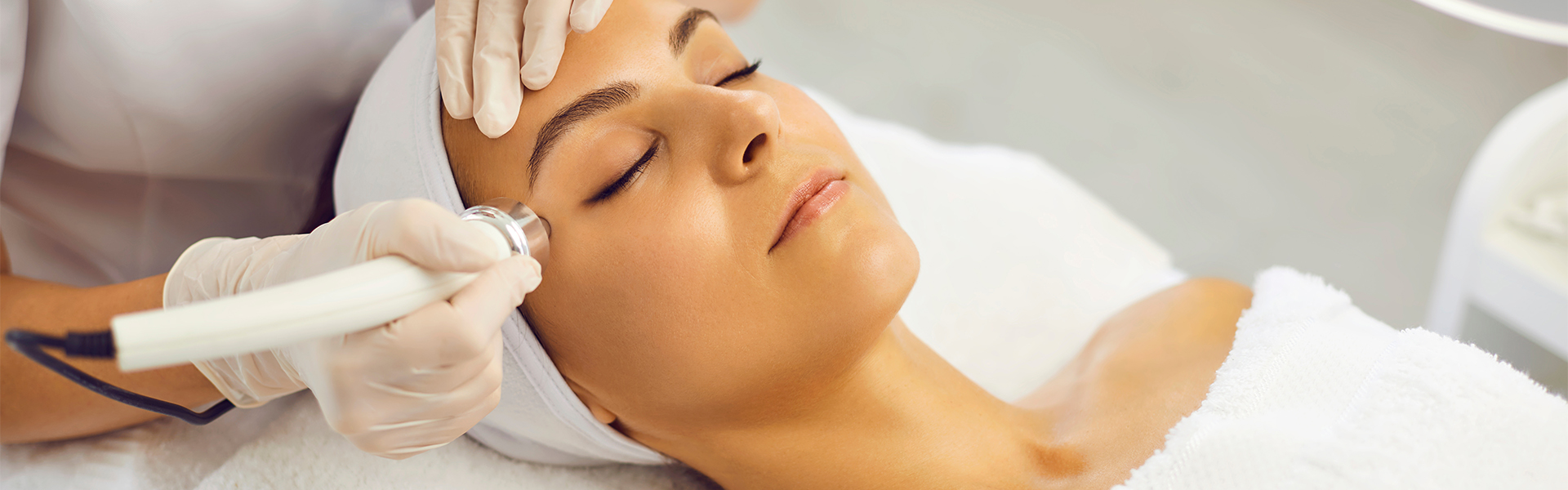
VIP Stay at Mandarin Grove Health and Wellness Retreat
LASER SKIN RESURFACING TREATMENT


[contact-form-7 id=”581″]
[contact-form-7 id=”597″]
Laser Skin Resurfacing Treatment in Turkey
Laser skin resurfacing is a dermatological procedure designed to improve the appearance and texture of the skin using focused laser energy. The treatment works by removing damaged outer layers of skin or stimulating collagen production in deeper layers, encouraging the growth of new and healthier skin cells.
The procedure is commonly used to address various skin concerns such as wrinkles, acne scars, sun damage, and uneven skin tone. By promoting skin renewal and collagen remodeling, laser skin resurfacing may help improve skin smoothness and overall skin quality.
Laser skin resurfacing treatments are typically performed by dermatologists or medical aesthetic specialists using specialized laser technologies.
What Is Laser Skin Resurfacing?
Laser skin resurfacing is a procedure that uses controlled laser energy to treat the surface and deeper layers of the skin.
The treatment works by:
-
Removing damaged skin layers
-
Stimulating collagen production
-
Encouraging the growth of new skin cells
-
Improving overall skin texture
Different laser technologies may be used depending on the skin concern and treatment goals.
Types of Laser Skin Resurfacing
Several types of laser technologies are used in skin resurfacing procedures.
Ablative Laser Resurfacing
Ablative lasers remove thin layers of the outer skin surface.
Common ablative lasers include:
-
CO₂ lasers
-
Erbium lasers
These lasers are often used for deeper wrinkles, scars, and more significant skin damage.
Non-Ablative Laser Resurfacing
Non-ablative lasers target deeper skin layers without removing the outer skin surface.
These treatments focus on stimulating collagen production while minimizing downtime.
Fractional Laser Resurfacing
Fractional lasers treat small sections of the skin while leaving surrounding tissue intact.
This method may support faster healing while addressing concerns such as:
-
Acne scars
-
Wrinkles
-
Skin texture irregularities
Skin Concerns Laser Skin Resurfacing May Address
Laser skin resurfacing may be used to improve a variety of skin conditions.
Common concerns include:
-
Fine lines and wrinkles
-
Acne scars
-
Sun-damaged skin
-
Uneven skin tone
-
Pigmentation irregularities
-
Large pores
-
Skin texture concerns
A consultation with a skincare professional helps determine whether the treatment is suitable.
Who May Be Suitable for Laser Skin Resurfacing
Laser skin resurfacing may be considered for individuals seeking treatment for certain skin concerns.
Potential candidates may include:
-
Individuals with wrinkles or fine lines
-
People experiencing acne scars
-
Individuals with sun damage or pigmentation changes
-
Patients seeking skin rejuvenation treatments
-
Individuals in stable overall skin health
A dermatologist typically evaluates the skin type, medical history, and treatment goals before recommending laser therapy.
Preparation Before Laser Skin Resurfacing
Preparation for laser resurfacing involves a consultation and skin evaluation.
Preparation may include:
-
Medical history review
-
Skin examination
-
Discussion of treatment goals and expectations
-
Evaluation of skin sensitivity
Patients may be advised to:
-
Avoid sun exposure before treatment
-
Stop certain skincare products before the procedure
-
Inform the practitioner about medications or skin conditions
-
Follow pre-treatment skincare instructions
Proper preparation helps reduce the risk of complications.
How Laser Skin Resurfacing Is Performed
Laser skin resurfacing is typically performed in a dermatology clinic or medical aesthetic center.
The procedure generally includes:
-
Cleansing the treatment area.
-
Applying topical anesthesia or numbing cream if necessary.
-
Using a specialized laser device to treat the targeted skin areas.
-
Delivering controlled laser energy to remove damaged skin layers or stimulate collagen.
The procedure duration varies depending on the treatment area and laser type.
Recovery After Laser Skin Resurfacing
Recovery depends on the type of laser treatment used.
Patients may experience:
-
Redness and swelling
-
Mild skin sensitivity
-
Peeling or flaking of the skin
-
Temporary dryness
Doctors commonly recommend:
-
Keeping the treated area moisturized
-
Avoiding direct sun exposure
-
Using sunscreen regularly
-
Following post-treatment skincare instructions
Healing times vary depending on the depth of the treatment.
Possible Risks and Side Effects
Laser skin resurfacing is generally considered safe when performed by qualified professionals. However, some side effects may occur.
Possible side effects include:
-
Temporary redness
-
Skin irritation
-
Swelling
-
Changes in skin pigmentation
-
Infection in rare cases
Consulting a dermatologist helps determine whether the treatment is appropriate.
Why Some International Patients Consider Laser Skin Resurfacing in Turkey
Turkey offers a variety of dermatology and medical aesthetic treatments.
Factors that may influence individuals considering treatment abroad include:
-
Access to dermatologists and aesthetic specialists
-
Modern dermatology clinics and laser technologies
-
Comprehensive skin evaluation and treatment planning
-
Multidisciplinary aesthetic treatments
-
International patient services offered by many clinics
Cities such as Istanbul, Ankara, and Izmir host dermatology clinics providing laser skin resurfacing treatments for both domestic and international patients.
Frequently Asked Questions
What is laser skin resurfacing?
Laser skin resurfacing is a dermatological procedure that uses laser technology to improve skin texture and treat various skin concerns.
Is laser skin resurfacing painful?
A topical numbing cream is often used to reduce discomfort during the procedure.
How long does the procedure take?
Treatment time depends on the size of the treated area and the type of laser used.
How many sessions are required?
The number of sessions varies depending on the skin condition being treated.
When can normal activities be resumed?
Recovery times vary, but many individuals gradually return to normal activities after the skin heals.
Are results permanent?
Results may last for a long time, although skin aging and environmental factors may influence long-term outcomes.
Conclusion
Medical treatments and surgical procedures are developed to address specific health conditions or functional concerns using established medical techniques and technologies. Depending on the treatment, procedures may aim to restore function, improve quality of life, or support the body’s natural healing processes. Understanding how a treatment works, its possible applications, and its limitations helps patients make informed decisions when discussing treatment options with healthcare professionals.
Medical Disclaimer
The information provided here is for educational purposes only and should not be considered medical advice. Always consult a qualified healthcare professional before beginning any medical treatment.