VIP Stay at Mandarin Grove Health and Wellness Retreat
GINGIVECTOMY


[contact-form-7 id=”581″]
[contact-form-7 id=”597″]
Gingivectomy in Turkey
Gingivectomy is a periodontal surgical procedure performed to remove excess or diseased gum tissue in order to improve oral health, tooth visibility, and gum contour. It is commonly used to treat gum disease and to correct aesthetic concerns such as a gummy smile, where excessive gum tissue covers a significant portion of the teeth. In Turkey, gingivectomy procedures are carried out by experienced dentists and periodontists using modern techniques, including conventional surgical methods and laser-assisted approaches.
This article provides an educational overview of gingivectomy in Turkey, explaining what the procedure involves, who it may be suitable for, how it is performed, recovery expectations, possible risks, and why many international patients consider having gingivectomy treatment in Turkey.
What Is Gingivectomy?
Gingivectomy is a dental procedure that involves the surgical removal of excess gum tissue surrounding the teeth. The aim is to eliminate diseased tissue, reduce periodontal pockets, or reshape the gums to create a healthier and more balanced gum line.
The procedure may be performed for:
-
Medical reasons, such as managing periodontal disease
-
Aesthetic reasons, such as improving tooth visibility in patients with a gummy smile
Gingivectomy does not affect the teeth themselves; it focuses solely on the gum tissue.
Conditions Treated with Gingivectomy
Gingivectomy may be recommended for patients with:
-
Periodontal disease with deep gum pockets
-
Chronic gum inflammation that does not respond to non-surgical treatment
-
Excess gum tissue covering the teeth
-
Gummy smile appearance
-
Gum overgrowth caused by medication or orthodontic treatment
Removing excess tissue helps improve both oral hygiene and appearance.
Gingivectomy vs. Gingivoplasty
Although often mentioned together, gingivectomy and gingivoplasty are different procedures.
-
Gingivectomy removes diseased or excess gum tissue
-
Gingivoplasty reshapes healthy gum tissue for aesthetic purposes
In many cases, both procedures are performed together to achieve functional and cosmetic improvement.
Who Is a Suitable Candidate?
Gingivectomy may be suitable for individuals who:
-
Have healthy underlying bone support
-
Experience gum disease limited to soft tissue
-
Have excess gum tissue affecting appearance or hygiene
-
Do not respond adequately to scaling and root planing alone
-
Are in good general health
A thorough periodontal assessment is required before treatment.
Pre-Treatment Assessment in Turkey
Before gingivectomy, a detailed dental evaluation is carried out.
Assessment Typically Includes
-
Clinical examination of gums and teeth
-
Measurement of periodontal pocket depth
-
Dental X-rays to assess bone levels
-
Review of medical history and medications
International patients may begin with online consultation before in-person assessment in Turkey.
How Is Gingivectomy Performed?
Gingivectomy can be performed using different techniques depending on the case.
Conventional Surgical Gingivectomy
-
Local anaesthesia is administered
-
Excess gum tissue is carefully removed using surgical instruments
-
Bleeding is controlled, and the area is shaped
-
A periodontal dressing may be applied
Laser Gingivectomy
-
A dental laser is used to remove excess gum tissue
-
Often associated with less bleeding
-
May reduce post-operative discomfort
-
Allows precise gum contouring
The choice of technique depends on clinical needs and practitioner expertise.
Duration of the Procedure
-
Typically completed within 30–60 minutes
-
May be performed on one or multiple teeth in a single session
Recovery After Gingivectomy
Recovery is usually straightforward.
Common Recovery Experiences
-
Mild swelling or tenderness
-
Temporary sensitivity
-
Minor bleeding during the first 24 hours
Aftercare Guidelines
Patients are typically advised to:
-
Maintain gentle oral hygiene
-
Avoid hard or spicy foods for several days
-
Use prescribed mouth rinses if recommended
-
Attend follow-up appointments
Healing usually occurs within 1–2 weeks.
Benefits of Gingivectomy
-
Improved gum health
-
Reduced periodontal pocket depth
-
Enhanced tooth visibility
-
Improved smile aesthetics
-
Easier oral hygiene maintenance
When indicated, gingivectomy supports long-term periodontal stability.
Risks and Possible Complications
While generally safe, gingivectomy carries potential risks.
Possible Risks Include
-
Temporary pain or swelling
-
Infection (rare)
-
Excessive bleeding (uncommon)
-
Gum sensitivity
-
Uneven gum contour if not properly planned
Careful technique and follow-up reduce these risks.
Gingivectomy for Gummy Smile Treatment
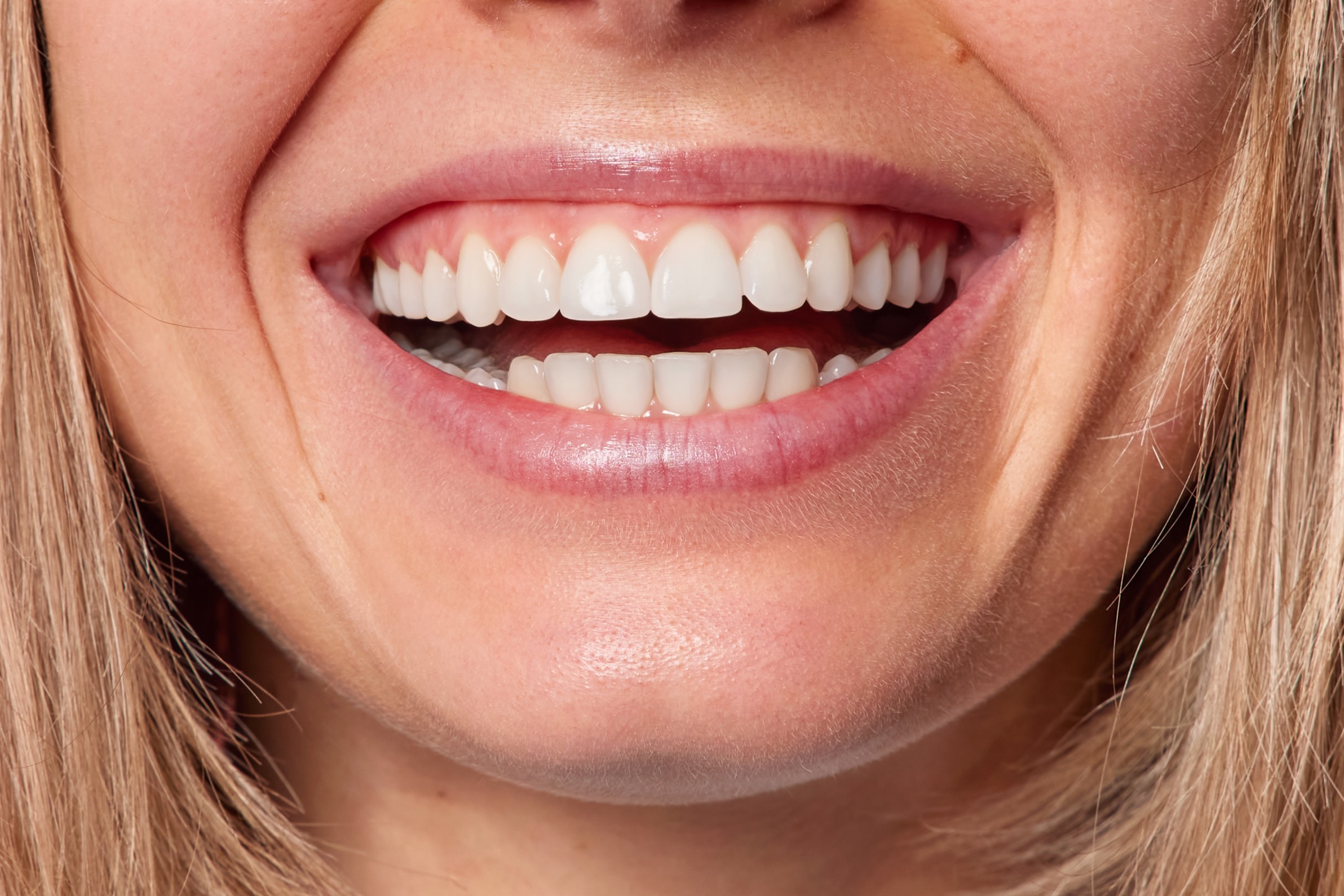
In patients with excessive gum display, gingivectomy can significantly improve smile proportions. By exposing more of the natural tooth structure, the smile appears more balanced without altering tooth shape.
This approach is commonly combined with:
-
Dental veneers
-
Crowns
-
Orthodontic treatment
Treatment planning ensures that gum removal remains within safe biological limits.
Why Patients Consider Gingivectomy in Turkey
Turkey is a recognised destination for dental and periodontal treatments.
Common reasons patients consider gingivectomy in Turkey include:
-
Experienced dentists and periodontists
-
Modern clinics with laser technology
-
Structured treatment planning
-
Integrated care for international patients
Frequently Asked Questions (FAQ)
1. Is gingivectomy painful?
The procedure is performed under local anaesthesia. Mild discomfort may occur during recovery.
2. How long does healing take?
Initial healing usually takes 1–2 weeks.
3. Can gum tissue grow back?
In some cases, gum tissue may partially regrow if underlying causes are not addressed.
4. Is gingivectomy permanent?
Results are long-lasting when combined with good oral hygiene and periodontal care.
5. Can gingivectomy be combined with other treatments?
Yes. It is often combined with cosmetic or restorative dental procedures.
Conclusion
Gingivectomy in Turkey is an effective periodontal and aesthetic dental procedure used to treat gum disease and improve gum contours. By removing excess or diseased tissue, the procedure supports better oral hygiene, healthier gums, and improved smile appearance. Understanding the indications, procedure steps, recovery expectations, and long-term care requirements allows patients to make informed decisions. When performed by experienced dental professionals, gingivectomy offers predictable and lasting benefits for both oral health and aesthetics.
Medical Disclaimer: The information provided in this article is for general informational purposes only and should not be considered medical advice. Always consult a qualified healthcare professional before making any medical decisions.