VIP Stay at Mandarin Grove Health and Wellness Retreat
HIP REPLACEMENT SURGERY (TOTAL HIP ARTHROPLASTY)


[contact-form-7 id=”581″]
[contact-form-7 id=”597″]
Hip Replacement Surgery (Total Hip Arthroplasty) in Turkey
Hip replacement surgery, also known as total hip arthroplasty, is an orthopaedic procedure performed to relieve pain, restore mobility, and improve quality of life in patients with severe hip joint damage. The surgery involves replacing the damaged hip joint with an artificial implant designed to replicate natural joint movement. Hip replacement is commonly recommended when conservative treatments no longer provide adequate symptom relief.
In Turkey, hip replacement surgery is performed by experienced orthopaedic surgeons in modern hospitals using internationally recognised surgical techniques and implant systems. This article provides an educational overview of total hip arthroplasty in Turkey, including indications, procedure steps, recovery, potential risks, and reasons international patients consider treatment.
What Is Hip Replacement Surgery?
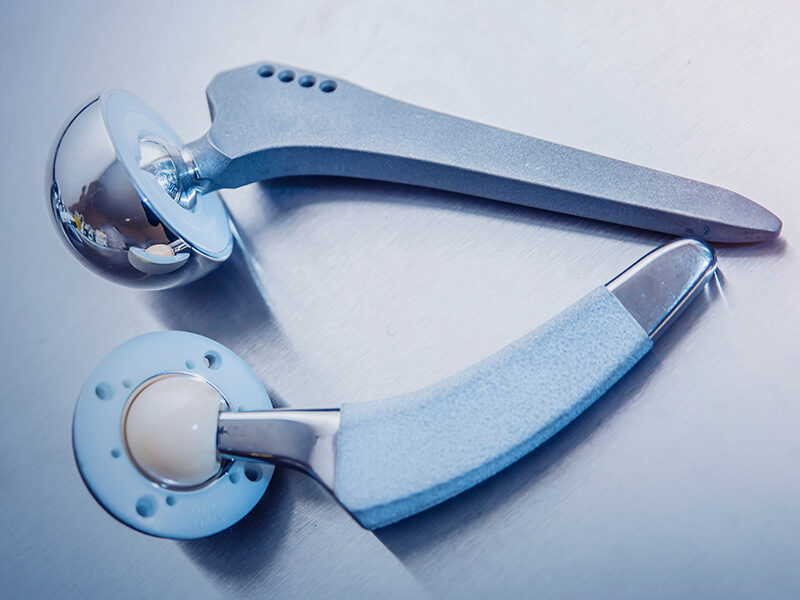
Hip replacement surgery involves removing the damaged portions of the hip joint and replacing them with prosthetic components. The hip joint is a ball-and-socket joint formed by the femoral head (ball) and the acetabulum (socket) of the pelvis.
During total hip arthroplasty:
-
The damaged femoral head is removed and replaced with a metal or ceramic ball
-
The hip socket is resurfaced and fitted with a prosthetic cup
-
A liner is placed between components to allow smooth movement
The aim is to reduce pain and restore functional movement.
Conditions Treated with Hip Replacement
Hip replacement surgery may be recommended for patients with:
-
Osteoarthritis of the hip
-
Rheumatoid arthritis
-
Post-traumatic arthritis
-
Avascular necrosis
-
Hip fractures (in selected cases)
-
Congenital or developmental hip disorders
Surgery is typically considered when pain and stiffness significantly limit daily activities.
Common Symptoms Leading to Surgery
Patients who require hip replacement often experience:
-
Persistent hip or groin pain
-
Pain that worsens with activity or at night
-
Reduced range of motion
-
Difficulty walking or climbing stairs
-
Hip stiffness affecting daily tasks
A detailed orthopaedic assessment determines whether surgery is appropriate.
Types of Hip Replacement Implants
Hip prostheses vary based on materials and fixation methods.
Implant Materials
-
Metal-on-polyethylene
-
Ceramic-on-polyethylene
-
Ceramic-on-ceramic
Fixation Methods
-
Cemented implants
-
Cementless (press-fit) implants
-
Hybrid fixation
The choice depends on patient age, bone quality, activity level, and surgeon preference.
Pre-Surgical Assessment in Turkey
Before hip replacement surgery, patients undergo comprehensive evaluation.
Assessment Typically Includes
-
Physical examination and gait analysis
-
X-rays or advanced imaging (CT or MRI if required)
-
Review of medical history and medications
-
Blood tests and pre-operative clearance
International patients may begin with online consultation before travelling to Turkey.
The Hip Replacement Surgery Procedure
Step-by-Step Overview
-
Anaesthesia
General or spinal anaesthesia is administered. -
Joint Exposure
The surgeon accesses the hip joint through a controlled incision. -
Removal of Damaged Bone
The damaged femoral head and cartilage are removed. -
Implant Placement
The prosthetic socket, liner, stem, and ball are positioned. -
Joint Testing and Closure
The joint is tested for stability and range of motion before closing the incision.
The procedure typically takes 1–2 hours.
Hospital Stay and Early Recovery
Hospital Stay
-
Usually 2–4 days
-
Early mobilisation begins within 24 hours
Pain Management
-
Pain is managed with medication and regional techniques
-
Discomfort decreases steadily over the first weeks
Physiotherapy begins shortly after surgery.
Rehabilitation and Recovery Timeline
Short-Term Recovery
-
Walking with support within days
-
Gradual increase in mobility
-
Assistance devices used temporarily
Longer-Term Recovery
-
Return to normal daily activities: 6–8 weeks
-
Continued physiotherapy for strength and flexibility
-
Full recovery: up to 6 months
Recovery timelines vary depending on individual health and rehabilitation adherence.
Aftercare and Physiotherapy
Aftercare is essential for successful outcomes.
Key Aftercare Components
-
Structured physiotherapy programme
-
Wound care and infection prevention
-
Activity modification during healing
-
Follow-up imaging and assessments
Consistent rehabilitation improves long-term joint function.
Benefits of Hip Replacement Surgery
-
Significant pain reduction
-
Improved joint mobility
-
Enhanced walking ability
-
Better sleep quality
-
Improved overall quality of life
Most patients report substantial improvement within months of surgery.
Risks and Possible Complications
Hip replacement surgery is generally safe, but potential risks include:
-
Infection
-
Blood clots
-
Dislocation of the prosthesis
-
Leg length discrepancy
-
Implant wear or loosening over time
-
Nerve or blood vessel injury (rare)
Careful surgical planning and rehabilitation reduce these risks.
Longevity of Hip Implants
Modern hip replacements are designed to be durable.
-
Many implants last 15–25 years or longer
-
Longevity depends on activity level, weight, and implant type
-
Revision surgery may be required in some cases
Regular follow-up helps monitor implant condition.
Why Patients Consider Hip Replacement Surgery in Turkey
Turkey is an established destination for orthopaedic surgery.
Common reasons patients consider hip replacement surgery in Turkey include:
-
Experienced orthopaedic surgeons
-
Use of internationally recognised implant systems
-
Modern hospitals and rehabilitation facilities
-
Coordinated care for international patients
Frequently Asked Questions (FAQ)
1. Is hip replacement surgery painful?
Post-operative pain is expected but managed effectively with medication.
2. How soon can I walk after surgery?
Most patients begin walking with support within 24–48 hours.
3. Can I return to sports after hip replacement?
Low-impact activities are usually encouraged; high-impact sports may be restricted.
4. How long does the implant last?
Many implants last 15–25 years, depending on use and individual factors.
5. Will I need physiotherapy?
Yes, physiotherapy is essential for optimal recovery and function.
Conclusion
Hip replacement surgery (total hip arthroplasty) in Turkey offers an effective solution for individuals with advanced hip joint disease who experience persistent pain and reduced mobility. By replacing damaged joint surfaces with durable prosthetic components, this procedure aims to restore function and improve quality of life. Understanding the surgical process, recovery expectations, risks, and long-term considerations allows patients to make informed decisions. When performed by experienced orthopaedic surgeons in appropriate clinical settings, hip replacement surgery can deliver reliable and long-lasting outcomes.
Medical Disclaimer: The information provided in this article is for general informational purposes only and should not be considered medical advice. Always consult a qualified healthcare professional before making any medical decisions.