












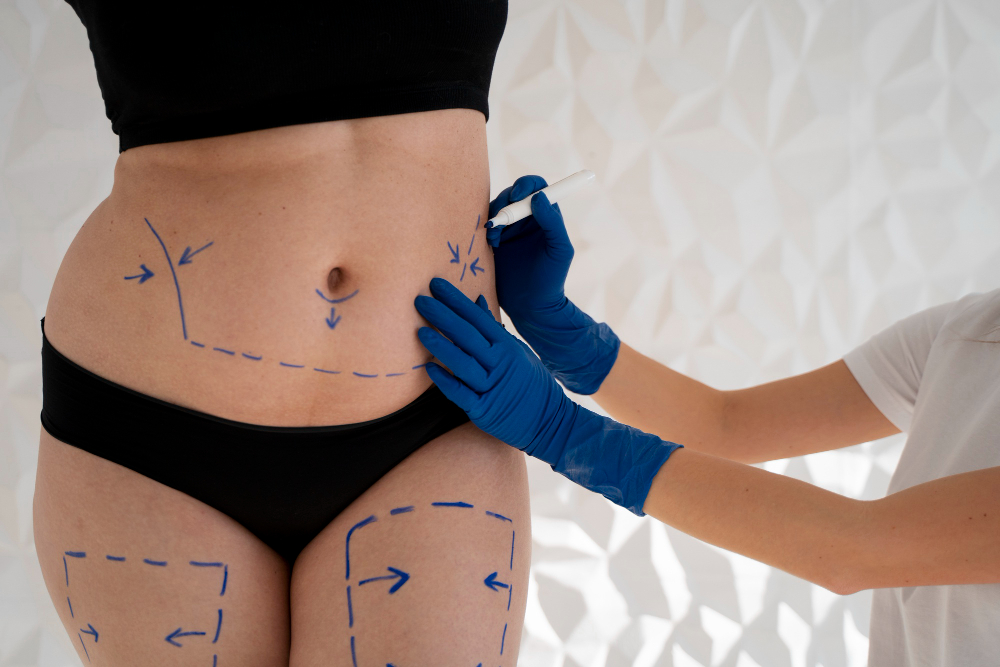
Body Surgeries in Turkey
Body surgeries encompass a broad group of surgical procedures designed to reshape, contour, enhance, or restore different areas of the body. In Turkey, these procedures are commonly considered by international patients who wish to address physical concerns related to fat distribution, skin laxity, body proportions, breast shape, or gender-related characteristics. This article provides an educational overview of body surgeries in Turkey, explaining the main procedure categories, how treatments are planned, who may be suitable, recovery expectations, potential risks, and why Turkey is often considered for these interventions.
Understanding Body Surgeries
Body surgeries are not limited to a single goal or technique. They may be performed for aesthetic, functional, or reconstructive reasons and are always planned according to the individual’s anatomy, health status, and expectations.
General Aims of Body Surgery
-
Improving body proportions and symmetry
-
Removing excess fat or skin
-
Enhancing or reducing volume in specific areas
-
Restoring contours after weight loss, pregnancy, or ageing
-
Addressing gender-related physical characteristics
In Turkey, body surgery plans are typically developed following a detailed medical consultation rather than through fixed, standardised approaches.
Personalised Assessment and Treatment Planning
Before any body surgery, patients undergo a comprehensive evaluation.
Key Elements of Pre-Operative Assessment
-
Detailed medical history review
-
Physical examination and body analysis
-
Assessment of skin quality, fat distribution, and muscle structure
-
Discussion of goals, expectations, and limitations
-
Review of lifestyle factors such as smoking or weight stability
This assessment determines which procedures are appropriate, whether they can be combined safely, and what outcomes can realistically be expected.
Body Contouring and Fat Removal Procedures
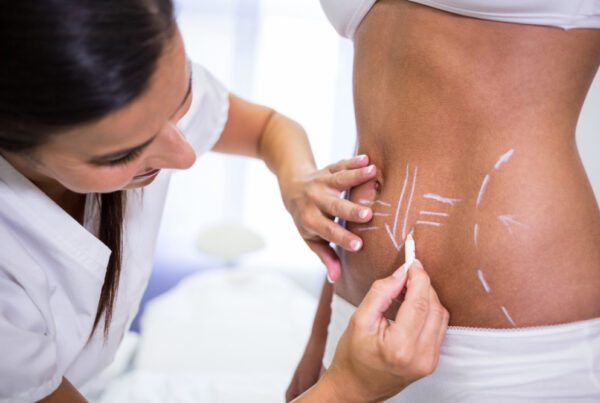
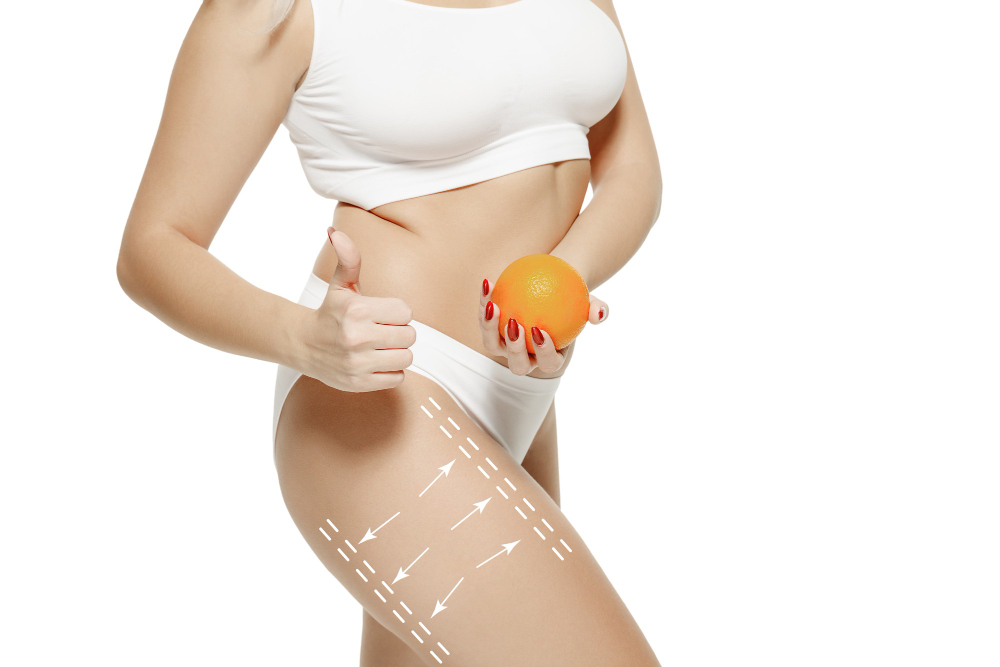
Excess fat deposits and loss of definition may persist despite diet and exercise. Body contouring and fat removal procedures aim to address these areas with precision.
Liposuction-Based Techniques
-
Uses ultrasound energy to break down fat cells
-
Allows targeted fat removal with tissue preservation
-
Commonly used for abdomen, flanks, thighs, arms, and back
High-Definition (High-Def) Liposuction
-
Focuses on sculpting and highlighting muscle definition
-
Often considered by patients seeking a more athletic appearance
-
A specialised form of high-definition liposuction
-
Designed to enhance the appearance of abdominal muscle lines
High-Def Vaser-Assisted Fat Transfer
-
Removed fat is processed and transferred to other areas
-
Used to enhance contours such as hips or buttocks
These procedures aim to reshape rather than promote weight loss.
Lifts and Skin Tightening Procedures
Skin laxity may occur due to ageing, significant weight loss, or pregnancy. Lift procedures focus on removing excess skin and tightening underlying tissues.
Common Lift Procedures
-
Removes loose skin from the upper arms
-
Improves contour and firmness
-
Targets excess skin in the inner or outer thighs
-
Often considered after weight loss
-
Addresses loose skin in the upper abdomen
-
May be combined with other abdominal procedures
-
Removes excess skin from the buttock region
-
Improves shape and positioning
These procedures prioritise functional comfort and proportional appearance in addition to aesthetic improvement.
Buttock and Lower Body Enhancements
Enhancement procedures may be considered by patients seeking increased volume, projection, or improved symmetry.
Buttock Enhancement Options
-
Uses the patient’s own fat for augmentation
-
Combines liposuction and fat transfer
-
Requires sufficient donor fat
-
Silicone implants placed to increase volume
-
Considered when fat transfer is not suitable
Calf Implants
-
Improve lower leg definition and symmetry
-
Used for congenital asymmetry or underdevelopment
The choice between these options depends on anatomy, expectations, and medical suitability.
Breast Surgeries
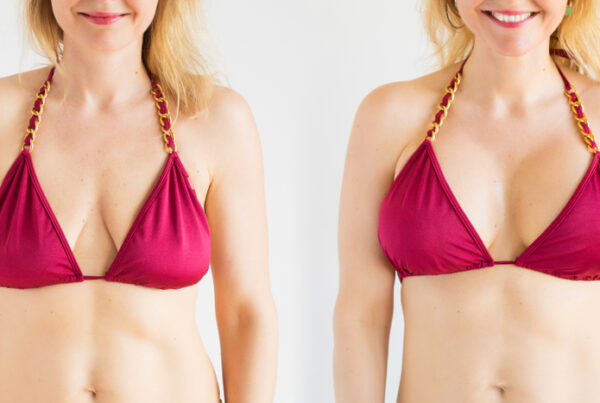
Breast surgery is a significant component of body surgery and may be performed for comfort, proportion, or aesthetic reasons.
Common Breast Procedures
Breast Augmentation with Implants
-
Increases breast volume
-
Implant type and placement are selected individually
-
Removes excess breast tissue and skin
-
May reduce physical discomfort such as back or neck pain
-
Raises and reshapes sagging breasts
-
Often performed without changing overall size
Specialised Breast Procedures
-
Nipple Correction for inverted or asymmetrical nipples
-
Tuberous Breast Correction to address developmental breast shape differences
Each breast procedure is tailored to the patient’s anatomy and goals.
Gender-Focused Body Procedures
Body surgery may also play a role in gender affirmation.
Chest Masculinization Surgery
-
Removes breast tissue to create a flatter, more masculine chest
-
May include nipple repositioning or resizing
-
Requires careful planning and sensitivity
In Turkey, these procedures are typically approached with a focus on both physical outcomes and psychological well-being.
Combining Body Surgeries
Some patients may be suitable for combining multiple body procedures within one treatment plan.
Potential Advantages
-
One anaesthesia event
-
A single recovery period
-
Harmonised body proportions
However, combined surgeries are only recommended after careful evaluation of surgical duration, health status, and recovery demands.
Recovery and Aftercare
Recovery varies depending on the type and number of procedures performed.
General Recovery Phases
Early Recovery (First 1–2 Weeks)
-
Swelling and bruising are common
-
Limited movement and rest are essential
Intermediate Recovery (Weeks 3–6)
-
Gradual return to light activities
-
Continued use of compression garments
Long-Term Recovery
-
Final results may take several months
-
Scars mature and fade over time
Strict adherence to aftercare instructions is important for healing and outcome quality.
Risks and Possible Complications
All body surgeries carry risks.
General Surgical Risks
-
Infection
-
Bleeding
-
Reaction to anaesthesia
Procedure-Specific Risks
-
Irregular contours
-
Delayed wound healing
-
Sensation changes
-
Fluid accumulation
Comprehensive pre-operative assessment and appropriate aftercare help minimise these risks.
Why Patients Consider Turkey for Body Surgeries
Turkey is often considered by international patients for body surgery procedures.
Common Considerations
-
Availability of surgeons experienced in a wide range of body procedures
-
Modern hospital facilities
-
Structured care pathways for international patients
-
Ability to plan treatment without extended waiting times
Patients from the UK frequently value the balance between accessibility and structured medical care.
Frequently Asked Questions (FAQ)
1. What are body surgeries?
Body surgeries are procedures designed to reshape, contour, or restore different areas of the body for aesthetic or functional reasons.
2. Can multiple body procedures be combined?
Some procedures can be combined safely, but this depends on individual health and surgical assessment.
3. Are body surgeries a weight-loss solution?
No. Body surgeries reshape the body but do not replace weight loss through diet and exercise.
4. How long should patients stay in Turkey after surgery?
This depends on the procedure, but many patients stay between 7 and 14 days for early recovery and follow-up.
5. Are results permanent?
Results can be long-lasting if weight remains stable, but ageing and lifestyle factors continue to influence the body.
Conclusion
Body surgeries in Turkey cover a wide spectrum of procedures, from fat removal and contouring to lifts, breast surgery, and gender-focused treatments. These procedures are planned individually, based on medical assessment and realistic expectations. Understanding the scope of treatments, recovery process, and potential risks is essential for anyone considering body surgery abroad.
Medical Disclaimer: The information provided in this article is for general informational purposes only and should not be considered medical advice. Always consult a qualified healthcare professional before making any medical decisions.

