VIP Stay at Mandarin Grove Health and Wellness Retreat
FEMALE HAIR RESTORATION


[contact-form-7 id=”581″]
[contact-form-7 id=”597″]
Female Hair Restoration in Turkey
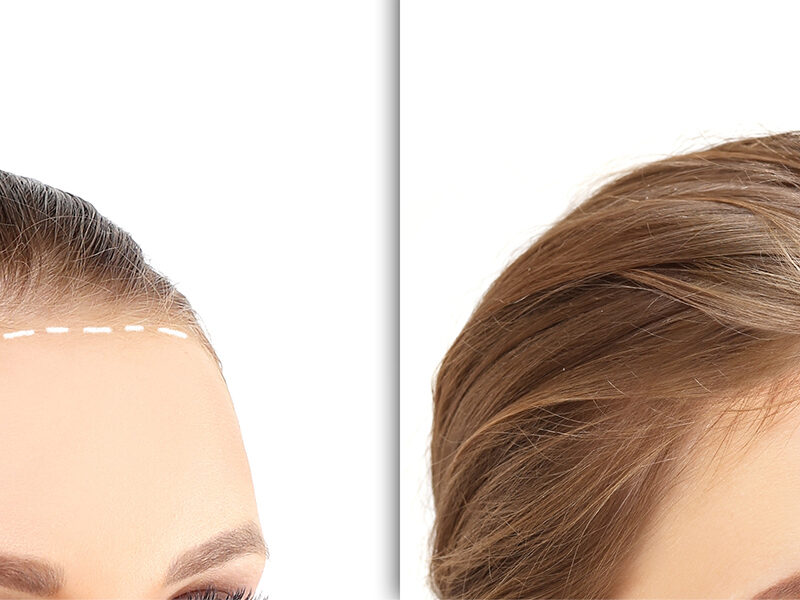
Female hair restoration refers to a range of medical and surgical treatments aimed at addressing hair thinning, hair loss, and reduced hair density in women. Unlike male-pattern hair loss, female hair loss often presents as diffuse thinning across the scalp rather than complete bald areas, requiring a more nuanced and individualised approach. In Turkey, female hair restoration is provided using modern diagnostic methods and advanced techniques such as FUE (Follicular Unit Extraction) and DHI (Direct Hair Implantation), alongside non-surgical therapies when appropriate.
This article offers a detailed, educational overview of female hair restoration in Turkey, including causes of hair loss, available treatment options, candidacy, procedural steps, recovery, potential risks, and reasons international patients consider Turkey for female hair restoration.
Understanding Hair Loss in Women
Hair loss in women can be physically and emotionally distressing, often affecting self-confidence and quality of life. Female hair loss patterns differ significantly from male hair loss and are influenced by a variety of factors.
Common Causes of Female Hair Loss
-
Genetic predisposition (female pattern hair loss)
-
Hormonal changes (pregnancy, menopause, thyroid disorders)
-
Nutritional deficiencies (iron, vitamin D, protein)
-
Stress and illness
-
Medical conditions such as polycystic ovary syndrome (PCOS)
-
Traction or chemical damage from styling practices
Accurate diagnosis is essential before selecting a treatment plan.
What Is Female Hair Restoration?
Female hair restoration encompasses both surgical and non-surgical treatments designed to improve hair density, redistribute existing hair, or stimulate regrowth. The goal is not only to restore hair but to achieve results that appear natural and compatible with female hairlines and styling preferences.
Hair restoration in women may involve:
-
Surgical hair transplantation
-
Medical therapies to stabilise hair loss
-
Supportive treatments to improve scalp health
Treatment plans are highly individualised.
Who Is a Suitable Candidate for Female Hair Restoration?
Not all women with hair thinning require surgical treatment.
Generally Suitable Candidates
-
Women with stable hair loss patterns
-
Individuals with sufficient donor hair density
-
Good general health
-
Realistic expectations about achievable density
When Surgery May Not Be Recommended
-
Active, uncontrolled hair loss
-
Diffuse thinning without a stable donor area
-
Certain autoimmune or scarring scalp conditions
A comprehensive consultation determines the most appropriate approach.
Female Hair Transplant Techniques Used in Turkey
When surgical restoration is appropriate, two main techniques are commonly used.
FUE (Follicular Unit Extraction) for Women
FUE involves extracting individual hair follicles from the donor area and implanting them into thinning regions.
Key Features of FUE
-
No linear scarring
-
Flexible graft placement
-
Suitable for wider thinning areas
-
Hair can often be harvested without shaving the entire scalp
FUE is frequently used for crown thinning, widening part lines, and frontal density restoration.
DHI (Direct Hair Implantation) for Women
DHI is an advanced technique that allows direct implantation using a specialised implanter pen.
Key Features of DHI
-
Enhanced control over angle and direction
-
Reduced trauma to surrounding hair
-
Suitable for dense packing and precision work
-
Often preferred for frontal hairline restoration
DHI is commonly chosen for women seeking subtle refinement without altering their natural hairline.
Choosing Between FUE and DHI
The choice depends on several factors:
-
Pattern and extent of hair thinning
-
Desired density
-
Hair characteristics (thickness, curl)
-
Surgeon recommendation
In some cases, a combined approach may be used.
Pre-Operative Assessment in Turkey
Female hair restoration begins with thorough evaluation.
Assessment Typically Includes
-
Medical and hormonal history review
-
Scalp and hair analysis
-
Donor area evaluation
-
Discussion of styling habits and expectations
International patients often start with online consultations before travelling to Turkey.
How Female Hair Transplant Surgery Is Performed
Anaesthesia
-
Local anaesthesia is used
-
The procedure is typically well tolerated
Step-by-Step Procedure
-
Donor area preparation and follicle extraction
-
Recipient area design respecting natural female hair patterns
-
Graft implantation using FUE or DHI
-
Final evaluation and post-operative guidance
The procedure usually lasts 4–8 hours, depending on graft numbers.
Recovery and Healing Process
Recovery after female hair restoration is gradual.
First 7–10 Days
-
Mild redness and swelling
-
Small scabs around transplanted follicles
-
Avoid washing or styling as instructed
Weeks 2–4
-
Scabs fall off naturally
-
Temporary shedding of transplanted hairs (normal)
Months 3–6
-
New hair growth begins
-
Progressive increase in density
Months 9–12
-
Final results become visible
Non-Surgical Hair Restoration Options
Not all patients require surgery.
Common Non-Surgical Treatments
-
Platelet-Rich Plasma (PRP) therapy
-
Medical treatments for hormonal or nutritional causes
-
Scalp treatments to improve follicle health
These options may be used alone or alongside surgery.
Risks and Possible Complications
Female hair restoration is generally safe when performed by experienced professionals.
Possible Risks
-
Temporary swelling or redness
-
Infection (rare)
-
Shock loss of surrounding hair (usually temporary)
-
Uneven early growth
Most issues resolve with appropriate aftercare.
Longevity of Results
Hair transplanted during female hair restoration is considered permanent.
-
Transplanted follicles retain donor characteristics
-
Hair grows naturally and can be styled normally
-
Ongoing care may be needed for non-transplanted hair
Why Patients Consider Turkey for Female Hair Restoration
Turkey is internationally recognised for hair restoration procedures.
Common Reasons
-
Extensive experience with FUE and DHI techniques
-
High procedural volumes and refined protocols
-
Modern clinics and advanced technology
-
Structured care pathways for international patients
Many women from the UK and Europe consider female hair restoration in Turkey for its combination of expertise and comprehensive planning.
Frequently Asked Questions (FAQ)
1. Is hair transplantation suitable for women?
Yes, for selected candidates with stable hair loss and adequate donor hair.
2. Will my hair need to be shaved?
Often no. Many female procedures use partial or no-shave techniques.
3. Is shedding after the procedure normal?
Yes. Temporary shedding occurs before permanent growth begins.
4. Will the results look natural?
Yes, when hair direction, angle, and density are carefully planned.
5. Are results permanent?
Transplanted hair is permanent, though existing hair may continue to thin.
Conclusion
Female hair restoration in Turkey offers a comprehensive and individualised approach to addressing hair thinning and hair loss in women. By combining accurate diagnosis, advanced techniques such as FUE and DHI, and tailored treatment planning, hair restoration can deliver natural-looking and long-lasting improvements. Understanding the causes of hair loss, available options, recovery expectations, and realistic outcomes allows women to make informed decisions about their treatment journey.
Medical Disclaimer: The information provided in this article is for general informational purposes only and should not be considered medical advice. Always consult a qualified healthcare professional before making any medical decisions.