VIP Stay at Mandarin Grove Health and Wellness Retreat
VENEERS


Veneers in Turkey
Dental veneers are thin, custom-made restorations designed to cover the front surface of teeth in order to improve their appearance. Veneers are widely used in cosmetic dentistry to address concerns related to tooth colour, shape, size, alignment, and surface imperfections. In Turkey, veneer treatments are commonly planned as part of aesthetic smile design, following conservative and evidence-based dental principles.
This article provides a detailed, educational overview of veneers in Turkey, including what veneers are, who they are suitable for, types of veneers, the treatment process, recovery and aftercare, possible risks, and why international patients frequently consider Turkey for veneer treatment.
What Are Dental Veneers?
Dental veneers are thin shells bonded to the front (visible) surface of teeth. They are designed to mimic the natural appearance of enamel while improving aesthetics. Veneers do not replace the entire tooth; instead, they enhance the visible portion of the tooth while preserving as much natural structure as possible.
Veneers are most commonly placed on the front teeth (incisors and canines), where appearance plays a key role.
What Dental Problems Can Veneers Address?
Veneers are suitable for correcting a range of cosmetic dental concerns.
Common Indications
-
Tooth discolouration that does not respond to whitening
-
Chipped or worn teeth
-
Gaps between teeth
-
Mild misalignment or uneven spacing
-
Irregularly shaped or short teeth
-
Surface defects or enamel damage
Veneers focus on aesthetic improvement rather than functional reconstruction.
Types of Dental Veneers
Several veneer materials are used in modern dentistry, each with specific characteristics.
Porcelain Veneers
Porcelain veneers are made from high-quality ceramic materials.
Key Features
-
Highly aesthetic and translucent
-
Stain-resistant
-
Long-lasting with proper care
-
Require some enamel removal
Porcelain veneers are often chosen for their natural appearance and durability.
Composite Veneers
Composite veneers are made from tooth-coloured resin material.
Key Features
-
Less invasive than porcelain veneers
-
Often completed in a single visit
-
More affordable but less durable
-
More prone to staining over time
Composite veneers may be suitable for minor aesthetic corrections.
Who Is a Suitable Candidate for Veneers?
Suitability is determined through a comprehensive dental evaluation.
Generally Suitable Candidates
-
Patients with healthy teeth and gums
-
Individuals with cosmetic concerns affecting the front teeth
-
Patients with good oral hygiene habits
-
Individuals with realistic expectations
When Veneers May Not Be Recommended
-
Active gum disease
-
Extensive tooth decay
-
Severe bite problems (bruxism or malocclusion) without protection
-
Insufficient enamel for bonding
Alternative treatments may be recommended in such cases.
Pre-Treatment Assessment in Turkey
Before veneer placement, dentists in Turkey perform detailed planning.
Assessment Typically Includes
-
Clinical dental examination
-
Digital X-rays if required
-
Smile analysis and aesthetic planning
-
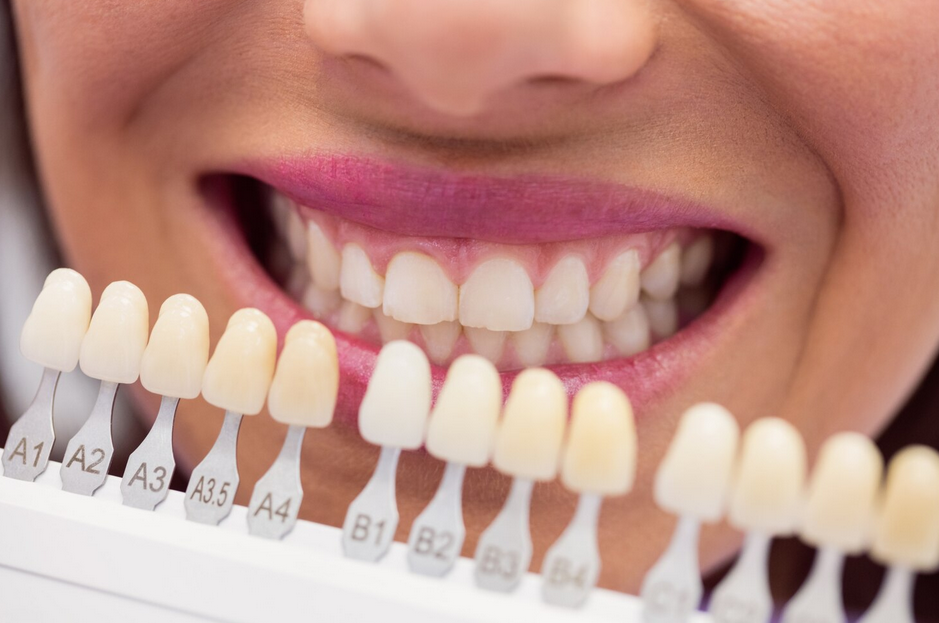
Shade selection
-
Bite and occlusion assessment
In many cases, digital smile design tools are used to visualise expected outcomes.
The Veneer Treatment Process Step by Step
1. Tooth Preparation
For porcelain veneers:
-
A thin layer of enamel is removed from the front of the tooth
For composite veneers:
-
Minimal or no enamel removal may be required
This step ensures proper fit and natural appearance.
2. Impressions or Digital Scanning
Accurate impressions or digital scans are taken to create custom veneers.
3. Temporary Veneers (If Required)
Temporary veneers may be placed while the final veneers are fabricated.
4. Veneer Bonding
Once ready:
-
Veneers are checked for fit, colour, and shape
-
Teeth are cleaned and prepared
-
Veneers are bonded using dental adhesive
Final adjustments are made to ensure comfort and aesthetics.
Recovery and Aftercare
Veneer treatment generally requires minimal recovery.
Immediately After Treatment
-
Mild sensitivity may occur temporarily
-
Normal eating resumes shortly after placement
Long-Term Care
-
Brush and floss daily
-
Avoid biting hard objects
-
Limit staining foods and drinks
-
Attend regular dental check-ups
Proper care helps extend veneer longevity.
Longevity of Dental Veneers
Veneers are long-lasting restorations but not permanent.
Average Lifespan
-
Porcelain veneers: 10–15 years or longer
-
Composite veneers: 4–7 years
Longevity depends on oral hygiene, bite forces, and lifestyle habits.
Risks and Possible Complications
Veneer treatment is considered safe, but potential risks exist.
Possible Risks
-
Tooth sensitivity
-
Chipping or fracture
-
Veneer debonding
-
Need for replacement over time
Appropriate case selection and skilled placement reduce complications.
Veneers vs Crowns
Veneers are often compared with dental crowns.
Key Differences
-
Veneers: Cover only the front surface, preserve more tooth structure
-
Crowns: Cover the entire tooth, used for structurally damaged teeth
The choice depends on tooth condition and treatment goals.
Why Patients Consider Turkey for Veneers
Turkey is frequently chosen by international patients for cosmetic dental treatments.
Common Reasons
-
Dentists experienced in aesthetic dentistry
-
Modern clinics and dental laboratories
-
Advanced digital smile design technology
-
Structured treatment planning for international patients
Many patients from the UK choose to receive veneer treatment in Turkey as part of a planned smile makeover.
Frequently Asked Questions (FAQ)
1. Are veneers painful?
The procedure is usually well tolerated and performed under local anaesthesia if needed.
2. Do veneers damage natural teeth?
Minimal enamel removal is required for porcelain veneers; composite veneers may require none.
3. Can veneers look natural?
Yes. When properly planned, veneers closely mimic natural teeth.
4. Can veneers be whitened?
No. Veneers do not respond to whitening treatments.
5. Can veneers fall off?
Rarely, but they can usually be re-bonded if this occurs.
Conclusion
Veneers in Turkey are a widely used cosmetic dental solution for improving the appearance of teeth while maintaining a conservative approach to tooth structure. By understanding veneer types, the treatment process, recovery expectations, and long-term care requirements, patients can make informed decisions about their smile enhancement. Proper planning, realistic expectations, and ongoing dental care are essential for achieving durable and natural-looking results.
Medical Disclaimer: The information provided in this article is for general informational purposes only and should not be considered medical advice. Always consult a qualified healthcare professional before making any medical decisions.