VIP Stay at Mandarin Grove Health and Wellness Retreat
DENTAL BRACES


[contact-form-7 id=”581″]
[contact-form-7 id=”597″]
Dental Braces in Turkey
Dental braces are orthodontic devices used to correct misaligned teeth, bite problems, and jaw irregularities. They play an important role not only in improving dental appearance but also in enhancing oral function, hygiene, and long-term dental health. In Turkey, dental braces treatment is provided within modern dental clinics by orthodontic specialists, following internationally accepted diagnostic and treatment protocols. Many international patients, particularly from the UK and Europe, consider orthodontic treatment in Turkey due to structured care pathways and access to experienced clinicians.
This article provides a detailed, educational overview of dental braces in Turkey, including what braces are, who they are suitable for, types of braces available, treatment steps, recovery and adjustment periods, possible risks, and why Turkey is often considered for orthodontic care.
What Are Dental Braces?
Dental braces are orthodontic appliances designed to gradually move teeth into a more correct position. They work by applying continuous, gentle pressure over time, encouraging teeth and surrounding bone to remodel.
Braces can correct:
-
Crooked or crowded teeth
-
Gaps between teeth
-
Overbite, underbite, and crossbite
-
Jaw alignment issues
Orthodontic treatment aims to improve both dental function and facial harmony.
Why Dental Alignment Matters
Properly aligned teeth are easier to clean and maintain, reducing the risk of tooth decay and gum disease. Bite correction can also prevent excessive tooth wear, jaw discomfort, and speech difficulties.
Dental braces are therefore considered both a functional and preventive dental treatment.
Who Is Suitable for Dental Braces?
Dental braces can be used in children, teenagers, and adults.
Generally Suitable Candidates
-
Individuals with misaligned or crowded teeth
-
Patients with bite problems
-
Good overall oral health
-
Healthy gums and sufficient bone support
When Braces May Be Delayed or Modified
-
Untreated gum disease
-
Active dental infections
-
Poor oral hygiene compliance
A comprehensive orthodontic assessment is required before starting treatment.
Pre-Treatment Assessment in Turkey
Before braces are fitted, a detailed orthodontic evaluation is carried out.
Assessment Typically Includes
-
Clinical dental examination
-
X-rays and panoramic imaging
-
Bite and jaw analysis
-
Digital or physical dental impressions
-
Treatment planning and timeline discussion
International patients may begin with remote consultation, followed by in-person assessment after arrival in Turkey.
Types of Dental Braces Available
Several types of dental braces are available, depending on clinical needs and aesthetic preferences.
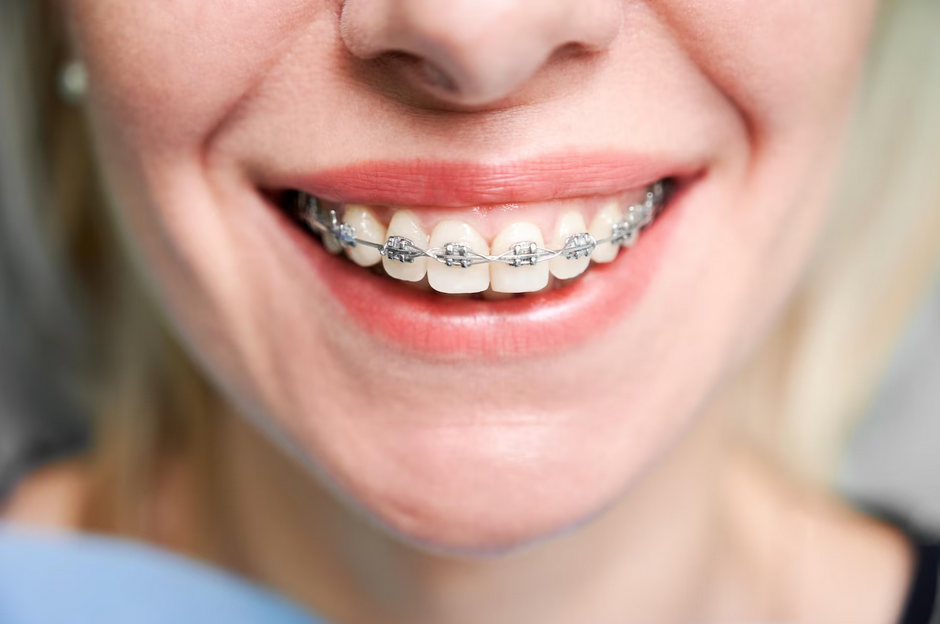
Metal Braces
Metal braces are the most traditional and widely used type.
Key Features
-
Stainless steel brackets and wires
-
Highly effective for complex cases
-
Durable and reliable
They remain a common choice for both adolescents and adults.
Ceramic Braces
Ceramic braces function similarly to metal braces but are less noticeable.
Key Features
-
Tooth-coloured or clear brackets
-
More discreet appearance
-
Slightly more fragile than metal braces
Ceramic braces are often preferred by adult patients.
Lingual Braces
Lingual braces are attached to the back (inner surface) of the teeth.
Key Features
-
Hidden from view
-
Custom-made for each patient
-
Require specialised orthodontic expertise
They may not be suitable for all cases.
Clear Aligners (Orthodontic Alternative)
Although not traditional braces, clear aligners are sometimes considered.
Key Features
-
Removable transparent trays
-
Suitable for mild to moderate alignment issues
-
Require strict patient compliance
Your orthodontist will advise whether aligners or braces are more appropriate.
How Dental Braces Treatment Is Performed
Step 1: Braces Placement
-
Teeth are cleaned and prepared
-
Brackets are bonded to teeth
-
Archwires are placed to guide movement
Step 2: Adjustment Visits
-
Regular appointments every 4–8 weeks
-
Wires are adjusted to maintain pressure
-
Progress is monitored
Step 3: Braces Removal
-
Brackets and wires are removed
-
Teeth are cleaned
-
Retainers are fitted to maintain results
Treatment Duration
Treatment duration varies depending on complexity.
Typical Timeframes
-
Mild cases: 6–12 months
-
Moderate cases: 12–18 months
-
Complex cases: 18–24 months or longer
Consistency with appointments and oral care influences treatment length.
Recovery and Adjustment Period
Dental braces do not involve surgery, but an adjustment period is expected.
Early Adjustment
-
Mild discomfort or pressure
-
Temporary speech changes
-
Soft foods recommended initially
Ongoing Adaptation
-
Discomfort usually resolves within days after adjustments
-
Normal eating resumes with minor precautions
Pain is typically manageable with over-the-counter medication.
Oral Hygiene with Braces
Maintaining oral hygiene is essential during orthodontic treatment.
Hygiene Recommendations
-
Brush after every meal
-
Use interdental brushes or floss threaders
-
Avoid sticky or hard foods
-
Attend regular dental cleanings
Good hygiene helps prevent decay and gum inflammation.
Risks and Possible Complications
Dental braces are safe but may involve minor risks.
Possible Risks
-
Tooth enamel demineralisation
-
Gum irritation
-
Root resorption (rare)
-
Relapse if retainers are not worn
Following professional guidance minimises these risks.
Retainers After Braces
Retainers are essential to maintain alignment.
Types of Retainers
-
Fixed retainers (bonded behind teeth)
-
Removable clear or acrylic retainers
Retainer wear is critical to prevent teeth from shifting back.
Why Patients Consider Turkey for Dental Braces
Turkey is frequently chosen for orthodontic care by international patients.
Common Reasons
-
Experienced orthodontic specialists
-
Modern dental clinics and technology
-
Comprehensive diagnostic planning
-
Structured treatment coordination for international patients
Many UK and European patients explore dental braces treatment in Turkey as part of long-term dental care planning.
Frequently Asked Questions (FAQ)
1. Are dental braces painful?
Discomfort is common initially and after adjustments but usually mild and temporary.
2. Can adults have braces?
Yes. Orthodontic treatment is effective at any age if oral health is good.
3. How often are adjustment visits required?
Typically every 4–8 weeks.
4. Do braces affect speech?
Temporary changes may occur but usually resolve quickly.
5. Are results permanent?
Results are long-lasting if retainers are worn as advised.
Conclusion
Dental braces in Turkey provide a structured and effective solution for correcting misaligned teeth and bite problems across all age groups. Understanding the types of braces, treatment process, recovery expectations, and the importance of long-term retention allows patients to make informed decisions about orthodontic care. With proper planning, regular follow-up, and good oral hygiene, dental braces can deliver functional, stable, and lasting improvements in oral health.
Medical Disclaimer: The information provided in this article is for general informational purposes only and should not be considered medical advice. Always consult a qualified healthcare professional before making any medical decisions.