VIP Stay at Mandarin Grove Health and Wellness Retreat
DENTAL RETAINERS


[contact-form-7 id=”581″]
[contact-form-7 id=”597″]
Dental Retainers in Turkey
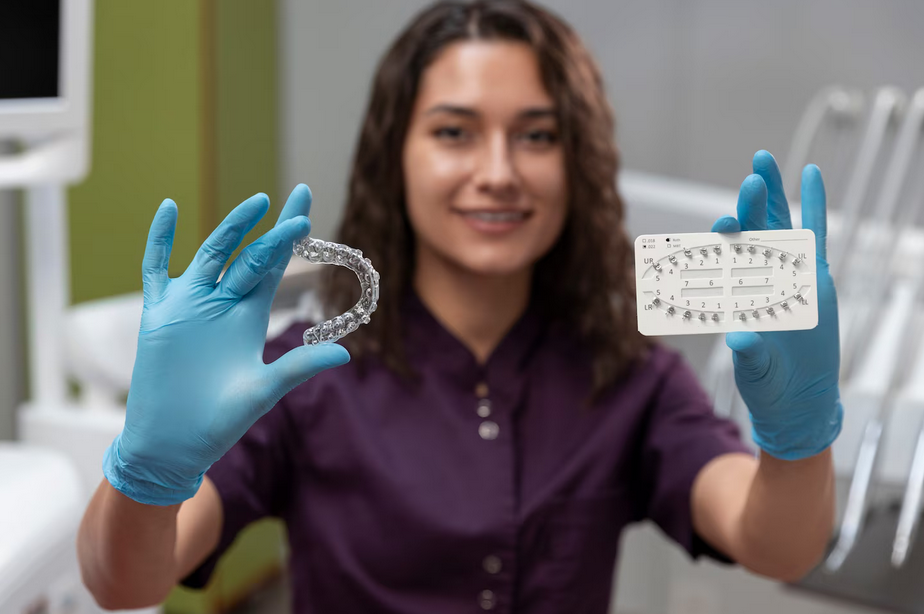
Dental retainers are orthodontic appliances used after active orthodontic treatment—such as braces or clear aligners—to maintain teeth in their corrected positions. Retainers play a crucial role in stabilising results and preventing relapse, which is the natural tendency of teeth to shift back over time. In Turkey, dental retainers are provided by orthodontic specialists within modern dental clinics, using evidence-based protocols and custom fabrication techniques.
This article presents a detailed, educational overview of dental retainers in Turkey, including what retainers are, who needs them, types of retainers, fitting and follow-up, care and maintenance, potential issues, and why international patients often consider orthodontic aftercare in Turkey.
What Are Dental Retainers?
A dental retainer is a custom-made appliance designed to hold teeth in their new alignment after orthodontic treatment. Once braces or aligners are removed, the surrounding bone and soft tissues need time to adapt to the new tooth positions. Retainers provide gentle, continuous support during this stabilisation phase.
Without proper retainer use, teeth may gradually move, compromising orthodontic results.
Why Retainers Are Necessary After Orthodontic Treatment
Teeth are held in place by periodontal ligaments and surrounding bone, which remodel slowly after movement.
Dental retainers help to:
-
Prevent orthodontic relapse
-
Allow bone and gum tissues to stabilise
-
Maintain bite correction
-
Protect long-term treatment outcomes
Retainer wear is considered a standard and essential part of orthodontic care.
Who Needs Dental Retainers?
Dental retainers are recommended for all patients who have completed orthodontic treatment.
Retainers Are Commonly Used After
-
Metal or ceramic braces
-
Lingual braces
-
Clear aligner treatment
Retainers may also be used in selected cases to prevent further tooth movement without full orthodontic treatment.
Pre-Retainer Assessment in Turkey
Before a retainer is fitted, a final orthodontic assessment is performed.
Assessment Typically Includes
-
Evaluation of final tooth alignment
-
Bite analysis
-
Digital scan or dental impression
-
Discussion of retainer type and wear schedule
International patients may complete orthodontic treatment elsewhere and have retainers fabricated during follow-up care in Turkey.
Types of Dental Retainers
Several retainer options are available, depending on clinical needs and patient preference.
Removable Retainers
Clear (Essix-Style) Retainers
-
Transparent plastic trays
-
Fit over teeth similarly to aligners
-
Discreet and lightweight
Considerations:
-
Must be worn as prescribed
-
Can wear down or crack over time
Hawley Retainers
-
Acrylic base with metal wire
-
Adjustable and durable
-
Allow minor orthodontic adjustments
Considerations:
-
More visible than clear retainers
-
Slightly bulkier
Fixed (Bonded) Retainers
Fixed retainers consist of a thin wire bonded to the back of the teeth.
Key Features
-
Not removable by the patient
-
Provide continuous retention
-
Commonly placed on lower front teeth
Considerations:
-
Require meticulous oral hygiene
-
Regular dental checks needed
How Dental Retainers Are Fitted
Step 1: Impression or Digital Scan
-
Teeth are scanned or impressions taken
-
Retainer is custom-fabricated
Step 2: Fitting Appointment
-
Retainer is checked for comfort and accuracy
-
Instructions for wear and care are provided
Step 3: Follow-Up
-
Periodic reviews to ensure stability
-
Adjustments made if necessary
The fitting process is non-invasive and painless.
Retainer Wear Schedule
Retainer wear varies depending on individual risk of relapse.
Common Wear Protocols
-
Initial phase: Full-time wear (20–22 hours/day)
-
Maintenance phase: Night-time wear only
-
Long-term: Ongoing night-time wear recommended
Many orthodontists advise lifelong night-time retainer use.
Care and Maintenance of Dental Retainers
Proper care extends the lifespan of retainers and protects oral health.
Cleaning Recommendations
-
Clean daily using lukewarm water
-
Use a soft toothbrush and non-abrasive cleaner
-
Avoid hot water, which can warp plastic retainers
Storage Tips
-
Store in a protective case when not in use
-
Keep away from heat and pets
Common Problems and Solutions
Lost or Broken Retainers
-
Teeth can begin shifting within days
-
Replacement should be arranged promptly
Discomfort or Tightness
-
Mild pressure is common initially
-
Persistent pain should be evaluated
Plaque Build-Up
-
Improved hygiene and professional cleaning may be required
Risks and Possible Complications
Dental retainers are safe, but potential issues include:
Possible Issues
-
Tooth movement if not worn correctly
-
Gum irritation
-
Retainer breakage
-
Decalcification with poor hygiene
Following professional instructions minimises these risks.
Longevity of Dental Retainers
The lifespan of a retainer depends on type and care.
Typical Lifespan
-
Clear retainers: 1–3 years
-
Hawley retainers: 3–5 years or longer
-
Fixed retainers: Many years with maintenance
Regular check-ups ensure continued effectiveness.
Why Patients Consider Turkey for Dental Retainers
Turkey is often chosen for orthodontic follow-up and dental appliance care.
Common Reasons
-
Orthodontists experienced in long-term retention
-
Modern digital scanning and fabrication
-
Structured orthodontic aftercare
-
Efficient coordination for international patients
Many patients from the UK and Europe obtain dental retainers in Turkey as part of ongoing orthodontic maintenance.
Frequently Asked Questions (FAQ)
1. Are dental retainers really necessary?
Yes. Without retainers, teeth are likely to shift over time.
2. How long should retainers be worn?
Full-time initially, then usually at night long term.
3. Can I stop wearing my retainer after a few years?
Stopping increases the risk of relapse; ongoing night-time wear is often advised.
4. Are fixed retainers better than removable ones?
Each has advantages; choice depends on individual needs and hygiene ability.
5. What should I do if my retainer no longer fits?
Contact an orthodontist promptly to prevent tooth movement.
Conclusion
Dental retainers in Turkey form an essential part of orthodontic treatment, helping to preserve tooth alignment and protect long-term results. Understanding retainer types, wear schedules, care requirements, and potential risks allows patients to maintain the benefits of orthodontic treatment effectively. With proper use, regular follow-up, and good oral hygiene, dental retainers can support stable, lasting orthodontic outcomes.
Medical Disclaimer: The information provided in this article is for general informational purposes only and should not be considered medical advice. Always consult a qualified healthcare professional before making any medical decisions.