VIP Stay at Mandarin Grove Health and Wellness Retreat
COLON CANCER SURGERY


[contact-form-7 id=”581″]
[contact-form-7 id=”597″]
Colon Cancer Surgery in Turkey
Colon cancer surgery is the primary treatment for most cases of colon cancer and plays a central role in both curative and palliative care. The goal of surgery is to remove the cancerous section of the colon along with surrounding lymph nodes, while preserving as much normal bowel function as possible. In Turkey, colon cancer surgery is performed in specialised hospitals by multidisciplinary teams that include general surgeons, colorectal surgeons, oncologists, radiologists, and pathologists, following internationally recognised clinical guidelines.
This article provides a detailed, educational overview of colon cancer surgery in Turkey, including what colon cancer is, who may require surgery, surgical techniques, recovery expectations, potential risks, and the importance of long-term follow-up.
What Is Colon Cancer?
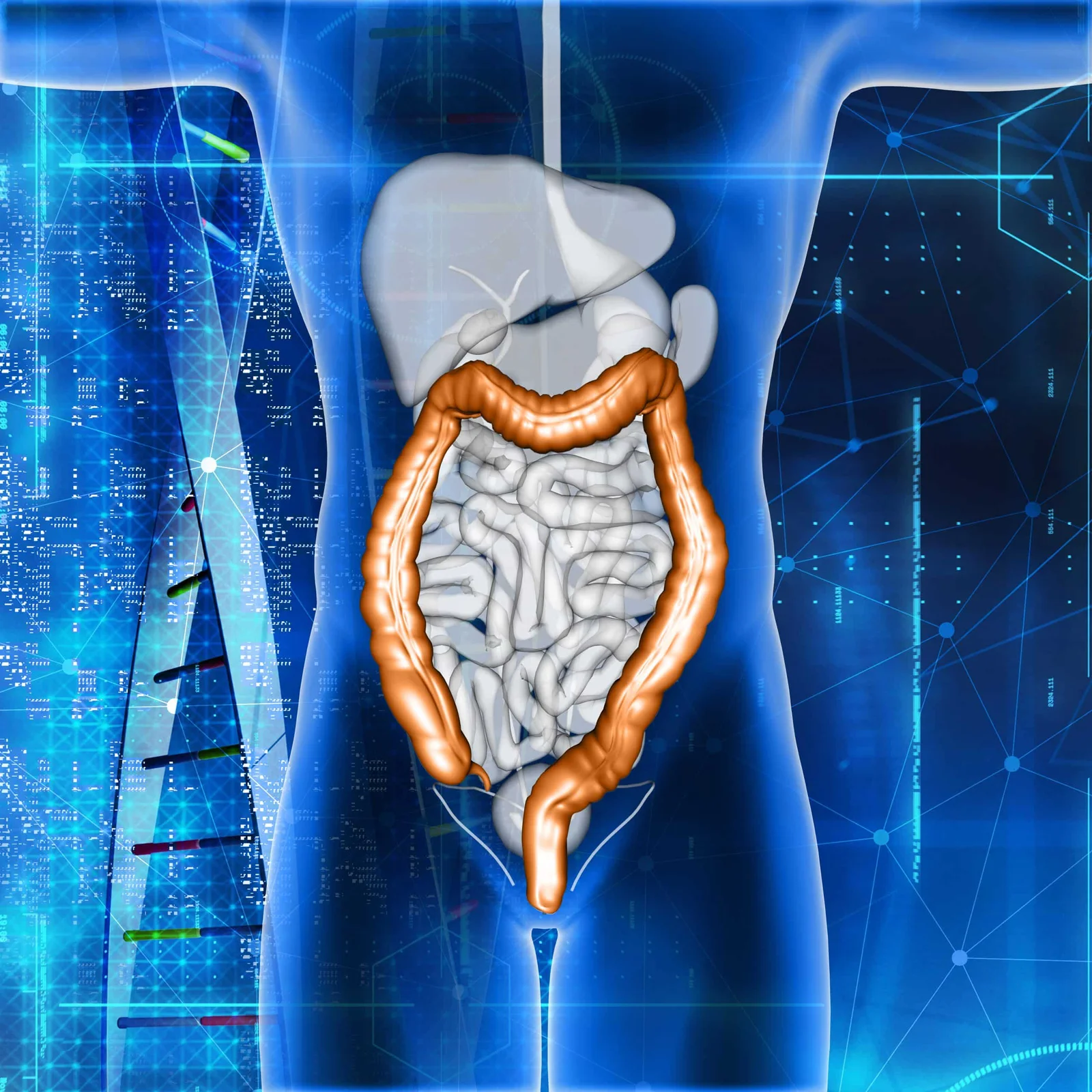
Colon cancer is a type of cancer that develops in the large intestine (colon), which is part of the digestive system. It often begins as benign growths called polyps that can gradually transform into cancer over time.
Colon cancer is commonly grouped together with rectal cancer under the term colorectal cancer, but surgical approaches differ depending on tumour location.
Why Surgery Is Central to Colon Cancer Treatment
Surgery is the mainstay of treatment for colon cancer because it allows:
-
Complete removal of the tumour
-
Assessment and removal of nearby lymph nodes
-
Accurate staging of the disease
-
Relief of symptoms such as bowel obstruction or bleeding
In early-stage disease, surgery alone may be sufficient. In more advanced cases, surgery is combined with chemotherapy.
Who Needs Colon Cancer Surgery?
Colon cancer surgery is recommended for most patients with confirmed colon cancer.
Surgery Is Typically Indicated For
-
Localised colon cancer (Stages I–III)
-
Selected Stage IV cases for symptom control or combined treatment
-
Tumours causing obstruction, bleeding, or perforation
The exact surgical plan depends on tumour size, location, stage, and the patient’s overall health.
Pre-Operative Assessment in Turkey
Before surgery, patients undergo comprehensive evaluation to ensure safe and effective treatment.
Pre-Surgical Assessment Includes
-
Colonoscopy and biopsy confirmation
-
CT scans of the chest, abdomen, and pelvis
-
Blood tests and tumour markers
-
Anaesthetic assessment
-
Multidisciplinary team (MDT) discussion
This process allows accurate staging and personalised surgical planning in Turkey.
Types of Colon Cancer Surgery
The type of surgery performed depends on the tumour’s location within the colon.
Segmental Colectomy
This is the most common procedure.
Key Features
-
Removal of the cancerous section of the colon
-
Removal of nearby lymph nodes
-
Reconnection of the healthy bowel ends (anastomosis)
Examples include right hemicolectomy, left hemicolectomy, and sigmoid colectomy.
Total Colectomy
In selected cases, most or all of the colon is removed.
Indications
-
Multiple tumours
-
Genetic cancer syndromes
-
Severe inflammatory bowel disease with cancer
Bowel continuity may be restored or diverted, depending on circumstances.
Laparoscopic vs Open Colon Cancer Surgery
Laparoscopic (Minimally Invasive) Surgery
-
Small incisions
-
Faster recovery
-
Reduced post-operative pain
-
Shorter hospital stay
Open Surgery
-
Larger incision
-
Used for complex or advanced cases
-
Sometimes necessary due to tumour size or complications
The choice depends on clinical factors and surgical expertise.
What Happens During Colon Cancer Surgery?
Anaesthesia
Colon cancer surgery is performed under general anaesthesia.
Surgical Steps
-
Access to the abdominal cavity
-
Identification of the tumour
-
Removal of the affected colon segment
-
Lymph node dissection
-
Reconnection of bowel ends or creation of a stoma if required
The operation typically lasts 2–4 hours, depending on complexity.
Stoma Formation (When Required)
In some cases, a temporary or permanent stoma may be necessary.
Types of Stomas
-
Colostomy: Opening from the colon to the abdominal wall
-
Ileostomy: Opening from the small intestine
Stomas may be temporary to allow healing or permanent if reconnection is not possible.
Recovery After Colon Cancer Surgery
Recovery varies depending on the surgical approach and patient health.
Early Recovery (First 1–2 Weeks)
-
Hospital stay of several days
-
Gradual return of bowel function
-
Pain managed with medication
-
Early mobilisation encouraged
Ongoing Recovery
-
Return to light activities within weeks
-
Dietary adjustments as bowel function adapts
-
Full recovery may take several months
Risks and Possible Complications
Colon cancer surgery is a major operation and carries potential risks.
Possible Risks
-
Infection
-
Bleeding
-
Anastomotic leak
-
Bowel obstruction
-
Blood clots
Careful surgical technique and post-operative monitoring reduce complication risk.
Role of Chemotherapy After Surgery
Chemotherapy may be recommended after surgery depending on:
-
Cancer stage
-
Lymph node involvement
-
Tumour characteristics
This is known as adjuvant chemotherapy and aims to reduce recurrence risk.
Long-Term Follow-Up and Surveillance
Ongoing monitoring is essential after colon cancer surgery.
Follow-Up Typically Includes
-
Regular clinical reviews
-
Blood tests and tumour markers
-
Periodic CT scans
-
Follow-up colonoscopies
Surveillance helps detect recurrence or new polyps at an early stage.
Why Some Patients Consider Turkey for Colon Cancer Surgery
Turkey offers structured cancer care within modern hospital systems.
Common Reasons
-
Multidisciplinary cancer treatment teams
-
Advanced surgical and imaging technology
-
Experience in minimally invasive colorectal surgery
-
Coordinated care pathways
Some international patients seek colon cancer surgery in Turkey for access to comprehensive oncological care.
Frequently Asked Questions (FAQ)
1. Is colon cancer surgery always curative?
It can be curative in early stages, but advanced disease may require additional treatments.
2. Will I need a stoma after surgery?
Not always. Many patients have bowel reconnection, but stomas are necessary in some cases.
3. How long is hospital stay after surgery?
Typically 5–10 days, depending on recovery and surgical approach.
4. Can colon cancer return after surgery?
Yes, which is why long-term follow-up is essential.
5. When can normal eating resume?
Diet is gradually reintroduced, starting with liquids and progressing to solids.
Conclusion
Colon cancer surgery in Turkey is a cornerstone of effective colon cancer treatment and is delivered within multidisciplinary, evidence-based care pathways. Understanding the surgical options, recovery process, potential risks, and the importance of follow-up enables patients and families to make informed decisions. With timely diagnosis, appropriate surgical intervention, and coordinated aftercare, many patients achieve good long-term outcomes following colon cancer surgery.
Medical Disclaimer: The information provided in this article is for general informational purposes only and should not be considered medical advice. Always consult a qualified healthcare professional before making any medical decisions.