
For individuals struggling with obesity and related health conditions, gastric sleeve surgery has emerged as an effective weight loss solution. This bariatric procedure involves removing a significant portion of the stomach, leaving a smaller “sleeve” that restricts food intake.
As one of the most popular bariatric surgeries in the UK, it’s crucial to understand all aspects of this treatment before making a decision. This includes understanding the qualifications required for the procedure, the preparation involved, and the recovery process.
We are committed to providing accurate and helpful information about this weight loss option. For more specific details about our services, including pricing, we invite you to contact us directly.
Key Takeaways
- Gastric sleeve surgery is a popular weight loss solution for individuals with obesity.
- The procedure involves removing a portion of the stomach to create a smaller “sleeve.”
- Understanding the qualifications, preparation, and recovery is crucial.
- Our services provide comprehensive information and support.
- Contact us directly for pricing details and more information.
Understanding What’s a Gastric Sleeve
As a significant weight loss surgery option, gastric sleeve surgery involves a surgical operation to reduce stomach size. This procedure is designed for individuals struggling with obesity, offering a viable solution for significant weight loss.
Definition and Basic Concept
Gastric sleeve surgery, also known as sleeve gastrectomy, is a type of weight loss surgery where a large portion of the stomach is removed, leaving a narrow ‘sleeve’ or tube-like stomach. This surgery aims to reduce the size of the stomach, thereby limiting food intake and promoting weight loss.
How It Differs from Other Bariatric Procedures
Unlike other bariatric procedures such as gastric bypass, the gastric sleeve operation does not reroute the digestive system. Instead, food enters the new stomach pouch and follows its normal path through the digestive tract. This key difference means that the gastric sleeve procedure typically results in fewer absorption issues compared to bypass surgeries. Additionally, the gastric sleeve is a permanent surgery, differing from adjustable gastric banding, which is reversible.
We compare gastric sleeve surgery to other common weight loss surgery options, highlighting its unique benefits and differences. The sleeve procedure offers a balance of effectiveness and reduced complexity, making it an attractive option for those seeking significant weight loss.
Who Qualifies for Gastric Sleeve Surgery

Gastric sleeve surgery is not suitable for everyone; certain health conditions and factors determine eligibility. To qualify, patients must undergo a comprehensive health assessment.
Medical Requirements and BMI Considerations
The general requirements for gastric sleeve surgery include a thorough evaluation of the patient’s BMI and overall health status. Typically, a BMI of 40 or higher, or a BMI of 35 with obesity-related health conditions, is considered eligible for the surgery. We assess each patient’s case individually, taking into account various health factors.
Health Conditions That May Affect Eligibility
Certain health conditions can impact a patient’s eligibility for gastric sleeve surgery. Conditions like type 2 diabetes, high blood pressure, and sleep apnea may actually strengthen a case for surgery, as they are often associated with obesity. However, conditions such as severe heart or lung disease, certain gastrointestinal disorders, or untreated psychological conditions may make the surgery more risky. A comprehensive health screening is conducted to identify any conditions that need to be addressed before surgery.
For more specific information about how your individual health conditions might affect your eligibility for gastric sleeve surgery, we encourage you to contact us. Our team will guide you through the assessment process, ensuring that you receive the most appropriate advice for your situation.
The Gastric Sleeve Procedure Explained
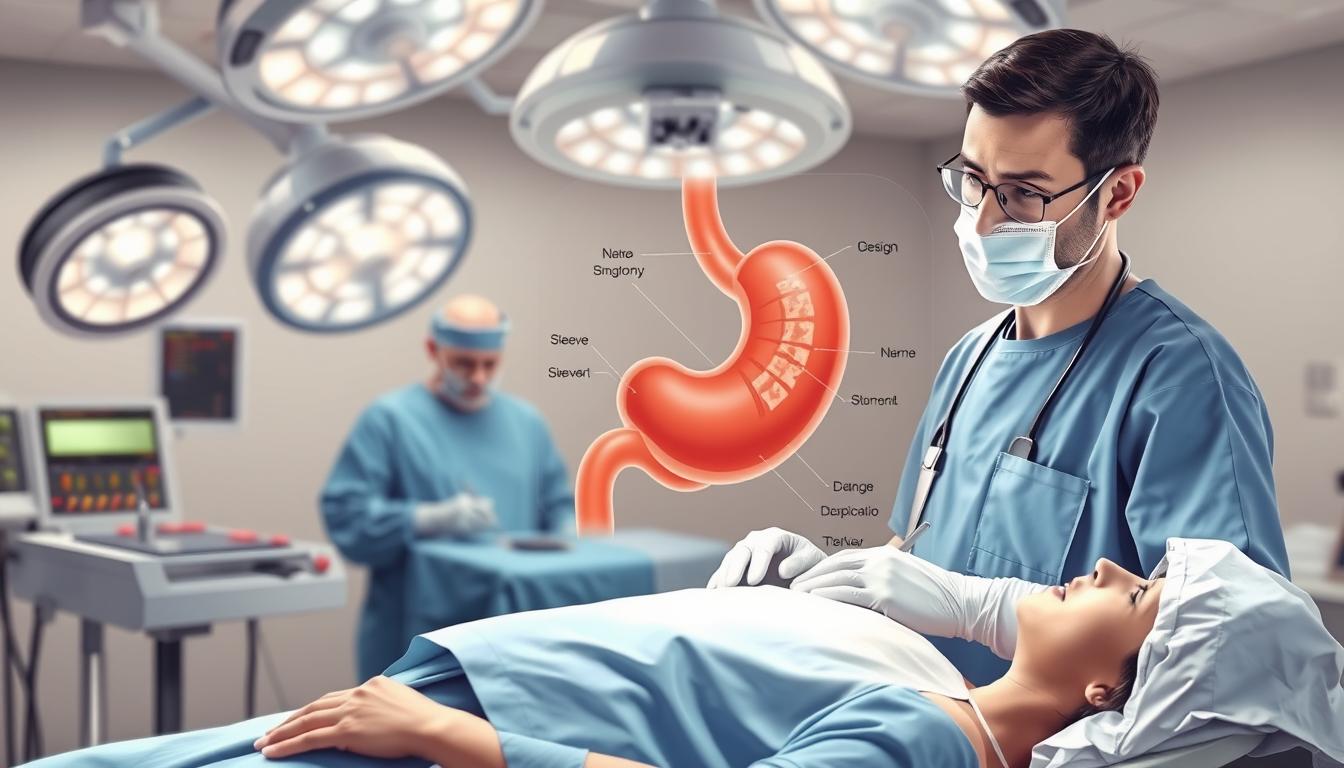
Understanding the gastric sleeve procedure is crucial for potential candidates. The surgery involves removing a significant portion of the stomach, leaving a narrow ‘sleeve’ or tube-like stomach.
Laparoscopic vs. Open Surgery Approaches
Gastric sleeve surgery is typically performed laparoscopically, involving several small incisions through which surgical instruments and a camera are inserted. This approach is preferred due to its minimally invasive nature, leading to quicker recovery times and less scarring. Laparoscopic surgery is not suitable for everyone, and in some cases, an open surgery approach may be necessary.
Step-by-Step Surgical Process
The gastric sleeve procedure involves several key steps:
- The surgeon makes several small incisions in the abdomen.
- A laparoscope is inserted to provide a clear view of the stomach.
- The stomach is divided, and a large portion is removed, leaving a sleeve-like structure.
- The remaining stomach is sealed and stapled in place.
Thelaparoscopic approachminimizes recovery time and reduces the risk of complications.
Duration and Hospital Stay
The gastric sleeve operation typically takes between 60 to 90 minutes to complete. Despite being a major surgery, it is relatively straightforward compared to other bariatric operations. Patients usually stay in the hospital for 1 to 2 days to allow for initial recovery and monitoring. This hospital stay enables healthcare professionals to manage pain, monitor for complications, and ensure the patient is stable before discharge.
Preparing for Your Gastric Sleeve Surgery
As you prepare for your gastric sleeve surgery, it’s essential to understand the steps you need to take to ensure a smooth and successful procedure. We will guide you through the necessary preparations to help you achieve the best possible outcome.
Pre-Surgery Dietary Requirements
Before your gastric sleeve surgery, you’ll be required to follow a specific diet to prepare your body for the operation. Typically, this involves a two-week liquid diet to reduce fat in your abdomen and liver, making the surgery safer. Your surgeon will provide you with detailed guidelines on what to eat and drink during this period. It’s crucial to adhere to these instructions to minimize potential complications.
Medical Evaluations and Tests
Prior to your surgery, you’ll undergo various medical evaluations and tests to ensure you’re a suitable candidate for the procedure. These assessments may include blood tests, imaging studies, and other diagnostic examinations. Our healthcare team will coordinate these tests and inform you of any specific requirements.
What to Expect the Day Before Surgery
The day before your sleeve surgery, you’ll need to stop eating and drinking for 12 hours to ensure your stomach is empty during the procedure. We’ll provide you with detailed information on what to expect and how to prepare, including any necessary paperwork and personal items to bring to the hospital.
Recovery and Aftercare Following Gastric Sleeve Surgery
Following gastric sleeve surgery, a comprehensive recovery plan is necessary to support your weight loss journey and improve overall well-being. We understand that this period is crucial, and with the right care, you can achieve optimal results.
Immediate Post-Operative Care
Immediately after surgery, our healthcare team will closely monitor your condition to ensure a smooth recovery. You will be given specific instructions on post-operative care, including pain management, dietary guidelines, and follow-up appointments. It’s essential to follow these instructions carefully to minimize potential complications.
Recovery Timeline and Milestones
The recovery process varies among individuals, but generally, most patients can resume normal activities within a few weeks. We will outline a recovery timeline, highlighting key milestones and expectations during this period. Your healthcare team will support you every step of the way, ensuring you’re on track to meet your weight loss goals.
Follow-Up Appointments and Support
Regular follow-up appointments with your healthcare team are vital to monitor your progress, address any concerns, and provide ongoing support. These appointments will help us assess your weight loss progress, manage any side effects, and make necessary adjustments to your care plan. We encourage you to ask questions and be open about your experiences to ensure you receive the best possible care over the coming months.
Life After Gastric Sleeve: Diet and Lifestyle Changes
Life after gastric sleeve surgery is a transformative period that necessitates careful attention to diet and physical activity. As patients recover and adjust to their new anatomy, they must also adapt to significant changes in their eating habits and lifestyle.
Post-Surgery Diet Progression
Immediately after surgery, patients are typically on a liquid diet, gradually progressing to pureed foods and then to solid foods over several weeks. We recommend that patients follow a specific dietary plan to ensure proper nutrition and minimize discomfort. Because you won’t be able to eat as much as before, you’ll have to make sure that what you do eat is nutritious enough to sustain your energy needs.
It’s essential to start taking vitamins shortly after surgery and continue them permanently to avoid deficiencies.
Long-Term Dietary Guidelines
In the long term, patients should focus on consuming a balanced diet rich in protein, vitamins, and minerals. It’s crucial to eat small, frequent meals and avoid foods high in sugar and fat. A well-planned diet will help in achieving and maintaining significant weight loss and improving overall health.
Exercise and Physical Activity Recommendations
Regular exercise and physical activity play a vital role in the success of gastric sleeve surgery. Initially, patients should start with gentle activities like walking and gradually increase the intensity and duration as they recover. We recommend a mix of aerobic exercises, strength training, and flexibility exercises to enhance weight loss, improve overall health, and increase life satisfaction.
- Start with low-impact exercises and gradually increase intensity.
- Incorporate a variety of physical activities to maintain interest and motivation.
- Find enjoyable activities that can be sustained long-term.
Potential Risks and Benefits of Gastric Sleeve Surgery
Gastric sleeve surgery, like any other surgical procedure, has its risks and benefits that need to be carefully considered. As with any surgery, there are potential complications that can arise.
Common Complications and Side Effects
Possible complications include pain, bleeding, infection, scarring, and the development of blood clots or hernias. Understanding these risks is crucial for making an informed decision about undergoing gastric sleeve surgery.
Expected Benefits and Outcomes
The benefits of gastric sleeve surgery can be significant, with most patients experiencing substantial weight loss and improvements in health conditions such as type 2 diabetes and high blood pressure. This surgery can lead to an improved quality of life, enhancing mobility and overall well-being. To achieve these benefits, patients must adhere to dietary guidelines and lifestyle changes.
Conclusion: Is Gastric Sleeve Surgery Right for You?
As we conclude our exploration of gastric sleeve surgery, it’s essential to consider whether this weight loss option is suitable for your individual circumstances. Gastric sleeve surgery is a significant life decision that requires careful consideration of both its benefits and risks. Success depends on a lifelong commitment to dietary and lifestyle changes. We encourage you to consult with healthcare professionals for personalized advice. If you’re considering gastric sleeve surgery, contact us to discuss treatment options and pricing details. Gastric sleeve surgery can facilitate significant weight loss when used properly.
FAQ
What is the typical recovery time for Gastric Sleeve Surgery?
We typically advise patients to take 2-4 weeks off work to allow for adequate recovery. However, this timeframe may vary depending on individual circumstances and the nature of their job.
What are the potential complications of Sleeve Gastrectomy?
As with any major surgery, there are risks associated with Sleeve Gastrectomy, including bleeding, infection, and leakage from the staple line. Our experienced surgeons will discuss these risks in detail during your consultation.
How will my diet change after Gastric Sleeve Surgery?
After surgery, we recommend a staged diet plan, progressing from liquids to soft foods and eventually to a balanced, nutrient-rich diet. This helps ensure optimal nutrition and supports your overall weight loss journey.
Can I expect to lose weight quickly after Gastric Sleeve Surgery?
Yes, most patients experience significant weight loss in the first few months following surgery. However, the rate of weight loss varies from person to person, and our team will provide guidance on maintaining a healthy weight loss trajectory.
Will I need to make significant lifestyle changes after Sleeve Gastrectomy?
Yes, to achieve and maintain optimal results, we recommend adopting a healthy lifestyle, including a balanced diet and regular physical activity. Our team will provide support and guidance throughout this process.
How long will I need to stay in the hospital after Gastric Sleeve Surgery?
Typically, patients stay in the hospital for 1-2 days after surgery, allowing our team to monitor their progress and manage any potential complications.
What kind of support can I expect after Gastric Sleeve Surgery?
Our dedicated team provides comprehensive support throughout your journey, including follow-up appointments, dietary guidance, and access to resources to help you navigate any challenges that may arise.


