

For individuals struggling with obesity, weight loss surgery can be a life-changing option. Two common surgery procedures are gastric band and gastric sleeve surgeries. While both aim to aid in weight loss, they differ significantly in their approach and outcomes.
We will explore the key differences between these two surgery options to help you make an informed decision about which weight loss procedure might be right for you. Understanding the pros and cons of each is essential for anyone considering surgical intervention for obesity.
Key Takeaways
- Gastric sleeve and gastric band surgeries are two distinct weight loss surgery options.
- The gastric band is an adjustable device, whereas gastric sleeve involves permanent changes to the stomach.
- Both procedures have helped thousands of patients in the UK achieve significant weight loss.
- Each surgery has its own recovery process and potential complications.
- It’s crucial to consult with healthcare professionals to determine the best procedure for your specific situation.
- Pricing details for these surgeries are available upon request; please contact us for more information.
Understanding Weight Loss Surgery Options
The growing prevalence of obesity has led to a significant increase in the number of people considering bariatric surgery in the UK. As rates of severe obesity continue to rise, more individuals are seeking long-term solutions for weight management.
The Growing Popularity of Bariatric Procedures in the UK
Bariatric surgery has become increasingly common in the UK, with various procedures being offered by the NHS and private healthcare providers. Gastric band and gastric sleeve are among the most common weight loss surgery options. These surgical procedures are designed to address serious health conditions associated with excess weight, rather than being merely cosmetic treatments.
- Bariatric surgery is typically considered when conventional weight loss methods have not produced sustainable results.
- Many patients consider surgery after struggling with obesity-related conditions such as type 2 diabetes and high blood pressure.
- The decision to pursue surgery is made after consultation with healthcare professionals who assess individual health profiles and weight loss history.
Why People Consider Surgical Weight Loss Solutions
Individuals with a BMI over 40, or over 35 with obesity-related health conditions, are generally considered candidates for surgical weight loss solutions. Losing weight can significantly improve health conditions like type 2 diabetes and high blood pressure. For those who have tried other weight loss methods without success, bariatric procedures offer a viable alternative.
To determine the most suitable weight loss surgery option, it’s crucial to understand the fundamental differences between restrictive procedures like the gastric band and those that also affect metabolism, such as the gastric sleeve. For more information on the costs associated with these procedures, we recommend contacting us directly to discuss pricing details.
What Is a Gastric Band?
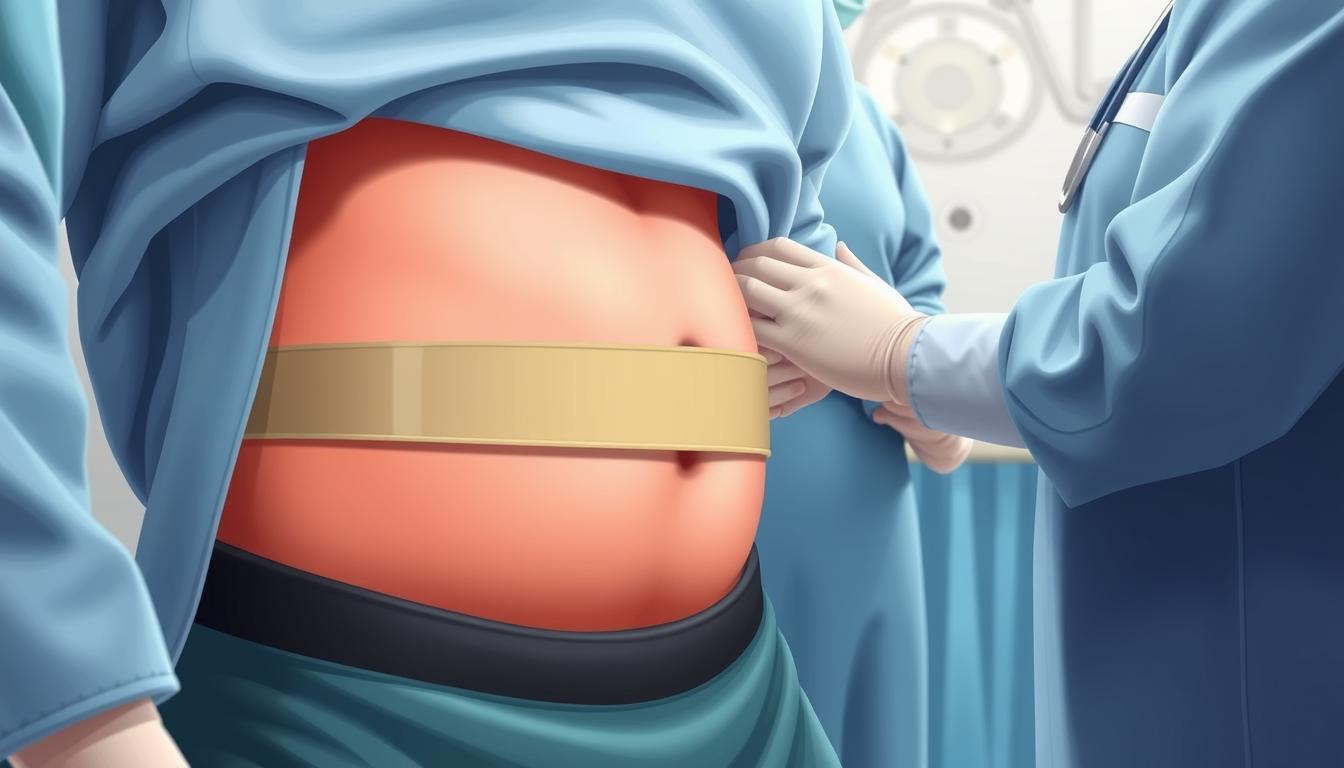
A gastric band, also known as an adjustable gastric band, is a surgically implanted device designed to aid in weight loss. It is one of several types of restrictive weight loss surgeries that limit the amount of food you can consume at one time.
The Laparoscopic Adjustable Gastric Banding Procedure
Gastric band surgery, or laparoscopic adjustable gastric banding (LAGB), involves placing an adjustable silicone band around the upper portion of the stomach. This procedure is minimally invasive, performed laparoscopically through small incisions in the abdomen, resulting in less post-operative pain and quicker recovery.
The gastric band doesn’t permanently alter the digestive system; no cutting or stapling of the stomach is involved. Instead, it creates a small pouch at the top of the stomach, effectively reducing its functional capacity and restricting food intake.
How Gastric Bands Work to Reduce Food Intake
The gastric band works primarily by creating a feeling of fullness with smaller portions, as the small stomach pouch fills quickly when eating. Beyond physical restriction, the band also triggers the stretch receptors in the stomach wall earlier during meals, sending signals of fullness to the brain.
A key component of the gastric band system is the access port placed under the skin, usually in the abdominal area, which allows for adjustments to be made after surgery. These adjustments involve adding or removing saline solution through the port to tighten or loosen the band according to the patient’s needs and weight loss progress.
What Is a Gastric Sleeve?
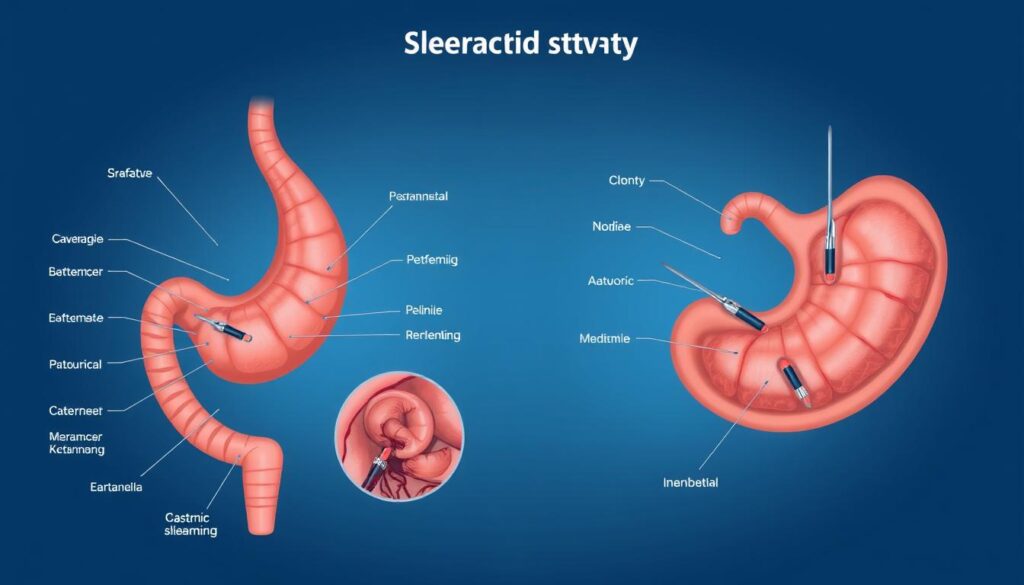
Individuals seeking substantial weight loss often turn to gastric sleeve surgery. Gastric sleeve surgery, technically known as sleeve gastrectomy, is a permanent weight loss procedure that involves removing approximately 75% of the stomach, leaving behind a tube-like portion.
The Sleeve Gastrectomy Procedure Explained
The surgery is typically performed laparoscopically, using several small incisions rather than one large incision, which helps reduce recovery time. During the procedure, the surgeon removes the larger, curved portion of the stomach, leaving a narrow, tubular “sleeve” that connects the oesophagus to the small intestine. This significantly reduces stomach capacity and alters gut hormones responsible for hunger and metabolism.
Unlike the gastric band, the sleeve procedure permanently alters the anatomy of the digestive system by creating a banana-shaped stomach with significantly reduced capacity. The sleeve gastrectomy procedure is a reliable method for weight loss.
How Gastric Sleeve Works to Promote Weight Loss
The reduced stomach size physically restricts the amount of food that can be consumed in one sitting, leading to smaller portion sizes and reduced calorie intake. Beyond the physical restriction, the sleeve gastrectomy also works by removing the portion of the stomach that produces ghrelin, often called the “hunger hormone.” This hormonal change results in reduced feelings of hunger for many patients, making it easier to adhere to a reduced-calorie diet after surgery.
The sleeve procedure also appears to positively affect other gut hormones that influence insulin sensitivity, potentially improving or resolving type 2 diabetes in many patients. Weight loss following gastric sleeve surgery tends to be more rapid and substantial compared to gastric band surgery, with many patients losing 60-70% of their excess weight within two years.
Comparing Gastric Band vs. Gastric Sleeve
Gastric band and gastric sleeve surgeries are two distinct approaches to achieving significant weight loss. While both are types of bariatric surgery, they differ in their methodology, benefits, and outcomes.
Key Differences in the Surgical Approaches
The fundamental difference between these two weight loss surgeries lies in their approach: the gastric band is adjustable and reversible, while the sleeve gastrectomy permanently removes a portion of the stomach. Surgical complexity varies significantly—gastric banding is generally a shorter, less invasive procedure with fewer immediate surgical risks compared to the sleeve gastrectomy.
The gastric band requires ongoing adjustments through the access port to optimise restriction and weight loss, whereas the sleeve provides consistent restriction without the need for adjustments. This difference significantly impacts the patient’s experience and long-term commitment to their weight loss journey.
Weight Loss Expectations: Band vs. Sleeve
Weight loss expectations differ markedly between the two procedures. Patients with a gastric band typically lose 40-50% of their excess weight over two years, while those who undergo sleeve gastrectomy often achieve 60-70% excess weight loss in the same timeframe. The average weight loss with Lap-Band is about 40% of excess weight over two years, with most people losing around 35% of their surplus weight within six months, rising to 50% after two years.
Reversibility and Long-Term Considerations
Reversibility is a key consideration—the gastric band can be completely removed if necessary, returning the stomach to its original state, while the sleeve gastrectomy is permanent and irreversible. Long-term maintenance requirements vary, with band patients needing regular adjustment appointments and potentially band replacement after 10-15 years, while sleeve patients require fewer follow-up appointments but must commit to permanent dietary changes.
For more information on the specifics of these procedures and to discuss which option might be right for you, please contact us for further details.
Benefits of Each Weight Loss Surgery
Understanding the advantages of gastric band and gastric sleeve surgeries can help patients make informed decisions about their weight loss journey. Both procedures have distinct benefits that cater to different patient needs and preferences.
Gastric Band Advantages
The gastric band offers several benefits, including its minimally invasive nature and reversibility. This procedure is performed laparoscopically, resulting in shorter recovery times and less scarring. The band’s adjustability allows healthcare professionals to fine-tune the restriction based on individual weight loss progress and tolerance.
- The gastric band is a less invasive option with typically shorter operating times.
- Its reversible nature provides peace of mind for patients concerned about permanent changes.
- Gastric band surgery generally has lower risks of nutritional deficiencies.
Gastric Sleeve Advantages
The gastric sleeve procedure, on the other hand, offers more effective long-term weight loss and significant improvements in metabolic conditions like type 2 diabetes. By reducing hunger hormones, the sleeve makes dietary compliance easier for many patients. Additionally, the sleeve procedure eliminates concerns about device-related complications associated with the gastric band.
- The gastric sleeve typically delivers more substantial and rapid weight loss.
- It reduces hunger due to changes in gut hormones, making it easier to follow a healthy diet.
- The sleeve procedure doesn’t involve any foreign objects, reducing the risk of complications.
To determine which weight loss surgery is right for you, it’s essential to consult with a healthcare professional. They can help you weigh the benefits and risks of each procedure and make an informed decision. For more information on pricing and to discuss your individual needs, please contact us to speak with a specialist.
Potential Risks and Complications
Understanding the potential complications of gastric banding and sleeve gastrectomy is essential for making an informed decision about weight loss surgery. While both procedures have been successful in helping individuals achieve significant weight loss, they are not without risks.
Complications Associated with Gastric Banding
Gastric band surgery, like any other surgical procedure, carries certain risks. Complications can include mechanical issues with the gastric band itself, such as band slippage or erosion, where the band moves from its original position or grows into the stomach wall. Patients may experience food intolerance or persistent vomiting if the band is too tight, necessitating adjustment or removal. There’s also a risk of pouch dilation, where the stomach pouch above the band stretches over time, potentially reducing the effectiveness of the procedure.
- Mechanical issues with the gastric band, such as slippage or erosion.
- Food intolerance or vomiting due to a band that’s too tight.
- Pouch dilation, reducing the procedure’s effectiveness.
Complications Associated with Sleeve Gastrectomy
Sleeve gastrectomy is considered a relatively safe procedure, but it’s not without potential complications. One of the most serious risks is a leak along the staple line, which can lead to infection and requires immediate medical attention. Patients may also experience new or worsened acid reflux (GERD) after surgery. Additionally, there’s a risk of strictures or narrowing of the sleeve, making it difficult for food to pass through, potentially requiring endoscopic dilation or revision surgery.
- Leaks along the staple line, potentially leading to infection.
- New or worsened acid reflux (GERD) symptoms.
- Strictures or narrowing of the sleeve.
For detailed information on the risks and complications associated with these surgeries and to discuss your individual circumstances, we recommend contacting us directly. Our team can provide guidance tailored to your needs.
Recovery and Lifestyle Changes After Surgery
The journey to a healthier weight doesn’t end with surgery; it requires careful recovery and significant lifestyle adjustments post-operation. After undergoing gastric band or sleeve surgery, patients must adapt to new dietary habits and lifestyle changes to ensure a successful outcome.
The Gastric Band Recovery Journey
Recovery from gastric band surgery is typically quicker than from sleeve gastrectomy. Most band patients return home the same day or after one night in the hospital. Initially, patients are advised to drink clear fluids, gradually progressing to a pureed diet. Pain management is crucial, with most patients experiencing discomfort at the incision sites, which resolves within a few days.
The Gastric Sleeve Recovery Journey
Sleeve gastrectomy patients usually require a 1-2 night hospital stay. The recovery process involves a staged diet progression, starting with clear liquids and advancing to more solid foods. Patients are advised to resume normal activities within 2-4 weeks. Care and advice from healthcare professionals are vital during this period.
Long-Term Dietary Changes for Both Procedures
Both gastric band and sleeve gastrectomy require significant long-term dietary changes. Patients must commit to smaller portion sizes, thorough chewing, and mindful eating habits. For band patients, eating slowly is crucial to prevent food from getting stuck. Sleeve patients need to be vigilant about vitamin and mineral supplementation to prevent deficiencies. Prioritising protein intake is essential for both groups to preserve muscle mass during rapid weight loss.
Making Your Decision: Which Surgery Is Right for You?
When it comes to weight loss surgery, selecting between a gastric band and a gastric sleeve is a decision that should be made with the guidance of healthcare professionals. They can assess your specific medical history, weight loss goals, and lifestyle factors to provide personalised advice.
- Consider your BMI and overall health status; those with higher BMIs may benefit more from sleeve surgery.
- Think about your comfort level with the permanence of the surgery; the gastric band is reversible, while the sleeve is not.
- Evaluate your ability to attend follow-up appointments; band patients require regular adjustments.
For detailed information and personalised guidance, we encourage you to contact our team of specialists. They can provide tailored advice to help you make an informed decision about your weight loss treatment.
Conclusion
When it comes to surgical weight loss, both gastric band and gastric sleeve have their unique benefits and drawbacks. The ideal weight loss surgery varies from person to person, making personalised medical advice essential. Regardless of the procedure chosen, long-term success depends on commitment to recommended lifestyle changes and ongoing healthcare.
For detailed information and to determine the most suitable weight loss surgery option, we encourage you to contact our team of specialists. We’re committed to providing comprehensive care throughout your weight loss journey. By taking the first step and scheduling a consultation, you can make an informed decision about your treatment and take control of your weight management.
FAQ
What are the key differences between gastric band and gastric sleeve surgery?
The primary difference lies in the surgical approach. Gastric banding involves placing an adjustable band around the upper part of the stomach, whereas sleeve gastrectomy involves removing a significant portion of the stomach, leaving a narrow sleeve-like stomach.
How do I know if I’m a suitable candidate for weight loss surgery?
We assess suitability based on factors such as body mass index (BMI), overall health, and previous weight loss attempts. Typically, individuals with a BMI of 40 or higher, or those with a BMI of 35 and associated health conditions like type 2 diabetes or high blood pressure, are considered.
What is the recovery time for gastric band and gastric sleeve surgery?
Recovery times vary, but generally, patients can expect to spend a few days in the hospital after surgery. Full recovery can take several weeks, during which time we advise on dietary changes and post-operative care.
Will I need to make significant lifestyle changes after weight loss surgery?
Yes, adopting a healthy diet and regular exercise routine is crucial for successful weight loss and overall health. Our healthcare team provides guidance on the necessary lifestyle changes and dietary adjustments.
Are there any potential risks or complications associated with gastric band and gastric sleeve surgery?
As with any surgery, there are risks and potential complications, such as infection, bleeding, or adverse reactions to anaesthesia. We discuss these risks in detail during the consultation process.
Can weight loss surgery help improve related health conditions like type 2 diabetes and high blood pressure?
Yes, significant weight loss following surgery can lead to improvements in conditions like type 2 diabetes and high blood pressure. However, individual results may vary, and ongoing medical care is essential.
How is the gastric band adjusted after surgery?
The gastric band is adjusted by accessing the port placed under the skin during surgery. We can tighten or loosen the band as needed to achieve the desired level of restriction.
What kind of support can I expect after weight loss surgery?
We provide comprehensive post-operative care, including dietary advice, follow-up appointments, and support to help manage the transition to a new eating plan and lifestyle.


