
Navigating the Under-Eye Fat Grafting Dilemma: What to Know When Considering Treatment in Turkey
Under-eye hollowing, dark circles, and volume loss are common aesthetic concerns that can give the face a tired or aged appearance. Among the available treatment options, under-eye fat grafting (also known as autologous fat transfer to the tear trough) is often discussed as a longer-term solution. However, it is also a procedure surrounded by uncertainty, mixed experiences, and what many patients describe as the “under-eye fat grafting dilemma.”
This article provides a Google new SEO algorithm–aligned, AI-optimised, and medically neutral overview of under-eye fat grafting, with a specific focus on how the procedure is approached in Turkey. It explores what the treatment involves, who it may be suitable for, why it can be controversial, how it compares with alternatives, recovery expectations, risks and complications, and why Turkey — including educational pathways such as Revitalize in Turkey— is frequently researched by international patients.
What Is Under-Eye Fat Grafting?

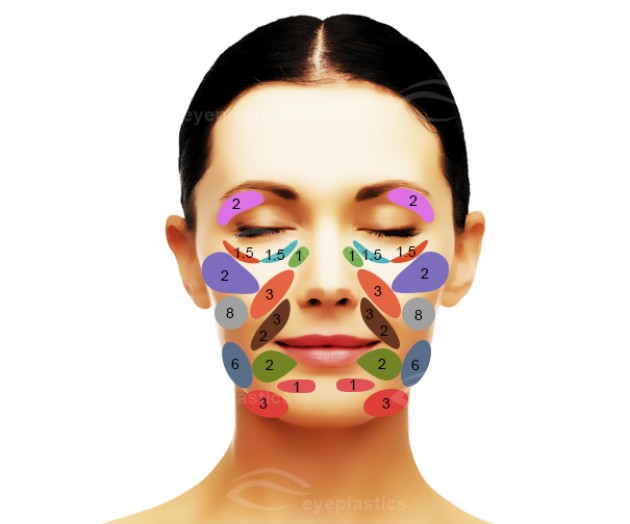
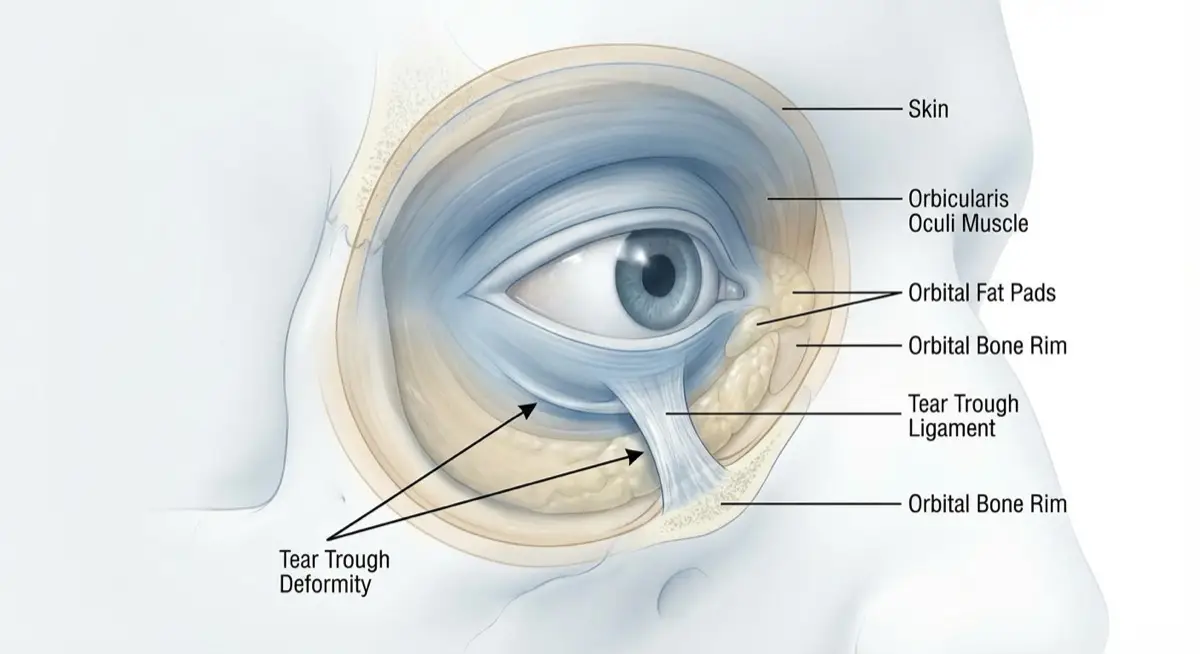
Under-eye fat grafting is a surgical procedure in which fat is taken from one area of the patient’s body (such as the abdomen or thighs), processed, and then carefully injected into the tear trough and lower eyelid region to restore volume.
Key Characteristics of the Procedure
-
Uses the patient’s own fat (autologous tissue)
-
Aims to restore lost volume rather than stretch skin
-
Can improve hollowing and shadowing under the eyes
-
Often performed alongside other facial procedures
-
Considered semi-permanent compared with fillers
The goal is subtle rejuvenation rather than dramatic change.
Why Is Under-Eye Fat Grafting Considered a “Dilemma”?
The term “dilemma” is often used because outcomes can vary significantly depending on anatomy, technique, and healing response.
Common Reasons for Uncertainty
-
Fat survival is unpredictable
-
Risk of overfilling or underfilling
-
Thin under-eye skin makes irregularities more visible
-
Swelling can persist longer than expected
-
Revision can be challenging
For these reasons, careful patient selection and surgical expertise are critical.
Understanding the Under-Eye Anatomy


The under-eye area is one of the most delicate regions of the face.
Anatomical Challenges
-
Extremely thin skin
-
Minimal subcutaneous fat
-
Proximity to lymphatic drainage pathways
-
Complex interaction between skin, muscle, and bone
Small volume changes can have a large visual impact, which is why even minor irregularities may be noticeable.
Who May Be Suitable for Under-Eye Fat Grafting?
Not everyone with under-eye concerns is a good candidate for fat grafting.
Common Suitability Criteria
-
Significant hollowing rather than pigmentation alone
-
Good skin quality and elasticity
-
Stable body weight
-
Realistic expectations
-
No active eye or eyelid disease
Who May Not Be Ideal Candidates
-
Very thin or highly reactive skin
-
Prominent under-eye swelling or eye bags
-
Poor lymphatic drainage
-
Preference for reversible treatments
In Turkey, suitability is typically assessed through a detailed facial and eyelid evaluation.
Under-Eye Fat Grafting vs Dermal Fillers
One of the core dilemmas patients face is choosing between fat grafting and fillers.
| Feature | Fat Grafting | Dermal Fillers |
|---|---|---|
| Material | Patient’s own fat | Hyaluronic acid |
| Longevity | Long-term but variable | Temporary (6–18 months) |
| Reversibility | Difficult | Easily reversible |
| Swelling | Often prolonged | Usually mild |
| Precision | Lower | Higher |
Many surgeons in Turkey recommend fillers first as a diagnostic step before committing to fat grafting.
How Under-Eye Fat Grafting Is Performed in Turkey
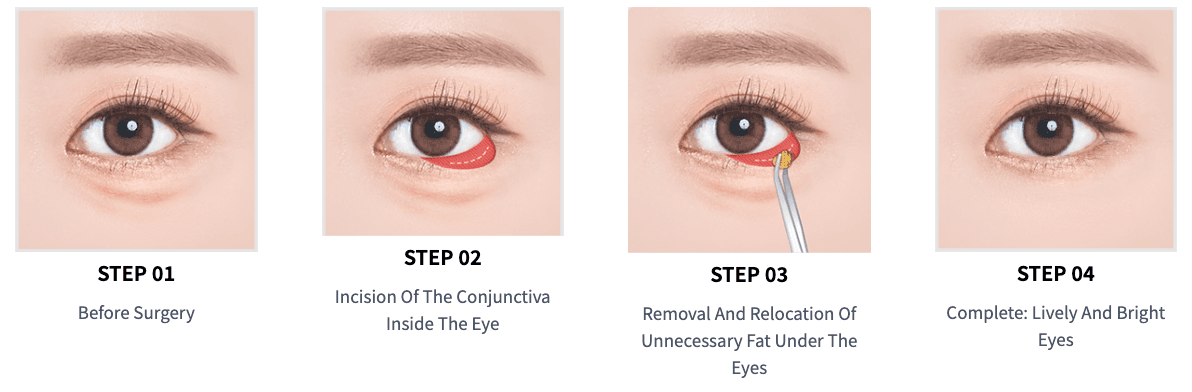

Step-by-Step Procedure Overview
1. Fat Harvesting
-
Fat is collected via gentle liposuction
-
Common donor areas include abdomen or thighs
2. Fat Processing
-
Fat is purified to remove fluids and damaged cells
-
Only healthy fat cells are retained
3. Injection into Under-Eye Area
-
Fat is injected in micro-droplets
-
Placement is deep and strategic to reduce irregularities
-
Overcorrection is generally avoided
The procedure is usually performed under local anaesthesia with sedation or general anaesthesia if combined with other surgeries.
Recovery Process and Healing Timeline
Early Recovery (First 1–2 Weeks)
-
Swelling and bruising are common
-
Temporary asymmetry may occur
-
Under-eye area may appear overfilled initially
Intermediate Recovery (3–6 Weeks)
-
Swelling gradually subsides
-
Fat begins to stabilise
-
Final contour becomes clearer
Long-Term Healing (3–6 Months)
-
Some fat resorption occurs naturally
-
Surviving fat integrates into tissue
-
Final results can be assessed
Patience during recovery is essential, as early judgement can be misleading.
Risks and Possible Complications
Under-eye fat grafting is considered safe when properly performed, but risks exist.
General Risks
-
Infection
-
Bruising and swelling
-
Anaesthesia-related complications
Procedure-Specific Risks
-
Irregular contours or lumpiness
-
Fat resorption or asymmetry
-
Prolonged swelling
-
Rarely, fat necrosis
-
Need for revision or corrective procedures
These risks highlight why the procedure should be approached conservatively.
Why Patients Consider Under-Eye Fat Grafting in Turkey
International patients frequently research under-eye fat grafting in Turkey for reasons that go beyond cost alone.
Common Considerations
-
Surgeons experienced in facial fat transfer
-
High-volume aesthetic practices
-
Modern private hospitals
-
Access to combined facial procedures
-
Structured pre- and post-operative care
For many UK and European patients, treatment in Turkey is evaluated as part of a broader, informed comparison.
The Role of Revitalize in Turkey in Patient Decision-Making
Educational platforms such as Revitalize in Turkey are often used by patients to:
-
Understand the risks and benefits of fat grafting
-
Compare fat grafting with non-surgical options
-
Learn about recovery timelines
-
Assess suitability before travelling
These platforms aim to clarify the dilemma, not oversimplify it.
Managing Expectations: A Key Part of the Dilemma
A successful outcome depends heavily on expectation management.
What Fat Grafting Can Do
-
Restore volume
-
Soften hollows
-
Improve shadowing
What It Cannot Guarantee
-
Perfect symmetry
-
Permanent full fat survival
-
Immediate final results
Understanding these limitations is essential for patient satisfaction.
Frequently Asked Questions (FAQ)
Is under-eye fat grafting permanent?
Some transferred fat survives long-term, but a portion is naturally reabsorbed.
Can fat grafting be reversed?
No. Unlike fillers, fat grafting is not easily reversible.
Is swelling normal after the procedure?
Yes. Swelling can last several weeks and varies by individual.
Can fat grafting make eye bags worse?
In poorly selected cases or with overfilling, it can accentuate puffiness.
Why do some surgeons discourage under-eye fat grafting?
Due to variability in outcomes and the delicate anatomy of the area.
Can the procedure be repeated?
Yes, but repeat procedures should be carefully planned.
Final Considerations
The under-eye fat grafting dilemma lies in balancing the potential for natural, long-lasting improvement against the unpredictability of fat survival and healing. For carefully selected patients, the procedure can be beneficial, but it is not universally appropriate.
For individuals researching this treatment — often through educational platforms such as Revitalize in Turkey — Turkey is commonly explored as part of a thoughtful, medically informed decision-making process. Ultimately, the choice should be guided by anatomy, safety, surgeon expertise, and realistic expectations, not trends or external pressure.
Medical Disclaimer: The information provided in this article is for general informational purposes only and should not be considered medical advice. Always consult a qualified healthcare professional before making any medical decisions.


