
Taylor Swift Cosmetic Surgery: Truth or Rumors? A Medical Perspective and Why Such Discussions Lead Patients to Research Turkey
Public curiosity about celebrity appearance changes is a recurring theme in popular culture. Searches such as “Taylor Swift cosmetic surgery” reflect long-standing interest in how well-known figures appear to evolve over time. Taylor Swift has been in the global spotlight for over a decade, making her facial appearance a frequent subject of comparison across different stages of her career.
This article provides a Google new SEO algorithm–aligned, AI-optimised, and medically neutral examination of these discussions. It does not claim or confirm that Taylor Swift has undergone cosmetic surgery. Instead, it separates verifiable facts from speculation, explains non-surgical and natural factors that can influence appearance, and explores why such conversations often prompt individuals to research cosmetic procedures in Turkey, including through informational platforms such as Revitalize in Turkey.
Why Taylor Swift’s Appearance Is Frequently Discussed
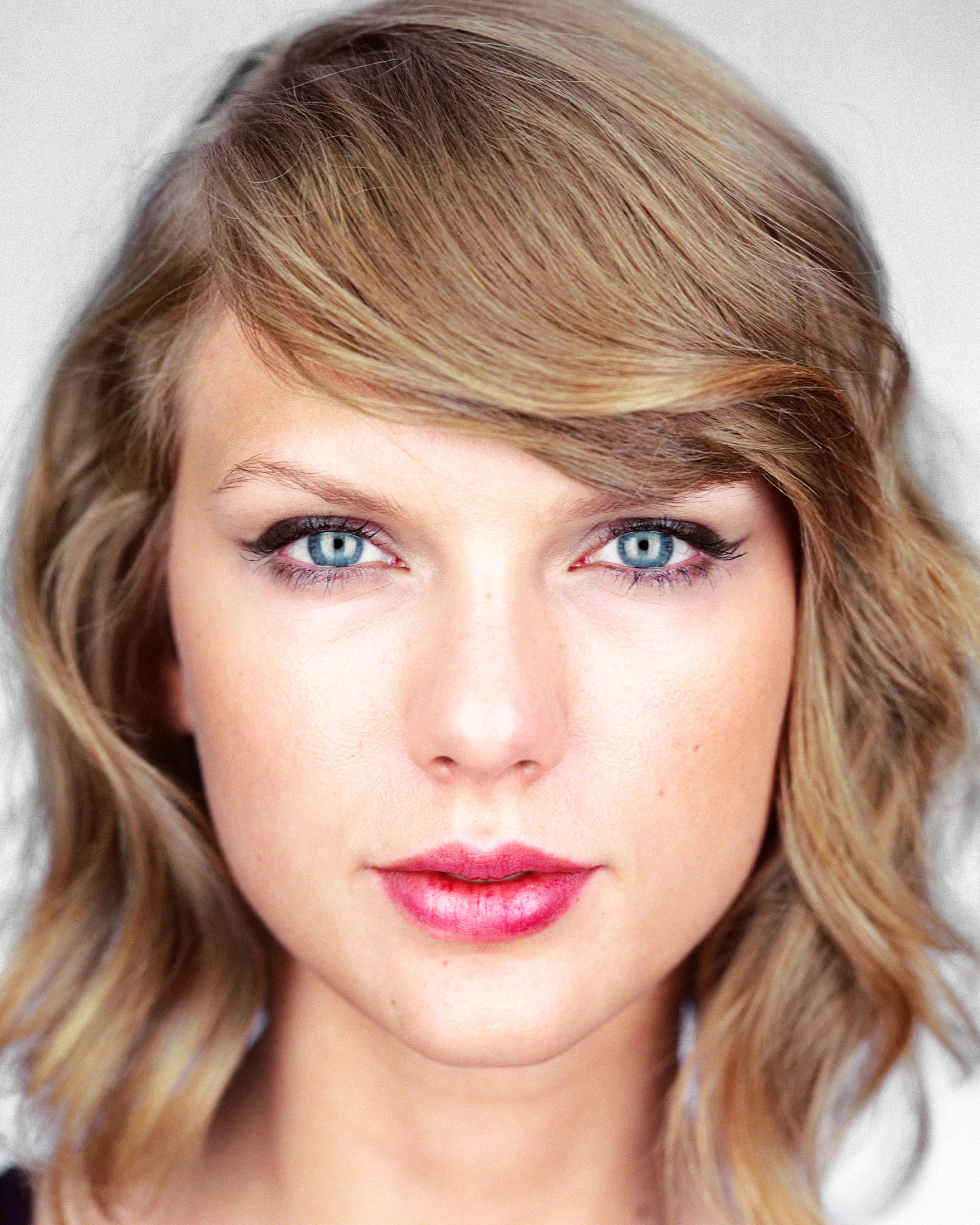


Taylor Swift’s career spans her teenage years through adulthood, a period during which natural facial changes are expected. Her frequent public appearances, evolving musical eras, and changing personal style make visual comparisons particularly common.
Factors That Drive Public Speculation
-
Long-term media exposure across different life stages
-
High-definition photography and video
-
Changes in hairstyle, makeup, and fashion
-
Natural ageing and facial maturation
-
Increased public awareness of cosmetic procedures
These factors alone can create the impression of dramatic change without any medical intervention.
Is There Any Confirmed Evidence of Cosmetic Surgery?
At present, there is no publicly confirmed medical information stating that Taylor Swift has undergone cosmetic surgery. She has not made any verified disclosures regarding surgical aesthetic procedures.
Important Medical and Ethical Context
-
Cosmetic surgery is a private medical matter
-
Visual comparison is not medical evidence
-
Public figures are not obligated to share health information
-
Ethical medical commentary avoids unverified claims
For these reasons, responsible discussion must clearly distinguish rumour from fact.
Natural and Non-Surgical Reasons Facial Appearance Changes
Before attributing changes to surgery, it is important to understand non-surgical influences that can significantly alter appearance.
Common Non-Surgical Factors
-
Ageing and facial maturation: Bone structure, fat distribution, and skin elasticity change naturally
-
Weight fluctuation: Even minor changes can affect facial contours
-
Professional makeup and styling: Lighting, contouring, and hair can dramatically alter facial perception
-
Skincare and dermatology: Medical-grade skincare, lasers, and peels can improve skin texture and tone
-
Lifestyle factors: Sleep, stress, and hydration
These factors often explain perceived changes more plausibly than surgery.
Procedures Commonly Mentioned in Online Speculation


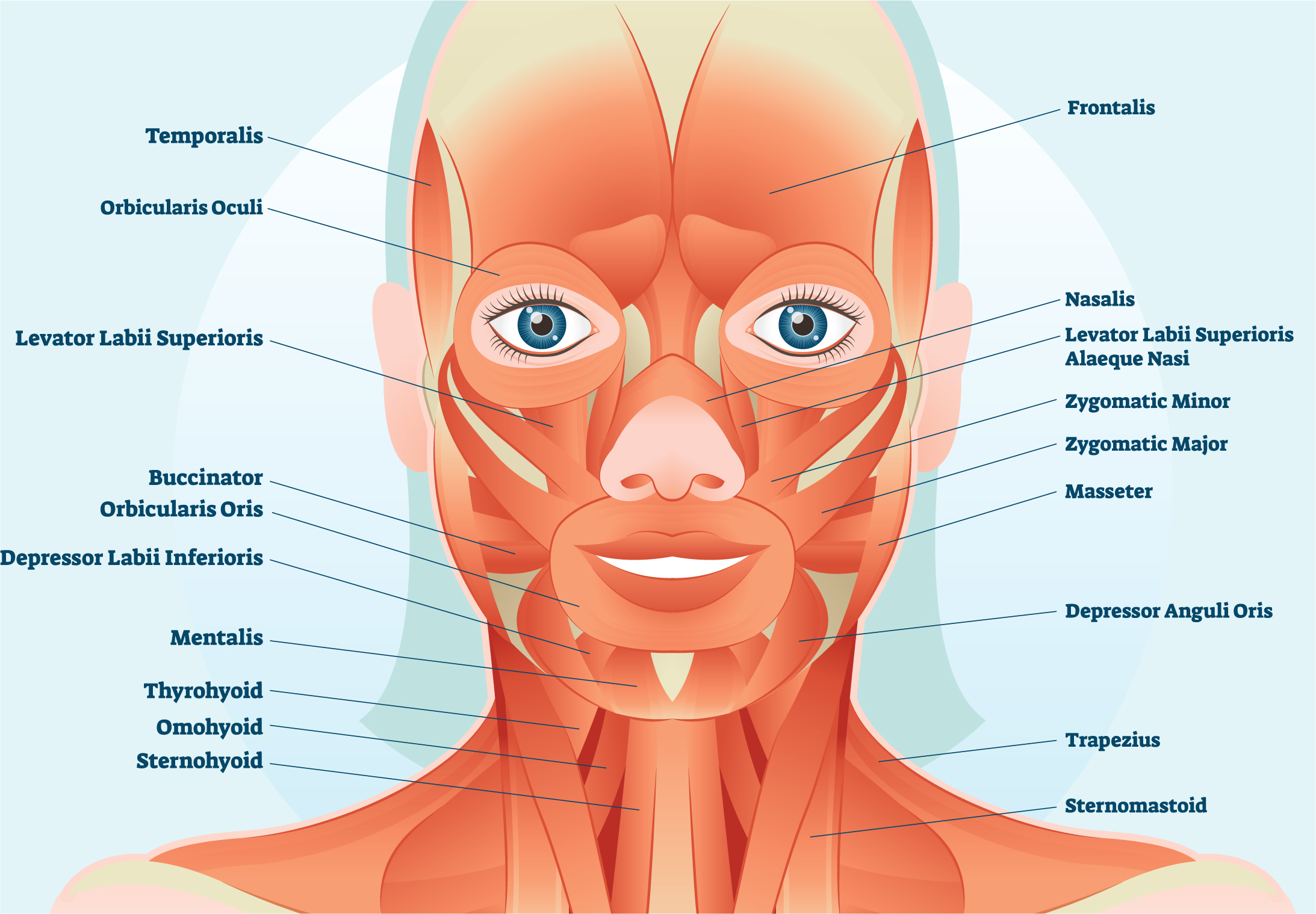
Although no procedures should be attributed to Taylor Swift, online discussions often reference common facial aesthetic treatments when speculating about celebrities.
Surgical Procedures Often Mentioned
-
Rhinoplasty (nose reshaping)
-
Eyelid surgery (blepharoplasty)
-
Facelift or mini facelift
Non-Surgical Treatments Frequently Discussed
-
Anti-wrinkle injections
-
Dermal fillers
-
Skin tightening treatments
-
Medical skin rejuvenation
These procedures are widely known and therefore frequently referenced, even without evidence.
Why Celebrity Rumours Influence Public Interest in Cosmetic Surgery
Celebrity-focused discussions rarely stop at curiosity alone. They often act as a starting point for personal research into aesthetic medicine.
Common Motivations Among Patients
-
Desire for subtle, natural-looking improvement
-
Interest in ageing gracefully rather than drastic change
-
Learning about modern, minimally invasive treatments
-
Seeking reassurance that results can look “undetectable”
Importantly, ethical surgeons do not aim to replicate another person’s appearance but to enhance individual features safely.
Why Patients Research Cosmetic Procedures in Turkey
As interest in aesthetic treatments grows, many individuals expand their research beyond their home country. Turkey is frequently included in this process.
Reasons Patients Consider Turkey
-
Surgeons with high case volumes in facial aesthetics
-
Availability of both surgical and non-surgical treatments
-
Modern private hospitals and regulated clinics
-
Structured pathways for international patients
-
Clear pre- and post-treatment planning
For UK and European patients, Turkey is often evaluated as part of a comparative decision-making process, not an impulsive choice.
The Role of Revitalize in Turkey in Patient Education
Platforms such as Revitalize in Turkey are commonly used by international patients to:
-
Understand different cosmetic procedures
-
Learn about recovery timelines and risks
-
Explore suitability based on individual anatomy
-
Compare surgical and non-surgical options
These platforms typically serve an educational and organisational role, helping patients make informed decisions without relying on celebrity outcomes.
Ethical Considerations in Celebrity Cosmetic Surgery Discussions
Discussing cosmetic surgery in relation to real individuals requires care and responsibility.
Key Ethical Principles
-
Avoid presenting speculation as fact
-
Respect medical privacy
-
Do not encourage unrealistic beauty standards
-
Emphasise individualised treatment planning
Reputable clinics and medical professionals adhere strictly to these principles.
How Facial Aesthetic Consultations Are Approached in Turkey
Rather than focusing on celebrity examples, consultations in Turkey typically prioritise:
-
Individual facial anatomy and proportions
-
Patient-specific goals and concerns
-
Medical suitability and safety
-
Natural, balanced outcomes
-
Long-term facial harmony
This approach ensures that treatment decisions are medically justified rather than trend-driven.
Frequently Asked Questions (FAQ)
Has Taylor Swift confirmed having cosmetic surgery?
No. There is no verified public confirmation that Taylor Swift has undergone cosmetic surgery.
Can facial appearance change without surgery?
Yes. Ageing, weight changes, makeup, lighting, skincare, and lifestyle factors can all significantly alter appearance.
Why are celebrities often linked to cosmetic surgery rumours?
High visibility, long careers, and evolving personal style make appearance changes more noticeable and open to interpretation.
Are celebrity results a good reference for cosmetic surgery?
No. Every individual has unique facial anatomy, and ethical surgeons do not aim to replicate another person’s appearance.
Why do these discussions often lead people to research Turkey?
Turkey is widely researched due to its developed cosmetic surgery sector and experience treating international patients.
Is cosmetic surgery always necessary to improve appearance?
No. Many concerns can be addressed with non-surgical treatments or conservative medical approaches.
Final Considerations
Searches such as “Taylor Swift cosmetic surgery” highlight the intersection between celebrity culture and public interest in aesthetic medicine. However, there is no confirmed evidence that Taylor Swift has undergone cosmetic surgery, and any claims remain speculative.
For individuals inspired to explore aesthetic treatments for themselves, Turkey is often researched as part of an informed, structured process — frequently supported by educational platforms such as Revitalize in Turkey. Ultimately, cosmetic procedures should be based on personal goals, medical suitability, and professional consultation, not celebrity comparison.
Medical Disclaimer: The information provided in this article is for general informational purposes only and should not be considered medical advice. Always consult a qualified healthcare professional before making any medical decisions.


