
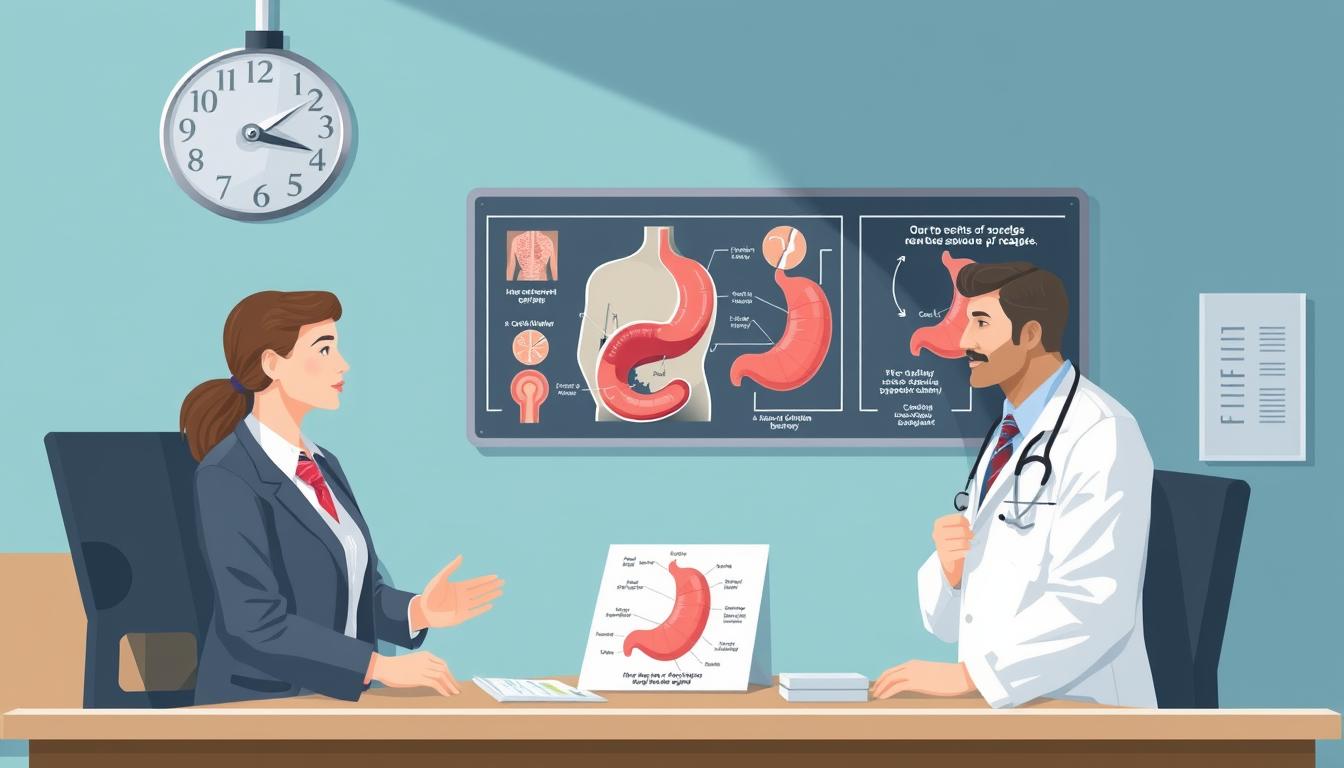
For individuals struggling with obesity, weight loss can seem like an insurmountable challenge. However, with advancements in medical technology, procedures like sleeve gastrectomy have become a viable option for those seeking a healthier life.
A gastric sleeve procedure involves removing a significant portion of the stomach, resulting in a smaller, sleeve-shaped stomach. This restrictive procedure helps individuals feel full sooner, leading to reduced food intake and subsequent weight loss.
By decreasing the stomach’s capacity and reducing hunger hormone production, sleeve gastrectomy not only aids in weight loss but also improves various obesity-related health conditions, such as type 2 diabetes and hypertension, ultimately enhancing overall health.
Key Takeaways
- Effective weight loss through a restrictive surgical procedure.
- Significant reduction in stomach capacity.
- Decreased hunger hormone production.
- Improvement in obesity-related health conditions.
- Enhanced overall health and quality of life.
- For personalised advice and pricing information, please contact our team directly.
Understanding Sleeve Gastrectomy
Sleeve gastrectomy has emerged as a popular bariatric procedure, helping individuals achieve substantial weight loss. This surgical operation involves modifying the stomach to limit food intake, thereby aiding in weight reduction.
What Is a Sleeve Gastrectomy?
A sleeve gastrectomy is a restrictive weight loss operation that involves removing approximately 70-85% of the stomach, leaving a banana-shaped “sleeve” or tube. This procedure works in two primary ways: by limiting the amount of food the stomach can hold and by reducing levels of ghrelin (the hunger hormone), which helps patients feel less hungry.
How Sleeve Gastrectomy Differs from Other Bariatric Procedures
Unlike other bariatric surgery procedures such as gastric bypass and gastric banding, sleeve gastrectomy involves the removal of a significant portion of the stomach, resulting in a gastric sleeve. This operation is notable because it does not reroute the digestive tract, thus avoiding potential malabsorption issues associated with some other weight loss surgeries. Furthermore, it’s a permanent procedure and is not reversible like some other options.
The Benefits of Sleeve Gastrectomy
For many, sleeve gastrectomy is a life-changing procedure that brings significant health benefits. This surgical intervention is not just about weight loss; it’s about improving overall health and enhancing the quality of life.
Weight Loss Expectations
Patients undergoing sleeve gastrectomy can expect to lose a significant portion of their excess weight, typically ranging from 50-70% over the first two years following the surgery. Rapid weight loss usually occurs in the initial 3-6 months, with a continued steady weight reduction for up to 18-24 months post-surgery. The rate and extent of weight loss can vary based on individual factors such as starting BMI, adherence to dietary guidelines, and incorporation of regular physical activity.
Health Improvements Beyond Weight Loss
Beyond significant weight loss, sleeve gastrectomy is associated with numerous health improvements. Research has shown that bariatric surgery, including sleeve gastrectomy, can lead to the improvement or resolution of conditions such as type 2 diabetes, high blood pressure, sleep apnoea, and joint pain. A meta-analysis published in The Lancet in 2021 found that bariatric surgery was associated with a 59% and 30% reduction in all-cause mortality among obese adults with and without type 2 diabetes, respectively. Moreover, patients often experience improved mobility, energy levels, and overall quality of life, along with psychological benefits such as improved self-esteem and reduced depression and anxiety.
Are You a Candidate for Sleeve Gastrectomy?

To ascertain if sleeve gastrectomy is right for you, we examine several key criteria that assess your suitability for the procedure. Eligibility for sleeve gastrectomy is determined by a combination of medical, psychological, and lifestyle factors.
Medical Requirements for Surgery
The standard eligibility criteria for sleeve gastrectomy typically include having a BMI of 40 or higher, or a BMI of 35-39.9 with obesity-related health conditions. Patients must have attempted other weight loss methods without success and be committed to making permanent lifestyle changes. Certain health conditions may need to be optimised before surgery to reduce risks.
Our comprehensive pre-surgery evaluation process includes assessments by a bariatric surgeon, dietitian, and often a psychologist. This thorough evaluation helps determine the suitability of the patient for surgery and identifies any potential risks.
Psychological Preparation
Psychological readiness is crucial for successful outcomes after bariatric surgery. Patients need to understand the permanent nature of the surgery and have realistic expectations about weight loss outcomes. They must be prepared for significant dietary and lifestyle changes, including lifelong vitamin supplementation and regular follow-up care.
The final determination of candidacy is made after a thorough evaluation by a multidisciplinary healthcare team. We emphasise the importance of commitment to long-term lifestyle changes for successful outcomes after surgery. For more information on weight loss expectations and to discuss your eligibility, we encourage you to contact us for a consultation.
Preparing for Your Sleeve Gastrectomy
As you approach your sleeve gastrectomy surgery date, it’s essential to understand the preparation process. This preparation is crucial for a successful operation and typically begins several months in advance. Our team will guide you through every step.
Pre-Surgery Consultations and Tests
Before your surgery, you’ll undergo a series of consultations with various healthcare professionals, including your surgeon, dietitian, and possibly a psychologist. These consultations are vital for assessing your overall health and preparing you for the procedure. Comprehensive pre-operative tests, such as blood tests, cardiac evaluation, sleep studies, endoscopy, and psychological assessment, may be required to ensure you’re ready for the operation.
Dietary Changes Before Surgery
A key aspect of preparation is following a specific pre-surgery dietary protocol, which often includes a very low-calorie diet or liquid diet for 2-3 weeks before surgery. This helps reduce liver size, making the operation safer and potentially reducing complications. You’ll receive detailed information about the dietary changes and other preparations from our team during your consultations.
The Sleeve Gastrectomy Procedure
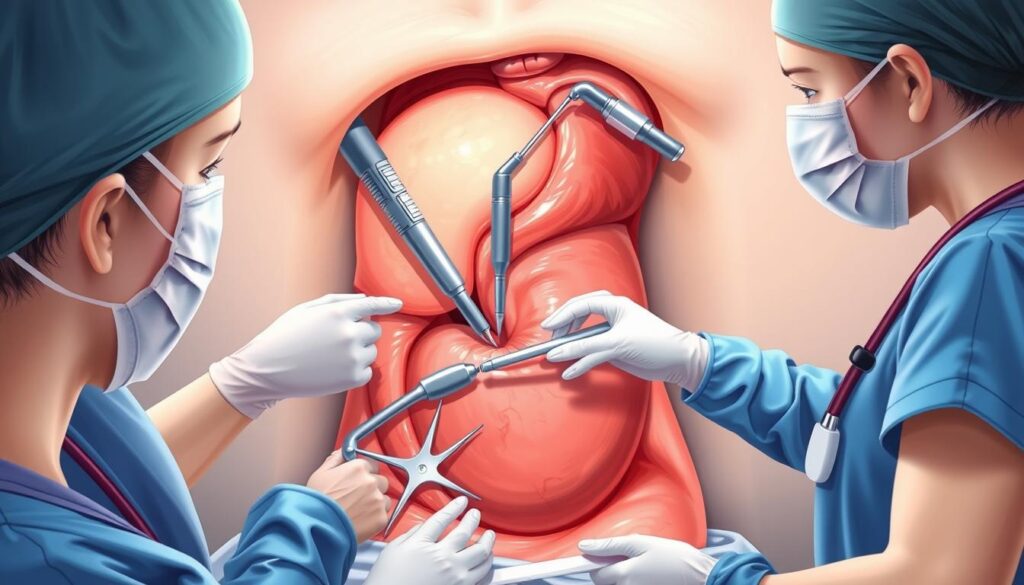
When it comes to weight loss surgery, the sleeve gastrectomy procedure stands out due to its effectiveness and relatively simple process. We will guide you through the details of this procedure to help you understand what to expect.
Laparoscopic Approach
The sleeve gastrectomy is typically performed using a laparoscopic approach, which involves making several small incisions in the abdomen rather than one large incision. This method reduces recovery time and minimises scarring. Our surgeon inserts a laparoscope, a thin tube with a camera, and specialised instruments through these small incisions to perform the laparoscopic sleeve gastrectomy.
What Happens During Surgery
During the surgery, approximately 75-85% of the stomach is removed along its greater curvature, leaving a tube-shaped stomach about the size and shape of a banana. The remaining part of the stomach is sealed closed with surgical staples to ensure it is secure and leak-proof. The procedure typically takes 1-2 hours to complete, and patients are under general anaesthesia throughout, meaning they will not feel or remember the surgery. The surgeon will ensure that the digestive tract continues to function normally, just with a much smaller stomach size.
Your Hospital Stay and Immediate Recovery
Immediately after your sleeve gastrectomy, you will be taken to a recovery area where our healthcare team will monitor your vital signs closely. You will be given pain relief medication to manage any discomfort. You may have small drains in your wounds to remove excess fluid and a catheter to drain urine from your bladder; these will be removed before you are discharged.
The First 24-48 Hours After Surgery
During your hospital stay, typically lasting 1-3 days, you will be on a liquid-only diet to allow your stomach to heal. You will be encouraged to get up and move about slowly to prevent blood clots and promote healing. Your care team will closely monitor your progress, managing any pain and checking for any complications.
You may experience some soreness, fatigue, and occasional nausea in the first days after surgery. It’s essential to let your healthcare team know if you are in any discomfort so they can provide appropriate medication and support.
Hospital Discharge Planning
Before you are discharged from the hospital, you will need to meet certain criteria, such as tolerating liquids and managing your pain effectively. You will receive detailed discharge instructions, including guidelines on medication, dietary progression, activity restrictions, and scheduling follow-up appointments.
It’s crucial to have someone available to drive you home and provide support during the initial days of recovery at home. Discuss your discharge plan with your consultant to ensure a smooth transition from hospital stay to home care.
Recovery and Lifestyle Changes After Sleeve Gastrectomy
As you recover from sleeve gastrectomy, it’s essential to follow a structured plan to ensure a smooth transition to your new lifestyle. This involves significant changes to your diet and daily activities, all aimed at supporting your overall health and aiding in continued weight loss.
Post-Surgery Diet Progression
Following sleeve gastrectomy, your diet will progress through several stages. Initially, you’ll be on a liquid diet for a few weeks, gradually moving to soft, moist foods. It may take around 4-6 weeks before you can start incorporating solid foods into your diet. This gradual progression typically spans 6-8 weeks, with each phase lasting approximately 1-2 weeks, depending on your individual tolerance.
It’s crucial to follow these dietary guidelines carefully to allow for proper healing, prevent complications, and establish healthy eating habits. Long-term dietary changes will include consuming smaller portion sizes, thorough chewing, separating food and liquids, and focusing on protein-rich foods.
Returning to Normal Activities
Most patients can return to normal activities within 2-4 weeks following sleeve gastrectomy. However, it’s recommended to discuss your return to work and exercise with your consultant, as the timing can vary based on the physical demands of your job and your individual recovery progress.
While walking is encouraged immediately after surgery, more strenuous exercise should be gradually reintroduced over 4-6 weeks. Regular follow-up appointments with your healthcare team are vital to monitor your weight loss, nutritional status, and overall health. Additionally, lifelong vitamin and mineral supplementation is necessary to prevent nutritional deficiencies.
Potential Risks and Complications
It’s crucial for individuals considering sleeve gastrectomy to understand the potential risks and complications associated with the surgery. While we strive to ensure the best possible outcomes, being informed about the potential issues can help manage expectations and improve overall care.
Common Side Effects
Many patients experience common side effects following sleeve gastrectomy, including nausea, vomiting, acid reflux, and temporary hair thinning. These side effects are generally temporary and subside as the body adjusts to the changes post-surgery. We also advise patients on dietary changes to minimise discomfort and ensure a smooth recovery.
Some patients may also encounter food intolerances, which can usually be managed through dietary adjustments. Our team provides comprehensive guidance on post-surgery diet to help mitigate these issues.
Serious Complications to Be Aware Of
While rare, serious complications can occur, including bleeding, infection, and blood clots (deep vein thrombosis). Specific to sleeve gastrectomy, there are risks of staple line bleeding, staple line leaks, and damage to internal organs. We take preventive measures, such as using compression stockings and blood-thinning medications, to minimise these risks.
Long-term risks include nutritional deficiencies and gallstones, particularly if dietary and lifestyle changes are not maintained. Our team is equipped to manage these complications and provide ongoing support to ensure the best possible outcomes. For detailed information on our approach to minimising risks and managing complications, please contact us for more information.
Conclusion: Your New Beginning with Sleeve Gastrectomy
Embarking on a sleeve gastrectomy journey can be a life-changing decision for those struggling with severe obesity. This weight loss treatment offers significant benefits, including substantial weight reduction and improvements in overall health. However, it’s crucial to understand that gastric sleeve surgery requires a lifelong commitment to lifestyle changes. By choosing this treatment option, individuals can look forward to a healthier future. We encourage those considering this path to contact our team for personalised information and to take the first step towards a more active life.
FAQ
What is the typical hospital stay after undergoing a laparoscopic bariatric surgery?
We typically advise our patients to plan for a hospital stay of around 2-3 days after the procedure, allowing for close monitoring and care during the initial recovery phase.
How long does it take to return to work after weight loss surgery?
The time it takes to return to work varies depending on the individual’s job requirements and overall health. Generally, we recommend taking 4-6 weeks off to ensure a smooth recovery.
What are the potential risks and complications associated with gastric sleeve surgery?
As with any major surgery, there are risks involved, including blood clots, infection, and complications related to anaesthesia. Our team will discuss these risks in detail during your pre-surgery consultation.
What dietary changes can I expect after undergoing laparoscopic sleeve gastrectomy?
After surgery, we advise our patients to follow a staged diet progression, starting with liquids and gradually introducing more solid foods. Our dietary team will provide personalised guidance to ensure a smooth transition.
How will weight loss surgery impact my overall health and wellbeing?
By achieving significant weight loss, many of our patients experience improvements in related health conditions, such as diabetes, hypertension, and sleep apnoea, leading to an overall enhancement in their quality of life.
What kind of support can I expect from your team during the recovery process?
Our multidisciplinary team is committed to providing comprehensive care and support throughout your journey, including pre- and post-surgery consultations, dietary guidance, and follow-up appointments to monitor your progress.
Will I need to take any medication after bariatric surgery?
Depending on your individual needs, we may prescribe medication to manage potential side effects or complications. Our team will review your medication regimen during your hospital stay and provide guidance on any necessary adjustments.
How long does it take to achieve significant weight loss after gastric sleeve surgery?
The rate of weight loss varies among individuals, but most of our patients experience significant weight loss within the first 12-18 months after surgery, with a gradual slowing of weight loss thereafter.


