


Lens replacement surgery, also known as refractive lens exchange, is a vision correction procedure that involves replacing the eye’s natural lens with an artificial intraocular lens (IOL). This comprehensive guide will explore the advantages and potential drawbacks of lens replacement surgery to help you make an informed decision about whether this treatment is right for you.
We will discuss who makes an ideal candidate for this procedure, the different types of replacement lens available, and what you can expect during and after surgery. Understanding both the benefits and limitations of lens replacement surgery is crucial before proceeding with this treatment for your eye and vision.
Key Takeaways
- Lens replacement surgery is a vision correction procedure that replaces the natural lens with an artificial IOL.
- This surgery can correct common focusing or ‘refractive’ conditions.
- Understanding the benefits and limitations is crucial before undergoing the procedure.
- We will discuss the ideal candidates and the different types of replacement lenses available.
- For pricing details, we recommend contacting us directly to discuss your specific needs.
Understanding Refractive Lens Surgery
For individuals seeking to improve their vision, refractive lens surgery offers a viable solution by exchanging the natural lens for an artificial intraocular lens. This elective vision correction procedure aims to reduce dependency on glasses or contact lenses.
What Is Lens Replacement Surgery?
Lens replacement surgery, also known as refractive lens exchange, involves replacing the eye’s natural lens with an artificial intraocular lens (IOL). This procedure uses advanced surgical techniques similar to modern cataract surgery, making it a well-established approach to vision correction. The artificial lens does not age or deteriorate like the natural lens, offering a permanent solution to vision problems.
How It Differs from Cataract Surgery
While both refractive lens surgery and cataract surgery involve replacing the eye’s natural lens, the primary difference lies in their purpose. Cataract surgery is performed to address a medical condition by removing a cloudy lens that impairs vision. In contrast, refractive lens exchange is typically performed on clear lenses to correct refractive errors and presbyopia, aiming to improve vision quality and reduce reliance on corrective eyewear.
Who Is a Suitable Candidate?
Determining suitability for lens replacement surgery involves assessing various factors related to your eye health and vision conditions.
To find out if you are eligible for this procedure, it is essential to undergo a comprehensive consultation.
Vision Conditions That Can Be Treated
Lens replacement surgery can effectively treat a range of common refractive conditions.
Farsightedness (Hyperopia)
Farsightedness can be effectively treated with lens replacement, making it an excellent option for people who struggle to see objects up close.
Nearsightedness (Myopia)
Those with nearsightedness who have difficulty seeing distant objects clearly may benefit from lens replacement.
Astigmatism
Astigmatism can be corrected with specialised toric intraocular lenses during the replacement procedure.
Presbyopia
Presbyopia, the age-related loss of near vision, can be addressed with multifocal or accommodating lenses.
When Lens Replacement May Not Be Recommended
Lens replacement surgery may not be suitable for everyone, particularly those with certain eye conditions.
Patients with uncontrolled glaucoma, significant retinal problems, or severe dry eye syndrome may not be ideal candidates.
A comprehensive eye health examination is crucial to determine your suitability for lens replacement surgery.
Types of Intraocular Lenses Available
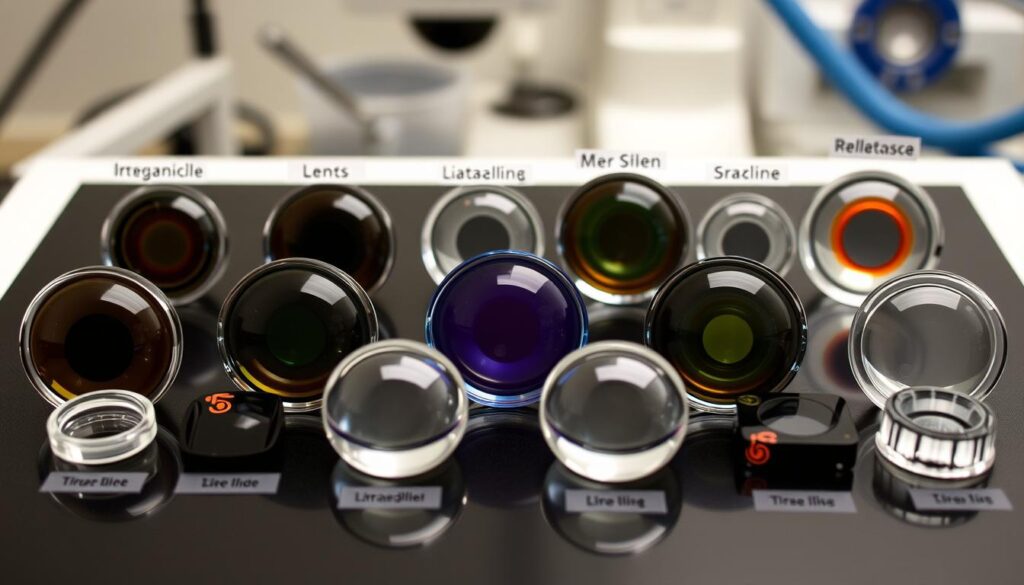
Intraocular lenses come in several types, each designed to address different vision problems and lifestyle requirements. The choice of lens depends on your individual needs and expectations.
Advanced Lens Options
Multifocal and Trifocal Premium Lenses are advanced options that provide vision correction at multiple distances (near, intermediate, and far), potentially eliminating the need for glasses in most situations. These premium lenses use innovative optical technology to help you see clearly under different lighting conditions.
Standard Lens Options
Monofocal Lenses provide excellent vision at one fixed distance (typically set for distance vision), making them a reliable option with fewer visual side effects. However, you may still need reading glasses for close-up tasks.
Lenses for Astigmatism
For patients with astigmatism, specially designed Toric Lenses can correct this condition by compensating for the irregular corneal shape, providing clearer vision without the need for glasses to correct astigmatism.
During your consultation, we’ll discuss all available options and help you select the most appropriate lens type based on your specific vision needs and lifestyle requirements. For more information on the costs associated with these lenses, please Contact Us for pricing details.
The Refractive Lens Surgery Procedure Explained
As we explore the refractive lens surgery procedure, it’s essential to understand the steps involved in this transformative surgery. Refractive lens surgery, also known as lens replacement surgery, is a sophisticated procedure that involves replacing the natural lens with an artificial one to correct vision problems.
Before the Procedure: Preparation
Before undergoing refractive lens surgery, you’ll have a comprehensive pre-operative evaluation to assess your eye health and determine the most suitable intraocular lens option for your needs. This initial assessment involves detailed measurements of your eye to calculate the correct power for your new lens. If you wear contact lenses, you’ll need to stop wearing them for a period before your evaluation to allow your cornea to return to its natural shape.
- Detailed measurements are taken to ensure accurate calculations for your new lens.
- Any underlying conditions that could affect surgical outcomes are identified during this assessment.
During the Procedure: What to Expect
The refractive lens surgery procedure typically takes only 15-30 minutes per eye and is performed under local anaesthetic eye drops, meaning you’ll be awake but won’t feel any pain during the surgery. The surgeon makes a tiny incision where the cornea meets the white of the eye, removes your natural lens using ultrasound technology, and then inserts and positions the new artificial lens.
Immediately After Surgery
Immediately after surgery, a protective shield will be placed over your eye, and you’ll spend about 30 minutes in recovery before being discharged. You’ll need someone to drive you home as your vision will be blurry. The incision is so small that stitches are typically not required, as it seals naturally, contributing to faster healing and reduced discomfort during recovery.
For more information on refractive lens surgery and to discuss pricing details, please contact us to schedule an appointment with a qualified surgeon.
Benefits of Lens Replacement Surgery
The advantages of undergoing lens replacement surgery are multifaceted, impacting various aspects of a patient’s life. This surgical procedure is designed to correct vision problems by replacing the natural lens with an artificial one, thereby improving overall visual acuity.
Improved Vision Quality
One of the primary benefits of lens replacement surgery is the significant improvement in vision quality. Many patients experience clearer, sharper vision than they’ve had in years or even decades. The artificial lens used in the surgery is designed to correct refractive errors, providing a substantial enhancement in visual clarity.
Reduced Dependency on Glasses
Most patients enjoy a dramatic reduction in their dependency on glasses or contact lenses for everyday activities. While it’s not guaranteed that patients will achieve complete freedom from corrective eyewear, many are able to perform daily tasks without the need for glasses. It’s worth noting that some patients may still require glasses for close reading.
Long-term Vision Solution
The artificial lenses used in replacement surgery are permanent and don’t degrade over time, providing a long-term solution to vision problems. This means that patients can enjoy stable vision for years to come without the need for future adjustments. For those considering lens replacement, it’s essential to contact us for pricing details, as costs can vary based on individual needs.
In summary, lens replacement surgery offers a highly effective solution for individuals seeking to improve their vision and reduce their reliance on glasses. With its numerous benefits, including improved vision quality and long-term results, it’s an attractive option for those looking to enhance their quality of life.
Potential Risks and Limitations
While lens replacement surgery is generally considered safe, it’s crucial to understand the potential risks and limitations associated with the procedure. As with any surgery, there are certain risks and side effects that patients should be aware of before making their decision.
Common Side Effects
After lens surgery, patients may experience mild discomfort or aching in the eye for 10 to 14 days. It’s also common to have itchy or sticky sensations in the eye, as well as blurred vision that gradually improves over several days as the eye adjusts to the new lens. Visual side effects, such as glare, halos around lights, or starbursts, particularly at night, can occur, especially with multifocal lenses.
Possible Complications
Although rare, more serious complications can occur after eye surgery. These may include infection, bleeding, retinal detachment, increased eye pressure, or posterior capsule opacification, which may require a simple laser procedure to correct. It’s essential to be aware of these potential risks and complications to ensure prompt medical attention if necessary.
When to Seek Medical Attention
If you experience severe pain, sudden loss of vision, increasing redness of the eye, or flashes of light and floating spots, you should seek immediate medical attention, as these could indicate serious complications requiring prompt treatment. For more information on lens replacement surgery and to discuss your individual needs, please contact us to learn more about the procedure and its associated costs.
Recovery and Aftercare

Understanding the recovery and aftercare process is vital for patients undergoing lens replacement surgery. The recovery period is crucial for achieving optimal vision results.
The Recovery Timeline
The recovery from lens replacement surgery is typically quick, with most patients returning home the same day. Your eye will be protected with a shield after surgery, which you’ll need to wear for at least a day and possibly at night for a week or two.
Post-Surgery Care Instructions
You’ll be provided with antibiotic and anti-inflammatory eye drops to use for approximately four weeks following surgery. It’s essential to avoid strenuous activities, swimming, and dusty environments for at least a week. Follow-up appointments are crucial for monitoring your recovery progress.
For lens replacement recovery time, most people notice significant vision improvement within 24-48 hours, with vision continuing to stabilise over the following weeks. To find out more about our lens replacement treatment and care, please don’t hesitate to contact us for pricing details and further information.
Conclusion
As we’ve explored, lens replacement surgery is a highly effective treatment for various vision conditions, providing improved visual clarity and reduced dependency on corrective eyewear. This procedure is particularly beneficial for individuals over 40 experiencing presbyopia, as well as those with refractive errors such as farsightedness, nearsightedness, and astigmatism.
To determine if you’re a suitable candidate for lens exchange, we recommend booking a comprehensive consultation with our team. During this 60-minute appointment, our optician and ophthalmic nurses will conduct a full diagnostic assessment and provide detailed information to help you make an informed decision about your eye care.
For specific information about pricing and to schedule your initial consultation, we invite you to contact our team. We will be happy to answer any questions and guide you through the next steps in your journey toward clearer vision.
FAQ
What is the difference between lens replacement and cataract surgery?
Lens replacement surgery involves replacing the natural lens with an intraocular lens to correct vision problems, whereas cataract surgery involves removing a cloudy lens that is affecting vision. While both procedures involve lens replacement, the underlying reasons for the surgery differ.
How long does it take to recover from lens replacement surgery?
Most people can resume normal activities within a few days to a week after surgery. However, it may take several weeks for the eye to fully heal and for vision to stabilise.
What are the risks associated with lens replacement surgery?
As with any surgical procedure, there are risks associated with lens replacement surgery, including infection, inflammation, and vision disturbances. However, these risks can be minimised by following post-surgery care instructions and attending follow-up appointments.
Can I have lens replacement surgery if I have astigmatism?
Yes, toric lenses are available that can correct astigmatism. Our team will assess your suitability for toric lenses during your consultation.
Will I still need to wear glasses after lens replacement surgery?
Depending on the type of intraocular lens used, some people may still need to wear glasses for certain activities, such as reading or driving at night. However, many people experience a significant reduction in their dependency on glasses.
How do I care for my eyes after lens replacement surgery?
We will provide you with detailed post-surgery care instructions, including the use of eye drops and follow-up appointments, to ensure a smooth recovery.
Can I undergo lens replacement surgery if I have other eye conditions?
Certain eye conditions, such as cataracts, may affect your suitability for lens replacement surgery. Our team will assess your overall eye health during your consultation to determine the best course of treatment.


