
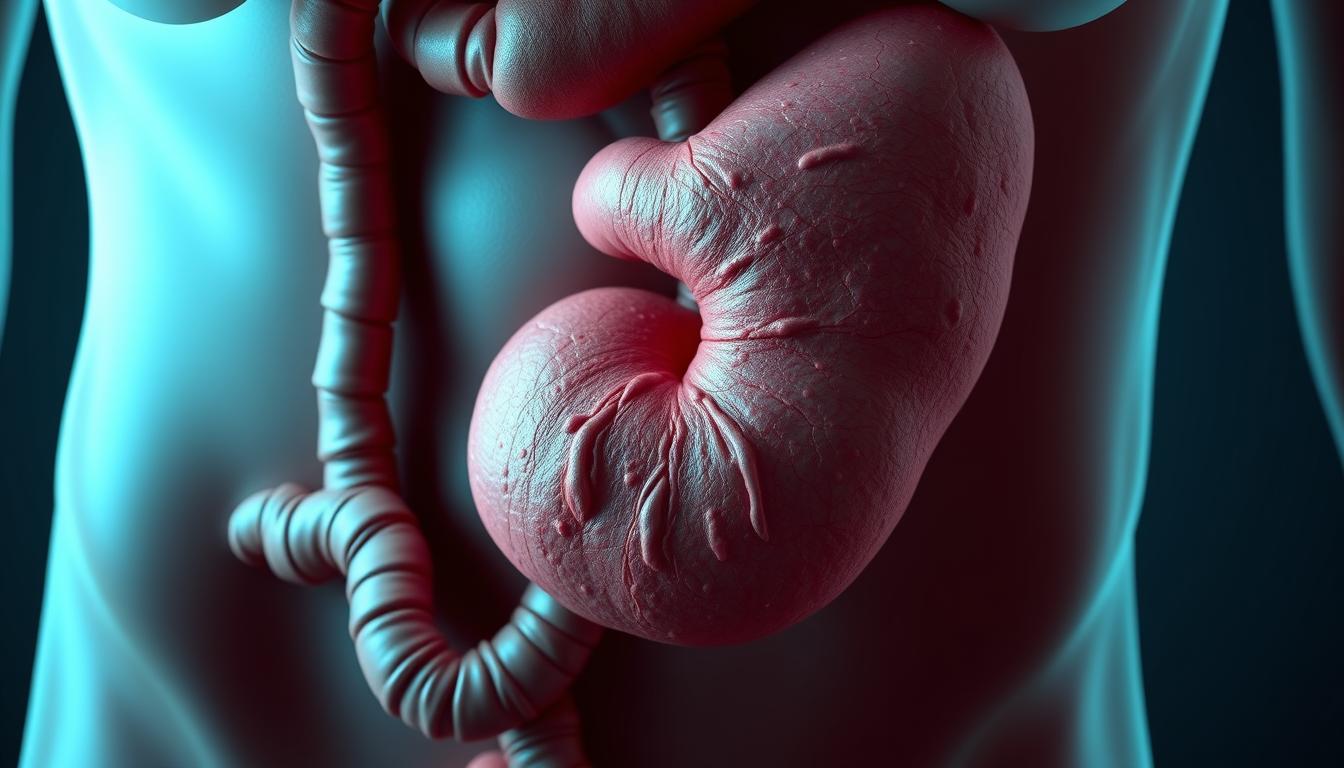
What if a sudden belly pain could change how someone eats, drinks, and seeks care for years? That question matters because inflammation of the pancreas can range from a brief, severe event to a long-term condition that reshapes daily life.
In the United States, thousands of hospital visits each year stem from acute pancreatitis, and some of those cases become severe. Chronic pancreatitis may follow repeated attacks and can cause lasting damage.
This small guide explains who is affected, common warning signs and symptoms pancreatitis presents with, and the leading causes pancreatitis specialists watch for. It also outlines how timely care can reduce pancreatitis complications and practical steps people can take to feel better.
Key Takeaways
- Acute vs. chronic: acute pancreatitis strikes suddenly; chronic develops over time.
- Recognize symptoms pancreatitis early and seek prompt care to avoid severe outcomes.
- Common causes pancreatitis include gallstones and long-term alcohol use.
- Treatment ranges from hospital support for acute attacks to long-term plans to help manage chronic disease.
- Lifestyle changes can help prevent pancreatitis recurrences and improve quality of life.
Pancreatitis
An inflamed pancreas can quickly disrupt digestion and hormone balance in the body.
The pancreas sits behind the stomach and next to the small intestine. It releases digestive enzymes into the small intestine and hormones like insulin into the blood. When the gland becomes inflamed, those tasks are disrupted.
Symptoms pancreatitis often center on severe abdominal pain that may radiate to the back. Other signs depend on whether the problem is sudden or long‑standing.
- Causes pancreatitis commonly include gallstones and heavy alcohol use.
- Types pancreatitis are grouped as acute (sudden, often short-lived) and chronic (repeated injury and scarring).
- Over time, enzyme delivery problems lead to poor digestion and weight loss, while hormone loss can impair blood sugar control.
| Feature | Acute | Chronic |
|---|---|---|
| Onset | Sudden | Gradual, after repeated episodes |
| Main risks | Gallstones, heavy alcohol use | Long‑term alcohol, recurrent attacks |
| Long-term effects | Usually reversible | Permanent scarring, digestive and endocrine loss |
| Typical symptoms | Severe abdominal pain, nausea | Chronic pain, malabsorption, weight loss |
Knowing these basics helps patients and caregivers decide when to seek testing and care. For options on evaluation and pancreatitis treatment, talk with a specialist who can match care to the type and severity of the condition.
Understanding the Pancreas and How Inflammation Starts
The pancreas works quietly until a local problem turns digestive enzymes against the gland itself.
Digestive enzymes normally flow from the pancreas through the pancreatic duct into the small intestine, where they help break down food. If these enzymes activate prematurely inside pancreas, they begin digesting the gland’s own tissue and trigger inflammation.
Common triggers that flip these enzymes inside into an active state include a gallstone that blocks the duct or alcohol byproducts that change enzyme chemistry. Obstruction traps fluid and raises pressure, worsening injury.
- Two main jobs: release digestive enzymes into the small intestine and send hormones into blood to balance glucose.
- Early signs may include tenderness, nausea, and reduced appetite; systemic responses may include fever and a faster heartbeat.
- Repeated activation and healing can scar ducts and tissue, increasing the risk of chronic problems.
Understanding this process shows why treatment focuses on resting the gland and restoring normal enzyme flow. For related care options and evaluation, see expert clinic information.
Types of Pancreatitis in the United States
Clinical patterns divide pancreatic inflammation into sudden, short-lived attacks and long-term progressive disease.
Acute
Acute pancreatitis is a rapid-onset inflammation that often improves with supportive hospital care.
About 275,000 people in the United States are hospitalized for this condition each year. Most recover, but roughly 20% of cases become severe and may include organ failure or other life‑threatening complications.
Chronic
Chronic pancreatitis is persistent. It can follow repeated acute flares and leads to lasting structural changes.
Chronic pancreatitis cases account for about 86,000 U.S. hospitalizations annually. Progressive damage can cause permanent loss of enzyme and hormone function, bringing long-term digestion and blood sugar problems.
- Types pancreatitis distinctions affect testing, monitoring, and treatment plans.
- Preventing recurrent acute attacks helps lower the risk of acute chronic progression.
- U.S. statistics highlight the need to address modifiable causes to reduce pancreatitis cases.
Symptoms of Pancreatitis and What Pain May Feel Like
Abdominal pain is the most common signal that something is wrong with the pancreas.
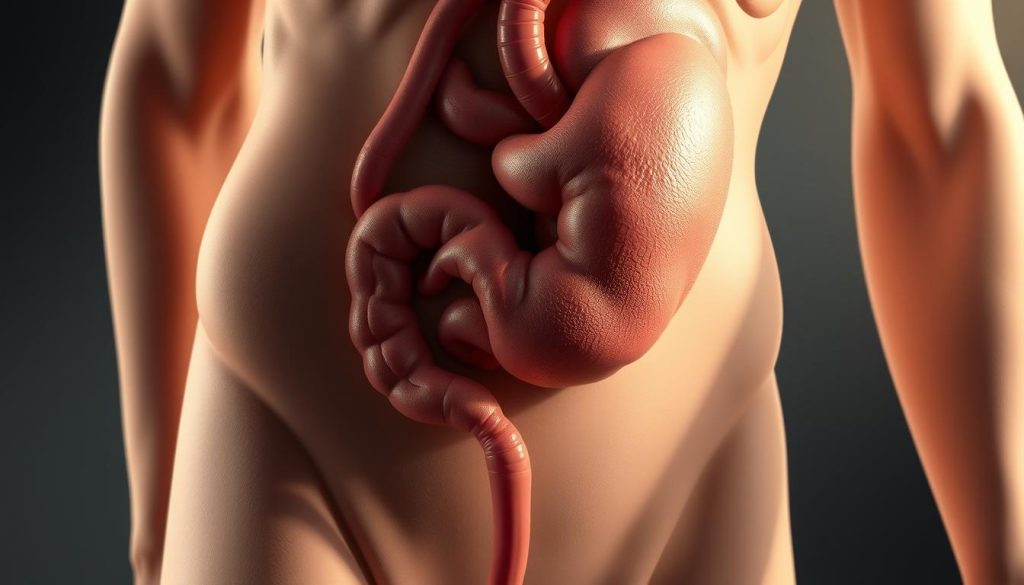
People acute often report sudden, severe upper belly pain that may feel like it wraps to the back. The pain is usually penetrating and can be disabling during a flare.
Acute warning signs
- People acute pancreatitis typically have sudden severe pain and may feel nauseous or vomit.
- Early acute signs may include fever, fast heart rate, shortness of breath, and in rare cases low blood pressure that needs urgent care.
Long-term problems
People chronic often develop ongoing digestive issues, greasy stools, and unintended weight loss from poor enzyme function. Pain in chronic cases can be constant or come and go, with flares after meals.
| Feature | Acute | Chronic |
|---|---|---|
| Pain quality | Sudden, severe, penetrating | Burning, constant, or intermittent |
| Associated signs | Nausea, fever, fast heart rate, low blood pressure | Indigestion, fatty stools, weight loss |
| Triggers | Eating, lying flat, coughing, exercise | Meals (especially high fat), fasting, flares |
| Relief | Sitting up, leaning forward | Smaller meals, enzyme therapy |
Because pain may mimic other conditions, clinicians use a careful history of what makes it worse or better to guide testing and treatment.
Common Causes and Triggers: From Gallstones to Alcohol Use
When flow out of the ducts is blocked or enzyme chemistry changes, the gland can become inflamed. Understanding common causes helps people and clinicians prevent repeat attacks and plan treatment.
Gallstones and duct blockage
Gallstone-related attacks happen when a stone lodges where the bile ducts and pancreatic duct meet the intestine.
That obstruction traps pancreatic juice, raises ductal pressure, and can activate digestive enzymes inside the gland.
Alcohol use and enzyme activation
Heavy alcohol use drives many acute pancreatitis and chronic pancreatitis cases.
Researchers believe toxic byproducts and repeated exposure can inflame cells or trigger premature enzyme activation.
Other causes to consider
Less common triggers may also spark inflammation. These include infections, autoimmune disease, certain medicines, high triglycerides, and very high calcium levels.
- Inherited gene variants and cystic fibrosis can raise lifetime risk.
- Tumors, trauma, and ischemia may narrow ducts or injure tissue.
- About 15% of acute cases have no identified cause after testing.
Who Is at Risk: Medical, Lifestyle, and Genetic Factors
Risk for pancreatic inflammation rises when metabolic conditions or habits combine with inherited vulnerabilities. Evaluating risk helps clinicians recommend prevention and monitoring tailored to each person.

Metabolic and lifestyle drivers
Heavy drinking, smoking, and certain metabolic problems are among the top drivers of risk. Regularly consuming four or more alcoholic drinks per day increases the chance of an attack. Tobacco exposure and vaping add further harm and raise disease severity when combined with alcohol use.
High triglycerides, diabetes, and obesity — especially central obesity — also raise risk. Hypercalcemia and chronic kidney disease may also play a role. People acute with gallstones face higher odds of an attack; removing the gallbladder can lower recurrence.
Genetics and demographics
Inherited gene variants such as PRSS1, SPINK1, CTRC, and CFTR increase susceptibility and often interact with environmental triggers.
“A family history of pancreatic illness or gallstones should prompt earlier counseling and targeted screening.”
- Overlap matters: people chronic may also have several overlapping risks that sustain inflammation.
- Demographic patterns show higher risk among African Americans; men often have higher rates, while women make up about 45% of chronic cases.
- Identifying these factors helps reduce future pancreatitis cases through lifestyle change and surveillance.
How Doctors Check the Pancreas: Diagnosis and Tests
Doctors use a mix of exam findings, lab studies, and imaging to confirm inflammation of the pancreas. Diagnosis relies on typical abdominal pain with tenderness, raised enzyme levels, and imaging that shows inflammation or duct problems.
Clinical signs to watch
- Exam: abdominal tenderness and guarding guide urgency.
- Vital signs: low blood pressure, fast heart rate, or fever may signal severe disease.
Blood tests and lab work
Key blood tests include amylase and lipase to detect pancreatic injury. Providers also check triglycerides and calcium to find triggers.
Liver enzymes and bilirubin may point to gallbladder or bile ducts obstruction. CBC and IgG4 testing may include clues for infection or autoimmune disease.
Imaging to evaluate structure and flow
- Ultrasound, CT, and MRI/MRCP assess inflammation and fluid collections.
- Endoscopic ultrasound gives detailed views of the pancreatic duct and nearby tissue.
- ERCP can diagnose and treat duct obstruction when intervention may need to follow.
Function tests and stool studies
Stool elastase quantifies enzyme output; low values suggest exocrine insufficiency in chronic cases. Stool fat tests measure malabsorption and help guide enzyme dosing.
Secretin-stimulated pancreatic function testing is available at some U.S. medical centers when diagnosis is unclear. Biopsy or repeat imaging may need to be done if symptoms persist or complications are suspected.
“Diagnosis combines clinical signs, targeted blood tests, and imaging to guide timely treatment.”
Pancreatitis Complications and When It Becomes Severe
Severe attacks can rapidly escalate from local inflammation to life‑threatening organ dysfunction. Early recognition of worsening signs matters because timely care can prevent or limit damage.
Acute issues may begin with tissue necrosis. Dead tissue is at high risk for bacterial infection and can lead to septic shock.
When infection spreads, bloodstream involvement may cause organ failure. The lungs, heart, and kidneys are most often affected and may need intensive support.
Longer-term problems
Repeated injury remodels the gland with fibrosis and scarring. Over time, chronic pancreatitis can result in exocrine pancreatic insufficiency, poor nutrient absorption, and unintended weight loss.
Loss of hormone production may lead to glucose problems and diabetes. Persistent pain can impair sleep, work, and mood, requiring coordinated pain and mental health care.
| Complication | Typical timeline | Common management |
|---|---|---|
| Necrosis and infection | Early, days to weeks | Antibiotics, drainage, possible debridement |
| Septic shock and organ failure | Early to subacute | ICU care, vasopressors, respiratory or renal support |
| Pseudocyst formation | Weeks to months | Observation, endoscopic or surgical drainage if large or infected |
| Exocrine insufficiency & diabetes | Months to years | Pancreatic enzymes, nutrition therapy, glucose control |
When to seek urgent care: rapidly worsening pain, fever, low blood pressure, or breathing trouble. These signs may need immediate hospital evaluation to avoid rapid deterioration.
Treatment Pathways: From Hospital Care to Long-Term Management
Care pathways balance urgent stabilization with strategies that keep patients healthier over months and years.
Supportive care for acute attacks
Initial steps include aggressive IV fluids, pain control, and close monitoring. Mild acute pancreatitis often improves with fasting or a low-fat diet and medicines to ease discomfort.
If infection is suspected, physicians start antibiotics and use imaging to decide if drainage or surgery is needed. Some patients may need to stay hospital for observation and nutrition support.
Long-term management for chronic cases
Chronic pancreatitis care centers on pancreatic enzyme replacement so people get enough calories and fat‑soluble vitamins. Diet therapy—low‑fat meals, hydration, and short supervised fasting during flares—helps digestion and blood sugar control.
Pain relief, procedures, and surgery
Pain relief may include multimodal medications and targeted nerve blocks; refractory pain probably need surgical review. ERCP can remove stones and place stents to open the pancreatic duct or bile ducts. Debridement, drainage, or cholecystectomy may follow when conservative care fails to help get lasting improvement.
Lifestyle Changes That Help Manage and Prevent Pancreatitis
Simple daily habits can reduce flare risk and support recovery. Focusing on diet, substance use, and metabolic health often helps people feel better and lowers future problems.
Low‑fat meals, smaller portions, and getting enough nutrients
Choose whole foods: lean protein, whole grains, fruits, and vegetables lower pancreatic workload.
Smaller, frequent meals help digestion. When digestion is poor, enzyme replacement can help get enough calories and nutrients.
Limiting alcohol use and quitting smoking
Cutting back on alcohol use and stopping tobacco reduces flare severity and lowers the number of pancreatitis cases.
“Stopping alcohol and smoking is one of the most effective steps people can take to prevent repeat attacks.”
Managing triglycerides, cholesterol, and diabetes
Regular exercise and weight control support healthy triglyceride levels. Working with clinicians to control cholesterol and blood sugar may also prevent pancreatitis triggered by metabolic stressors.
- Meet a dietitian for a tailored meal plan.
- Use structured support groups for alcohol or tobacco cessation.
- Keep a symptom and food journal to spot personal triggers.
- Schedule routine follow-ups so treatments can be adjusted promptly.
Combined strategies work best: diet, medical care, and support programs reinforce each other and help manage both acute pancreatitis and chronic pancreatitis over time.
Conclusion
A coordinated plan that blends medical care with lifestyle support gives the best chance to recover and stay well.
Most mild cases of acute pancreatitis improve with timely, supportive hospital care, though up to 20% may need intensive treatment for severe complications.
Chronic pancreatitis cannot be cured but often responds to enzyme replacement, focused nutrition, pain strategies, and glucose control to help manage daily life.
Early recognition of worsening pain, fever, faintness, or rapid heartbeat prompts urgent evaluation and reduces risk. Long-term follow-up may include labs, imaging, medication changes, or procedures as needed.
With clear goals, team support, and lifestyle changes, people can feel better, prevent pancreatitis recurrences, and protect long-term health.
FAQ
What is inflammation of the pancreas and how does it start?
Inflammation of the pancreas occurs when digestive enzymes activate inside the organ instead of the small intestine. That causes tissue damage and pain. Common triggers include blocked bile ducts, heavy alcohol use, high triglycerides, and some medications. Early care focuses on stopping enzyme activation and supporting blood pressure and organ function.
What’s the difference between acute and chronic forms?
Acute inflammation appears suddenly and may cause severe abdominal pain, low blood pressure, fever, and nausea. Chronic disease develops over time with repeated injury, leading to long-term digestive problems, weight loss, fatigue, and sometimes diabetes or exocrine pancreatic insufficiency (EPI).
How do people often describe the pain?
Pain usually sits in the upper abdomen and can radiate to the back. It may worsen after eating or lying flat and improve when leaning forward. Severity varies from mild discomfort to intense, constant pain that needs hospital management and opioid or nerve-block relief.
What tests do doctors use to check the pancreas?
Clinicians combine exam findings with blood tests for amylase, lipase, triglycerides, calcium, and liver enzymes. Imaging like ultrasound, CT, or MRI evaluates the pancreatic tissue, bile ducts, and small intestine flow. Specialized centers may perform stool elastase and other pancreatic function tests.
What are the most common causes and triggers?
Blocked ducts from gallstones, excessive alcohol use, very high triglycerides, certain medications, and infections are frequent causes. Genetic mutations and metabolic issues such as hypercalcemia also increase risk. Identifying the trigger guides treatment to prevent recurrence.
Who is at higher risk for repeated episodes?
People with heavy alcohol use, tobacco use, obesity, poorly controlled diabetes, very high triglycerides, or a family history of inherited gene mutations face higher risk. Age and demographic patterns also influence susceptibility, so doctors tailor prevention strategies accordingly.
When does the condition become severe and what complications can occur?
Severe cases can lead to tissue necrosis, infection, septic shock, and organ failure. Long-term complications include EPI, chronic abdominal pain, malnutrition, diabetes, and an increased risk of cancer. Prompt hospital care lowers the risk of life-threatening outcomes.
What acute treatments are used in the hospital?
Acute care centers on IV fluids, careful monitoring, pain relief, and treating complications such as infection or low blood pressure. If gallstones block ducts, ERCP or cholecystectomy may be needed. Nutrition support and sometimes ICU care are part of severe case management.
How is long-term management handled for chronic cases?
Management often includes pancreatic enzyme replacement to aid digestion, blood sugar control for diabetes, low-fat meals and smaller portions, and counseling for alcohol cessation and smoking quit plans. Some patients benefit from pain interventions, stents, or surgery to relieve obstruction or remove damaged tissue.
Can lifestyle changes prevent future attacks?
Yes. Limiting or avoiding alcohol, quitting smoking, controlling triglycerides and cholesterol, managing diabetes, and following a low-fat, nutrient-rich diet reduce the risk of new episodes. Regular follow-up with a gastroenterologist or a specialized medical center helps monitor progress.
When should someone seek emergency care?
Seek urgent care for sudden, severe abdominal pain, vomiting, fainting, signs of low blood pressure, rapid heart rate, difficulty breathing, or high fever. These signs may indicate a severe episode or complications that require immediate hospital treatment.
How do digestive enzyme supplements help?
Enzyme supplements replace missing pancreatic enzymes in people with exocrine insufficiency. They improve nutrient absorption, reduce pain related to meals, and help stabilize weight. Dosing is individualized and guided by symptoms, diet, and stool tests like stool elastase.
Are there specific medications that can cause this condition?
Certain drugs can trigger inflammation in susceptible people. Examples include some diuretics, immunosuppressants, and HIV medications. Clinicians review all prescriptions and may switch or stop suspected agents while treating the episode.
What role do imaging and endoscopy play in treatment decisions?
Imaging identifies necrosis, fluid collections, duct stones, and blockages. Endoscopic retrograde cholangiopancreatography (ERCP) removes common bile duct stones and places stents when needed. These procedures both diagnose and treat structural causes to prevent further damage.
How do doctors address nutrition during recovery?
Early in an acute episode, patients may need IV fluids and, if necessary, enteral feeding. As recovery proceeds, clinicians recommend small, low-fat meals with adequate calories and protein. Dietitians at hospitals or clinics help plan meals and ensure patients get enough vitamins and nutrients.
 English
  Afrikaans
  Albanian
  Russian
  German
  Swedish
  Spanish
  Romanian
  Portuguese
  Japanese
  Azerbaijani
  Chinese
  Dutch
Dutch  French
  German (Formal)
  Greek
Greek