

We are delighted to introduce you to lens replacement surgery, a sophisticated development of cataract surgery that involves replacing the natural lens with an artificial intraocular lens to correct vision problems.
Turkey has emerged as a leading destination for this procedure, boasting advanced medical facilities and experienced surgeons who provide comprehensive care packages. By choosing lens replacement surgery in Turkey, patients can benefit from improved vision quality, reduced dependence on glasses or contact lenses, and prevention of future cataracts.
Our comprehensive guide will walk you through the process, outlining the benefits and what to expect from surgery. For personalised quotes, we encourage you to contact us to discuss your individual needs.
Key Takeaways
- Lens replacement surgery is a safe and permanent solution for correcting vision problems.
- Turkey offers high-quality medical facilities and experienced surgeons.
- The procedure can correct short-sightedness, long-sightedness, and prevent cataracts.
- Patients can expect improved vision quality and reduced dependence on glasses or contact lenses.
- Comprehensive care packages are available to ensure a smooth recovery.
Understanding Lens Replacement Surgery
The concept of lens replacement surgery may seem complex, but it is a straightforward procedure that can significantly enhance one’s quality of life. Lens replacement surgery, also known as refractive lens exchange, involves replacing the natural lens of the eye with an artificial lens to improve vision.
What Is Lens Replacement Surgery?
Lens replacement surgery is a surgical procedure where the natural lens is replaced with an intraocular lens (IOL). This surgery is similar to cataract surgery but is performed to correct refractive errors rather than to remove a cataract. The goal is to reduce or eliminate dependence on glasses or contact lenses for daily activities.
Unlike traditional cataract surgery, lens replacement surgery utilises advanced techniques and smart lenses that can correct a range of vision problems, including presbyopia, myopia, hyperopia, and astigmatism.
How Lens Replacement Surgery Differs from Other Eye Procedures
Lens replacement surgery differs from other eye procedures like LASIK in several key ways. Firstly, it is suitable for a wider range of vision problems and age groups. While LASIK is limited to correcting certain levels of refractive errors, lens replacement surgery can address more complex vision issues.
- Lens replacement surgery is an elective procedure, unlike cataract surgery, which is performed when the natural lens becomes cloudy.
- It can correct multiple vision problems simultaneously, including presbyopia, myopia, hyperopia, and astigmatism.
- Lens replacement surgery prevents future cataracts, a benefit not offered by laser vision correction procedures.
By choosing lens replacement surgery, individuals can enjoy improved vision quality and reduced dependence on glasses or contact lenses. For more information on lens replacement surgery and to discuss your suitability for the procedure, please contact us to arrange a consultation.
Common Eye Conditions Treated with Lens Replacement

Lens replacement surgery is a versatile solution for various eye conditions that affect vision. This surgical procedure involves replacing the natural lens with an intraocular lens (IOL) to correct vision problems.
Cataracts and Lens Opacity
Cataracts occur when the natural lens becomes cloudy, leading to blurred vision and potentially causing significant visual impairment if left untreated. Lens replacement surgery is a highly effective treatment for cataracts, restoring clear vision by replacing the cloudy lens with a clear IOL.
Presbyopia and Age-Related Vision Changes
Presbyopia is an age-related condition that affects the ability to focus on near objects. As people age, the lens becomes less flexible, making it harder to focus on close objects. Lens replacement surgery with multifocal or accommodating IOLs can address presbyopia, reducing dependence on reading glasses.
Refractive Errors: Myopia, Hyperopia, and Astigmatism
Refractive errors occur when the shape of the eye prevents light from focusing correctly on the retina. The three main types of refractive errors are myopia (nearsightedness), hyperopia (farsightedness), and astigmatism (irregular cornea shape).
- Myopia makes it difficult to see objects at a distance.
- Hyperopia makes it hard to see near objects clearly.
- Astigmatism causes blurred vision at all distances due to an irregularly shaped cornea or lens.
Lens replacement surgery can correct these problems by replacing the natural lens with an IOL of the appropriate power. Special toric IOLs can even correct astigmatism.
For more information on how lens replacement surgery can address your specific eye condition, please Contact Us for a consultation.
Benefits of Lens Replacement Surgery

Lens replacement surgery has emerged as a highly effective solution for various vision problems, offering multiple advantages. This surgical procedure involves replacing the natural lens with an artificial one, addressing several vision-related issues.
Improved Vision Quality
One of the primary benefits of lens replacement surgery is the significant improvement in vision quality. By replacing the natural lens with an artificial lens, patients can experience sharper and clearer vision. This improvement is particularly noticeable in individuals with cataracts or refractive errors.
Reduced Dependence on Glasses and Contact Lenses
Lens replacement surgery can also reduce a patient’s dependence on glasses and contact lenses. The artificial lens implanted during surgery is designed to correct vision problems, potentially eliminating the need for corrective eyewear. This benefit is especially appealing to individuals who find glasses or contact lenses inconvenient.
Prevention of Future Cataracts
Another significant advantage of lens replacement surgery is the prevention of future cataracts. Since the natural lens is removed during the procedure, the risk of developing cataracts is eliminated. This is particularly beneficial for patients over 50, who are at a higher risk of cataract formation. The artificial lens is made of durable material that will not degrade over time, providing peace of mind and potentially eliminating the need for cataract surgery later in life.
The Lens Replacement Surgery Process in Turkey
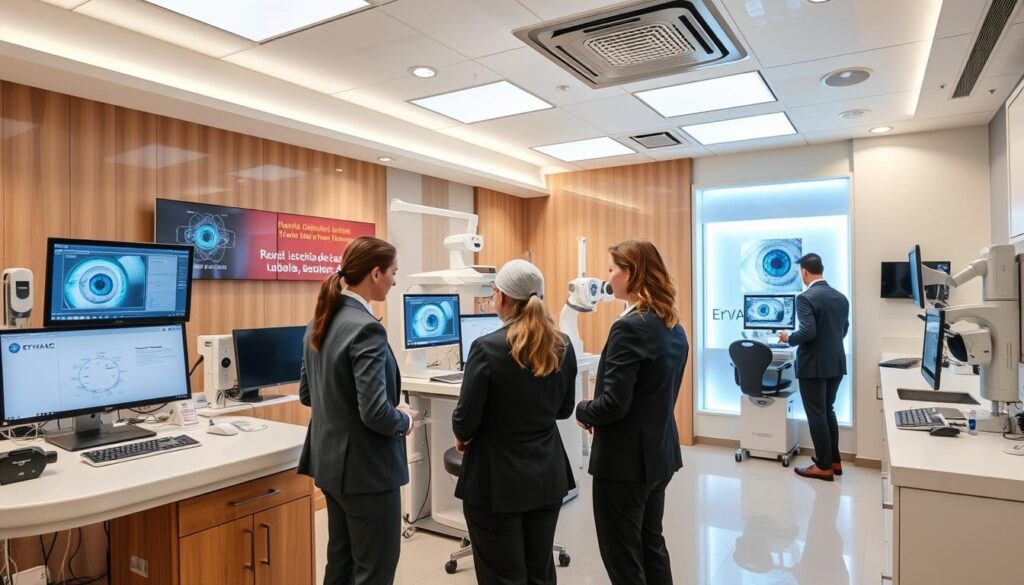
The process of lens replacement surgery in Turkey is designed to provide patients with a seamless and effective treatment experience. With a focus on patient care and advanced technology, Turkish clinics offer a comprehensive approach to lens replacement surgery.
Pre-Surgery Consultation and Assessment
Before undergoing lens replacement surgery, patients in Turkey undergo a thorough pre-surgery consultation and assessment. This involves a series of diagnostic tests to determine the suitability of the patient for the procedure and to identify the most appropriate type of lens implantation. Our clinics use state-of-the-art diagnostic equipment to ensure accurate measurements and assessments.
The Surgical Procedure Step by Step
The lens replacement surgery procedure in Turkey is carried out with precision and care. The surgery involves removing the natural lens and replacing it with an artificial lens, known as an intraocular lens (IOL). The procedure is typically performed on an outpatient basis, and patients can expect a relatively quick recovery time. Turkish surgeons are highly skilled in using advanced surgical systems, including femtosecond laser technology, to enhance the precision of the procedure.
Technology and Techniques Used in Turkish Clinics
Turkish clinics are renowned for their use of advanced technology in lens replacement surgery. This includes 3D surgical visualisation systems that allow surgeons to perform procedures with enhanced precision and control. Additionally, advanced intraoperative wavefront aberrometry is used to take real-time measurements during surgery, ensuring optimal lens positioning and power. The use of such cutting-edge technology ensures that patients receive the highest standard of care.
For more information on the lens replacement surgery process in Turkey and to inquire about pricing details, we encourage you to contact us directly. Our team is dedicated to providing you with the information you need to make an informed decision about your treatment.
Types of Intraocular Lenses Available in Turkey
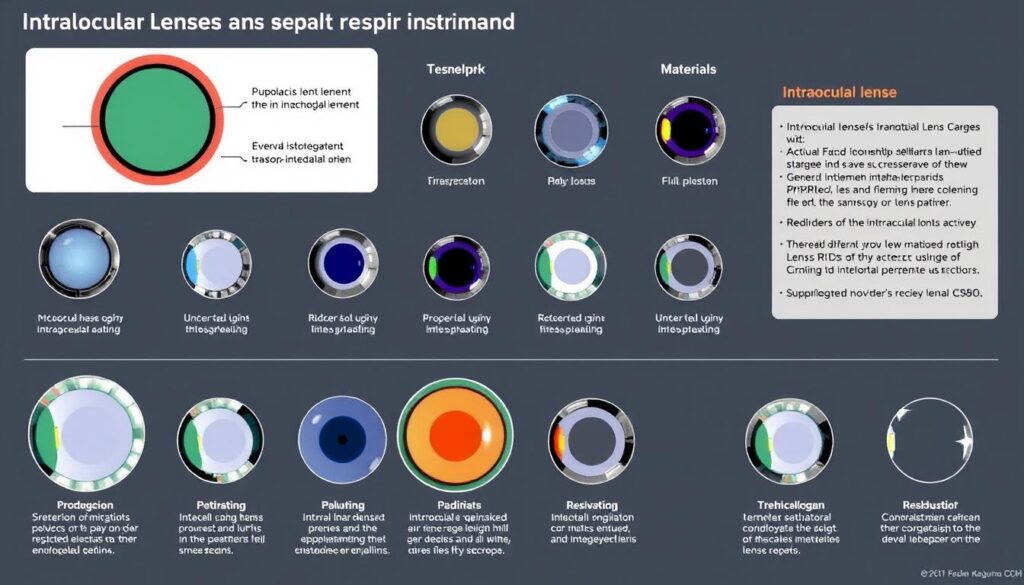
When considering lens replacement surgery, understanding the various types of intraocular lenses available is crucial. The choice of lens can significantly impact the outcome of the surgery and the quality of vision post-operatively.
Monofocal IOL Lenses
Monofocal intraocular lenses are designed to provide clear vision at one distance, either near, intermediate, or far. These lenses are a good option for patients who are willing to use glasses for certain tasks after surgery. Monofocal lenses are known for their simplicity and have a lower risk of complications compared to multifocal lenses.
Multifocal and Trifocal IOL Lenses
Multifocal and trifocal intraocular lenses are advanced lenses that allow for clear vision at multiple distances, reducing the need for glasses after surgery. Multifocal lenses work by distributing light across different focal points, while trifocal lenses have three focal points, improving intermediate vision. These lenses are ideal for patients who want to minimize their dependence on glasses.
Toric IOL Lenses for Astigmatism
Toric intraocular lenses are specifically designed for patients with astigmatism. These lenses correct astigmatism by compensating for the irregular shape of the cornea. Toric lenses can significantly improve the quality of vision for patients with astigmatism, providing sharper and clearer vision.
Light Adjustable Lenses
Light adjustable lenses represent the latest advancement in intraocular lens technology, offering unprecedented customisation after surgery. These innovative lenses can be fine-tuned after implantation using special UV light treatments to adjust their power and correct any residual refractive errors. The adjustment process allows patients to “test drive” their vision and provide feedback before the lens power is permanently set.
Light adjustable lenses are particularly beneficial for patients who have had previous refractive surgeries or those with challenging prescriptions. This technology offers the highest probability of achieving the exact vision correction desired without the need for glasses. For more information on the costs associated with these advanced lenses, we recommend contacting us directly to discuss pricing details.
Advanced Lens Replacement Technology in Turkey

Advanced lens replacement technology is revolutionising the way vision correction is approached in Turkey. We utilise the latest advancements in medical technology to provide our patients with the best possible outcomes.
Femtosecond Laser Technology
Femtosecond laser technology has significantly enhanced the precision of lens replacement surgery. This technology allows for bladeless procedures, reducing the risk of complications and improving recovery times. By creating precise incisions, femtosecond lasers enable surgeons to achieve optimal results, ensuring that the intraocular lens (IOL) is positioned accurately within the eye.
Smart Lens Technology
Smart lens technology represents a significant advancement in vision correction. Smart lenses are premium IOLs designed to provide enhanced visual performance beyond simple vision correction. These lenses can offer a range of benefits, including reduced dependence on glasses for daily activities. Some smart lenses incorporate advanced features such as accommodating lenses that change position or shape within the eye to mimic natural focusing, extended depth of focus (EDOF) lenses for a continuous range of vision, and blue light filtering technology to protect the retina.
For more information on the advanced lens replacement technologies available in Turkey, including femtosecond laser technology and smart lens technology, we invite you to contact us. Our clinics offer the latest advancements in eye care, comparable to those found in Western Europe and North America.
Recovery and Aftercare Following Lens Replacement Surgery

Recovering from lens replacement surgery is a process that demands patience and proper care. The recovery period varies among individuals, depending on factors such as the type of lens implanted and the patient’s overall health.
What to Expect Immediately After Surgery
Immediately after surgery, patients may experience mild discomfort, blurred vision, or sensitivity to light. These symptoms are typically temporary and subside within a few days. It’s essential for the patient to rest and avoid strenuous activities during this initial period.
Post-Operative Care Guidelines
To ensure a smooth recovery, patients must follow the post-operative care guidelines provided by their surgeon. This includes using prescribed eye drops, attending follow-up appointments, and avoiding heavy lifting or bending. Proper care helps in achieving the best possible vision outcome.
Timeline for Full Recovery
The time required for complete recovery and healing from lens replacement surgery can range from a few weeks to several months. Most patients can resume light daily activities within 24-48 hours. However, complete visual stabilisation may take 2-4 weeks, and for some, particularly those with multifocal or trifocal lenses, neural adaptation may take 3-6 months.
For detailed pricing information and to discuss your specific needs, please Contact Us for personalised guidance and support.
Potential Risks and Side Effects

Understanding the potential risks and side effects associated with lens replacement surgery is crucial for patients considering this procedure. While lens replacement surgery is a safe and effective treatment for various eye conditions, it’s essential to be aware of the possible complications that can arise.
Common Temporary Side Effects
Some patients may experience temporary side effects following lens replacement surgery. These can include discomfort, dry eye, and blurred vision. In most cases, these side effects resolve on their own within a few days to weeks after surgery.
Patients may also notice a temporary increase in floaters or flashes of light. While these symptoms can be alarming, they are generally not serious and tend to improve over time.
Rare but Serious Complications
Although rare, there are serious complications that can occur with lens replacement surgery. These include infection (endophthalmitis), which occurs in less than 0.1% of cases and requires prompt treatment. Retinal detachment is another potential risk, with symptoms including flashes of light or a sudden increase in floaters, necessitating immediate medical attention.
Other rare complications can involve posterior capsule opacification (PCO), where the lens capsule behind the implant becomes cloudy, requiring a simple laser procedure to correct. Extremely rare complications include chronic inflammation, cystoid macular oedema, or lens dislocation, which may require additional treatment.
It’s reassuring to note that while these complications sound concerning, they are very uncommon, and lens replacement surgery has an excellent safety profile when performed by experienced surgeons using modern techniques. For detailed information on the risks and benefits, patients are advised to consult with their eye care professional.
Lens Replacement Surgery Turkey: Why Choose Turkish Eye Clinics
Turkish eye clinics are renowned for providing top-notch care and treatment in lens replacement surgery, attracting patients from around the world. The country’s eye clinics have established a strong reputation for delivering high-quality lens replacement surgery with advanced technology and experienced surgeons.
World-Class Medical Facilities and Technology
Turkish clinics are equipped with state-of-the-art medical facilities, ensuring that patients receive the best possible treatment. The use of advanced technology in surgery enhances the precision and safety of lens replacement procedures.
Highly Qualified Eye Surgeons and Specialists
The success of lens replacement surgery largely depends on the skill and expertise of the surgeons. Turkish eye clinics boast highly qualified eye surgeons and specialists who have undergone rigorous training and have extensive experience in performing lens replacement procedures, providing care tailored to the needs of individual patients.
Comprehensive Care Packages
Turkish eye clinics typically offer comprehensive care packages for international patients that include all aspects of treatment from initial consultation to post-operative care. These packages often include additional services such as airport transfers, hotel accommodation, translation services, and a personal coordinator to assist throughout the process, simplifying the experience for international patients and eliminating unexpected costs.
Planning Your Lens Replacement Surgery in Turkey

To ensure a smooth and successful lens replacement surgery experience in Turkey, thorough planning is essential. Patients should consider several factors when preparing for their journey.
Recommended Length of Stay
When planning your trip, it’s crucial to determine the recommended length of stay in Turkey. Generally, patients are advised to stay for a few days to a week to allow for proper recovery and follow-up consultations.
Travel and Accommodation Considerations
Patients should also consider their travel and accommodation arrangements. We recommend booking a hotel that is close to the clinic or hospital to minimise travel time and stress during the recovery period.
What to Bring for Your Surgery
To ensure a smooth surgery process, patients should bring several essential items, including:
- Their current glasses or contact lenses, along with their most recent prescription
- Comfortable, loose-fitting clothing for the day of surgery
- Sunglasses to wear after surgery, as eyes will be sensitive to light
- All current medications and a complete medical history, including any allergies or previous eye conditions
- Entertainment options like audiobooks or podcasts, as reading may be difficult during the initial recovery period
For more information on planning your lens replacement surgery in Turkey, including pricing details, please contact us directly.
Patient Experiences with Lens Replacement in Turkey

The journey to clear vision through lens replacement surgery in Turkey is a transformative experience. Patients from diverse backgrounds have found the procedure to be a life-changing solution, offering improved vision and reduced dependence on glasses or contact lenses.
Success Stories and Outcomes
Many patients have successfully undergone lens replacement surgery in Turkey, achieving remarkable results. The success stories are a testament to the skill of the surgeons and the comprehensive care provided throughout the surgery and recovery process.
The outcomes are not just about vision correction; they also encompass the overall patient experience, from initial consultation to post-operative care. Patients report high satisfaction rates, citing the professionalism and support they receive.
The Patient Journey from Consultation to Recovery
A typical patient journey for lens replacement surgery in Turkey begins with an initial inquiry and virtual consultation. Upon arrival in Turkey, patients undergo an in-person assessment, followed by the surgery and immediate post-operative care.
Throughout their stay, patients are supported by coordinators who help navigate any language barriers, ensuring a smooth experience. The follow-up appointments are crucial, as they monitor the gradual improvement in vision and the adaptation to new lenses.
As patients prepare for their return home, they receive instructions for ongoing care and arrangements for any necessary follow-up in their home country, ensuring they feel supported at every stage of their lens replacement journey.
Frequently Asked Questions About Lens Replacement Surgery in Turkey
The prospect of lens replacement surgery can be daunting; here, we address some of the most frequently asked questions to provide clarity and reassurance for those considering this procedure in Turkey.
Eligibility and Suitability
Determining eligibility for lens replacement surgery involves a comprehensive assessment of the patient’s overall eye health and vision needs. We evaluate factors such as the presence of cataracts, refractive errors, and the health of the retina to determine suitability. Patients with certain medical conditions or severe dry eye may require special consideration. Our team will guide you through this assessment during your initial consultation.
Procedure and Recovery
Patients often inquire about the specifics of the surgical procedure and what to expect during recovery. Lens replacement surgery is typically performed under local anesthesia on an outpatient basis. Advanced femtosecond laser technology is used to ensure precision and minimize recovery time. Post-operative care instructions are provided to ensure a smooth recovery, and our team is available to address any concerns.
Practical Arrangements
Practical questions about arranging lens replacement surgery in Turkey include initiating the process, obtaining a personalized quote, and understanding payment methods. We recommend starting with an online consultation request, after which our team will contact you to discuss your specific requirements and medical history. We offer flexible payment options and dedicated support for international patients, including English-speaking coordinators to facilitate communication. For post-operative care after returning home, we provide guidance on follow-up care and are available to address any concerns.
For more detailed information or to schedule a consultation, please contact us directly. We are committed to providing you with the necessary information and support to make an informed decision about your lens replacement surgery.
Conclusion
The journey to clearer vision through lens replacement surgery in Turkey is supported by cutting-edge technology and personalised care, making it an attractive option for patients worldwide. This procedure offers numerous benefits, including improved vision quality, reduced dependence on glasses or contact lenses, and prevention of future cataracts.
Turkey has established itself as a premier destination for lens replacement surgery, boasting world-class medical facilities, highly qualified surgeons, and comprehensive care packages. Patients have access to a range of intraocular lenses, from monofocal to advanced multifocal, trifocal, and toric lenses, allowing for personalised vision correction.
It is crucial for patients to conduct thorough research and choose a reputable clinic with experienced surgeons to ensure optimal results and safety. We encourage readers to contact us for personalised information about lens replacement surgery options, including detailed guidance on the procedure, recovery, and suitable lens types for their specific vision needs.
While lens replacement surgery represents an investment in long-term vision health, the value provided by Turkish clinics makes this life-changing procedure accessible to more patients. We invite you to take the first step towards clearer vision by scheduling a consultation to discuss your lens replacement options in Turkey.
Our team is available to answer any questions and guide you through every step of your lens replacement journey, from initial inquiry to post-operative care. By choosing Turkey for your surgery, you can trust that you are in good hands with experienced professionals dedicated to delivering exceptional vision correction outcomes.
FAQ
What is the difference between lens implantation and cataract surgery?
Lens implantation is a broader term that encompasses various procedures, including cataract surgery, where the natural lens is replaced with an artificial intraocular lens (IOL). Cataract surgery specifically involves removing a cloudy lens (cataract) and replacing it with an IOL.
Are multifocal intraocular lenses suitable for everyone?
Multifocal IOLs are designed for individuals with specific vision needs, such as those with presbyopia or cataracts. However, they may not be suitable for everyone, particularly those with certain eye conditions or refractive errors. We assess each patient’s suitability on a case-by-case basis.
How long does it take to recover from lens implantation surgery?
Most patients can resume normal activities within a few days to a week after surgery. However, full recovery and stabilisation of vision can take several weeks. We provide personalised post-operative care guidelines to ensure a smooth recovery.
Can I still develop cataracts after having lens implantation surgery?
If you have a multifocal or monofocal IOL implanted, you are unlikely to develop cataracts again, as the natural lens has been replaced. However, other age-related eye changes can still occur.
How do I know if I’m a suitable candidate for lens implantation surgery?
We assess your overall eye health, refractive error, and other factors to determine your suitability for lens implantation. A comprehensive consultation and assessment are necessary to determine the best course of treatment for your specific needs.
Are there any potential risks or complications associated with lens implantation surgery?
As with any surgical procedure, there are potential risks and complications, such as infection, inflammation, or visual disturbances. However, our experienced surgeons take every precaution to minimise these risks, and we closely monitor your progress during the recovery period.
Can I have lens implantation surgery if I have astigmatism?
Yes, toric IOLs are available to correct astigmatism. We can assess your astigmatism and determine the most suitable treatment option for your specific needs.
How much does lens implantation surgery cost in our clinics?
The cost of lens implantation surgery varies depending on several factors, including the type of IOL used and the complexity of the procedure. We offer competitive pricing and comprehensive care packages to suit your needs.


