


Are you tired of relying on glasses or contact lenses to correct your vision? Lens replacement surgery offers a revolutionary solution for individuals seeking to improve their eye health and reduce their dependency on corrective eyewear. This procedure involves replacing the natural lens of the eye with an artificial intraocular lens (IOL) to provide clearer vision.
We will explore the benefits of lens replacement surgery, the procedure itself, and the recovery process, helping you make an informed decision about your vision correction journey. For those considering long-term vision correction, particularly individuals over 40 experiencing age-related vision changes, understanding lens replacement surgery is crucial.
Key Takeaways
- Lens replacement surgery is a permanent solution for various vision problems, including presbyopia, myopia, hyperopia, and astigmatism.
- The procedure involves replacing the natural lens with an artificial intraocular lens (IOL).
- Lens replacement surgery can significantly reduce or eliminate dependency on glasses or contact lenses.
- The surgery is a simple procedure with a high success rate.
- Understanding the different types of lens replacement procedures and lens options is essential for making an informed decision.
Understanding Lens Replacement Surgery
By understanding the process and benefits of lens replacement surgery, individuals can make informed decisions about their eye care. Lens replacement surgery, also referred to as Refractive Lens Exchange (RLE) or Clear Lens Exchange, is a vision correction procedure that involves replacing the eye’s natural crystalline lens with an artificial intraocular lens (IOL).
What Is Lens Replacement Surgery?
Lens replacement surgery is a surgical procedure that corrects vision problems by replacing the natural lens with an artificial one. This surgery is similar to cataract surgery but is performed on individuals without cataracts to correct refractive errors. The procedure is also known as Refractive Lens Exchange (RLE) or Natural Lens Replacement (NLR).
How Lens Replacement Surgery Works
The surgery involves removing the natural lens through a tiny incision and replacing it with an artificial lens. This artificial lens is designed to focus light properly onto the retina, correcting vision problems such as presbyopia, hyperopia, myopia, and astigmatism. Modern lens replacement surgery uses precise microsurgical techniques and customised lenses to achieve optimal vision correction.
Types of Lens Replacement Surgery
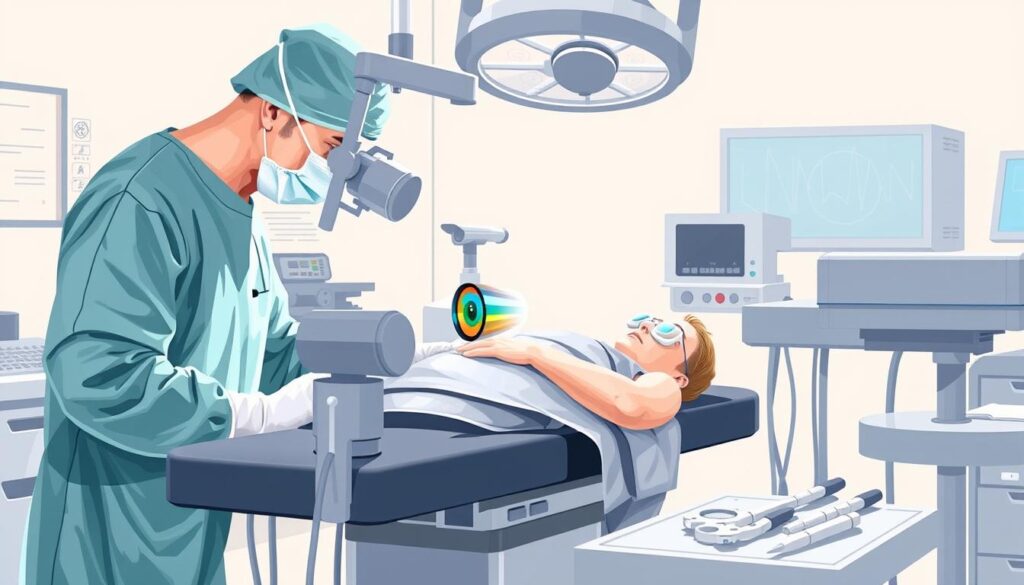
When it comes to lens replacement surgery, there are two primary types that we consider based on individual patient needs. The choice between these types depends on several factors, including the patient’s age, prescription strength, and overall eye health.
Refractive Lens Exchange (RLE)
Refractive Lens Exchange (RLE) is a procedure where the natural lens is completely removed and replaced with an artificial intraocular lens (IOL). This type of surgery is particularly beneficial for patients over 40 experiencing presbyopia or other age-related vision changes. RLE is also an excellent option for individuals who are not suitable candidates for laser eye surgery due to thin corneas, dry eyes, or high prescriptions. Moreover, RLE has the added benefit of preventing cataracts from developing later in life.
Phakic Intraocular Lens (PIOL) Surgery
Phakic Intraocular Lens (PIOL) surgery differs from RLE in that the natural lens is preserved, and the artificial lens is placed in front of it. This makes PIOL surgery more suitable for younger patients with high prescriptions who still have a functioning natural lens. PIOL surgery is often recommended for patients between 21 and 40 years of age who have stable prescriptions but are not candidates for laser eye surgery due to the strength of their prescription.
The decision between RLE and PIOL surgery is made after a thorough assessment during the consultation, taking into account factors such as age, prescription strength, and overall eye health. For more information on which type of lens replacement surgery is right for you, we encourage you to contact us to discuss your options in more detail.
Benefits of Lens Replacement Surgery
Lens replacement surgery is not just a corrective procedure; it’s a pathway to a life free from the constraints of glasses and contact lenses. The benefits of this surgery are multifaceted, making it an attractive option for individuals with various vision problems.
Enhanced Visual Clarity
The procedure provides comprehensive vision improvement, correcting issues at multiple distances (near, intermediate, and far) depending on the type of lens selected. This results in dramatically enhanced visual clarity and quality, allowing patients to enjoy a wider range of activities without the hindrance of poor eye sight.
Freedom from Corrective Eyewear
One of the most appreciated benefits is the freedom from dependency on glasses and contact lenses. This eliminates the inconvenience, discomfort, and ongoing costs associated with these visual aids, significantly improving the quality of life for individuals who undergo the surgery.
Prevention of Future Cataracts
Since the natural lens is removed during refractive lens exchange (RLE) procedures, patients are permanently protected against developing cataracts in the future. This prevents the need for cataract surgery later in life, providing a long-term solution to vision problems and reducing the risk of cataract-related complications.
To learn more about how lens replacement surgery can benefit you, we encourage you to contact us for detailed information and personalized advice.
The Lens Replacement Surgery Procedure

The lens replacement surgery procedure is a sophisticated yet straightforward process that typically takes about 15-20 minutes per eye, with patients usually remaining awake but sedated during the treatment. This surgery involves replacing the natural lens with an intraocular lens (IOL) to improve vision.
Before the Procedure: Preparation
Before the procedure, patients undergo comprehensive eye examinations and measurements to determine the appropriate lens power and type. Pre-operative instructions may include temporarily stopping certain medications and using prescribed eye drops.
During the Procedure: What to Expect
On the day of surgery, anaesthetic eye drops are administered to numb the eye, and sedative drops are used to dilate the pupil. A specialist creates a micro-incision at the edge of the cornea, through which the natural lens is broken down using ultrasound technology and gently removed. The custom-selected intraocular lens is then carefully inserted through the same tiny incision.
After the Procedure: Initial Recovery
Immediately after the procedure, patients rest briefly before being provided with detailed aftercare instructions, protective eye shields, and necessary medications. Most patients notice vision improvements within 24-48 hours after surgery, with distance vision typically stabilising first.
For more information on the lens replacement surgery procedure and to discuss your specific needs, please contact us to schedule a consultation.
Types of Intraocular Lenses (IOLs)
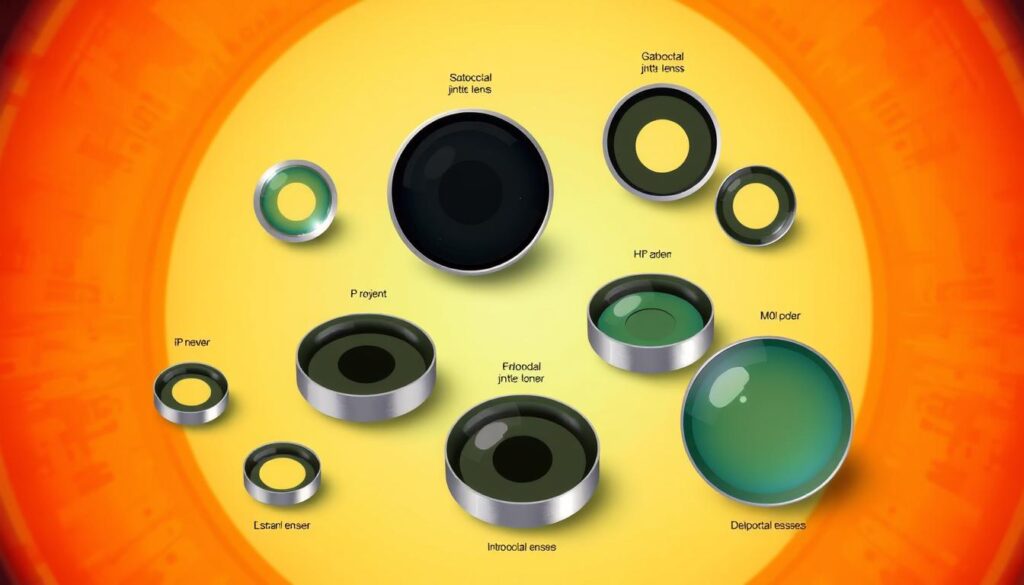
Intraocular lenses (IOLs) come in various types, each designed to meet different visual needs and expectations. The success of lens replacement surgery largely depends on selecting the right type of IOL to match your lifestyle, visual needs, and expectations.
Monofocal Lenses
Monofocal lenses are the most basic option, designed to provide clear vision at one specific distance, typically far distance. They are ideal for patients who don’t mind wearing reading glasses for near vision tasks or who have a strong preference for optimised distance vision.
Multifocal and Trifocal Lenses
Multifocal and trifocal lenses represent advanced technology that allows patients to see clearly at multiple distances—near, intermediate, and far—significantly reducing or eliminating the need for glasses for most daily activities. Trifocal lenses use innovative optical designs with layered concentric circles that simultaneously correct vision at all distances, unlike varifocal glasses that require head movement to find the correct focus point.
Specialised Lenses for Specific Needs
Specialised lenses are available for specific visual needs, including toric lenses for astigmatism correction, extended depth of focus (EDOF) lenses for enhanced intermediate vision, and accommodating lenses that move slightly within the eye to change focus. The choice of lens depends on factors such as your prescription, lifestyle needs, and whether you have conditions like astigmatism that require special correction.
Premium lenses may offer additional benefits such as enhanced contrast sensitivity, reduced glare, and better night vision, making them particularly valuable for patients with active lifestyles or demanding visual requirements. To determine the most suitable lens for your needs, it is essential to consult with a professional.
Eligibility for Lens Replacement Surgery
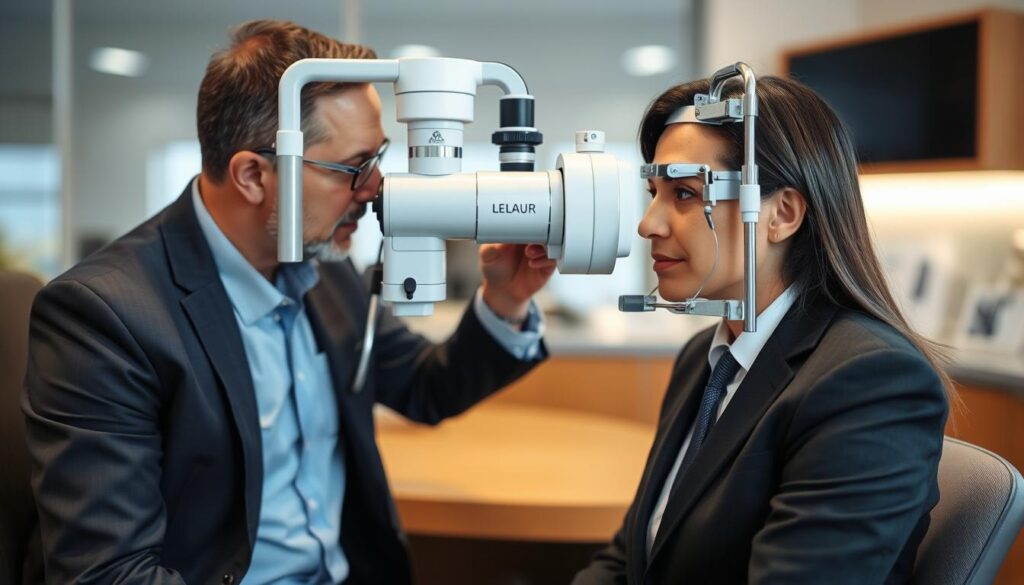
Understanding who is eligible for lens replacement surgery is essential for potential candidates. Lens replacement surgery, a procedure to correct vision by replacing the natural lens with an artificial one, is not suitable for everyone.
Ideal Candidates
Ideal candidates for lens replacement surgery are typically adults over 40 experiencing presbyopia, or age-related difficulty with near vision. These patients often wish to reduce their dependence on reading glasses. Good overall eye health is crucial, with the best candidates having eyes free from significant diseases.
Conditions That May Affect Eligibility
Certain conditions may affect eligibility for lens replacement surgery. These include uncontrolled autoimmune diseases, specific medication usage, and a history of severe eye trauma or retinal detachment. Presbyopia and the presence of a reading prescription are considered during the evaluation process.
To determine your eligibility, a comprehensive eye examination and consultation are necessary. We assess individual factors such as corneal thickness and pupil size to recommend the most appropriate treatment approach. For more information on lens replacement surgery and to discuss your suitability, please contact us to schedule a consultation.
Recovery and Aftercare

The recovery period following lens replacement surgery is a critical phase that demands attention to detail. Understanding the recovery process and adhering to the recommended aftercare guidelines are crucial for optimal results.
Immediate Post-Surgery Care
Immediately after eye surgery, patients receive protective eye shields to wear while sleeping for approximately one week. This precaution helps prevent accidental rubbing or pressure on the eyes during the initial healing phase.
Long-term Recovery Timeline
Most patients can resume light daily activities within 24-48 hours after the treatment. However, it’s generally recommended to take 3-5 days off work to allow for adequate rest and initial recovery.
Follow-up Appointments and Ongoing Care
Follow-up appointments are crucial to monitor healing and assess vision outcomes. Typical scheduling includes a next-day check-up, followed by appointments at 2 weeks and 6 weeks post-surgery. Long-term aftercare involves regular eye examinations every 6-12 months to ensure continued eye health.
Conclusion: Taking the Next Step Towards Better Vision
For many, lens replacement surgery is a life-changing opportunity that not only corrects vision but also enhances overall quality of life. This procedure offers a permanent solution to vision problems, prevents future cataracts, and provides the freedom to enjoy activities without the limitations imposed by glasses or contact lenses.
To determine your suitability for lens replacement surgery, we recommend booking a comprehensive consultation. During this consultation, your eyes will be thoroughly examined, and your visual needs assessed. You’ll have the opportunity to discuss your lifestyle needs, vision goals, and any concerns, enabling us to recommend the most appropriate treatment plan and lens type for your specific situation.
Contact us to schedule your consultation and learn more about how lens replacement surgery could transform your vision and enhance your quality of life.
FAQ
What is the difference between Refractive Lens Exchange (RLE) and cataract surgery?
RLE is a type of lens exchange procedure where the natural lens is replaced with an intraocular lens (IOL) to correct refractive errors, whereas cataract surgery involves removing a cloudy lens (cataract) and replacing it with an IOL. We perform both procedures, and the choice between them depends on the individual’s condition.
Will I still need glasses after lens replacement?
The need for glasses after the procedure depends on the type of IOL chosen. Multifocal and trifocal lenses can significantly reduce dependence on glasses, but some patients may still require them for certain tasks, such as reading or driving at night.
How long does it take to recover from the procedure?
Most patients can resume normal activities within a few days, but full recovery can take several weeks. We provide detailed aftercare instructions to ensure a smooth and safe recovery.
Can I have lens exchange if I have other eye conditions?
Certain eye conditions, such as cataracts, presbyopia, or dry eye, can affect eligibility for lens exchange. We assess each patient’s condition during a comprehensive consultation to determine the best course of treatment.
How much does lens replacement cost?
The cost of the procedure varies depending on the type of IOL chosen and other factors. We provide a detailed breakdown of the costs during the consultation, and our team can help you explore financing options.
Will I experience discomfort during the procedure?
We use local anaesthesia to ensure that the procedure is pain-free. Some patients may experience mild discomfort or dryness after the procedure, but this is typically temporary and manageable with medication.
Can I drive after the procedure?
We advise patients not to drive themselves home after the procedure. Someone should accompany you to drive you home, and you should avoid driving until your vision has stabilised, usually within a few days.
How do I know which type of IOL is right for me?
Our experienced surgeons will help you determine the most suitable IOL based on your lifestyle, preferences, and eye health. We offer a range of IOLs, including monofocal, multifocal, and trifocal lenses, to cater to different needs.


