

Millions of people worldwide have gained freedom from glasses and contact lenses thanks to lazer eye surgery. This revolutionary vision correction procedure has transformed lives, enabling individuals to engage in daily activities, sports, and professional endeavours with clarity and precision.
We understand the impact that clear vision can have on your daily life. With modern laser technology, these surgeries are now safer and more effective than ever before. Our aim is to provide comprehensive information to help you make an informed decision about whether laser eye surgery is right for you.
Key Takeaways
- Discover how lazer eye surgery can revolutionise your vision correction.
- Understand the transformative impact of clear vision on your daily activities.
- Learn about the advanced technology behind modern laser procedures.
- Find out about the quick recovery times and long-lasting results.
- Gain insight into why millions have chosen laser eye surgery.
Understanding Lazer Eye Surgery
The concept of lazer eye surgery might seem complex, but understanding its basics can be straightforward. Lazer eye surgery, also known as laser eye surgery, is a surgical procedure that corrects vision by reshaping the cornea, the clear front surface of the eye.
What is Lazer Eye Surgery?
Lazer eye surgery is a revolutionary procedure that aims to correct refractive errors such as short-sightedness, long-sightedness, and astigmatism. By reshaping the cornea, the surgery enables light to focus properly on the retina, resulting in clear vision.
This eye surgery has become a popular solution for individuals seeking to reduce their dependence on glasses or contact lenses.
How Lazer Eye Surgery Works
The laser eye surgery process begins with detailed mapping of the eye’s unique characteristics, creating a personalised treatment plan. Different types of lasers are used depending on the specific procedure – typically a femtosecond laser to create access to the corneal tissue and an excimer laser to reshape the cornea.
- Laser eye surgery works by precisely reshaping the cornea, which helps focus light onto the retina.
- The laser reshaping process corrects refractive errors by changing how light enters the eye and focuses on the retina.
- Advanced eye-tracking technology ensures the laser remains precisely positioned even if the eye makes tiny movements during the procedure.
To find out more about the costs associated with lazer eye surgery, contact us for the latest pricing details.
Types of Lazer Eye Surgery
Lazer eye surgery is not a one-size-fits-all solution; instead, it comprises multiple procedures designed to address various vision issues. The choice of procedure depends on several factors, including the patient’s lifestyle, the severity of their vision problem, and the shape of their cornea.
LASIK Surgery
LASIK (Laser-Assisted In Situ Keratomileusis) surgery is one of the most commonly performed laser eye surgeries. It involves creating a thin flap in the cornea, which is gently lifted to allow the laser to reshape the underlying tissue.

LASEK/PRK Surgery
LASEK (Laser-Assisted Sub-Epithelial Keratectomy) and PRK (Photorefractive Keratectomy) are similar procedures that involve removing the outer layer of the cornea to allow laser reshaping. These procedures are often recommended for patients with thinner corneas or those who are at risk of eye injury.
SMILE Surgery
SMILE (Small Incision Lenticule Extraction) surgery is a relatively new type of laser eye surgery that corrects vision by removing a small piece of tissue from the cornea through a tiny incision. This minimally invasive procedure supports better corneal stability and reduces the risk of dry eye problems.
- SMILE is an innovative, minimally invasive laser eye surgery procedure.
- It preserves more of the cornea‘s biomechanical strength.
- Patients typically experience less dry eye after SMILE compared to other laser treatments.

Each of these laser eye surgery procedures has its unique benefits and is suited to different patient needs. By understanding the specifics of each type, patients can make informed decisions about their eye surgery.
Benefits of Lazer Eye Surgery
Lazer eye surgery offers numerous benefits that can significantly enhance one’s quality of life. By correcting vision problems, patients can experience a significant improvement in their daily lives.
Freedom from Glasses and Contact Lenses
One of the most significant advantages of laser eye surgery is the freedom it provides from glasses and contact lenses. Patients can enjoy activities without the hassle of corrective eyewear. According to studies, laser eye surgery has a high success rate, with 99.2% of patients achieving 20/20 vision or better following treatment.
- No more reliance on glasses or contact lenses
- Improved sight and overall eye health
- Enhanced self-confidence and psychological well-being
Long-term Vision Improvement
The laser eye surgery procedure provides long-lasting vision improvement. Most patients maintain their improved vision for many years, often for life. The comprehensive pre-surgery assessment ensures that only suitable candidates proceed with treatment, contributing to the high success rates and patient satisfaction.
To learn more about the pricing details for laser eye surgery, we invite you to contact us for more information.
The Lazer Eye Surgery Procedure
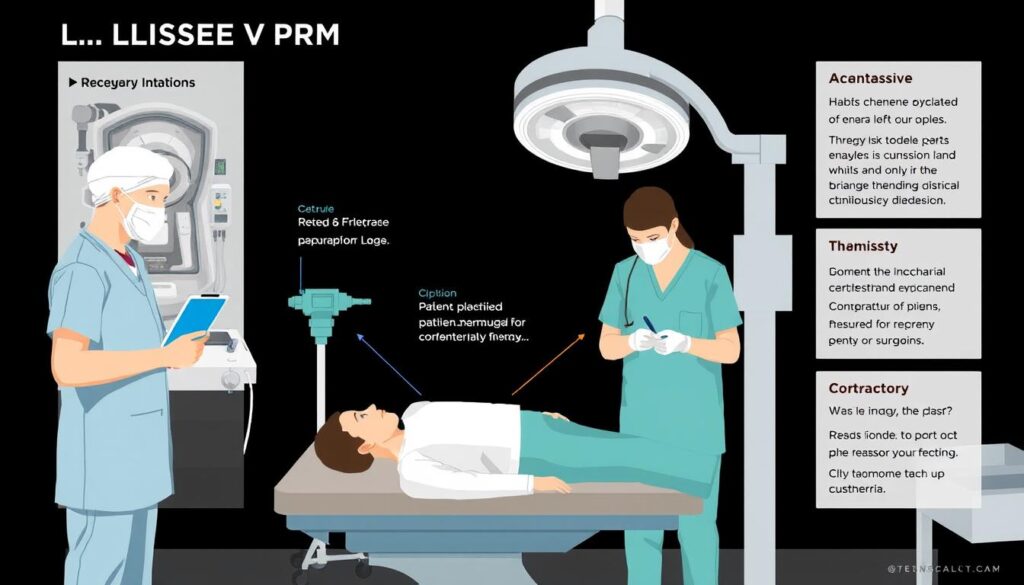
Laser eye surgery has become a popular solution for vision correction, thanks to its effectiveness and advanced technology. The procedure involves several steps, from preparation to the actual surgery, and utilises cutting-edge technology to ensure optimal results.
Preparation Steps
Before undergoing laser eye surgery, several preparation steps are necessary. These include a comprehensive eye examination to determine the suitability of the procedure and to map the unique characteristics of your eyes using advanced systems like iDesign. This innovative technology produces a highly detailed 3D map of the eye, capturing over 1,200 measurements to create a personalised treatment plan.
What to Expect During the Procedure
During the laser eye surgery procedure, you can expect a relatively quick and painless process. The surgery typically takes a few minutes per eye, during which the laser reshapes the cornea according to the personalised treatment plan created earlier. Advanced technologies like Wavefront-guided treatments ensure that the correction is tailored to your unique vision needs, addressing not just common refractive errors but also higher-order aberrations.
Advanced Technology: iDesign and Wavefront
The use of advanced technologies such as iDesign and Wavefront has significantly enhanced the effectiveness of laser eye surgery. iDesign captures detailed measurements of your eye, creating a personalised ‘map’ that is 25 times more accurate than your glasses or contact lens prescription. Wavefront-guided treatments can correct complex vision problems, including night vision issues, glare, and halos, ensuring a more comprehensive vision correction. For more information on our laser eye surgery and to get the pricing details, please contact us so we can guide you through the process.
Recovery and Aftercare
Understanding the recovery and aftercare process is key to enjoying the full benefits of laser eye surgery. Proper care after the procedure ensures optimal healing and the best possible outcome for your vision.
Immediate Post-Surgery Care
Immediately after laser eye surgery, your eyes may feel dry, gritty, or irritated. We recommend resting and avoiding strenuous activities for the first few days. It’s also crucial to follow the prescribed medication regimen, which typically includes antibiotic and anti-inflammatory eye drops, to prevent infection and reduce inflammation.
Recovery Timeline
Your vision may fluctuate during the first few months after eye surgery. It can take up to 3-6 months for your vision to stabilise completely. Most patients experience mild to moderate dry eye during this period and may need to use artificial tears. Visual symptoms like glare and haloes may also occur but usually diminish over time.
Long-term Eye Care
For long-term success after laser eye surgery, it’s essential to:
- Attend regular eye health check-ups, typically recommended annually, to monitor your eye health.
- Continue using preservative-free artificial tears as needed to manage dry eye.
- Wear quality sunglasses outdoors to protect your eyes from UV damage.
- Maintain a healthy lifestyle, including proper nutrition and hydration, to support overall eye health.
By following these guidelines, you can enjoy the long-term benefits of your laser eye surgery and maintain optimal eye health.
Are You a Suitable Candidate for Lazer Eye Surgery?
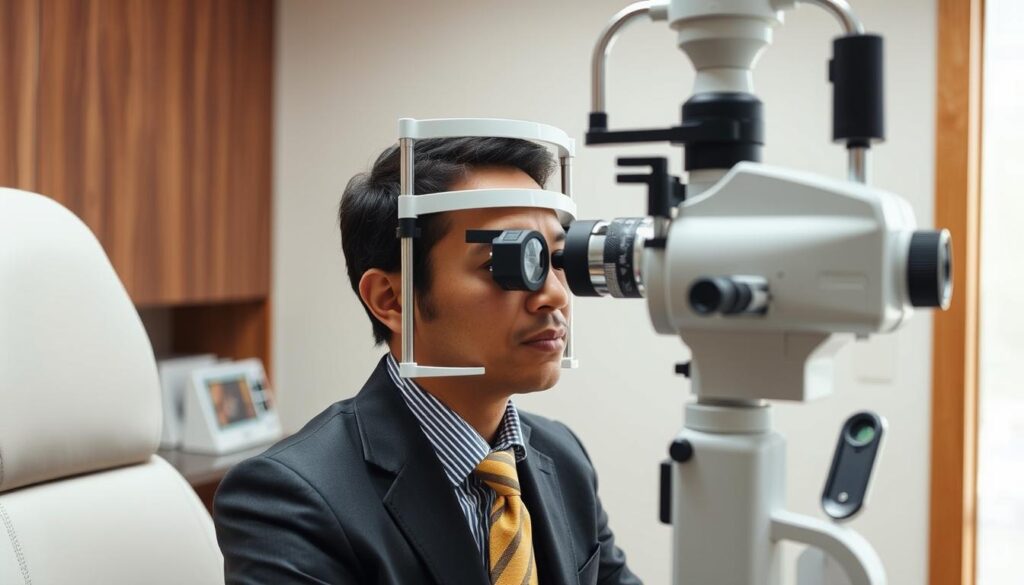
Understanding whether laser eye surgery is right for you involves examining several important aspects of your eye health. We assess various factors to determine suitability for the procedure.
Ideal Candidates
Typically, ideal candidates for laser eye surgery are those who have had a stable prescription for at least a year, are generally healthy, and have realistic expectations about the outcome. Based on data from 57,346 consultations, 85.2% of patients were found to be suitable for a refractive procedure. This indicates that a significant majority of individuals can benefit from laser eye surgery.
Conditions That May Affect Eligibility
Certain conditions may affect your eligibility for laser eye surgery. These include:
- Eye conditions such as keratoconus (corneal thinning), severe dry eye syndrome, and advanced glaucoma or cataracts.
- Autoimmune disorders like rheumatoid arthritis or lupus, which can impact healing.
- Pregnancy and breastfeeding, which temporarily disqualify candidates due to hormonal fluctuations.
- Extremely high prescriptions that may limit treatment options.
- Thin corneas, which may not safely accommodate tissue removal.
- Unstable vision that has changed significantly in the past 12 months.
- Certain medications, including some acne treatments, that can affect eligibility.
It’s essential to consult with a specialist to determine your suitability for laser eye surgery. They will assess your overall eye health and provide personalized advice. For more information on pricing and to schedule a consultation, please contact us.
Potential Risks and Considerations
Understanding the potential risks associated with laser eye surgery is essential for making an informed decision. While the procedure is widely regarded as safe and effective, it’s crucial to be aware of the possible complications and side effects.
Common Side Effects
Most patients experience some side effects after laser eye surgery, including mild to moderate dry eye, glare, and difficulty driving at night. These symptoms are typically temporary and can be managed with treatment such as artificial tears. In some cases, patients may also experience haloes or other visual disturbances during the initial recovery period.
- Dry eye symptoms can persist for up to six months and may require ongoing management.
- Visual disturbances, such as glare and haloes, are common during the stabilisation period.
Rare Complications
Although serious complications are rare, occurring in less than 1% of cases, it’s vital to be aware of them. These can include infection, under-correction or over-correction, and corneal ectasia. A skilled surgeon will discuss these risks in detail during the consultation, ensuring that patients are fully informed.
- Infection is a serious but rare complication that can be effectively treated with antibiotic drops if identified promptly.
- Under-correction or over-correction may require an enhancement procedure after the eyes have fully healed.
- Corneal ectasia is an extremely rare complication that modern screening techniques are designed to prevent.
To discuss the risks and benefits of laser eye surgery in more detail and to determine if this procedure is right for you, we recommend contacting a specialist for a consultation. They will be able to provide personalised advice and guidance throughout the process.
The Consultation Process
The consultation process is a vital part of your laser eye surgery journey, setting the stage for a successful outcome. During this initial meeting, your specialist consultant surgeon will guide you through the various procedures available, helping to determine which one best suits your individual needs.
What Happens During Your Initial Consultation
At your first consultation, your surgeon will discuss each of the laser eye surgery procedures in detail. They will assess your eye health and vision to recommend the most appropriate treatment. This is also an opportunity for you to ask questions and understand what to expect from the surgery.
As stated by a renowned ophthalmologist, “A thorough consultation is key to a successful laser eye surgery outcome.” Although the exact quote is not available, this emphasizes the importance of this initial consultation.
Questions to Ask Your Specialist
It’s crucial to come prepared with questions for your specialist. Consider asking about their experience with laser eye surgery, the type of technology they use, and the aftercare provided. You may also want to inquire about the potential risks and benefits, as well as the expected recovery time.
- Ask about the surgeon’s qualifications and success rates with patients who have similar prescriptions.
- Enquire about the recommended type of laser eye surgery and why it’s considered the best option for you.
- Discuss the realistic outcomes, including the likelihood of achieving freedom from glasses and contacts.
- Request information about the comprehensive aftercare programme, including follow-up appointments and support.
By asking the right questions, you can ensure that you’re well-informed and prepared for your laser eye surgery journey. To find out more about the costs associated with the procedure, we recommend contacting us directly for personalized pricing information.
Conclusion: Taking the Next Step Towards Clear Vision
Embracing the future of vision correction, laser eye surgery stands out as a reliable and precise solution. This procedure has transformed millions of lives worldwide, offering freedom from glasses and contact lenses with a safe and effective treatment that typically takes less than 30 minutes.
The decision to pursue vision correction is personal, but with modern technology, the procedure has never been safer or more precise. Taking the next step begins with booking a consultation, where you’ll receive personalised advice on the most suitable type of laser eye surgery for your needs.
Consider how improved vision could enhance your daily activities. For specific information about pricing options, we encourage you to contact our team directly. Join the millions who have experienced the life-changing benefits of laser eye surgery and take your first step towards clearer vision today.
FAQ
What is the difference between LASIK, LASEK, and SMILE laser vision correction procedures?
We offer various types of laser vision correction, including LASIK, LASEK, and SMILE. LASIK involves creating a thin flap in the cornea, while LASEK involves removing the outer layer of the cornea. SMILE is a flapless procedure that uses a laser to correct vision. Our specialist will help determine the best procedure for your specific needs.
How long does the laser vision correction procedure take?
The actual laser treatment usually takes around 30 seconds to 1 minute per eye. However, the entire process, including preparation and post-procedure care, can take around 1-2 hours.
What are the potential risks and complications associated with laser vision correction?
As with any surgical procedure, there are potential risks and complications, including dry eyes, infection, and under/overcorrection. However, our experienced surgeons use advanced technology to minimise these risks.
Will I need to take time off work after the procedure?
Most patients can return to work within a few days after the procedure. However, we recommend taking at least 1-2 days off to rest and recover. Your vision may be blurry or hazy immediately after the procedure, so it’s best to have someone accompany you home.
How long does it take to recover from laser vision correction?
The recovery time varies depending on the individual and the type of procedure. Generally, patients can expect their vision to stabilise within a few weeks. We provide detailed aftercare instructions to ensure a smooth recovery.
Can I have laser vision correction if I have astigmatism?
Yes, we can correct astigmatism using laser vision correction. Our advanced technology allows us to treat a wide range of astigmatism prescriptions. Your specialist will assess your eligibility during the consultation.
How do I care for my eyes after the procedure?
We provide detailed aftercare instructions, including the use of eye drops and avoiding certain activities. It’s essential to follow these instructions to ensure a smooth recovery and optimal results.


