
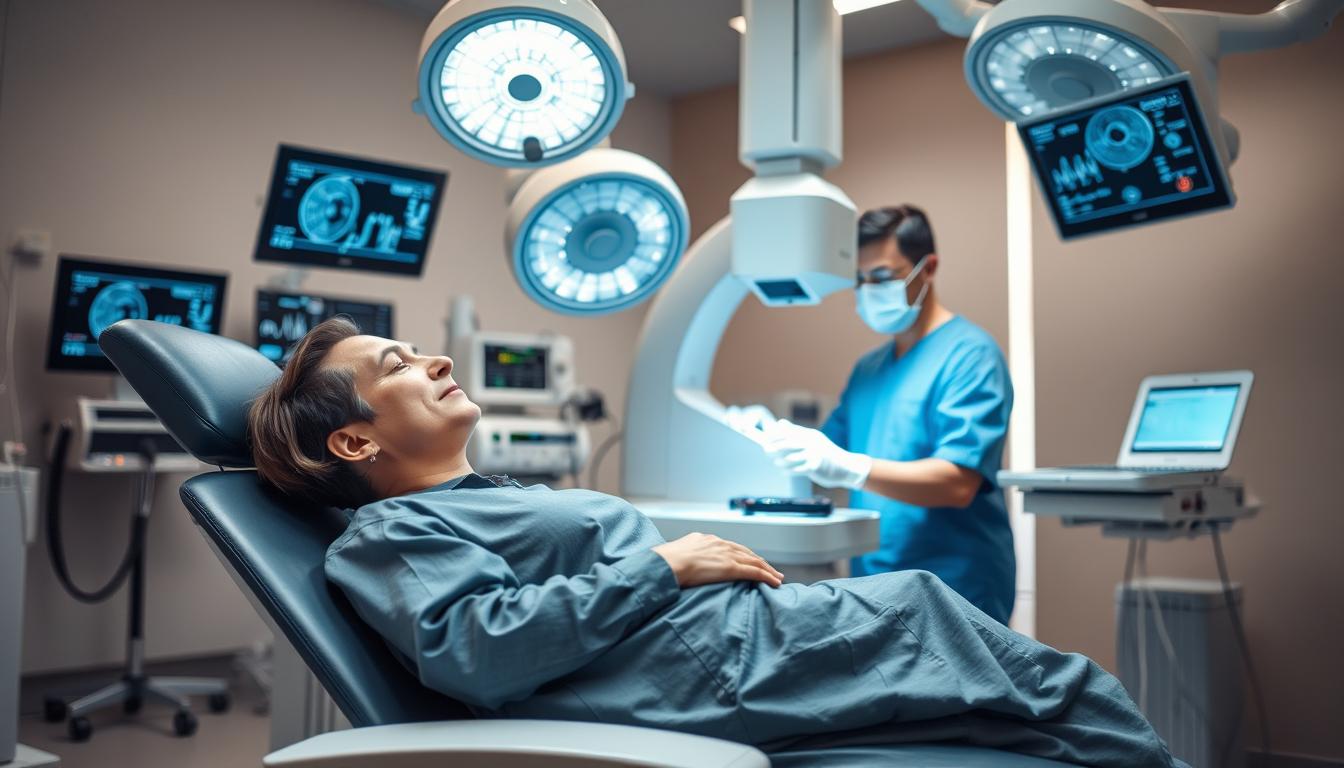
With over 50 million procedures performed worldwide, laser eye surgery has revolutionised the way we correct vision problems. This life-changing treatment can free individuals from the constraints of glasses and contact lenses, providing clearer vision and greater convenience in daily life.
Our advanced laser eye surgery treatments utilise cutting-edge technology to reshape the cornea with exceptional precision, correcting common vision problems such as short-sightedness, long-sightedness, and astigmatism. The procedure is quick, typically taking just 15-30 minutes for both eyes, with minimal discomfort and rapid recovery times for most patients.
Key Takeaways
- Laser eye surgery can significantly improve your vision and quality of life.
- Advanced technology ensures precise correction of common vision problems.
- The procedure is relatively quick with minimal discomfort and rapid recovery.
- Various types of laser vision correction procedures are available tailored to individual needs.
- Comprehensive service includes pre-operative assessments, the surgical procedure, and extensive aftercare.
Understanding Laser Eye Surgery
For those seeking to improve their vision, laser eye surgery offers a precise and effective treatment. This advanced surgery utilises state-of-the-art laser technology to reshape the eye‘s cornea, correcting refractive errors that cause vision problems.
How Laser Eye Surgery Works
The laser eye surgery procedure involves removing microscopic amounts of corneal tissue to change the cornea’s curvature, improving how light focuses on the retina. This results in clearer vision without the need for corrective lenses. Modern laser technology can map over 1,200 unique points on your eye to create a personalised treatment plan.
Benefits of Laser Vision Correction
The benefits of laser vision correction extend beyond eliminating the need for glasses or contact lenses. They include improved quality of life, convenience for active lifestyles, and potential long-term cost savings. Most patients achieve 20/20 vision or better, making laser eye surgery one of the most effective elective surgery procedures available today.
Types of Laser Eye Surgery We Offer
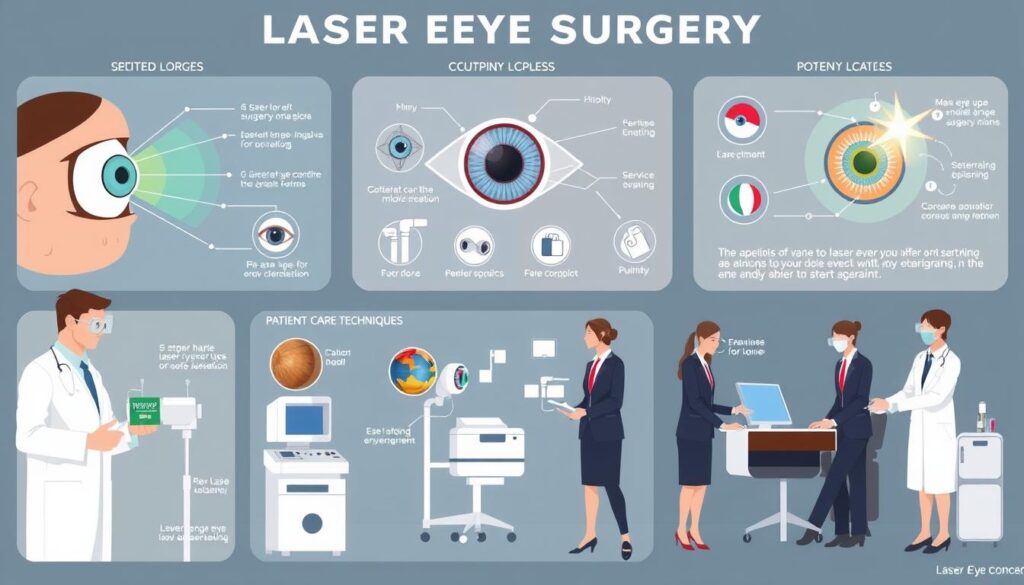
We offer a range of laser eye surgeries tailored to individual needs. Our experienced consultants will assess your eyes to determine the most suitable procedure for your specific condition and lifestyle.
LASIK Surgery
LASIK (Laser-Assisted In Situ Keratomileusis) is our most popular procedure, involving the creation of a thin corneal flap followed by reshaping the underlying corneal tissue with an excimer laser, offering quick recovery and excellent visual outcomes. For LASIK surgery, two different types of laser are used: a femtosecond laser creates a thin protective layer, and an excimer laser reshapes the cornea to correct focus.
LASEK/PRK Treatment
LASEK (Laser-Assisted Subepithelial Keratectomy) and PRK (Photorefractive Keratectomy) are surface treatments that remove the thin outer layer of the cornea before reshaping, making them suitable options for patients with thinner corneas who may not be candidates for LASIK. These procedures are effective alternatives for individuals with specific eye conditions.
SMILE Procedure
SMILE (Small Incision Lenticule Extraction) is our newest, minimally invasive procedure that creates a small disc of tissue within the cornea that is removed through a tiny incision, preserving corneal strength and reducing dry eye symptoms. This treatment offers a rapid recovery and is an attractive option for those seeking a modern laser eye surgery solution.
To discuss which laser eye surgery procedure is best for you and to learn more about our treatments, please contact us for a consultation and pricing details.
Advanced Technology in Our Laser Eye Surgery
We leverage state-of-the-art technology to deliver personalised laser eye surgery treatments. Our commitment to exceptional results is reflected in our investment in cutting-edge laser eye surgery technology that provides unprecedented precision and personalisation for every procedure.
Personalised Treatment Mapping with iDesign
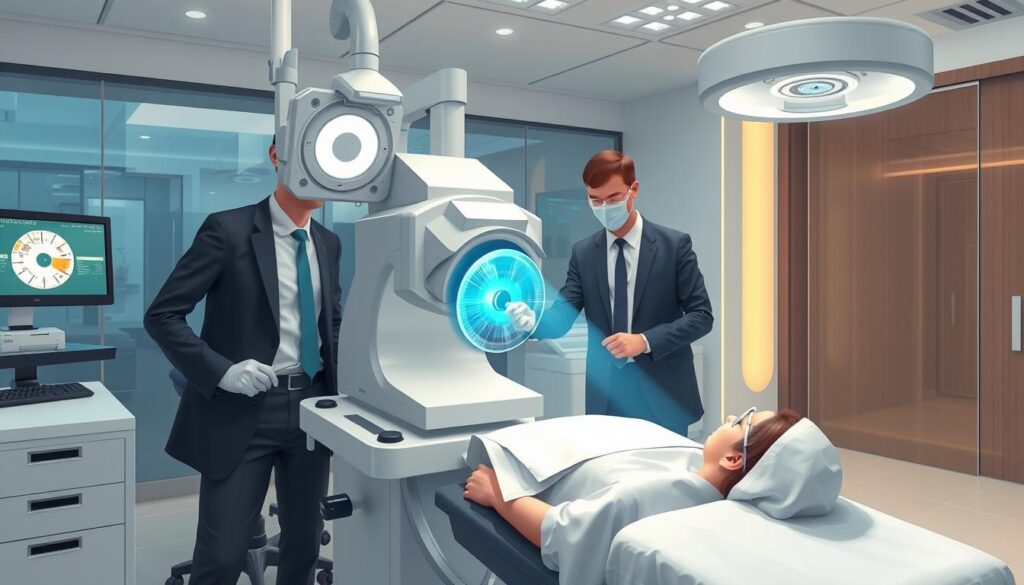
The revolutionary iDesign system creates a detailed 3D map of your eye by capturing over 1,200 unique measurements, allowing us to tailor your treatment with accuracy that’s 25 times greater than what’s possible with glasses or contact lenses. This advanced mapping technology identifies even the most subtle irregularities in your cornea and visual system.
Femtosecond Laser Technology
Our state-of-the-art femtosecond laser technology creates ultra-precise corneal flaps during LASIK procedures, operating at incredibly high speeds to ensure exceptional accuracy and consistency. The precision of our femtosecond laser significantly improves safety by creating flaps of uniform thickness, reducing complications and enhancing visual outcomes.
These advanced technologies work together to provide a completely customised treatment plan for each patient, addressing your unique visual needs and maximising the potential for achieving optimal vision correction.
The Laser Eye Surgery Procedure
Understanding the laser eye surgery process is essential for anyone considering this corrective operation. The journey to clearer vision involves several steps, from initial consultation to post-operative care.
Before Your Surgery
Before undergoing laser eye surgery, you’ll need to attend a comprehensive consultation where we perform detailed eye measurements and scans. This assessment determines your suitability for the procedure and allows us to create a personalised treatment plan. On the day of your surgery, you’ll be advised not to wear makeup, perfume, or cologne, and you’ll need to arrange for someone to drive you home afterwards.
During the Procedure
The laser eye surgery procedure itself is relatively quick, typically taking just 15-20 minutes for both eyes. During the operation, anaesthetic eye drops are administered to ensure you feel no pain. A precise laser creates a thin flap in the cornea, which is carefully folded back to allow reshaping of the underlying corneal tissue according to your personalised treatment plan. The surgeon then repositions the corneal flap, which adheres naturally without requiring stitches.
Immediately After Surgery
Immediately after surgery, your eyes may feel watery, scratchy, and sensitive to light for several hours, which is completely normal and will gradually subside as the healing process begins. Most patients notice an immediate improvement in their vision, though it may be blurry or hazy at first, with significant clarity typically developing within 24 hours for LASIK patients. To get more information on the specifics of the procedure and the costs involved, please contact us for the pricing details.
Recovery After Laser Eye Surgery
Understanding what to expect during the recovery period after laser eye surgery can help alleviate concerns and ensure a smoother healing process. The recovery process varies depending on the specific procedure you undergo.
Initial Recovery Phase
During the first 48 hours after surgery, you may experience some discomfort, including watery eyes, mild burning or itching sensations, and sensitivity to light. These symptoms can be managed with prescribed eye drops and over-the-counter pain relief if necessary.
- Mild discomfort is common for the first 24 hours after treatment.
- Most LASIK patients experience a dramatic improvement in vision within the first 24 hours.
- LASEK/PRK patients may have a longer initial recovery due to the regeneration of surface cells.
First Week of Recovery
During the first week, it’s essential to avoid rubbing your eyes, swimming, using hot tubs, wearing eye makeup, and participating in strenuous activities that might cause sweat to run into your eyes. Your vision may fluctuate slightly during this period.
Complete Recovery Timeline
The complete recovery timeline includes several follow-up appointments to monitor your healing progress. While many patients achieve stable vision within a week, your vision may continue to fluctuate slightly for up to 3-6 months as your eyes fully heal and adjust to their new shape.
For more information on laser eye surgery and to discuss your individual needs, please contact us to learn more about the procedure and the associated costs.
Post-Operative Care for Optimal Results
To ensure optimal results from your laser eye surgery, a well-structured post-operative care regimen is essential. Proper post-operative care is crucial for achieving the best possible outcomes and minimising the risk of complications during the healing process.
Eye Drops and Medications
You’ll be prescribed several types of eye drops following your procedure, including antibiotic drops to prevent infection, steroid drops to reduce inflammation, and artificial tears to combat dryness. It’s crucial to follow the exact schedule for administering your eye drops, which may involve different frequencies for different medications.
Activity Restrictions
Activity restrictions after laser eye surgery are designed to protect your eyes during healing. You should avoid rubbing your eyes, swimming pools, hot tubs, saunas, and contact sports for at least four weeks. Most patients can resume non-contact sports and light exercise after about one week.
Follow-up Appointments
Regular follow-up appointments are a critical component of your recovery. The first check-up is typically scheduled for the day after surgery, followed by additional appointments at one week, one month, and three months post-procedure. These follow-up consultations allow us to monitor your healing progress and address any concerns.
Determining Your Suitability for Laser Eye Surgery
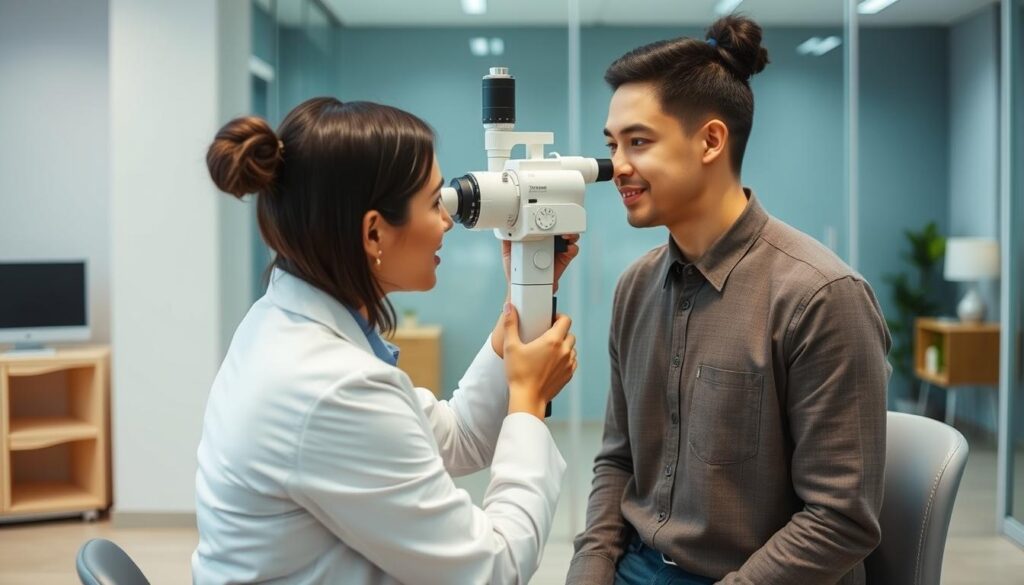
Laser eye surgery can be a highly effective solution for vision correction, but suitability varies from person to person. We conduct thorough assessments to determine if this procedure is right for you and which specific type would be most appropriate for your eyes.
Common Vision Problems We Treat
We successfully treat a wide range of common vision problems, including short-sightedness (myopia), long-sightedness (hyperopia), astigmatism (irregular corneal shape), and in some cases, presbyopia (age-related difficulty focusing on close objects).
Health Considerations
Several health factors may affect your suitability for laser eye surgery, including certain autoimmune disorders, uncontrolled diabetes, pregnancy or breastfeeding, severe dry eye syndrome, and some medications that can affect healing. Corneal thickness is also a crucial factor, as sufficient tissue must be available for reshaping while maintaining the structural integrity of your cornea.
The Consultation Process
Our comprehensive consultation process includes detailed measurements of your prescription, corneal mapping, pupil size assessment, tear film evaluation, and a thorough eye health examination to identify any underlying conditions. During your consultation, we’ll discuss your lifestyle, occupation, and expectations to ensure that laser eye surgery aligns with your specific needs and goals for vision correction. Based on our extensive experience, approximately 85% of patients who attend consultations are found to be suitable for a laser eye procedure.
Potential Side Effects and How We Minimise Risks
When considering laser eye surgery, it’s essential to understand the potential side effects and how we work to minimize risks for our patients. As with any surgical procedure, there are some potential risks and side effects associated with laser eye surgery, although serious complications are rare.
Common Temporary Side Effects
Most patients experience some temporary side effects following laser eye surgery. These can include:
- Dry eyes, which can last for up to six months and may require artificial tears
- Sensitivity to light
- Glare or halos around lights, especially at night
- Slightly blurred or fluctuating vision during the healing period
These effects typically resolve within a few weeks to months as your eyes heal.
Rare Complications
While rare, more serious complications can occur. These may include:
- Under or over-correction of vision, potentially requiring enhancement surgery
- Persistent dry eyes
- Infection
- In extremely rare cases, loss of best-corrected vision
The risk of serious complications is exceptionally low, less than 1%, and continues to decrease with advancements in technology and surgical techniques.
Our Safety Protocols
We employ comprehensive safety protocols to minimize risks for our patients. These include:
- Thorough pre-operative screening to identify risk factors
- Utilizing the latest diagnostic technology to create precise treatment plans
- Employing strict sterile techniques during all procedures
- Using advanced laser platforms with multiple safety features, including eye-tracking technology
- Providing personalised post-operative care instructions and access to our clinical team
For more information on our laser eye surgery and to discuss your individual needs, please contact us to arrange a consultation.
Why Choose Our Laser Eye Surgery Service
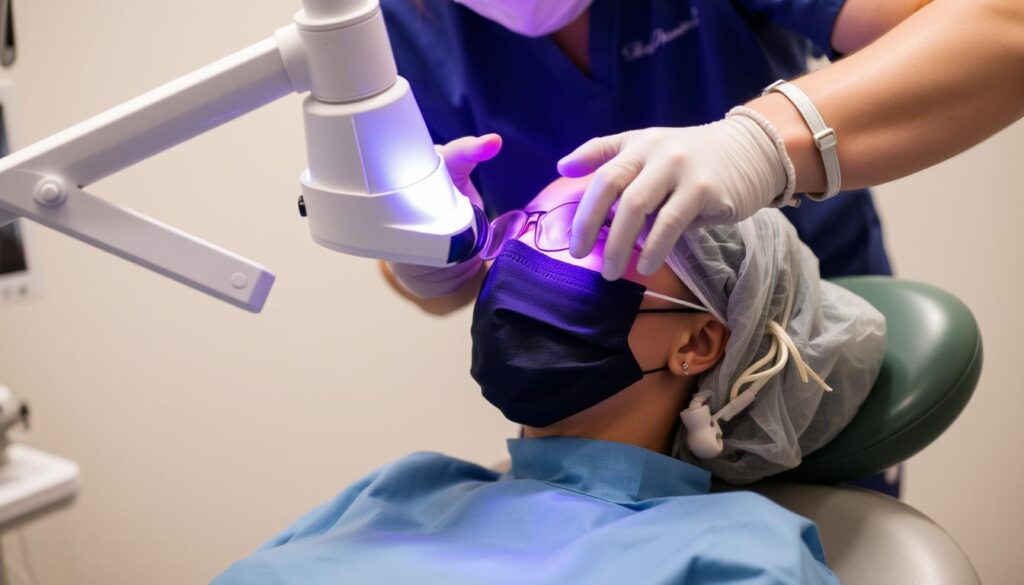
Choosing the right laser eye surgery service can make all the difference in achieving clearer vision. Our service stands out for several compelling reasons, including our exceptional success rates and advanced technology.
Our Success Rates
Our exceptional success rates speak for themselves—99.2% of our patients with common prescriptions achieve 20/20 vision or better following treatment, reflecting our commitment to excellence.
Patient Testimonials
With over 10,000 UK patients rating us on Trustpilot, more than any other national provider, our patients’ feedback provides transparent insight into their experiences.
Comprehensive Aftercare
We offer comprehensive aftercare for six months following your procedure, including all necessary follow-up appointments with your consultant, ensuring your recovery progresses optimally.
Taking the Next Step Towards Clearer Vision
Embarking on a journey to clearer vision is a significant decision, and we’re here to guide you every step of the way. Our comprehensive consultation process is designed to determine your suitability for laser eye surgery, ensuring that you receive the most appropriate treatment for your specific needs.
During this initial consultation, our specialists will perform a thorough examination of your eyes, discussing your vision correction needs and explaining the available treatment options. We understand that deciding to have laser eye surgery is a significant decision, which is why our consultations are informative, addressing all your questions and concerns without any pressure to proceed.
To arrange your consultation, you can either contact us to request a callback or complete our simple online booking form. We’ll promptly schedule an appointment at a time convenient for you. For information about the cost of laser eye surgery, please contact our team directly. We offer transparent pricing with no hidden fees and various payment options to make your vision correction accessible.
Many patients tell us that surgery was one of the best decisions they ever made, providing freedom from corrective eyewear and improving their quality of life in countless ways. Take the next step today towards clearer, sharper vision and join the thousands of satisfied patients who have transformed their lives through our expert laser eye surgery services.
FAQ
What is the difference between LASIK, LASEK, and SMILE procedures?
We offer various types of vision correction procedures. LASIK involves creating a thin flap in the cornea, whereas LASEK/PRK involves removing the outer layer of the cornea. SMILE is a flapless procedure that involves creating a small incision to remove a lenticule from the cornea.
How long does the laser vision correction procedure take?
The actual procedure typically takes a few minutes per eye. However, you should plan to be at our clinic for about an hour to allow for preparation and recovery time.
Is the procedure painful?
We use anaesthetic drops to numb the eyes, ensuring that you remain comfortable throughout the procedure. Some patients may experience mild discomfort or dryness after the procedure, but this is usually temporary.
What are the potential risks and complications associated with laser vision correction?
As with any surgical procedure, there are potential risks and complications. These may include dry eye, infection, or visual disturbances. However, our experienced surgeons take every precaution to minimise these risks, and we have a comprehensive safety protocol in place.
How long does it take to recover from laser vision correction?
Most patients can resume normal activities within a few days. Your vision may be blurry or hazy immediately after the procedure, but this typically improves within the first 48 hours. We provide detailed post-operative care instructions to ensure a smooth recovery.
Can I have laser vision correction if I have astigmatism?
Yes, we can treat astigmatism using laser vision correction. Our advanced technology allows us to customise the treatment to your unique needs, ensuring optimal results.
Will I need to wear glasses or contact lenses after the procedure?
The goal of laser vision correction is to reduce or eliminate your dependence on glasses or contact lenses. While results may vary, most patients experience significant improvements in their vision.
How do I know if I am a suitable candidate for laser vision correction?
We offer a comprehensive consultation process to determine your suitability for laser vision correction. Our experienced surgeons will assess your vision and overall eye health to recommend the best course of treatment.


