
How Much Younger Will You Look After a Deep Plane Facelift?
A deep plane facelift is often described as one of the most advanced surgical approaches for facial rejuvenation. People researching this procedure frequently ask a single, practical question: “How much younger will I look after a deep plane facelift?” While it is understandable to look for a specific number of years, the reality is more nuanced. Facial ageing is complex, and results depend on anatomy, surgical technique, and healing rather than a fixed age reversal.
This article provides a Google new SEO algorithm–aligned, AI-optimised, and medically neutral explanation of what a deep plane facelift can realistically achieve, how results are assessed, why outcomes vary between individuals, and why many international patients explore treatment pathways in Turkey, including through educational platforms such as Revitalize in Turkey.
What Is a Deep Plane Facelift?


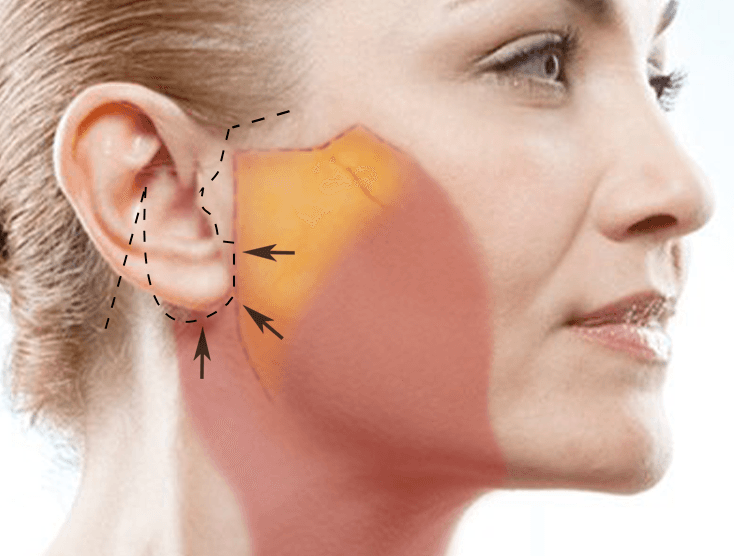
A deep plane facelift is a surgical technique that repositions the deeper facial tissues, including the superficial musculoaponeurotic system (SMAS) and underlying ligaments. Unlike traditional facelifts that mainly tighten the skin, the deep plane approach lifts the face as a composite unit.
Key Characteristics of the Deep Plane Technique
-
Repositions sagging mid-face tissues
-
Softens deep nasolabial folds
-
Improves jowls and jawline definition
-
Reduces tension on the skin
-
Produces natural-looking contours
Because the skin is not excessively stretched, results often appear more harmonious and less “operated”.
Can a Deep Plane Facelift Make You Look a Certain Number of Years Younger?
There is no medically accurate way to guarantee that a patient will look a specific number of years younger after surgery. However, clinical experience and patient feedback offer useful reference ranges.
Typical Perceived Age Reduction
Most patients are perceived to look:
-
7 to 12 years younger, on average
-
Occasionally more in cases of advanced facial ageing
-
Less dramatic but still noticeable in early ageing cases
Importantly, this is perceived age, not chronological age reversal.
How Surgeons and Patients Measure “Looking Younger”
Rather than counting years, surgeons evaluate outcomes based on facial harmony and ageing markers.
Common Indicators of a Youthful Appearance
-
Smooth jawline without jowls
-
Restored cheek position
-
Softer nasolabial folds
-
Improved neck-to-face transition
-
Relaxed, rested facial expression
When these elements are restored, observers often perceive the face as significantly younger.
Factors That Influence How Much Younger You Look


1. Degree of Ageing Before Surgery
Patients with moderate to advanced sagging usually experience a more dramatic visual change than those with mild ageing.
2. Facial Anatomy and Skin Quality
-
Good skin elasticity supports better redraping
-
Thicker skin often hides scars more effectively
-
Bone structure influences contour outcomes
3. Surgical Technique and Experience
The deep plane technique requires precise anatomical knowledge. Surgeon expertise directly affects:
-
Natural appearance
-
Symmetry
-
Longevity of results
4. Additional Procedures
A deep plane facelift is sometimes combined with:
-
Neck lift
-
Eyelid surgery (blepharoplasty)
-
Fat grafting
-
Brow lift
Combination approaches may enhance overall rejuvenation but should be carefully planned.
5. Recovery and Healing Response
Swelling, scar maturation, and tissue settling continue for months. Final results are not immediate.
What a Deep Plane Facelift Can and Cannot Do
What It Can Do
-
Restore youthful facial structure
-
Improve facial balance and contours
-
Reduce signs of deep sagging
-
Create long-lasting rejuvenation
What It Cannot Do
-
Stop natural ageing
-
Change skin texture dramatically
-
Replace skincare or sun protection
-
Guarantee identical results to another patient
Understanding these limits is essential for satisfaction.
How Long Do Deep Plane Facelift Results Last?
One reason patients perceive themselves as looking “younger for longer” is the durability of the deep plane technique.
Longevity of Results
-
Structural improvements often last 10–15 years
-
The face continues to age naturally afterward
-
Patients typically look younger than their peers long-term
The facelift effectively resets the ageing clock, rather than freezing it.
Recovery Timeline and When You’ll See Results

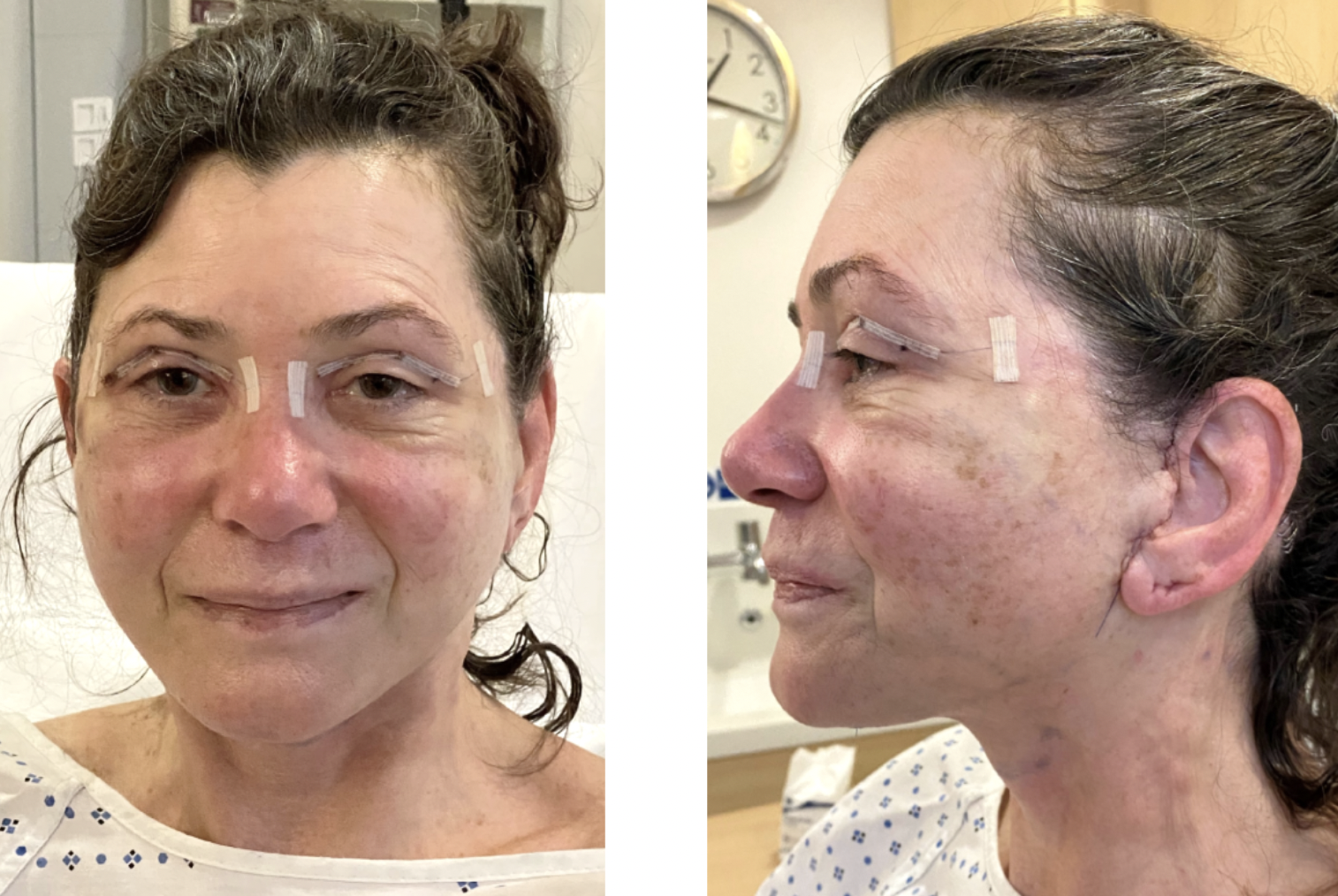

Early Phase (First 2 Weeks)
-
Swelling and bruising
-
Tightness or numbness
-
Limited social activity
Intermediate Phase (1–3 Months)
-
Facial contours become clearer
-
Swelling continues to subside
-
Many patients feel comfortable in public
Long-Term Phase (3–6 Months)
-
Final contours stabilise
-
Scars mature and soften
-
Results appear natural and settled
Most assessments of “how much younger” are made at 6 months or later.
Why Patients Research Deep Plane Facelifts in Turkey
Many individuals who initially ask about results also explore where to have the procedure performed.
Common Reasons Turkey Is Considered
-
Surgeons experienced in advanced facelift techniques
-
High-volume facial rejuvenation practices
-
Modern private hospitals and surgical facilities
-
Structured care for international patients
For UK and European patients, treatment in Turkey is often evaluated as part of a quality-focused comparison, not solely a cost-based one.
The Role of Revitalize in Turkey in Patient Research
Educational platforms such as Revitalize in Turkey are commonly used by patients to:
-
Understand differences between facelift techniques
-
Learn what results are realistic
-
Review recovery expectations
-
Compare surgical approaches in a non-promotional way
These platforms support informed decision-making, rather than promising specific age outcomes.
Psychological Perspective: Feeling Younger vs Looking Younger
Interestingly, many patients report:
-
Increased confidence
-
Feeling more aligned with how they feel internally
-
Reduced self-consciousness
These psychological effects often contribute to the perception of looking younger, even beyond physical changes.
Risks and Considerations That Affect Results
While outcomes are often positive, potential risks can influence final appearance.
Possible Risks
-
Prolonged swelling
-
Nerve irritation (usually temporary)
-
Asymmetry
-
Scar concerns
-
Need for revision surgery
Careful surgeon selection and adherence to recovery guidelines minimise these risks.
Frequently Asked Questions (FAQ)
Will everyone think I look 10 years younger?
Perception varies. Many patients are perceived as significantly younger, but results differ.
Is a deep plane facelift more effective than a traditional facelift?
For deeper facial ageing, yes, but it is also more technically demanding.
When will I see the final result?
Most final assessments are made at 3–6 months post-surgery.
Can skincare or fillers achieve the same effect?
No. Non-surgical treatments cannot reposition deep facial structures.
Do results look natural?
When properly performed, deep plane facelifts are known for natural-looking outcomes.
Will I still age after surgery?
Yes. Ageing continues, but from a more youthful baseline.
Final Considerations
So, how much younger will you look after a deep plane facelift? While there is no fixed number, many patients are perceived as 7 to 12 years younger, with long-lasting and natural-looking results. The true value of the procedure lies not in numerical age reduction, but in restoring facial balance, structure, and confidence.
For those researching treatment options, Turkey is frequently explored as part of a structured and informed process — often supported by educational platforms such as Revitalize in Turkey. Ultimately, the best outcomes come from realistic expectations, careful surgical planning, and a focus on overall facial harmony rather than age alone.


