
For individuals struggling with obesity in the UK, gastric sleeve surgery offers a transformative weight loss solution. This surgical procedure involves reducing the size of the stomach, thereby limiting food intake and altering hunger hormones.
By removing a significant portion of the stomach, the sleeve gastrectomy procedure helps patients achieve significant weight loss and improve their overall health and quality of life. We support our patients throughout their weight loss journey, from initial consultation to long-term follow-up care.
To find out more about how this procedure can transform lives, including improved mobility and reduced comorbidities, contact us for further information on the surgery and to discuss pricing details.
Key Takeaways
- Gastric sleeve surgery is a weight loss solution for individuals with obesity.
- The procedure involves reducing the stomach size to limit food intake.
- Significant weight loss can lead to improved overall health and quality of life.
- Comprehensive support is provided throughout the weight loss journey.
- Successful surgery can result in improved mobility and reduced comorbidities.
Understanding Gastric Sleeve Surgery

Gastric sleeve surgery is a popular weight loss solution in the UK, offering a transformative approach to managing obesity. This surgical procedure involves reducing the size of the stomach, thereby limiting food intake and facilitating significant weight loss.
What is Gastric Sleeve Surgery?
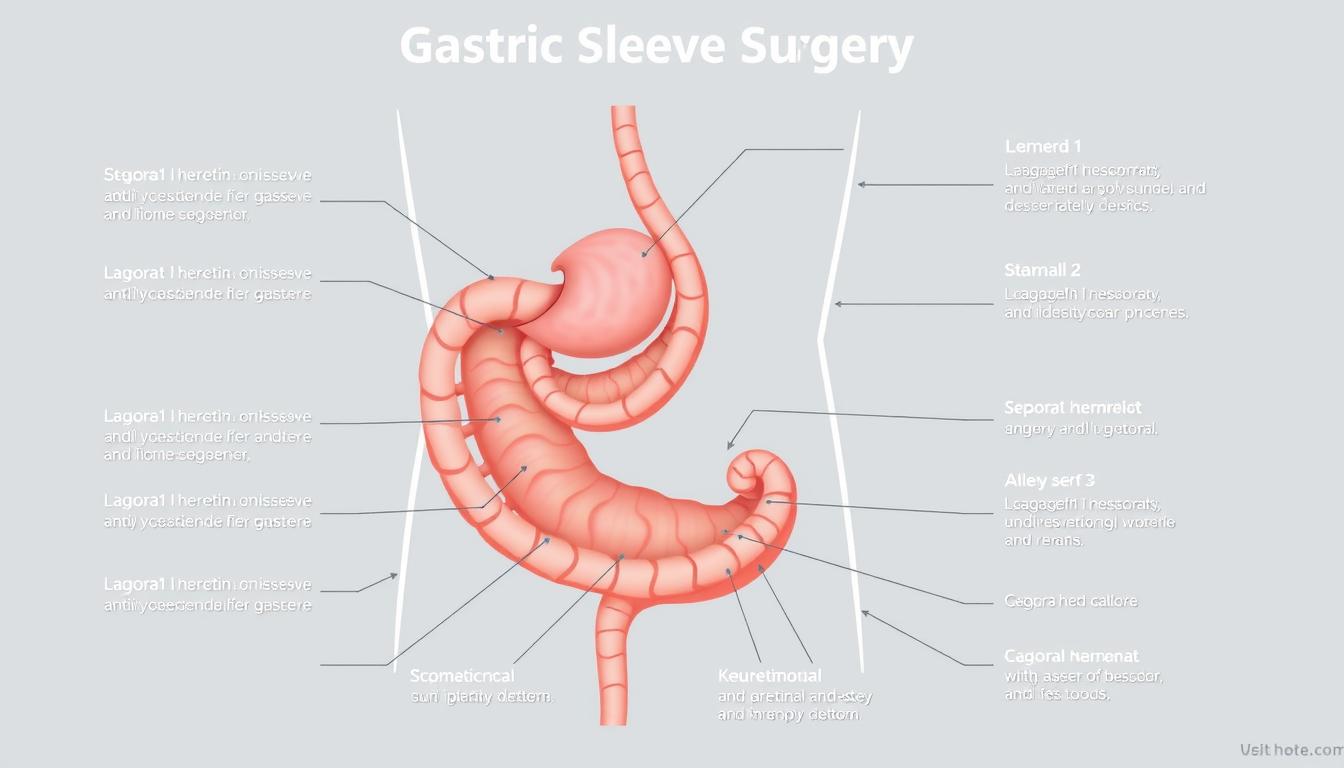
Gastric sleeve surgery, also known as sleeve gastrectomy, is a surgical procedure that reduces the stomach size to approximately 200ml, a significant reduction from its original capacity of about 1500ml. By decreasing the stomach’s volume, the surgery restricts the amount of food that can be consumed, leading to weight loss.
How Gastric Sleeve Differs from Other Weight Loss Procedures
Gastric sleeve surgery differs from other weight loss surgeries, such as gastric bypass and gastric banding. Unlike gastric bypass surgery, which creates a small stomach pouch (around 30ml) and reroutes the digestive system, gastric sleeve surgery removes a large portion of the stomach, leaving a narrow sleeve-like stomach. This difference means that gastric sleeve patients may experience fewer nutritional deficiencies compared to those who undergo gastric bypass surgery. However, the extent of weight loss can vary based on individual factors, including lifestyle changes post-surgery.
When comparing weight loss procedures, it’s essential to consider individual factors, including BMI, health conditions, and personal preferences. Gastric sleeve surgery offers a balance between effectiveness and a relatively lower risk profile, making it a preferred choice for many. For more information on whether gastric sleeve surgery is right for you, contact us to discuss your options and receive personalised guidance.
The Benefits of Gastric Sleeve Surgery
For many, gastric sleeve surgery is a life-changing procedure that offers more than just weight loss. It is a significant step towards improving overall health and quality of life.
Health Benefits Beyond Weight Loss
Gastric sleeve surgery has numerous health benefits beyond weight loss. By reducing the size of the stomach, it helps in managing obesity-related conditions such as type 2 diabetes, hypertension, and sleep apnea. Significant weight loss resulting from the surgery can lead to improved metabolic health and reduced dependency on medications for obesity-related conditions.
Patients who undergo gastric sleeve surgery often experience a reduction in symptoms associated with obesity. This surgery can lead to an overall improvement in physical health, enabling individuals to engage in activities they previously found challenging due to their weight. We emphasize the importance of a healthy lifestyle post-surgery to maintain these benefits.
Long-term Success Rates
The long-term success of gastric sleeve surgery is well-documented, with patients typically losing 60-70% of their excess weight within the first two years. Studies have shown that most patients maintain significant weight loss 5+ years after surgery when adhering to recommended lifestyle changes. Factors contributing to long-term success include ongoing support, behavioral changes, and physiological adaptations that help maintain weight loss.
Success rates are highest among patients who adhere to dietary guidelines, engage in regular physical activity, and attend follow-up appointments. It’s crucial to view gastric sleeve surgery as a tool rather than a cure, requiring a lifelong commitment to healthy habits for optimal long-term results. While there is a risk of weight regain over time, typically affecting 5-10% of patients, this can often be prevented with proper support and lifestyle maintenance.
By understanding the benefits and requirements for long-term success, individuals can make informed decisions about undergoing gastric sleeve surgery. For those considering this procedure, we recommend contacting us for more information on how to proceed.
Qualifying for Gastric Sleeve Surgery in the UK

To undergo gastric sleeve surgery in the UK, certain eligibility criteria must be met. Gastric sleeve surgery is a significant step towards weight loss for individuals struggling with obesity.
BMI Requirements and Health Considerations
Candidates for gastric sleeve surgery typically have a body mass index (BMI) of 40 or higher, or a BMI of 35 or above with an additional health condition that could be improved through weight loss. These health conditions might include type 2 diabetes, high blood pressure, or sleep apnea. Our team assesses each patient’s overall health to determine their suitability for the surgery.
Previous Weight Loss Attempts
Before being considered for gastric sleeve surgery, individuals are expected to have attempted other weight loss methods without achieving lasting results. This includes following a healthy diet and lifestyle, participating in structured weight loss programs, and possibly using weight loss medications. Documenting these attempts is crucial, as it helps our team understand the challenges faced by the patient and tailor post-surgical support accordingly.
Understanding a patient’s history of weight loss attempts and any challenges they faced is vital in determining their suitability for sleeve surgery. It also aids in developing a comprehensive support plan to ensure long-term success after the surgery.
The Gastric Sleeve Procedure Explained
Undergoing gastric sleeve surgery is a life-changing decision that involves a specific surgical technique to achieve significant weight loss. This procedure is designed for individuals struggling with obesity, offering a pathway to a healthier lifestyle.
Laparoscopic Techniques
The sleeve surgery is typically performed using laparoscopic techniques, which involve making several small incisions in the abdomen. This minimally invasive approach allows for a quicker recovery time compared to traditional open surgery. The operation is carried out under general anaesthesia, ensuring the patient remains comfortable throughout the procedure.
What Happens During Surgery
During the surgery, a significant portion of the stomach is removed, leaving a narrow ‘sleeve’ or tube-like stomach. The procedure is irreversible, and the operation is designed to reduce the size of the stomach, thereby limiting food intake and promoting weight loss. The entire surgery typically takes about 1-2 hours to complete.
Hospital Stay Expectations
After the surgery, patients are required to stay in the hospital for monitoring. The length of the stay can vary, but typically, patients are discharged within 1 to 3 days. During this stay, medical staff closely monitor the patient’s condition, manage any pain, and ensure there are no complications. Early mobilisation is encouraged to prevent blood clots and promote healing.
Recovery After Gastric Sleeve Surgery

Recovering from gastric sleeve surgery requires patience, dedication, and a clear understanding of what to expect. The recovery process is a crucial phase that determines the overall success of the gastric sleeve surgery procedure.
Immediate Post-Surgery Recovery
Immediately after surgery, patients are monitored in the recovery room for a few hours. Most patients experience moderate pain and discomfort, which is managed with medication. We provide comprehensive guidance on managing post-operative pain and discomfort.
Returning to Normal Activities
Typically, patients can return to their normal activities within a few weeks. It’s essential to follow the surgical team’s instructions to ensure a smooth recovery. This includes gradually increasing physical activity and avoiding heavy lifting or bending.
Managing Pain and Discomfort
Pain management is a critical aspect of the recovery process. We detail a typical pain medication regimen and discuss non-pharmaceutical techniques such as proper positioning, gentle movement, and breathing exercises. Common sources of discomfort, including gas pain in the shoulders and chest, are also addressed.
For more information on gastric sleeve surgery and to discuss your individual needs, please for a consultation.
Dietary Changes Following Gastric Sleeve Surgery
After undergoing gastric sleeve surgery, patients must adopt significant dietary changes to ensure a smooth recovery and optimal weight loss. The gastric sleeve procedure reduces the size of the stomach, which in turn affects how the body processes food. We guide our patients through these changes to ensure they achieve the best possible outcomes.
Post-Surgery Diet Progression
The diet after sleeve surgery progresses through several stages. Initially, patients are advised to follow a liquid diet, gradually introducing pureed foods and then soft, solid foods. This progression helps the stomach heal and reduces the risk of complications. We recommend that patients prioritize protein-rich foods to support healing and maintain muscle mass.
- Start with a liquid diet immediately after surgery.
- Gradually introduce pureed foods as advised.
- Progress to soft, solid foods once the stomach has healed sufficiently.
Long-term Dietary Guidelines
For long-term success after gastric sleeve surgery, patients must adhere to specific dietary guidelines. We emphasize the importance of consuming 60-80 grams of protein daily to preserve muscle mass and support overall health. Practicing “protein first” eating ensures that nutritional needs are met despite the reduced stomach capacity.
- Prioritize protein intake to support overall health.
- Practice portion control by using smaller plates and measuring food portions.
- Avoid high-sugar foods, carbonated beverages, and highly processed foods.
- Stay hydrated by sipping water throughout the day, avoiding drinking with meals.
By following these dietary guidelines, patients can achieve and maintain significant weight loss, improving their overall health and quality of life. For personalized advice and to learn more about our comprehensive support system, please contact us.
Expected Weight Loss Results with Gastric Sleeve Surgery UK
Understanding the potential weight loss outcomes after gastric sleeve surgery is essential for individuals contemplating this procedure. We will guide you through the expected weight loss timeline and the factors that influence the success of this weight loss surgery.
Typical Weight Loss Timeline
After undergoing gastric sleeve surgery, patients typically experience significant weight loss in the first year. The rate of weight loss is usually most rapid in the first six months, with a gradual slowing down thereafter. On average, patients can expect to lose between 60% to 80% of their excess body weight within 12 to 18 months post-surgery.
- Significant weight loss is often observed in the first 3-6 months.
- The rate of weight loss tends to slow down after the initial period.
- Most patients achieve their maximum weight loss within 1-2 years.
Factors Affecting Weight Loss Success
Several factors can influence the success of gastric sleeve surgery in achieving significant weight loss. Adherence to dietary guidelines is crucial, as consuming high-calorie foods or liquids can undermine the restrictive benefit of the sleeve. Regular physical activity not only burns calories but also helps preserve muscle mass during rapid weight loss.
- Pre-existing medical conditions such as hypothyroidism or diabetes can affect weight loss.
- Psychological factors, including emotional eating patterns and stress management, play a significant role.
- Regular follow-up care and support group participation are vital for long-term success.
For more information on our comprehensive support system, including pre-surgery education and post-surgery follow-up care, please contact us to discuss your options and create a personalized plan for your weight loss journey.
Potential Risks and Complications
Understanding the complications associated with gastric sleeve surgery is crucial for informed decision-making. While gastric sleeve surgery is generally considered safe and effective, like any surgery, it comes with potential risks and complications.
Common Side Effects
Common side effects of gastric sleeve surgery include nausea, which can be a result of the surgery itself or the significant dietary changes that follow. Some patients may also experience acid reflux, a condition that can often be managed with medication. Additionally, the rapid weight loss associated with sleeve surgery can lead to excess skin, which may be a concern for some individuals.
It’s also worth noting that vitamin and mineral deficiencies can occur if the post-surgery diet is not well-planned. Patients are advised to follow a strict dietary regimen and supplement their diet as recommended by their healthcare provider to mitigate these risks.
Serious Complications and Their Management
Serious complications, although rare, can occur. These include bleeding complications, both during and after surgery, and the risk of blood clots, which can lead to deep vein thrombosis or pulmonary embolism. Patients are often given blood-thinning medications and encouraged to mobilize early to reduce these risks.
Another potential complication is a staple line leak, occurring in approximately 1-2% of cases. Symptoms include persistent pain, fever, and vomiting. If diagnosed, treatment can range from conservative management to surgical intervention. Stenosis or stricture of the stomach is another complication that may require endoscopic dilation.
If you experience any worrying side effects, it’s crucial to contact your healthcare team immediately. We emphasize the importance of recognizing warning signs that require immediate medical attention, such as persistent pain, fever, vomiting, or difficulty swallowing.
Life After Gastric Sleeve Surgery
Gastric sleeve surgery is a life-changing procedure that requires a long-term commitment to a healthy lifestyle. After the surgery, patients undergo significant physical and emotional changes that are crucial for achieving and maintaining weight loss.
Physical and Emotional Changes
Following gastric sleeve surgery, patients often experience a range of physical and emotional changes. Adjusting to new eating habits is crucial, as the reduced stomach size necessitates changes in dietary patterns. Patients are advised to prioritize protein intake, control portion sizes, and practice mindful eating to ensure they are getting the necessary nutrients.
Emotionally, patients may experience a mix of feelings, from relief and excitement about their weight loss journey to anxiety about adapting to their new lifestyle. Support systems play a vital role during this period, whether through support groups, online communities, or regular check-ins with healthcare providers.
Maintaining Your Weight Loss Long-term
To maintain weight loss long-term after gastric sleeve surgery, patients must adopt a sustainable lifestyle that includes regular physical activity and healthy eating habits. We recommend at least 150 minutes of moderate exercise weekly, along with strength training to maintain muscle mass and metabolic health.
- Continue to follow nutritional guidelines to prevent deficiencies.
- Regularly monitor nutritional status through blood tests and supplementation as needed.
- Stay engaged with support systems to maintain motivation and address any concerns.
For those considering gastric sleeve surgery or looking for more information on maintaining weight loss, we encourage you to contact us for personalized guidance and support.
Our Comprehensive Support System

We understand that undergoing gastric sleeve surgery can be daunting, which is why we’ve developed a comprehensive support system to support your journey. Our team is dedicated to providing care and guidance throughout your weight loss journey.
Pre-Surgery Support and Education
Before your sleeve surgery, our specialist team will provide you with thorough education and support to prepare you for the procedure and the lifestyle changes that follow. This includes guidance on dietary adjustments and expectations for your recovery period.
Post-Surgery Follow-up and Care
After your surgery, we offer a structured follow-up program that includes regular check-ups at 2 weeks, 6 weeks, 3 months, 6 months, 12 months, and annually thereafter. Our specialist dietitians will help you progress through diet stages and develop healthy eating habits. Regular blood tests will be conducted to monitor for potential nutritional deficiencies. Additionally, our support groups and workshops provide valuable peer support and continued education on topics relevant to post-bariatric surgery life.
Taking the Next Step Towards a Healthier Life
The journey to a healthier you through gastric sleeve surgery starts with a confidential discussion with our experienced bariatric team. To take the next step, simply get in touch with us to arrange an initial consultation.
Before contacting us, it’s helpful to have your weight history and any previous weight loss attempts ready, along with details of your current health conditions. This information will enable us to provide you with personalized guidance and support.
During the consultation, we’ll answer all your questions about the sleeve surgery procedure and address any concerns you may have without pressure. You’ll receive detailed information about our comprehensive program, including support services and pricing details tailored to your needs. To begin, simply contact us via phone, email, or our website contact form.
FAQ
What is the typical recovery time after undergoing weight loss procedures?
We typically advise patients to plan for a recovery period of around 2-4 weeks, during which time they should avoid strenuous activities and follow a specific post-operative diet. The exact recovery time may vary depending on individual factors, such as overall health and the complexity of the procedure.
Will I need to make significant changes to my diet after the operation?
Yes, after the procedure, we recommend a gradual progression from liquid to solid foods over several weeks. In the long term, patients are advised to follow a balanced diet, focusing on nutrient-rich foods and avoiding high-calorie or high-fat foods.
How much weight can I expect to lose following the weight loss procedure?
The amount of weight loss varies from person to person, but on average, patients can expect to lose around 60-70% of their excess weight within the first year after the procedure. Factors such as starting weight, overall health, and adherence to post-operative guidelines can influence weight loss results.
Are there any potential complications or risks associated with the procedure?
As with any major operation, there are potential risks and complications, including bleeding, infection, and adverse reactions to the anaesthetic. We take every precaution to minimise these risks and closely monitor patients during and after the procedure.
Will I be able to eat normally after the procedure?
After the procedure, the size of the stomach is significantly reduced, which means patients will feel full more quickly and should eat smaller, more frequent meals. While patients can still enjoy a variety of foods, they may need to adjust their eating habits to accommodate their new stomach size.
How will I be supported during the recovery process?
We provide comprehensive support to our patients, including pre-operative education, post-operative follow-up care, and ongoing guidance to help them achieve the best possible results. Our team is available to address any questions or concerns patients may have throughout their journey.


