
For individuals struggling with obesity, weight loss surgery can be a life-changing solution. One popular method is the gastric sleeve procedure, a type of bariatric surgery designed to reduce the size of the stomach, thereby limiting food intake and promoting feelings of fullness.
Turkey has emerged as a leading destination for those considering this surgery due to its unique blend of quality healthcare and affordability. While the cost of undergoing a gastric sleeve operation can vary based on several factors, we will explore what influences these expenses and what patients can expect.
To get the most accurate and personalised pricing information, we recommend contacting us directly. This ensures that you receive a quote tailored to your specific needs and circumstances.
Key Takeaways
- Turkey offers a compelling combination of quality and affordability for gastric sleeve surgery.
- The cost of the procedure can vary based on several factors, including the clinic and services included.
- It’s crucial to research thoroughly to ensure you’re making an informed decision.
- Contacting a reputable service provider directly can provide you with personalised pricing.
- Understanding what’s included in the package is vital to avoid unexpected expenses.
Understanding Gastric Sleeve Surgery
The gastric sleeve procedure is a significant advancement in bariatric surgery, providing an effective means of weight loss. This surgery is also known as sleeve gastrectomy.
What is a Gastric Sleeve Procedure?
Gastric sleeve surgery is a permanent bariatric procedure that reduces the stomach’s size by approximately 75-80%. The sleeve surgery creates a banana-shaped stomach “sleeve” that restricts food intake and reduces hunger hormone production. Unlike some other bariatric surgeries, gastric sleeve doesn’t involve rerouting the intestines or placing foreign objects in the body.
- The procedure involves removing a large portion of the stomach, leaving a narrow gastric sleeve.
- This sleeve restricts the amount of food that can be consumed.
- The surgery is a permanent solution for weight loss.
How the Surgery is Performed
The gastric sleeve surgery is typically performed laparoscopically under general anesthesia. Several small incisions are made in the abdomen, through which a camera-equipped laparoscope and surgical instruments are inserted. The surgeon removes about 75-80% of the stomach and staples the remaining section to create the sleeve shape. The sleeve surgery usually takes between 60-90 minutes to complete.
For detailed pricing information on undergoing gastric sleeve surgery in Turkey, we recommend contacting us directly. Our team will be happy to provide you with the most up-to-date information and guide you through the process.
Benefits of Gastric Sleeve Surgery
Gastric sleeve surgery offers numerous benefits for individuals struggling with obesity. This surgical procedure has been shown to be highly effective in achieving significant weight loss and improving overall health.
Weight Loss Expectations
Patients typically lose 60-70% of their excess weight within one to two years after undergoing gastric sleeve surgery. Weight loss occurs most rapidly in the first 6 months and continues at a slower pace for up to 18-24 months post-surgery. The gastric sleeve procedure is one of the most effective options for long-term weight management.
- Significant weight loss within the first two years
- Rapid weight loss in the initial 6 months
- Sustained weight loss for up to 18-24 months
Health Improvements After Surgery
The sleeve surgery can lead to significant health improvements, including the potential resolution or improvement of conditions such as Type 2 diabetes, high blood pressure, sleep apnea, and joint pain. Many patients experience better physical mobility, improved self-esteem, and a more active lifestyle. The removal of the stomach portion that produces ghrelin, the “hunger hormone,” contributes to reduced appetite, making dietary compliance easier.
- Improvement or resolution of obesity-related health conditions
- Enhanced physical mobility and self-esteem
- Reduced appetite due to the removal of ghrelin-producing stomach portion
To learn more about how gastric sleeve surgery can benefit you and to get the most up-to-date pricing information, we recommend that you contact us directly. Our team is available to provide personalized guidance and support throughout your weight loss journey.
Why Choose Turkey for Gastric Sleeve Surgery
Gastric sleeve surgery in Turkey has gained popularity due to its unique blend of quality and affordability. Turkey has become a leading destination for medical tourism, particularly for bariatric procedures like gastric sleeve surgery.
Medical Tourism in Turkey
Turkey’s strategic location between Europe and Asia makes it easily accessible for international patients, especially those from the UK. The country offers budget-friendly, all-inclusive packages that make traveling for a gastric sleeve both affordable and convenient.
Quality of Healthcare Facilities
Turkey has invested significantly in its healthcare infrastructure, with many facilities designed to cater to international patients. Turkish medical facilities are known for their high standards, with many having international accreditations such as JCI (Joint Commission International). Moreover, many Turkish bariatric surgeons have trained internationally and have extensive experience performing sleeve procedures.
For more information on how to proceed with gastric sleeve surgery in Turkey, including details on what’s included in our packages, contact us to discuss your options and receive a personalized quote.
Factors Affecting Gastric Sleeve Cost Turkey

Several elements contribute to the overall cost of gastric sleeve surgery in Turkey. The gastric sleeve cost can vary significantly depending on several key factors that influence the final price.
Surgeon Experience and Expertise
The experience and qualifications of the surgeon play a significant role in determining the cost. More experienced surgeons, with a proven track record of successful surgeries, typically charge higher fees due to their expertise and the higher success rate they offer.
Hospital Standards and Accreditation
The standards and accreditations of the hospital also impact the cost. Hospitals with international accreditations, such as JCI, often have higher fees due to their adherence to rigorous quality and safety standards.
Type of Procedure and Technology Used
The type of procedure and technology used during gastric sleeve surgery can also affect the cost. Advanced techniques like robotic-assisted surgery or laparoscopic surgery can increase the overall price compared to more standard methods.
When considering gastric sleeve surgery in Turkey, it’s essential to balance the cost against quality and safety factors. While cost is an important consideration, it should not be the only factor in choosing a provider.
Gastric Sleeve Cost: Turkey vs. UK Comparison
Gastric sleeve surgery costs differ substantially between Turkey and the UK, making it essential to understand the factors influencing these costs. When evaluating the financial aspects of this surgery, it’s crucial to consider not just the initial cost but also the overall value proposition offered by clinics in both countries.
Understanding the Price Difference
The cost of gastric sleeve surgery in Turkey is generally lower compared to the UK. Several economic factors contribute to this difference, including lower operational expenses, cost of living, and labour costs in Turkey. The competitive medical tourism market in Turkey has also played a significant role in keeping prices affordable while maintaining high standards of care. For the most accurate and up-to-date pricing, we recommend contacting us directly.
Value Considerations Beyond Price
While cost is an important factor, it’s equally crucial to consider the quality of care, surgeon expertise, and facility standards when choosing a clinic. Turkish clinics specializing in medical tourism often provide comprehensive packages that include travel, accommodation, medication, and post-operative care. In contrast, UK private healthcare may charge separately for these services, potentially increasing the overall cost. When comparing options, consider the total cost of treatment, including any additional expenses for travel, accommodation, and follow-up care.
What’s Included in Turkish Gastric Sleeve Packages
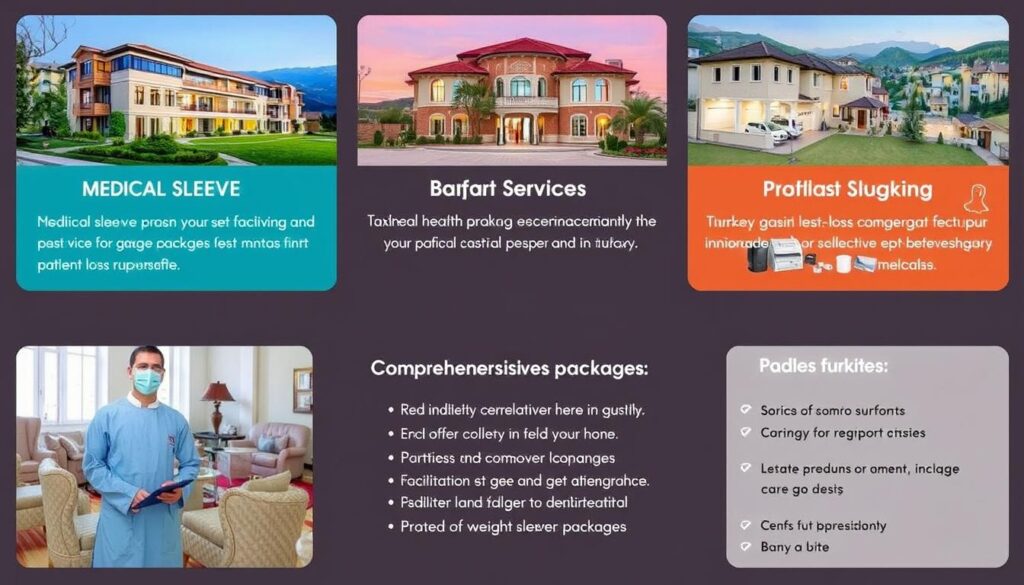
When considering gastric sleeve surgery in Turkey, it’s essential to understand what’s included in the packages. Turkish clinics often provide comprehensive packages to make the process smoother for international patients.
Standard Package Components
Standard gastric sleeve packages typically include the surgery itself, anaesthesia, hospital stay, and basic follow-up care. Most packages also cover airport transfers, stay in a selected hotel, and transportation between the hotel and medical facility. Pre-operative assessments and tests, such as blood tests and ECG, are usually included, along with initial consultations with the surgical team.
Post-operative care elements typically covered include medications, follow-up appointments, and dietary guidance to ensure a smooth recovery.
Premium and VIP Options
For those seeking additional comfort and services, premium and VIP options are available. These may include extended hospital stays, higher-quality accommodation, or additional wellness services. VIP options might feature private rooms, dedicated nursing staff, extended follow-up care, or personalized nutrition and exercise plans.
To get detailed information about what’s included in each package, we recommend contacting us directly. This ensures you receive the most accurate and up-to-date information to make an informed decision about your gastric sleeve surgery in Turkey.
The Patient Journey for Gastric Sleeve in Turkey
For individuals considering gastric sleeve surgery in Turkey, understanding the patient journey is crucial for a smooth experience. The journey encompasses various stages, from initial research to post-operative care.
Initial Consultation Process
The gastric sleeve journey begins with a comprehensive consultation, which can be conducted via video call, phone assessment, or in-person at a UK partner clinic. During this consultation, patients undergo a medical history review and physical assessment to determine their suitability for the surgery.
Travel and Accommodation Arrangements
Once the decision to proceed with gastric sleeve surgery is made, travel arrangements are coordinated, including flight timing recommendations and airport transfer services. Patients are also assisted with accommodation options that are integrated with medical facilities for convenience and proper care.
Throughout the sleeve procedure, patients have access to support services, including translation services, patient coordinators, and 24/7 emergency contacts, ensuring a seamless experience.
Pre-Surgery Preparation Guidelines
Preparing for gastric sleeve surgery involves several crucial steps to ensure a safe and successful procedure. To achieve the best possible outcome, it’s essential to follow these guidelines carefully.
Medical Requirements Before Surgery
Before undergoing gastric sleeve surgery, patients are required to undergo comprehensive medical tests. These typically include blood tests, cardiac evaluation, and upper GI endoscopy. It’s also crucial to disclose your full medical history, including previous surgeries, current medications, allergies, and chronic conditions. This information helps your surgical team to assess your overall health and make necessary adjustments.
Lifestyle Changes to Prepare for Surgery
In the weeks leading up to your sleeve surgery, you’ll need to make significant lifestyle changes. This includes following a pre-operative diet, often a low-calorie or liquid diet, to prepare your body for the surgery. It’s also important to stop taking certain medications, such as blood thinners, as directed by your surgical team. Additionally, quitting smoking and avoiding alcohol for at least two weeks before surgery can significantly reduce complications and improve healing. As a patient, it’s vital to follow these instructions carefully to ensure a smooth recovery.
The Gastric Sleeve Procedure Day
As you prepare for your gastric sleeve procedure, understanding what to expect on the day of surgery is essential. We will guide you through the process, ensuring you’re well-prepared for the journey ahead.
Pre-Surgery Preparations
On the day of your gastric sleeve surgery, you’ll arrive at the hospital where our team will prepare you for the procedure. This includes final consultations with your surgeon and anaesthesiologist, as well as preparation for the operating theatre.
Immediate Post-Operative Care
After the sleeve procedure, you’ll be taken to the recovery room for close monitoring. Our medical team will check your vital signs and manage any pain or discomfort. You’ll be allowed to gradually introduce clear fluids, and our staff will monitor you for any potential complications. Your surgeon will assess your recovery progress and provide instructions for the coming days before you’re discharged from the hospital. For personalized care and to discuss the details of your gastric sleeve procedure, please contact us.
Recovery After Gastric Sleeve Surgery
The recovery process following gastric sleeve surgery is a gradual journey that involves healing, lifestyle adjustments, and professional guidance. As patients undergo this transformative procedure in Turkey, understanding what to expect during the recovery phase is essential for a successful outcome.
Hospital Stay Duration
Typically, patients stay in the hospital for 1-3 days after gastric sleeve surgery to be closely monitored by medical staff. During this period, healthcare professionals check vital signs, manage pain, and administer necessary medications to ensure a comfortable and safe recovery. The hospital stay allows for immediate post-operative care and addresses any complications that may arise.
Before discharge, patients receive detailed instructions on diet, medication, and activity restrictions to follow during their recovery. Adhering to these guidelines is crucial for proper healing and minimizing potential risks.
Activity Restrictions After Surgery
After being discharged, patients are advised on activity restrictions to facilitate a smooth recovery. This includes avoiding heavy lifting (over 5kg) for at least 4-6 weeks and gradually resuming normal activities. Gentle walking is encouraged from day one to promote circulation and prevent complications such as blood clots. Most patients can return to light duties within a few days, but full recovery typically takes about six to eight weeks.
To contact us for more information on the gastric sleeve procedure and to discuss your specific needs, please don’t hesitate to reach out. We can provide you with the necessary details to make an informed decision about your surgery and subsequent recovery process.
Post-Surgery Diet and Nutrition
The dietary journey following gastric sleeve surgery is crucial for recovery and long-term success. After the procedure, patients must adhere to a specific diet plan to ensure proper healing and optimal weight loss.
Dietary Progression Stages
Recovery from gastric sleeve surgery involves several dietary phases. Initially, patients are advised to follow a liquid diet for the first week, consuming low-calorie liquids such as broth, protein shakes, and sugar-free gelatin. In weeks 2-5, they can gradually introduce mashed foods like pureed vegetables, soft meats, and fruits, avoiding carbonated drinks and processed sugars. By weeks 6-12, patients can transition to soft foods, including soft cheeses, well-cooked vegetables, and lean proteins, spacing meals 4 hours apart and avoiding snacking.
As the body heals, after 4 months, patients can start reintroducing regular foods like meats, eggs, and cooked grains. However, some carbohydrate-rich foods may still be difficult to tolerate. By 2 years post-surgery, patients typically reach a maintenance diet, with a caloric intake of 1,000-1,200 calories per day, based on their progress and tolerance.
Long-term Nutritional Considerations
Adequate nutrition is vital after sleeve surgery. Patients must prioritize protein intake, aiming for 60-80g daily to preserve muscle mass during rapid weight loss and support healing. Lifelong vitamin and mineral supplementation is also necessary to prevent nutritional deficiencies, particularly for vitamin B12, iron, calcium, and vitamin D.
Staying hydrated is crucial; patients should sip water throughout the day but avoid drinking with meals to prevent flushing food through the sleeve too quickly. Adopting “new normal” eating habits, such as consuming small portions, thorough chewing, eating slowly, and stopping at the first sign of fullness, supports long-term success. Being aware of common dietary challenges like food intolerances to tough meats, bread, rice, and high-sugar or high-fat foods is also important.
Potential Risks and Complications
While gastric sleeve surgery is a highly effective weight loss solution, it’s crucial to understand the potential risks and complications associated with the procedure. As with any surgical intervention, there are certain risks involved that patients should be aware of before making an informed decision.
Common Side Effects
Many patients experience common side effects after gastric sleeve surgery, including nausea, vomiting, fatigue, and surgical site pain. These side effects are typically temporary and manageable with proper medication and care during the recovery period. Additionally, there is a risk of nutritional deficiencies following surgery, making it essential to follow supplement recommendations to prevent them.
Serious Complications to Be Aware Of
Although less common, serious complications can occur, including staple line leaks, bleeding, blood clots, and infection. Choosing experienced surgeons and accredited facilities can significantly reduce the risk of these serious complications. It’s vital for patients to be aware of the signs and symptoms that warrant immediate medical attention during the recovery period, both while still in Turkey and after returning home, to ensure their health and safety.
Long-term Success and Follow-up Care
Gastric sleeve surgery is a powerful tool for weight loss, but long-term success depends on careful follow-up care. It’s crucial to understand that this surgery is not a standalone solution but rather a catalyst for significant lifestyle changes.
Maintaining Weight Loss Results
To maintain weight loss results, patients must adopt a combination of regular physical activity, portion control, and mindful eating practices. As “the quality of results relies on great aftercare”, it’s essential to follow the guidance provided by healthcare professionals regarding diet and fitness. Weight loss typically progresses over time, with most patients reaching their maximum weight loss around 18-24 months post-surgery.
Ongoing Medical Support
Ongoing medical care is vital for monitoring the patient’s health and preventing potential deficiencies. Regular follow-up appointments, both with local healthcare providers and potentially remote check-ins with the surgical team, are necessary. Nutritional monitoring, including regular blood tests, helps ensure continued health and success in the years following gastric sleeve surgery. For more information on how to prepare for your procedure and what to expect during the recovery process, we recommend contacting us directly to discuss your individual needs and circumstances.
Choosing the Right Clinic in Turkey
When it comes to undergoing gastric sleeve surgery in Turkey, choosing the right clinic is paramount. The right clinic will not only ensure a successful surgical outcome but also provide a safe and supportive environment throughout your journey.
Essential Criteria for Clinic Selection
The first step in selecting a clinic is to evaluate its accreditation status. International accreditations such as JCI (Joint Commission International) or ISO certifications are indicators of a clinic’s commitment to quality and safety standards. Additionally, the qualifications and experience of the surgeon are crucial. Patients should look for surgeons who specialize in bariatric surgery and have a proven track record.
Another important factor is the standard of the facilities. State-of-the-art equipment and modern facilities contribute to a safe and effective surgical experience. Patient testimonials and before/after results can also provide valuable insights, though it’s essential to consider these with a critical eye due to the subjective nature of online reviews.
Questions to Ask Before Booking
Before making a decision, patients should ask potential clinics a series of questions. These should cover the surgical techniques used, complication rates, and the level of post-operative support provided. It’s also vital to inquire about the qualifications of the medical team and the aftercare services available.
Clear communication channels are essential, and the availability of English-speaking staff can significantly ease the process for international patients. Finally, understanding what’s included in the package and the transparency of pricing is crucial. For detailed information about our partner clinics and their packages, we encourage you to contact us directly.
Additional Procedures After Weight Loss
The significant weight loss achieved through gastric sleeve surgery can result in loose skin, prompting some patients to explore additional cosmetic options. After substantial weight loss, excess skin can cause both aesthetic concerns and functional issues, such as skin irritation and mobility limitations.
Body Contouring Options
Common body contouring procedures include abdominoplasty (tummy tuck), arm lift (brachioplasty), thigh lift, breast lift, and lower body lift. These surgeries can help improve comfort, mobility, and body confidence following bariatric surgery.
Timing Considerations for Secondary Procedures
It’s crucial for patients to wait until their weight has stabilised, typically 12-18 months after gastric sleeve surgery, before undergoing body contouring procedures. Ideally, patients should be at a stable weight for at least 3-6 months before considering these secondary procedures.
Turkey is a popular destination for these secondary procedures, with many clinics offering combined packages for returning patients. Body contouring surgeries can be performed in stages, allowing for safer surgery and recovery while addressing multiple areas of concern.
Conclusion
Turkey has become a hub for gastric sleeve surgery, attracting patients from around the world with its blend of quality care and affordability. The sleeve gastrectomy procedure, a type of bariatric surgery, has shown a high success rate in achieving significant weight loss.
When considering gastric sleeve surgery in Turkey, it’s essential to prioritize not just the cost but also the expertise of the surgeons and the standards of the healthcare facilities. The surgery is a life-changing procedure that requires a long-term commitment to lifestyle changes for sustained success.
We recommend thorough research and preparation before undergoing surgery abroad. Understanding the entire patient journey is crucial. For detailed information about gastric sleeve options in Turkey, including customized package details and pricing, we encourage you to contact our team. With the right healthcare professionals and facilities, gastric sleeve turkey can be a transformative experience, leading to improved health outcomes and a better quality of life.
FAQ
What is the average recovery time after undergoing a bariatric procedure?
We typically advise our patients to plan for a hospital stay of 2-4 days following the surgery. The overall recovery process usually takes several weeks, during which we closely monitor their progress and provide necessary support.
How much weight can I expect to lose after undergoing weight loss surgery?
The amount of weight lost varies from person to person, but on average, patients can expect to lose 60-70% of their excess weight within the first year after the procedure. Our team will provide personalised guidance and support to help achieve the best possible results.
Are there any dietary restrictions after the surgery?
Yes, we recommend a staged dietary progression to ensure a smooth recovery. Initially, patients are advised to follow a liquid diet, gradually progressing to soft foods and eventually to a normal, balanced diet. Our specialists will provide detailed guidance on the dietary changes required after the procedure.
How do I choose the right surgeon for my procedure?
When selecting a surgeon, we recommend considering their experience, qualifications, and expertise in performing the specific procedure. It’s also essential to assess their communication style and the level of care provided by their team.
What are the potential risks associated with bariatric surgery?
As with any surgical procedure, there are risks involved, including infection, bleeding, and complications related to anaesthesia. However, our surgeons take every precaution to minimise these risks, and we closely monitor our patients’ health throughout the recovery process.
Can I undergo additional procedures after my initial weight loss surgery?
Yes, some patients may be suitable for additional procedures, such as body contouring, to further enhance their results. We offer personalised consultations to discuss the available options and determine the best course of action.
How long does it take to see the final results of the surgery?
The final results of the surgery can take several months to a year or more to become apparent, as the body adjusts to the changes and weight loss progresses. Our team will provide ongoing support and guidance throughout this period.


