

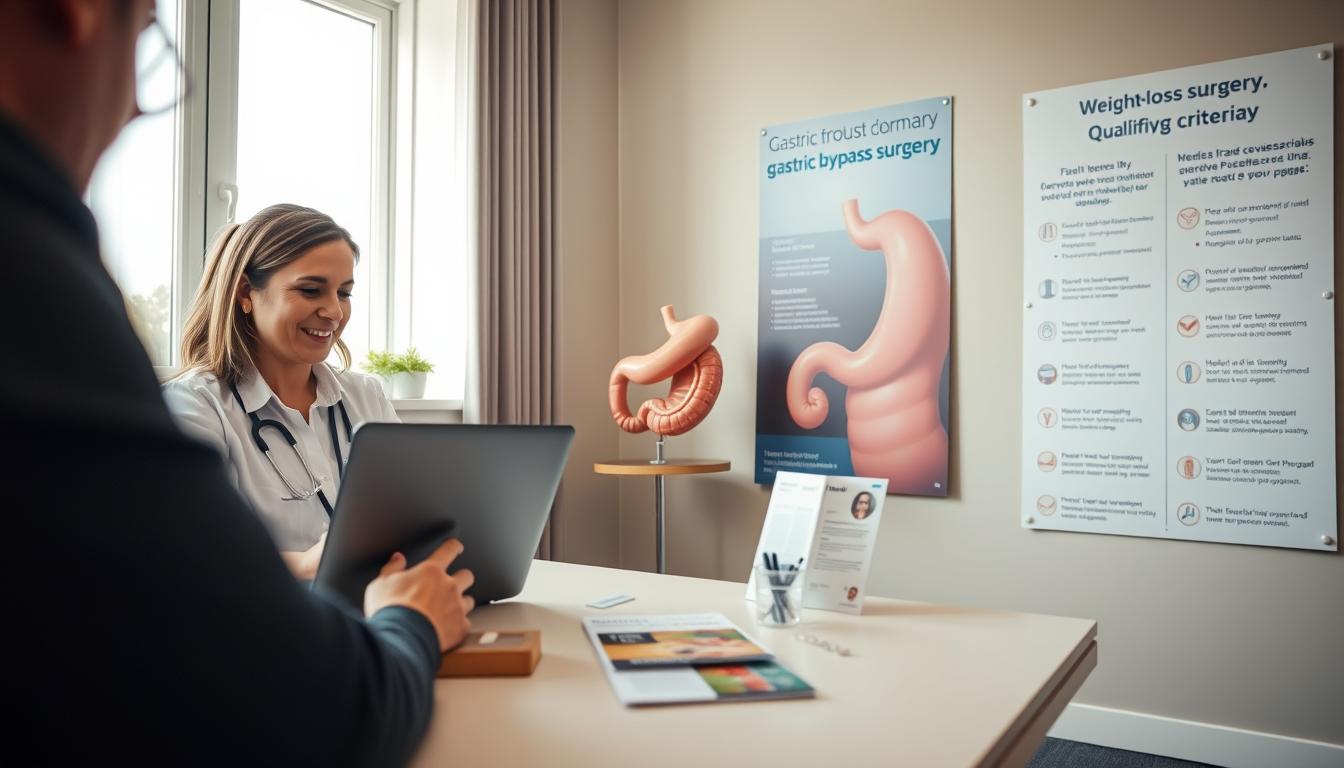
Gastric bypass surgery is a type of bariatric surgery that has revolutionised the treatment of obesity. By altering the size and shape of the stomach and small intestine, this procedure enables significant weight loss for individuals struggling with severe obesity.
We will explore how this life-changing surgery works by creating a smaller stomach pouch and re-routing the digestive system, resulting in both restrictive and malabsorptive effects. This not only leads to substantial weight loss but also improves related health conditions such as type 2 diabetes and hypertension.
For those considering this significant step in their health journey, understanding the benefits, risks, and required lifestyle modifications is crucial. To find out more about the pricing details for this procedure, we invite you to contact us directly.
Key Takeaways
- Gastric bypass surgery is an effective treatment for severe obesity, offering significant and sustainable weight loss.
- This procedure alters the stomach and digestive system, creating both restrictive and malabsorptive effects.
- It can dramatically improve obesity-related health conditions such as type 2 diabetes and hypertension.
- Understanding the benefits, risks, and required lifestyle changes is essential for making an informed decision.
- Contact us directly to learn more about the pricing details for this life-changing procedure.
Understanding Gastric Bypass Surgery
Gastric bypass surgery is a significant step towards achieving substantial weight loss for many individuals struggling with obesity. Understanding the intricacies of this surgical procedure is crucial for those considering this weight loss solution.
What Is Gastric Bypass Surgery?
Gastric bypass surgery, also known as Roux-en-Y gastric bypass, is a surgical procedure that involves creating a small stomach pouch and re-routing the small intestine. This operation changes how much food your stomach can hold and how your body processes that food. Initially, the small stomach pouch can hold about 1 ounce of food, significantly less than the average adult stomach capacity of 32 ounces. Over time, the pouch can expand to hold about 8 ounces of food.
The surgery not only reduces the size of the stomach but also alters the path food takes through the small intestine. Normally, food travels through 22 feet of small intestine before reaching the large intestine. Gastric bypass surgery creates a shortcut, allowing food to bypass the first section of the small intestine and directly enter the middle section, thereby shortening the digestion period.
How Gastric Bypass Changes Your Body
The gastric bypass procedure induces dramatic anatomical changes that significantly alter how your body processes food and nutrients. The newly created stomach pouch is drastically smaller than your original stomach, initially holding only about 30ml compared to the 1-2 litre capacity of a normal stomach. This reduced stomach size creates an immediate sensation of fullness after consuming very small portions, helping to limit food intake.
Beyond the restrictive component, the bypass portion of the procedure reroutes food to skip the first section of the small intestine (duodenum) and part of the second section (jejunum). This rerouting not only reduces calorie absorption but also triggers hormonal changes that decrease hunger, increase satiety, and improve metabolism—effects that cannot be achieved through diet and exercise alone.
By understanding these changes, individuals can better appreciate the significant impact gastric bypass surgery can have on their body and overall health.
Who Qualifies for Gastric Bypass Surgery?
The qualification process for gastric bypass surgery is multifaceted, involving both BMI measurements and other serious health conditions. Gastric bypass surgery is a significant step for individuals struggling with severe obesity, particularly when other weight loss methods have failed.
BMI Requirements
Body Mass Index (BMI) is a crucial factor in determining eligibility for gastric bypass surgery. Generally, a BMI of 40 or higher indicates severe obesity, making a patient a potential candidate for surgery. Individuals with a BMI between 35 and 39.9 may also qualify if they have serious health conditions related to their weight.
Health Conditions That May Indicate Need for Surgery
Beyond BMI measurements, certain health conditions strongly indicate the need for gastric bypass surgery as a treatment option. These include:
- Type 2 diabetes: Gastric bypass surgery has shown remarkable results in achieving diabetes remission.
- Cardiovascular conditions: Hypertension, heart disease, and elevated cholesterol levels that remain poorly controlled despite medication may qualify patients for surgery.
- Severe sleep apnoea: Requiring CPAP therapy, weight loss can dramatically improve this potentially dangerous condition.
- Other qualifying conditions: Include non-alcoholic fatty liver disease, osteoarthritis causing mobility issues, and polycystic ovary syndrome in women with obesity.
For those considering gastric bypass surgery, it’s essential to consult with healthcare professionals to determine eligibility and discuss the potential benefits and risks of the procedure. To find out more about your qualification for gastric bypass surgery and to get the most up-to-date pricing information, please do not hesitate to contact us.
The Science Behind Gastric Bypass Surgery
Understanding the science behind gastric bypass surgery reveals its far-reaching effects on the body. Gastric bypass surgery is not just a procedure for weight loss; it involves complex physiological changes that impact how our body processes food and regulates metabolism.
How Weight Loss Occurs After Surgery
Gastric bypass surgery triggers profound metabolic changes that extend far beyond simple caloric restriction or malabsorption. One of the most remarkable effects is the rapid improvement in type 2 diabetes, often occurring days after surgery—before significant weight loss has occurred. This is largely due to the changes in gut hormone production.
- The procedure alters gut hormone production, increasing levels of GLP-1 and PYY (hormones that signal fullness) while decreasing ghrelin (the hormone that stimulates hunger).
- These hormonal changes help reset the body’s metabolic regulation, improving insulin sensitivity and glucose metabolism.
Metabolic Changes and Hormonal Effects
The surgery also makes lasting changes to your metabolism by boosting certain hormones. Hormones are chemical messengers that control different functions in your body. When the lumen of the small intestine comes into contact with nutrients, several hormones are released, including cholecystokinin from the duodenum and PYY and GLP-1 from the ileum. These hormones inhibit further food intake and have thus been dubbed “satiety factors.”
Research suggests that bypassing the duodenum (first part of the small intestine) alters bile acid signalling and gut microbiome composition, contributing to metabolic improvements. For instance, the changes in gut hormone production lead to reduced hunger and increased feelings of fullness, making it easier to adhere to a healthier diet post-surgery.
By understanding these changes, individuals can better appreciate the comprehensive impact of gastric bypass surgery on their body, beyond just weight loss. For more detailed information on how to prepare for gastric bypass surgery or to learn about the costs associated with the procedure, we recommend contacting a healthcare professional or a specialised clinic directly.
Types of Gastric Bypass Procedures
Gastric bypass procedures vary, offering tailored solutions for individuals seeking significant weight loss. The choice of procedure depends on several factors, including the patient’s overall health, body mass index (BMI), and specific weight loss goals.
Roux-en-Y Gastric Bypass (RYGB)
The Roux-en-Y Gastric Bypass is one of the most commonly performed gastric bypass surgeries. It involves creating a small pouch from the stomach and connecting it directly to the small intestine. This procedure not only reduces the size of the stomach but also alters the path of food through the digestive system, leading to significant weight loss.
By reconfiguring the small bowel, RYGB reduces the absorption of nutrients, particularly fats and starches, contributing to weight loss. The procedure requires careful nutritional monitoring to prevent deficiencies.
Mini-Gastric Bypass (MGB)
The Mini-Gastric Bypass is a simpler version of the traditional RYGB, involving a single anastomosis rather than the multiple connections required in RYGB. This procedure is less invasive and can result in less malabsorption compared to RYGB, making it an attractive option for some patients.
MGB is considered for patients who are at a lower risk of complications and require less complex surgery. However, as with any bariatric surgery, thorough evaluation and consultation with a healthcare professional are necessary.
Other Variations
Beyond the standard RYGB and MGB, several other gastric bypass variations exist, each with specific advantages for certain patient populations. These include:
- The Distal Roux-en-Y Gastric Bypass, which creates more significant malabsorption by placing the Y-connection further down the small bowel, potentially offering greater weight loss.
- The Single Anastomosis Duodenal-Ileal Bypass with Sleeve Gastrectomy (SADI-S), combining elements of sleeve gastrectomy with a single-loop intestinal bypass for enhanced metabolic effects.
- The Endoscopic Duodenal-Jejunal Bypass Liner, a non-surgical option that involves placing a temporary liner in the part small intestine to mimic the intestinal bypass portion of bypass surgery.
- The Banded Roux-en-Y Gastric Bypass, which adds a constrictive band around the gastric pouch to prevent stretching over time, potentially enhancing long-term weight maintenance.
For those considering gastric bypass surgery, it’s essential to consult with a healthcare professional to determine the most suitable procedure based on individual needs and health status. To learn more about the costs associated with these procedures, we recommend contacting us directly for personalized pricing information.
Preparing for Gastric Bypass Surgery

To ensure a smooth and successful gastric bypass surgery, thorough preparation is vital. This involves a series of medical evaluations, lifestyle adjustments, and a commitment to long-term follow-up care.
Medical Evaluations and Tests
Before undergoing gastric bypass surgery, patients must undergo comprehensive medical evaluations to assess their overall health and suitability for the procedure. These evaluations typically include a range of tests to identify any potential health risks and ensure that the patient is medically fit for surgery and anaesthetic.
Most surgical teams require patients to demonstrate their commitment through a medically supervised weight loss programme, aiming for a 5-10% reduction in weight before surgery. This not only helps in assessing the patient’s dedication but also in reducing the risks associated with the surgery.
Lifestyle Changes Before Surgery
The months leading up to gastric bypass surgery are crucial for making significant lifestyle modifications. Patients are required to adopt a healthier diet and lifestyle, demonstrating their ability to comply with the post-surgery requirements. Smoking cessation is mandatory, typically at least 6-8 weeks before surgery, as smoking can significantly increase surgical complications and impair healing.
Patients are also usually asked to follow a very low-calorie diet for 2-3 weeks immediately before surgery to reduce liver size, making the operation technically easier and safer. This pre-operative period serves as a “trial run” for the lifestyle changes required after surgery, helping patients develop the necessary habits and mindset for long-term success.
For more information on how to prepare for gastric bypass surgery and to discuss your individual needs, please contact us to schedule a consultation.
The Gastric Bypass Procedure Explained
Understanding the gastric bypass procedure is crucial for individuals considering this life-changing surgery. The gastric bypass operation is a complex process that involves altering the stomach and rerouting the digestive tract to facilitate significant weight loss.
Laparoscopic vs. Open Surgery
Gastric bypass surgery can be performed using either laparoscopic or open surgery techniques. Laparoscopic surgery involves making several small incisions through which surgical instruments and a camera are inserted. This approach is less invasive, resulting in less tissue damage and quicker recovery times. Open surgery, on the other hand, requires a larger incision, providing the surgeon with direct access to the stomach and intestines. While open surgery may be necessary for some patients, laparoscopic surgery is generally preferred due to its minimally invasive nature and reduced risk of complications.
What Happens During the Operation
During a gastric bypass operation, the surgeon creates a small stomach pouch by dividing the upper portion of the stomach from the rest. This is typically accomplished using surgical stapling devices that create secure closures along the division lines. The small intestine is then divided at a specific point, and the lower portion, known as the Roux limb, is connected directly to the newly created pouch. The upper portion of the divided small intestine, which carries digestive juices from the bypassed stomach and pancreas, is reconnected further down the Roux limb, creating a characteristic “Y” configuration.
Throughout the procedure, the surgeon carefully checks all connections for leaks and ensures proper blood supply to all tissues. These are critical factors for a successful outcome. By understanding the steps involved in gastric bypass surgery, patients can better appreciate the complexity and precision required for this life-changing operation.
For those considering gastric bypass surgery, it’s essential to consult with a qualified healthcare professional to discuss the potential benefits and risks. They can provide personalized advice and guidance on what to expect during and after the procedure. To find out more about the gastric bypass procedure and associated costs, please contact us for further information.
Benefits of Gastric Bypass Surgery
The benefits of gastric bypass surgery extend far beyond weight loss, improving overall health and quality of life. This surgical procedure is not just about reducing weight; it’s about transforming lives by addressing severe obesity and related health issues.
Significant Weight Loss Outcomes
Gastric bypass surgery is highly effective in achieving significant weight loss. Patients typically experience a substantial reduction in body weight, which in turn improves their overall health and reduces the risk of obesity-related complications. The expected weight loss results vary among individuals, but most patients can anticipate losing a considerable percentage of their excess body weight within the first year after surgery.
Key weight loss benefits include:
- Significant reduction in body mass index (BMI)
- Improved body composition
- Enhanced mobility and reduced joint pain
Improvement in Obesity-Related Health Conditions
Beyond weight loss, gastric bypass surgery offers remarkable improvements in obesity-related health conditions, often leading to the complete resolution of these comorbidities. For instance, type 2 diabetes shows dramatic improvement, with a significant percentage of patients experiencing complete remission within days or weeks of surgery. Similarly, hypertension and sleep apnea often resolve or significantly improve, allowing patients to reduce or eliminate their reliance on medications.
Notable health improvements include:
- Dramatic improvement or remission of type 2 diabetes
- Resolution or significant improvement of hypertension
- Improvement in sleep apnea, often allowing discontinuation of CPAP therapy
Research has shown that bariatric surgery, including gastric bypass, is associated with a significant reduction in all-cause mortality among obese adults, with or without type 2 diabetes. Patients with diabetes have been found to gain an average of 9.3 years in life expectancy compared to those receiving conventional treatment.
Potential Risks and Complications
Understanding the potential risks and complications associated with gastric bypass surgery is crucial for patients considering this procedure. While gastric bypass surgery can be an effective solution for weight loss, it’s essential to be aware of the possible complications that can arise.
Short-Term Complications
Short-term complications following gastric bypass surgery can include infection, bleeding, and adverse reactions to anaesthesia. These risks are associated with any major surgical procedure. Patients may also experience complications related to the laparoscopic or open surgery technique used.
Long-Term Complications
Long-term complications can arise months or even years after the surgery. These may include nutritional deficiencies due to malabsorption, hernias, and bowel obstruction. Regular follow-up care is vital to monitor and manage these potential long-term complications.
Dumping Syndrome
Dumping syndrome is a common side effect following gastric bypass surgery, affecting a significant proportion of patients. This condition occurs when food, particularly sugary foods and simple carbohydrates, moves too quickly from the stomach pouch into the small intestine. Symptoms can be uncomfortable and include nausea, abdominal cramping, diarrhoea, and dizziness. To help prevent dumping syndrome, patients are advised to avoid drinking and eating at the same time and to be mindful of their food choices.
- Dumping syndrome affects approximately 70-80% of patients to varying degrees.
- Early symptoms appear 10-30 minutes after eating and can include nausea, abdominal cramping, and rapid heart rate.
- Late dumping syndrome occurs 1-3 hours after eating, with symptoms resembling hypoglycaemia, such as weakness, sweating, and confusion.
While dumping syndrome can be an unpleasant side effect, it can also serve as a deterrent against consuming high-sugar foods, thereby promoting healthier eating habits.
For those considering gastric bypass surgery, it’s essential to discuss these potential risks and complications with a healthcare professional to understand the procedure fully. If you’re interested in learning more about the costs associated with gastric bypass surgery, please contact us for more information.
Recovery After Gastric Bypass Surgery

The journey to a healthier you doesn’t end with gastric bypass surgery; it’s just the beginning, followed by a critical recovery period. Understanding this phase is crucial for a smooth and effective recuperation.
Hospital Stay and Initial Recovery
Typically, the hospital stay after gastric bypass surgery lasts a few days. During this time, medical staff monitor patients for any immediate complications and provide pain management. The initial recovery period at home can be challenging, but with proper care and rest, patients can gradually regain their strength.
Light activities and walking are encouraged soon after surgery to prevent blood clots and promote healing. Patients are advised to start with short walks and gradually increase the distance as their body allows.
Returning to Normal Activities
Recovery timelines vary by individual, but most patients can expect to return to normal daily activities within 2-4 weeks following gastric bypass surgery. The return to work depends on the nature of the job; those with desk jobs may resume work within 1-2 weeks, while individuals with physically demanding occupations may need 3-6 weeks.
It’s essential to avoid strenuous activities, including heavy lifting (over 15 pounds) and vigorous exercise, for at least 4-6 weeks to allow internal healing. Driving is typically permitted once patients are no longer taking narcotic pain medications and can comfortably wear a seatbelt, usually within 1-2 weeks.
For more information on gastric bypass surgery and to discuss your specific needs, please contact us to learn more about our services and how we can support you throughout your journey.
Post-Surgery Diet and Nutrition
A well-planned diet is crucial after gastric bypass surgery to maintain overall health and facilitate weight loss. After the surgery, the body’s ability to absorb nutrients is significantly altered, making it essential to follow a specific dietary plan.
Dietary Stages After Surgery
The post-surgery diet typically progresses through several stages. Initially, patients are advised to follow a liquid diet, gradually introducing pureed foods and eventually solid foods over several weeks or months. This gradual progression helps the stomach heal and reduces the risk of complications.
It’s essential to eat small, frequent meals, and avoid foods high in sugar, fat, and fibre. Patients should also drink plenty of water to stay hydrated. The dietary stages may vary depending on the individual’s progress and the surgeon’s recommendations.
Nutritional Supplements and Requirements
Gastric bypass surgery creates lifelong nutritional considerations due to reduced food intake and altered absorption of nutrients. To address these changes, patients require specific nutritional supplements.
- Daily multivitamin supplements are mandatory, with most patients requiring specially formulated bariatric multivitamins that contain higher levels of essential nutrients.
- Vitamin B12 supplementation is crucial, as the bypassed portion of the stomach no longer produces intrinsic factor needed for B12 absorption, typically requiring sublingual, nasal, or injectable forms.
- Calcium citrate (1200-1500mg daily) and vitamin D (3000-5000 IU daily) supplements are essential to prevent bone density loss, with calcium taken separately from iron supplements.
- Iron supplementation is particularly important for menstruating women, with many patients requiring 45-60mg of elemental iron daily to prevent anaemia.
For personalised advice on post-surgery diet and nutrition, it is recommended to contact us for guidance tailored to your specific needs.
Long-Term Lifestyle Changes
Sustaining weight loss and improving health after gastric bypass surgery requires a commitment to lifelong changes. It’s not just about the surgery; it’s about adopting a new way of living that supports your overall wellbeing.
Eating Habits and Food Choices
After gastric bypass surgery, your eating habits will need to change significantly. You’ll need to eat smaller, more frequent meals, choosing foods that are high in protein and low in sugar and fat. It’s also crucial to avoid foods that are difficult to digest, such as tough meats or fibrous vegetables. A balanced diet rich in nutrients, vitamins, and minerals is essential for maintaining your health and supporting your weight loss journey.
- Eat slowly and mindfully to avoid discomfort.
- Choose nutrient-dense foods to support your health.
- Avoid high-calorie, high-sugar foods that can hinder weight loss.
Exercise and Physical Activity
Regular physical activity is a vital component of life after gastric bypass surgery. It plays a crucial role in weight maintenance and overall health. We recommend aiming for at least 150 minutes of moderate-intensity aerobic activity per week, along with strength training exercises 2-3 times weekly. Exercise helps preserve lean muscle mass, improves cardiovascular health, and enhances insulin sensitivity.
- Start with gentle activities like walking and gradually increase intensity.
- Incorporate strength training to build muscle and boost metabolism.
- Find activities you enjoy to make exercise a sustainable part of your lifestyle.
By making these long-term lifestyle changes, you can achieve sustained weight loss and significantly improve your overall health and wellbeing.
Managing Expectations and Challenges
Gastric bypass surgery is a significant step towards a healthier life, and managing expectations and challenges is a vital part of this journey. As patients recover from gastric bypass surgery, they must also prepare for the changes that lie ahead.
Dealing with Excess Skin
One of the challenges patients may face after significant weight loss is excess skin. This can be a source of discomfort and self-consciousness. While surgery can help remove excess skin, it’s essential to discuss the options and potential risks with a healthcare professional.
Emotional and Psychological Adjustments
The changes that come with gastric bypass surgery are not just physical; they can also have a significant emotional and psychological impact. Patients may need to adapt to a new relationship with food and their body image. Ongoing support from healthcare professionals, support groups, or online communities can be invaluable during this time.
Maintaining Weight Loss Long-Term
Maintaining weight loss after gastric bypass surgery requires ongoing commitment. Patients must adhere to a healthy eating plan, prioritising portion control, protein, and mindful eating practices. Regular physical activity, typically 200-300 minutes per week, is also crucial for long-term success. By understanding the challenges and making a plan to address them, patients can achieve lasting weight loss and improve their overall health.
To achieve the best results from gastric bypass surgery, it’s crucial to be aware of the potential challenges and be prepared to make long-term lifestyle changes. For more information on what to expect and how to prepare, we encourage you to contact us for personalised guidance.
Follow-Up Care and Support

To maximise the benefits of gastric bypass surgery, patients need comprehensive follow-up care and support. This ongoing treatment is crucial for maintaining weight loss and addressing any complications that may arise.
Regular Medical Check-ups
Regular medical check-ups are a vital component of post-surgery care. These visits allow our team of healthcare professionals to monitor patients’ progress, address any concerns, and make necessary adjustments to their treatment plan. By doing so, we can help prevent potential complications and ensure that patients are on track to achieving their weight loss goals.
Support Groups and Resources
Support groups play a vital role in long-term success after gastric bypass surgery. Research shows that patients who attend support groups maintain significantly more weight loss than those who don’t. These groups offer a safe space to discuss challenges with others who understand the unique experience of life after bariatric surgery. Additional resources include bariatric-specific cookbooks, smartphone apps, and online communities that provide round-the-clock support and information.
Conclusion
Gastric bypass surgery has emerged as a highly effective treatment for severe obesity and related health issues. This procedure not only facilitates significant weight loss but also improves or resolves obesity-related conditions such as type 2 diabetes, hypertension, and sleep apnoea.
The success of gastric bypass surgery lies in its ability to transform patients’ quality of life and extend their lifespan. However, it’s crucial to understand that surgery is just the beginning of a lifelong journey towards healthier living. Patients must commit to significant dietary, exercise, and lifestyle changes to achieve the best long-term results.
For individuals struggling with severe obesity who have not achieved sustainable weight loss through other means, gastric bypass surgery can be a life-changing intervention. We encourage those considering this option to contact us to discuss their individual circumstances and determine if gastric bypass surgery is the right treatment choice for them.
By embracing the necessary changes and committing to long-term follow-up care, individuals can maximize the benefits of gastric bypass surgery and enjoy a healthier, more fulfilling life.
FAQ
What is the ideal body mass index (BMI) for undergoing weight loss procedures?
We typically recommend weight loss procedures for individuals with a BMI of 40 or higher, or those with a BMI of 35 or higher who have obesity-related health conditions.
How does the weight loss procedure change our body’s anatomy?
The procedure involves creating a small stomach pouch and re-routing a portion of the small bowel, which helps reduce calorie intake and alter the way our body absorbs nutrients.
What are the potential complications associated with weight loss procedures?
As with any major operation, potential complications include deep vein thrombosis, dumping syndrome, and nutritional deficiencies. Our team will discuss these risks in detail during the consultation.
What dietary changes can we expect after undergoing a weight loss procedure?
After the procedure, we advise patients to follow a staged diet, starting with liquids, then progressing to soft foods, and eventually to solid foods. We also recommend taking nutritional supplements to ensure adequate nutrient intake.
How long does it take to recover from a weight loss procedure?
The hospital stay typically lasts a few days, and it may take several weeks to return to normal activities. Our team will provide personalised guidance on post-operative care and recovery.
Can we expect to lose weight rapidly after the procedure?
Yes, significant weight loss is common in the first few months after the procedure. However, the rate of weight loss varies among individuals, and our team will monitor progress closely.
Are there any long-term lifestyle changes required after a weight loss procedure?
Yes, to maintain weight loss and overall health, we recommend adopting healthy eating habits and regular physical activity. Our team will provide ongoing support and guidance to help patients achieve their goals.
How often should we attend follow-up appointments after the procedure?
Regular medical check-ups are crucial after a weight loss procedure. We typically schedule follow-up appointments at regular intervals to monitor progress, address concerns, and provide ongoing support.


