
For individuals struggling with obesity, gastric bypass surgery offers a life-changing solution. Also known as Roux-en-Y gastric bypass, this procedure is one of the most established and effective weight loss surgeries worldwide.
Our comprehensive guide aims to provide essential information for anyone considering this significant surgery. With decades of successful outcomes, bypass surgery not only aids in substantial weight reduction but also improves or resolves many obesity-related health issues.
We understand that making an informed decision requires a thorough understanding of all aspects of gastric bypass surgery, from qualification criteria to long-term lifestyle changes. Our team of specialists is dedicated to providing personalised support throughout the entire process.
Key Takeaways
- Gastric bypass surgery is a proven and effective weight loss procedure.
- The surgery can improve or resolve obesity-related health conditions.
- Understanding the procedure and its implications is crucial.
- Our specialists provide personalised support throughout the process.
- To discuss pricing details, please contact us directly.
- Gastric bypass surgery has decades of successful outcomes.
Understanding Gastric Bypass Surgery
Gastric bypass surgery is a significant step towards achieving substantial weight loss for many individuals. It involves creating a small stomach pouch and rerouting the small intestine.
What Is a Gastric Bypass?
A gastric bypass, also known as Roux-en-Y gastric bypass, is a surgical procedure that involves creating a new stomach pouch and re-routing the small intestine to promote weight loss. This operation limits the amount of food you can consume and reduces the absorption of nutrients.
How Gastric Bypass Works
The gastric bypass procedure works in two primary ways: restriction and malabsorption. By creating a small stomach pouch, it restricts the amount of food you can eat, helping you feel full after smaller portions. Additionally, by bypassing a portion of the small intestine, it reduces the absorption of calories and nutrients, further supporting weight loss. The surgery also affects hunger-regulating hormones, reducing appetite and aiding in maintaining weight loss results over time.
Who Is a Suitable Candidate for Gastric Bypass?

Understanding who is a suitable candidate for gastric bypass surgery involves examining several critical elements. Gastric bypass surgery is typically recommended for individuals who have struggled with significant weight issues and related health problems.
BMI Requirements
One of the primary criteria for gastric bypass eligibility is the Body Mass Index (BMI). Generally, a BMI of 40 or higher is considered eligible for surgery. Individuals with a BMI of 35-39.9 may also be considered if they have obesity-related health conditions.
Health Conditions That May Qualify You
Certain health conditions can make you a more suitable candidate for gastric bypass surgery. These include type 2 diabetes, high blood pressure, and sleep apnoea, among others. The presence of these conditions, combined with a high BMI, can make surgery a viable option for weight loss.
Previous Weight Loss Attempts
Candidates for gastric bypass surgery are typically those who have tried other weight loss methods without achieving sustainable results. This includes attempting various diets and exercise programs. A history of weight cycling is common among those considered for surgery, highlighting the need for a more effective solution.
The Benefits of Gastric Bypass Surgery
The benefits of gastric bypass surgery extend far beyond weight loss, improving overall health and wellbeing. Gastric bypass surgery is a highly effective treatment for obesity, offering numerous benefits that can significantly enhance a patient’s life.
Significant Weight Loss Results
Gastric bypass surgery leads to substantial weight loss, which is often maintained over the long term. Significant weight loss results in improved body composition and reduced risk of obesity-related health problems. Patients typically experience a considerable reduction in body mass index (BMI).
Improvement in Obesity-Related Health Conditions
Long-term weight loss following gastric bypass surgery can lead to improvements in various obesity-related health conditions. Conditions such as type 2 diabetes, high blood pressure, and joint pain often show significant improvement or may even resolve entirely. This improvement is due to the substantial weight loss and changes in metabolic function.
Enhanced Quality of Life
Patients who undergo gastric bypass surgery often report an enhanced quality of life. The surgery can lead to improved physical mobility, reduced symptoms of depression and anxiety, and better overall wellbeing. Many patients experience increased confidence, allowing them to participate in activities they previously avoided due to their weight. For example, patients may notice improvements in:
- Physical mobility and daily functioning
- Psychological wellbeing, including self-esteem and body image
- Social interactions and participation in various activities
- Practical aspects, such as fitting into standard-sized clothing and seating
- Sleep quality and energy levels
As one patient noted, “The improvement in my quality of life is even more valuable than the weight loss itself.” This sentiment is echoed by many who have undergone the surgery, highlighting the profound impact it can have on overall health and wellbeing.
The Gastric Bypass Procedure Explained
Understanding the gastric bypass procedure is crucial for individuals considering this weight loss surgery. The process involves several key steps and considerations to ensure a safe and effective operation.
Preparing for Surgery
Before undergoing gastric bypass surgery, patients typically undergo a thorough evaluation to assess their overall health and suitability for the procedure. This includes dietary counseling, medical evaluations, and discussions about the risks and benefits of the surgery. Proper preparation is essential for a successful outcome.
The Surgical Process
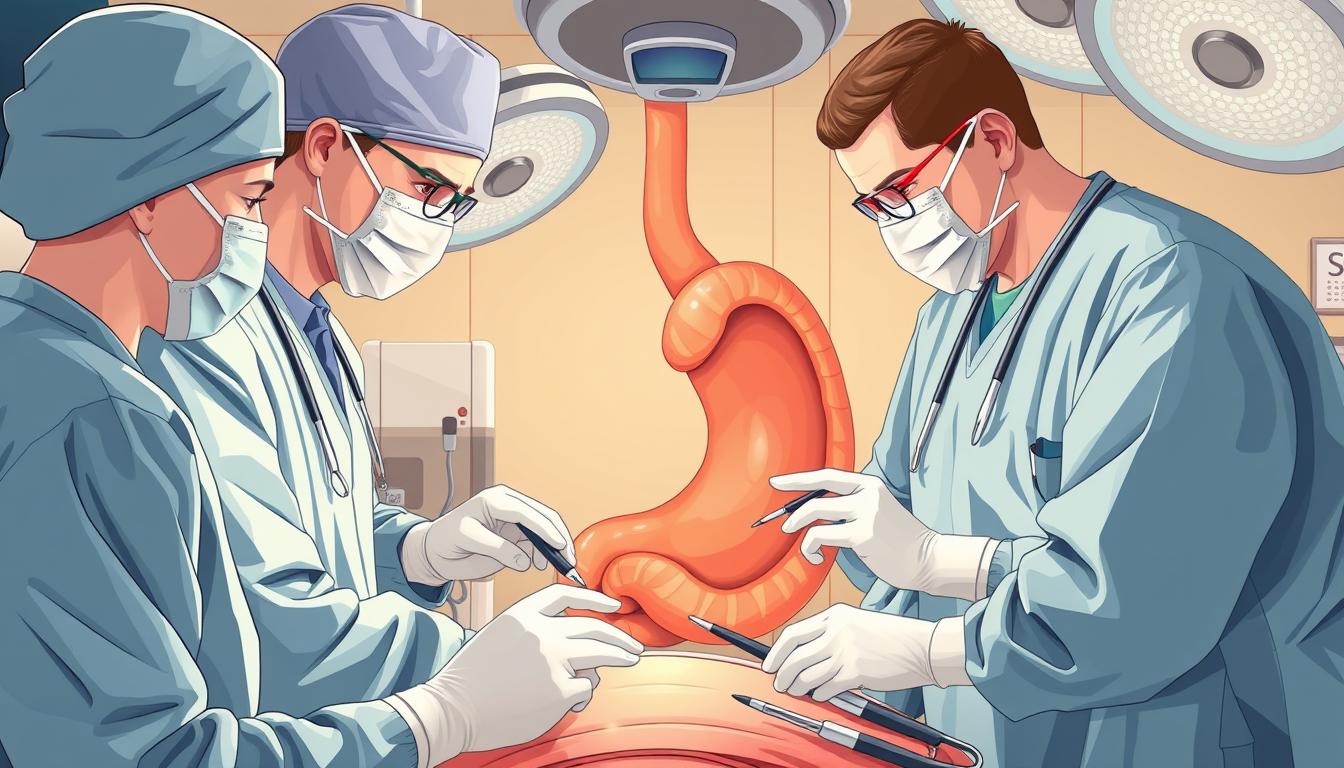
The gastric bypass operation is typically performed laparoscopically, involving small incisions through which surgical instruments and a camera are inserted. This keyhole surgery approach allows for a faster recovery and minimal scarring compared to traditional open surgery. The procedure involves creating a small stomach pouch and re-routing the intestines to aid in weight loss.
Types of Surgical Approaches
There are different surgical approaches to gastric bypass surgery, including laparoscopic and open surgery. Laparoscopic surgery is the preferred method due to its benefits, including less pain, reduced scarring, and faster recovery. Some centers also offer robotic-assisted gastric bypass, an advanced technological option that may enhance precision and outcomes. The choice of surgical approach depends on various factors, including the patient’s health status and the surgeon’s expertise.
For more information on the costs associated with gastric bypass surgery, please contact us directly to discuss pricing details.
What to Expect During Recovery
Understanding what to expect during the recovery period is essential for patients undergoing gastric bypass surgery. This knowledge helps in preparing for the journey ahead and ensuring a smooth transition towards a healthier life.
Hospital Stay Duration
Typically, the hospital stay after gastric bypass surgery lasts between 2 to 3 days. This period allows healthcare professionals to monitor your condition closely and manage any immediate post-surgical complications.
Post-Surgery Diet Progression
After surgery, your diet will progress from liquids to soft foods and eventually to more solid foods over a few weeks. This progression is crucial for allowing your stomach to heal properly and for adapting to the new digestive system.
Return to Normal Activities
Most patients can return to work within 2 to 4 weeks, depending on the nature of their job. It’s advisable to avoid heavy lifting and strenuous activities for a few weeks. Exercise can be resumed gradually, starting with gentle activities like walking, and it’s essential to follow the guidance of your healthcare team to ensure a safe recovery.
Dietary Changes After Gastric Bypass
Gastric bypass surgery necessitates a lifelong commitment to dietary adjustments to support weight loss and overall well-being. After the surgery, patients need to follow a structured eating plan to ensure they are getting the necessary nutrients while adapting to their new stomach anatomy.
The Four-Phase Post-Surgery Diet
The post-surgery diet typically progresses through four phases, starting with liquids, then moving to pureed foods, soft foods, and finally, regular foods. This gradual progression helps the stomach heal and reduces the risk of complications.
Long-Term Eating Habits
In the long term, patients are advised to eat small, frequent meals, avoid high-calorie or high-sugar foods, and prioritize nutrient-dense foods. This helps in maintaining weight loss and supporting overall health.
Nutritional Supplements Required
Due to the altered anatomy of the digestive system, gastric bypass patients often require lifelong supplementation with multivitamins, calcium with vitamin D, iron, and vitamin B12 injections every 3 months to prevent nutritional deficiencies. Regular blood tests are necessary to monitor nutritional status and adjust supplements as needed.
Potential Risks and Complications
Understanding the potential risks and complications associated with gastric bypass surgery is crucial for informed decision-making. While gastric bypass surgery can be an effective weight loss solution, it’s essential to be aware of the possible risks.
Short-Term Surgical Risks
As with any major surgery, there are short-term risks associated with gastric bypass surgery, including bleeding, infection, and adverse reactions to anaesthesia. These risks are typically managed by our experienced medical team.
Long-Term Complications
Long-term complications can include nutritional deficiencies, hernias, and bowel obstruction. It’s crucial to follow a strict dietary regimen and attend follow-up appointments to monitor for any potential issues.
Dumping Syndrome Explained
Dumping syndrome is a common side effect of gastric bypass surgery, occurring when food, especially sugary foods, moves too quickly from the stomach to the small intestine. Symptoms include nausea, vomiting, diarrhoea, weakness, and sweating. To avoid dumping syndrome, it’s recommended to avoid sugary foods and separate liquids from solids during meals.
- Avoid consuming high-sugar foods and drinks.
- Separate your intake of liquids and solids.
- Our dietitians will provide personalized guidance on managing dumping syndrome.
Managing Weight Loss After Surgery
After undergoing gastric bypass surgery, managing weight loss becomes a crucial aspect of your journey towards a healthier life. It’s essential to understand that the surgery is just one part of the weight loss journey; long-term success depends on significant lifestyle changes.
Setting Realistic Expectations
Setting realistic expectations is vital for a successful weight loss journey. Patients should be aware that significant weight loss occurs in the first year after gastric bypass surgery, but it requires commitment to dietary guidelines and regular exercise. Understanding that the rate of weight loss will vary and may slow down over time helps in maintaining a positive outlook.
Weight Loss Timeline
The weight loss timeline post-gastric bypass surgery typically shows significant loss in the first 12-18 months. However, the rate of loss can vary among individuals. Factors such as starting weight, overall health, and adherence to post-surgery dietary recommendations influence the timeline. Regular follow-ups with healthcare providers help in monitoring progress.
Preventing Weight Regain
Preventing weight regain is crucial and involves adopting a long-term healthy lifestyle, including a balanced diet and regular physical activity. It’s also important to avoid pouch stretching by eating smaller, more frequent meals and avoiding high-calorie foods. Our comprehensive aftercare program supports patients in maintaining their weight loss and overall health.
Impact on Existing Health Conditions
Gastric bypass surgery can significantly impact existing health conditions, often leading to substantial improvements. As patients undergo significant weight loss, various obesity-related health issues can be dramatically improved or even resolved.
Type 2 Diabetes
Type 2 diabetes is one of the conditions that can see significant improvement following gastric bypass surgery. Many patients experience a reduction in blood sugar levels, and in some cases, the condition can be reversed. This is largely due to the weight loss and changes in metabolism that occur after surgery.
High Blood Pressure
High blood pressure is another condition that can benefit from gastric bypass surgery. As weight decreases, blood pressure often returns to healthier levels, reducing the risk of heart disease and stroke. Regular monitoring and lifestyle changes post-surgery can further support this improvement.
Sleep Apnoea
Sleep apnoea, a condition where breathing stops for 10 seconds or longer during sleep, is common among bariatric surgery patients. Significant weight loss after gastric bypass surgery often leads to the improvement or resolution of sleep apnoea. Patients typically notice improvements within weeks, enhancing sleep quality and overall quality of life. Continued monitoring is essential even after symptoms appear to resolve.
Lifestyle Changes for Long-Term Success
To maximise the benefits of gastric bypass surgery, patients must adopt lasting lifestyle changes. These changes are crucial for achieving significant weight loss and ensuring a smooth recovery.
Exercise Recommendations
Regular exercise is vital for returning to normal activities as soon as possible. We recommend starting with gentle exercises and gradually increasing intensity, but always after consulting with a healthcare professional.
Mental Health Considerations
Mental health support is essential for coping with the emotional aspects of weight loss and lifestyle changes. Access to professional help can make a significant difference in overall well-being.
Support Systems
Having a robust support system, including family, friends, and support groups, is vital. These networks provide encouragement, guidance, and a sense of community, helping navigate the challenges of post-surgery life.
Frequently Asked Questions About Gastric Bypass
As you consider gastric bypass surgery, you likely have several questions about what to expect. Below, we address some of the most common queries.
Can I Drink Alcohol After Surgery?
After gastric bypass surgery, it’s advisable to limit or avoid alcohol consumption. Alcohol can be more potent due to changes in your digestive system, and excessive drinking may lead to complications.
Will I Have Excess Skin?
Significant weight loss can result in excess skin. The amount varies from person to person, and in some cases, additional surgery may be considered to address this issue.
Is Gastric Bypass Reversible?
Gastric bypass surgery is generally considered irreversible. It’s crucial to discuss the implications and potential risks with your surgical team before making a decision.
How Long Will I Be Off Work?
The time needed off work varies depending on the physical demands of your job. Most patients with sedentary jobs can return to work within 1-2 weeks, while those with physically demanding jobs may need 3-4 weeks to recover. We will provide personalized guidelines for returning to work based on your specific employment and physical demands.
Alternatives to Gastric Bypass Surgery
While gastric bypass is a popular choice, other surgical and non-surgical options can help achieve weight loss goals. We will explore these alternatives to help you make an informed decision.
Gastric Sleeve
The gastric sleeve procedure involves removing a significant portion of the stomach, leaving a narrow sleeve-like stomach. This reduces the amount of food you can consume, aiding in weight loss.
Gastric Banding
Gastric banding involves placing an adjustable band around the upper part of the stomach to create a small pouch, limiting food intake. This procedure is less invasive compared to gastric bypass or sleeve.
Non-Surgical Weight Loss Options
For those not ready for surgery, non-surgical weight loss options are available, including lifestyle interventions, medically supervised diets, pharmacotherapy, and endoscopic procedures like intragastric balloons. These methods can help you lose weight effectively without undergoing surgery.
To discuss these alternatives in more detail and determine the best option for your needs, please for more information.
Our Comprehensive Aftercare Programme
We understand that gastric bypass surgery is just the beginning; that’s why we offer a comprehensive aftercare programme to support your long-term health. Our programme is designed to ensure that you achieve the best possible outcomes from your surgery.
Follow-Up Appointments
Regular follow-up appointments are crucial for monitoring your progress after gastric bypass surgery. These appointments allow our team to assess your overall health and address any concerns you may have, ensuring a smooth recovery process.
Nutritional Support
Nutritional support is a vital component of our aftercare programme. We provide guidance on dietary changes and ensure that you’re meeting your nutritional needs through regular blood tests every 6-12 months after surgery.
Long-Term Monitoring
Our commitment to your health extends beyond the initial weight loss phase. We offer long-term monitoring, including annual health assessments with comprehensive blood work, body composition analysis, and health screenings to monitor for potential long-term complications after bypass surgery.
Taking the Next Step Towards a Healthier Life
For many individuals struggling with obesity, gastric bypass surgery presents an effective pathway to achieving substantial and sustainable weight loss. This surgical procedure is not just about reducing weight; it’s about improving overall health and enhancing quality of life.
Our expert team is dedicated to supporting patients throughout their entire weight loss journey. We emphasize that successful outcomes depend on the partnership between our team and committed patients. By working together, we can determine the most appropriate treatment approach for each individual.
If you’re considering gastric bypass surgery, the next steps include initial consultations and assessments. We invite you to contact us for more information about our comprehensive programme and to schedule a consultation. For pricing information, please don’t hesitate to reach out to our team directly. With our support, you can take a significant step towards a healthier, happier life through surgery that leads to lasting weight loss.
FAQ
What is the typical recovery time after undergoing weight loss surgery?
We typically advise patients to take several weeks off work to allow for adequate recovery. The exact duration depends on individual factors, including the type of surgery and overall health.
Will I need to make significant changes to my diet after surgery?
Yes, a healthy diet is crucial after weight loss surgery. We recommend a phased eating plan, starting with liquids and gradually progressing to solid foods. Our team will provide guidance on nutritional supplements and long-term eating habits.
Can I expect to see improvements in my high blood pressure after surgery?
Many patients experience significant improvements in blood pressure following weight loss surgery. However, this depends on individual factors, including the extent of weight loss and overall health.
How will weight loss surgery affect my sleep apnoea?
Weight loss surgery can lead to significant improvements in sleep apnoea symptoms. As patients lose weight, they often experience reduced severity of sleep apnoea, leading to better overall sleep quality.
Are there any potential complications associated with weight loss surgery?
As with any surgical procedure, there are risks and potential complications associated with weight loss surgery, including dumping syndrome, blood clots, and nutritional deficiencies. Our team will discuss these risks in detail during the consultation process.
Will I need to take nutritional supplements after surgery?
Yes, patients typically require nutritional supplements after weight loss surgery to ensure they are getting essential vitamins and minerals. Our team will provide guidance on the necessary supplements and monitoring.
Can I drink alcohol after undergoing weight loss surgery?
We advise patients to avoid or limit alcohol consumption after weight loss surgery, as it can lead to complications and negatively impact overall health.
How long will it take to reach my ideal weight after surgery?
The weight loss timeline varies depending on individual factors, including starting weight, overall health, and adherence to post-surgery guidelines. Our team will provide guidance on setting realistic expectations and monitoring progress.


