


For individuals struggling with obesity and related health issues, weight loss surgery can be a viable solution. Two common bariatric surgery procedures are gastric band and gastric sleeve surgeries. While both aim to facilitate weight loss, they differ significantly in their approach and outcomes.
We will explore these differences to help you make an informed decision about which procedure is right for you. Both surgeries have proven effective, but their distinct characteristics mean that the most suitable choice depends on individual circumstances, health conditions, and personal preferences.
For personalised advice and to discuss your options, we recommend contacting us directly to speak with experienced healthcare professionals who can guide you through the process.
Key Takeaways
- Weight loss surgery is a viable option for those struggling with obesity and related health complications.
- Gastric band and gastric sleeve are two common bariatric surgery procedures.
- The choice between gastric band and sleeve depends on individual health conditions and preferences.
- Both procedures have different approaches to facilitating weight loss.
- Consulting with healthcare professionals is crucial for making an informed decision.
Understanding Weight Loss Surgery Options
Weight loss surgery, a viable option for individuals struggling with obesity, has become increasingly popular in recent years. As the prevalence of obesity continues to rise in the UK, more people are seeking surgical weight loss solutions. Bariatric surgery, another term for weight loss surgery, encompasses various procedures designed to help individuals lose weight and improve their overall health.
The Growing Popularity of Bariatric Surgery
Bariatric surgery has evolved significantly over the years, becoming safer and more effective. This has led to an increase in its popularity as a weight loss solution. According to recent trends, more individuals are opting for surgical weight loss due to its potential for long-term health benefits. “The growing demand for bariatric surgery is a testament to its effectiveness in combating obesity,” says a leading health expert.
Why People Choose Surgical Weight Loss Solutions
People choose surgical weight loss solutions for various reasons, including failed diet attempts and obesity-related health conditions. Weight loss surgery is not just about aesthetics; it’s primarily about improving health outcomes and extending life expectancy. By either restricting food intake, reducing hunger, or altering metabolism, these procedures offer a comprehensive approach to weight loss. For individuals with a BMI over 40, or over 35 with related health issues, weight loss surgery is often considered a viable option.
What is Gastric Band Surgery?
Gastric band surgery is a reversible, minimally invasive surgical option designed for individuals seeking substantial weight loss. This procedure involves the placement of an adjustable silicone band around the upper portion of the stomach, creating a small pouch that reduces the stomach’s capacity and slows down digestion.
The gastric band works by modifying the signals sent to the brain, making patients feel fuller faster. It is adjustable, allowing for tightening or loosening by adding or removing saline solution through a small port under the skin.
How the Gastric Band Works
The gastric band is designed to make patients feel fuller with smaller portions of food. By creating a small pouch in the stomach, it slows down digestion, thereby aiding in weight loss. The band’s adjustability allows for personalized treatment based on individual progress and needs.
The Adjustment Process
The adjustment process is crucial for optimizing weight loss results and managing any discomfort or side effects. Regular follow-up appointments, especially in the first year or two, ensure the band is properly adjusted. The band can be tightened or loosened by injecting or removing saline through the port under the skin, allowing for flexibility in the treatment.
For more information on gastric band surgery and to discuss your options, please contact us to schedule a consultation.
What is Gastric Sleeve Surgery?
Gastric sleeve surgery, also known as sleeve gastrectomy, is a surgical procedure that aids in weight loss by significantly reducing the size of the stomach.
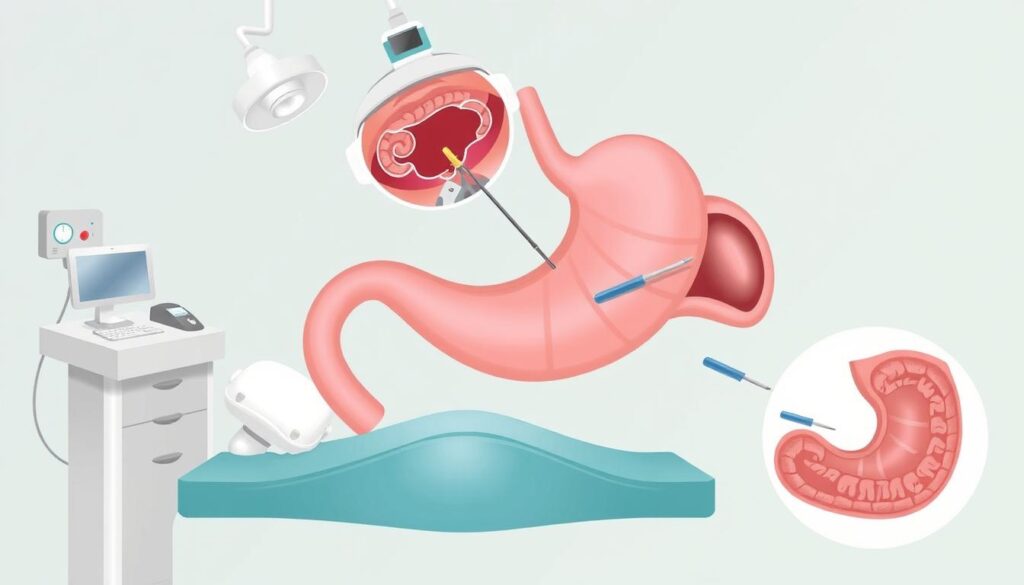
The procedure involves removing approximately 75% of the stomach, leaving behind a tube-like portion. This significantly reduces stomach capacity and alters gut hormones responsible for hunger and metabolism.
How the Sleeve Gastrectomy Procedure Works
The sleeve gastrectomy procedure is performed laparoscopically through several small incisions in the abdomen. Unlike the gastric band, no foreign objects are implanted, and the stomach is permanently reduced in size, limiting food intake.
Hormonal Changes and Their Effects
The gastric sleeve surgery leads to hormonal changes that suppress hunger and improve insulin sensitivity. The reduction in ghrelin, the “hunger hormone,” helps reduce appetite and improve metabolism, often leading to improvements in conditions like type 2 diabetes.
These combined effects typically result in more rapid and substantial weight loss compared to the gastric band. For more information on the pricing details of gastric sleeve surgery, please to discuss your options.
Gastric Band vs Sleeve: Key Differences
When considering weight loss surgery, understanding the differences between gastric band and gastric sleeve procedures is crucial. Both surgeries aim to help individuals achieve significant weight loss, but they differ in their approach, benefits, and potential drawbacks.
Surgical Approach Comparison
The gastric band involves placing an adjustable band around the upper part of the stomach, creating a small pouch. In contrast, the gastric sleeve involves removing a large portion of the stomach, leaving a narrow sleeve-like stomach. Both procedures are typically performed laparoscopically, but the impact on the stomach differs significantly.
Reversibility and Permanence
One key difference between the two procedures is their reversibility. The gastric band is adjustable and can be removed if necessary, whereas the gastric sleeve is a permanent procedure that cannot be reversed. This aspect is crucial for individuals considering their long-term commitment.
Impact on Digestion and Hormones
The gastric sleeve has a more significant impact on digestion and hormones compared to the gastric band. The sleeve procedure can alter hunger hormones, leading to reduced appetite, whereas the band has minimal effect on the digestive process. This difference can influence the rate and sustainability of weight loss.
- The gastric band allows for adjustability and reversibility.
- The gastric sleeve is a permanent procedure with significant hormonal impacts.
- Weight loss rates and patterns differ between the two procedures.
To determine which procedure is right for you, it’s essential to consider these key differences and consult with a healthcare professional. For more information on the costs associated with these procedures, please contact us for pricing details.
Weight Loss Results and Effectiveness
Evaluating the effectiveness of different weight loss surgeries helps patients set realistic expectations. When considering gastric band or gastric sleeve surgery, understanding the potential weight loss outcomes is crucial.
Gastric Band Weight Loss Timeline
The gastric band typically results in a gradual weight loss of approximately 1-2 pounds per week in the first year. With proper band adjustments and lifestyle changes, patients usually lose about 40-60% of their excess weight within two years.
- Gradual weight loss
- Importance of band adjustments
- Lifestyle changes crucial for success
Gastric Sleeve Weight Loss Timeline
In contrast, gastric sleeve patients often experience more rapid initial weight loss, losing about 2-4 pounds per week in the first 3-6 months. Typically, sleeve patients lose about 60-70% of their excess weight within two years.
- Rapid initial weight loss
- Significant excess weight loss
- Long-term success depends on lifestyle changes
It’s essential to note that individual results vary significantly based on commitment to dietary guidelines, exercise, and follow-up care. Both procedures can result in weight regain if not accompanied by permanent lifestyle changes. For personalised advice and to discuss weight loss surgery options, please contact us for more information.
Benefits and Advantages of Each Procedure
Gastric band and gastric sleeve surgeries offer distinct advantages that can significantly impact weight loss journeys. Understanding these benefits is crucial for making an informed decision.
Advantages of Gastric Band Surgery
The gastric band procedure is minimally invasive and adjustable, allowing for flexibility based on patient needs. It is also reversible, ensuring no permanent changes to the digestive system. Key benefits include:
- Lower risk of vitamin and nutrient deficiencies
- Shorter recovery time and hospital stay
- Gradual, controlled weight loss through adjustments
Advantages of Gastric Sleeve Surgery
Gastric sleeve surgery offers more rapid weight loss and often results in greater total weight loss. The procedure’s hormonal effects can help reduce hunger and improve conditions like type 2 diabetes. Benefits include:
- No need for regular adjustment appointments
- No implanted foreign device that could malfunction
- Significant weight loss, improving overall health
Potential Risks and Complications
While weight loss surgery can be an effective solution, it’s crucial to understand the potential risks and complications associated with gastric band and gastric sleeve procedures. Both surgeries carry unique risks that patients should be aware of before making a decision.
Gastric Band Risks
Gastric band surgery requires ongoing adjustments and follow-up visits, which can be inconvenient for some patients. Risks include:
- Band slippage, erosion, or leakage
- Discomfort or difficulty swallowing
- The need for future removal or revision surgery
These complications can occur in up to 10% of patients over the years, but most are correctable.
Gastric Sleeve Risks
Gastric sleeve surgery carries a higher initial surgical risk due to the permanent removal of stomach tissue. Potential complications include:
- Leaks from the staple line
- Bleeding and strictures (narrowing)
- Nutritional deficiencies
- Acid reflux or GERD symptoms
Following post-operative guidelines can help minimize these risks.
Recovery and Lifestyle Changes
Understanding the recovery process and necessary lifestyle changes after gastric band or sleeve surgery is vital for patients to achieve their weight loss goals. Both procedures require careful consideration of post-operative care to ensure a smooth and effective recovery.
Recovery After Gastric Band Surgery
Gastric band surgery is typically performed as an outpatient procedure, allowing patients to return home the same day. Most individuals can resume normal activities within a week. The diet progresses gradually from liquids to solid foods, with regular follow-up visits for band adjustments.
Recovery After Gastric Sleeve Surgery
In contrast, gastric sleeve surgery usually requires a hospital stay of 1-2 nights, with a longer recovery period of 2-4 weeks. Patients must follow a staged diet progression, starting with liquids and gradually moving to solid foods.
Long-term Dietary Requirements
Both procedures demand permanent lifestyle changes, including portion control, prioritizing protein, and mindful eating habits. Gastric band patients must eat small bites and chew thoroughly to avoid discomfort, while gastric sleeve patients may require nutritional supplementation due to reduced absorption capacity.
Regular physical activity is crucial for maximizing weight loss results and maintaining long-term health. For specific pricing details and to discuss your individual needs, please contact us to arrange a consultation.
Making Your Decision: Which Surgery is Right for You?
Deciding between gastric band and sleeve gastrectomy involves considering several factors, including your BMI, existing health conditions, and personal preferences. Both procedures are effective for weight loss, but they have different approaches and implications.
The gastric band is a less invasive, adjustable, and potentially reversible option, suitable for those who prefer a more gradual weight loss. In contrast, the gastric sleeve is better for those seeking rapid weight loss and who may benefit from hormonal changes, particularly for conditions like type 2 diabetes.
It’s crucial to have realistic expectations about what each procedure can achieve and the lifestyle changes required for long-term success. A comprehensive pre-surgical assessment, including consultations with surgeons, dietitians, and psychologists, will help determine the most appropriate procedure for your individual circumstances.
We encourage you to contact us for a consultation to discuss your specific situation, answer any questions, and provide information about pricing and financing options. Both procedures can be life-changing when performed on appropriate candidates committed to necessary lifestyle changes.
FAQ
What is the main difference between a gastric band and a sleeve gastrectomy?
The primary difference lies in the surgical approach and the resulting stomach size and shape. A gastric band involves placing an adjustable band around the upper portion of the stomach, whereas a sleeve gastrectomy involves removing a significant portion of the stomach, leaving a narrow sleeve-like stomach.
Which procedure is more effective for weight loss?
Studies have shown that sleeve gastrectomy tends to result in greater weight loss compared to gastric banding, particularly in the first few years after surgery. However, individual results can vary based on factors such as starting weight, overall health, and adherence to post-operative lifestyle changes.
Are there any differences in the recovery process between the two surgeries?
Yes, the recovery process differs. Generally, sleeve gastrectomy patients experience a longer hospital stay and may have a more challenging recovery due to the more invasive nature of the procedure. In contrast, gastric banding is often performed laparoscopically and may result in a shorter hospital stay.
Can I expect to experience any long-term health benefits from these surgeries?
Both procedures can lead to significant improvements in obesity-related health conditions, such as type 2 diabetes, hypertension, and sleep apnoea. However, the extent of these benefits can vary depending on the individual and the specific procedure.
What are the potential risks and complications associated with these surgeries?
As with any surgery, there are risks involved, including infection, bleeding, and complications related to the anaesthesia. Specific to these procedures, risks include reflux, band slippage or erosion, and nutritional deficiencies. It’s crucial to discuss these risks with a healthcare professional to understand the potential complications.
How do I choose between a gastric band and a sleeve gastrectomy?
The decision should be based on various factors, including your overall health, the severity of your obesity, previous surgical history, and personal preferences. Consulting with a bariatric surgeon and a multidisciplinary team can help determine the most suitable procedure for your specific needs.
What lifestyle changes are required after undergoing weight loss surgery?
After surgery, patients are required to adopt a healthy diet and regular exercise routine to maintain weight loss and overall health. This includes eating smaller, more frequent meals, avoiding high-calorie foods, and incorporating physical activity into daily routines.


