


For individuals struggling with various eye conditions, lens replacement surgery offers a transformative solution to improve vision. This outpatient surgery involves removing the natural lens and implanting an intraocular lens (IOL) to correct vision problems.
We will explore the different types of lens replacement procedures available, discussing who might benefit from this treatment and the conditions it can effectively treat. By understanding the process from initial consultation to recovery, patients can gain a clear understanding of what to expect from eye surgery.
Key Takeaways
- Lens replacement surgery is an effective treatment for various eye conditions.
- Different types of lens replacement procedures are available in the UK.
- The surgery involves removing the natural lens and implanting an intraocular lens.
- Patients can benefit from improved vision and reduced dependence on corrective eyewear.
- A comprehensive consultation is essential to determine suitability for the surgery.
- Pricing details can be obtained by contacting us directly for a personalised quote.
Understanding Eye Lens Replacement Surgery
For individuals seeking to improve their vision, lens replacement surgery offers a viable solution. This procedure involves replacing the eye’s natural lens with an artificial intraocular lens to correct refractive errors and presbyopia, potentially eliminating the need for glasses or contact lenses.
What Is Lens Replacement Surgery?
Lens replacement surgery, also known as refractive lens exchange (RLE), is a surgical procedure that removes the eye’s natural lens and replaces it with an acrylic artificial lens. This surgery is similar to cataract surgery but serves a different purpose. While cataract surgery removes a cloudy lens, lens replacement surgery replaces a clear but functionally limited lens to improve vision.
How It Differs from Cataract Surgery
The primary difference between lens replacement surgery and cataract surgery lies in their purposes. Cataract surgery is typically performed to address a medical condition by removing a cloudy lens, whereas lens replacement surgery is an elective procedure aimed at correcting refractive errors. Although both procedures involve removing the natural lens and replacing it with an artificial one, the underlying reasons and patient needs differ.
To discuss your suitability for lens replacement surgery and to learn more about the procedure, we encourage you to contact us for further information and to schedule a consultation.
Types of Eye Lens Replacement Procedures
Eye lens replacement surgery encompasses several procedures, each tailored to address specific vision correction needs. The choice of procedure depends on the patient’s specific requirements, including the type and severity of their vision problem.
Refractive Lens Exchange (RLE)
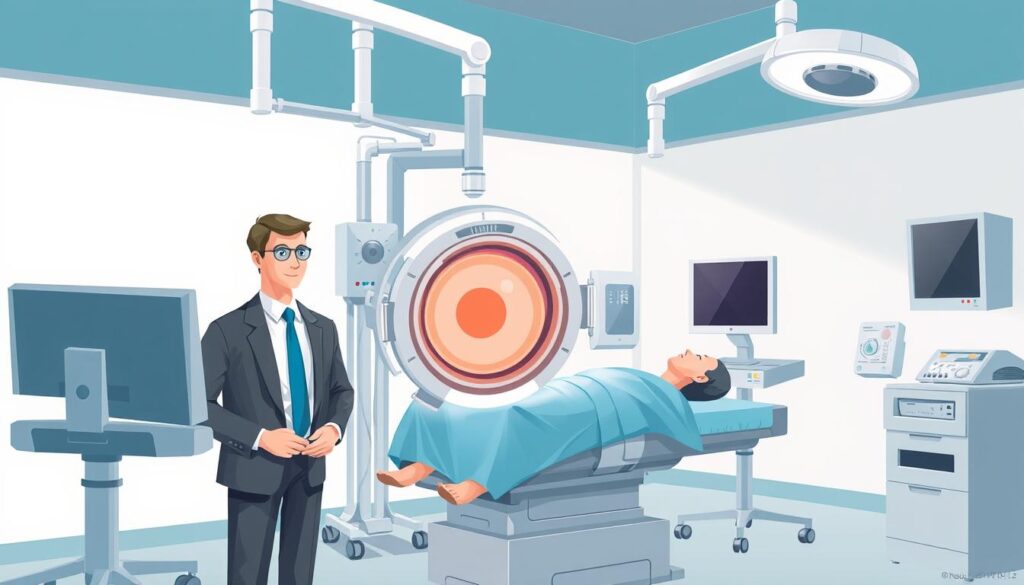
Refractive Lens Exchange (RLE) is a surgical procedure where the natural lens of the eye is replaced with a premium synthetic intraocular lens (IOL). This procedure is particularly beneficial for individuals over 40 experiencing presbyopia or those with high prescriptions who may not be suitable candidates for laser eye surgery.
RLE can correct multiple vision issues simultaneously, including long-sightedness, short-sightedness, and presbyopia, making it a comprehensive solution for various vision problems.
Phakic Intraocular Lens (PIOL) Surgery
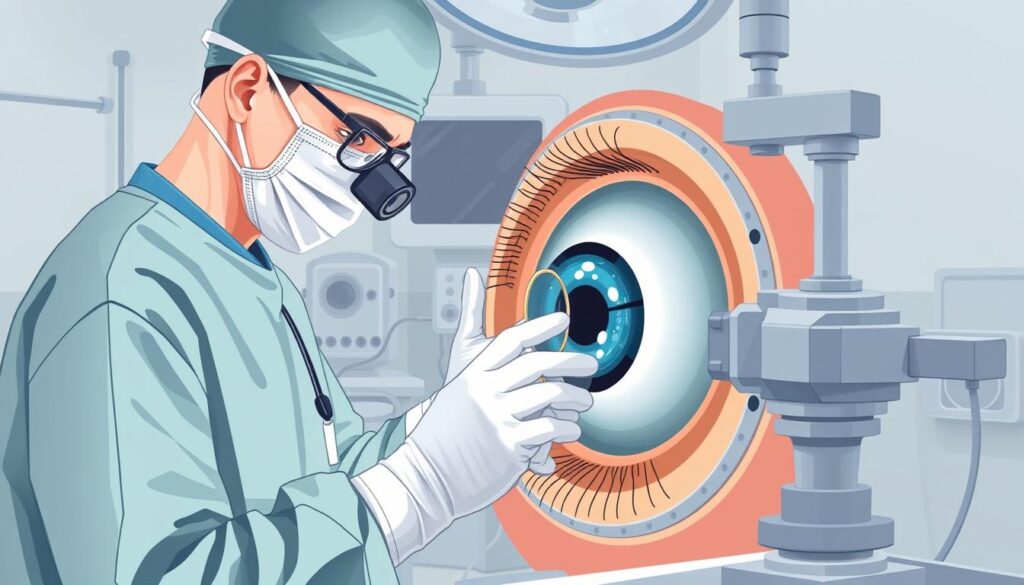
Phakic Intraocular Lens (PIOL) surgery involves adding an artificial lens to the eye without removing the natural lens. This procedure is an excellent alternative to laser eye surgery, particularly for younger patients with strong prescriptions.
PIOL surgery is beneficial for individuals who are not ideal candidates for laser eye surgery due to high myopia or other factors. It provides a reversible solution, as the implanted lens can be removed if necessary.
Both RLE and PIOL surgery offer effective solutions for vision correction, and the choice between them depends on individual patient needs. To determine the most suitable procedure for your specific vision requirements, it is essential to consult with a professional. For more information on these procedures and to discuss pricing details, please
.
The Eye Lens Replacement Procedure Explained
For those contemplating lens replacement surgery, a detailed understanding of the procedure is essential. This knowledge helps in setting realistic expectations and reduces anxiety about the surgery.
Before Your Surgery: Preparation Steps
Preparation is key to a successful eye lens replacement surgery. Before the procedure, patients undergo a comprehensive pre-surgery assessment. This includes detailed eye measurements and discussions about lens options to ensure optimal results. Patients are also advised on any necessary medication adjustments or eye drop regimens in the days leading up to the surgery.
During the Procedure: What Happens
The lens replacement surgery typically lasts between 15 to 30 minutes. During this time, patients remain awake but comfortable, thanks to topical anaesthesia in the form of eye drops. The surgeon makes a tiny incision in the eye, through which the natural lens is removed using a process called phacoemulsification. The natural lens is broken down into tiny pieces by ultrasound waves and suctioned out. An artificial lens is then inserted through the same small incision, taking the place of the natural lens. The incision is so small that it heals on its own without the need for stitches.
Anaesthesia and Comfort During Surgery
Most patients receive topical anaesthesia to numb the eyes during the procedure. Some may also be given mild sedation to help them relax. The use of topical anaesthesia ensures that patients experience minimal discomfort during the surgery. The procedure is performed as day surgery, allowing patients to return home the same day, accompanied by someone else.
Types of Artificial Lenses Available
When considering eye lens replacement surgery, understanding the various types of artificial lenses available is crucial. The choice of lens can significantly impact the outcome of the surgery and the quality of your vision post-operatively. We will explore the different types of lenses that can be implanted to correct various vision problems.
Multifocal Intraocular Lenses
Multifocal intraocular lenses are designed to provide clear vision at multiple distances – near, intermediate, and far. These lenses work by incorporating different zones of focusing power within a single lens, allowing the brain to select the appropriate focus for various tasks. This can potentially eliminate the need for reading glasses or other corrective measures for presbyopia. By correcting vision at multiple distances, multifocal lenses offer a convenient solution for individuals seeking to reduce their dependence on glasses.
Toric Lenses for Astigmatism
Toric lenses are specifically designed to correct astigmatism alongside other vision issues. Astigmatism is a common condition where the eye’s lens or cornea is irregularly shaped, causing blurred vision. Toric lenses remain properly aligned in the eye to consistently correct astigmatism, providing clearer vision for patients with this condition. The unique design features of toric lenses make them an effective solution for individuals with astigmatism who are undergoing eye lens replacement surgery.
Extended Depth of Focus (EDOF) Implants
Extended Depth of Focus (EDOF) implants are a newer type of intraocular lens that provides a continuous range of vision. Unlike traditional multifocal lenses, EDOF implants are designed to reduce visual disturbances such as glare, halos, and starbursts. EDOF technology offers enhanced depth of focus, making it a suitable option for certain patients. By providing a continuous range of vision, EDOF implants can improve visual acuity and reduce the need for corrective eyewear.
Determining the most appropriate lens type for each individual’s visual needs, lifestyle, and eye health is crucial. A thorough consultation is essential to decide on the best course of treatment. For more information on the available lens options and to discuss pricing details, we encourage you to contact us directly.
Recovery and Aftercare
The journey to clear vision doesn’t end with eye lens replacement surgery; proper aftercare is essential. Ensuring a smooth and effective recovery involves several key steps and considerations.
Immediate Post-Surgery Care
Immediately after your surgery, you will need someone to escort you home as your eye will be covered with a protective pad and shield, impairing your vision. It’s crucial to wear this protective gear continuously for the first 24 hours and then at night for one week, as advised by your surgeon, to prevent accidental rubbing or pushing of the eye, which could irritate or damage the surgical site. “Protecting your eyes after surgery is vital for a successful outcome,” highlighting the importance of following post-operative instructions carefully.
The Healing Timeline
You may experience blurry vision for the first few days following surgery, which will gradually clear up. Typically, your vision should stabilise within two to four weeks. The prescribed eye drops will need to be used for around four weeks to prevent infection and aid healing. It’s recommended to avoid strenuous activities, swimming, and excessive computer use for at least two weeks post-surgery. The complete healing of your eye may take up to eight weeks, but you can likely return to your normal routine within several days.
Potential Side Effects and Management
Common side effects include mild discomfort, sensitivity to light, and temporary visual disturbances. These are normal parts of the healing process. However, it’s crucial to attend all follow-up appointments to monitor healing and address any potential complications promptly. By doing so, you can ensure the best possible outcome from your surgery.
For more detailed information on eye lens replacement and to inquire about pricing, please contact us directly. We’re here to guide you through every step of your journey to clearer vision.
Conclusion: Is Eye Lens Replacement Right for You?
Having explored the intricacies of lens replacement surgery, we will now summarize its benefits and determine if it’s the ideal solution for your eye care needs. Eye lens replacement surgery offers a life-changing opportunity for individuals seeking to reduce their dependence on glasses or contact lenses.
One of the key benefits of lens replacement surgery is the potential for significantly improved vision. Around 95% of patients no longer need to wear glasses or contact lenses after the surgery, with only about 5% needing them occasionally for specific activities. This surgery is particularly beneficial for individuals over 40 with presbyopia or high prescriptions who wish to enhance their quality of life.
However, whether lens replacement surgery is right for you depends on several factors, including your age, overall eye health, the type and severity of your refractive error, and whether you have cataracts. Your ophthalmologist will recommend the best approach based on your individual situation.
It’s crucial to have a thorough consultation with an eye care professional to determine your suitability for the procedure and discuss your expectations and needs. This consultation will help address any concerns you may have, including questions about the longevity of the results and potential future eye health considerations.
If you’re considering lens replacement surgery and want to learn more about your options, we encourage you to contact us for personalized advice and to discuss any questions you may have about the procedure.
FAQ
What is the difference between refractive lens exchange and cataract surgery?
Refractive lens exchange is a procedure where the natural lens is replaced with an artificial lens to correct vision problems such as presbyopia, astigmatism, or hyperopia. Cataract surgery, on the other hand, involves removing a cloudy lens that is impairing vision. While both procedures involve lens replacement, the underlying reasons for the surgery differ.
How long does it take to recover from lens replacement surgery?
Most people can resume normal activities within a few days to a week after surgery. However, it may take several weeks for the vision to stabilise completely. Our surgeon will provide specific guidance on post-operative care and the expected recovery timeline.
What are the benefits of multifocal intraocular lenses?
Multifocal intraocular lenses are designed to provide clear vision at multiple distances, reducing the need for glasses or contact lenses. They work by distributing light across different focal points, allowing for near, intermediate, and far vision.
Can I still develop cataracts after having refractive lens exchange?
Since the natural lens is removed during refractive lens exchange, it is not possible to develop cataracts in that lens. However, other age-related eye conditions may still occur, and regular check-ups with our surgeon are essential to monitor overall eye health.
Are there any risks or complications associated with lens replacement surgery?
As with any surgical procedure, there are potential risks and complications, such as infection, inflammation, or visual disturbances. Our surgeon will discuss these risks in detail and provide guidance on how to minimise them.
How do I know which type of intraocular lens is best for me?
The choice of intraocular lens depends on several factors, including the shape of your cornea, the size of your pupil, and your lifestyle. Our surgeon will assess your individual needs and recommend the most suitable lens for your specific condition and preferences.


