


Dental Implantology in Turkey
Dental implantology is the specialised field of dentistry focused on the planning, placement, and long-term maintenance of dental implants. It combines surgical expertise, prosthetic dentistry, and advanced diagnostic technology to replace missing teeth in a way that closely replicates natural tooth structure and function. In Turkey, dental implantology is practised within modern clinical settings that follow internationally recognised protocols, particularly for patients seeking complex or full-mouth implant solutions.
This article provides a detailed, educational overview of dental implantology in Turkey, including what implantology involves, who it is suitable for, procedural stages, recovery, potential risks, and why international patients frequently consider Turkey for implant-based dental care.
What Is Dental Implantology?
Dental implantology is a branch of dentistry dedicated to replacing missing teeth using dental implants. Unlike general tooth replacement methods, implantology focuses on restoring the tooth root as well as the visible crown, ensuring stability, durability, and preservation of jawbone health.
Implantology integrates:
-
Oral surgery
-
Prosthodontics (restorative dentistry)
-
Digital imaging and treatment planning
The goal is to provide fixed, long-term tooth replacement that functions and appears similar to natural teeth.
The Role of Dental Implants in Implantology
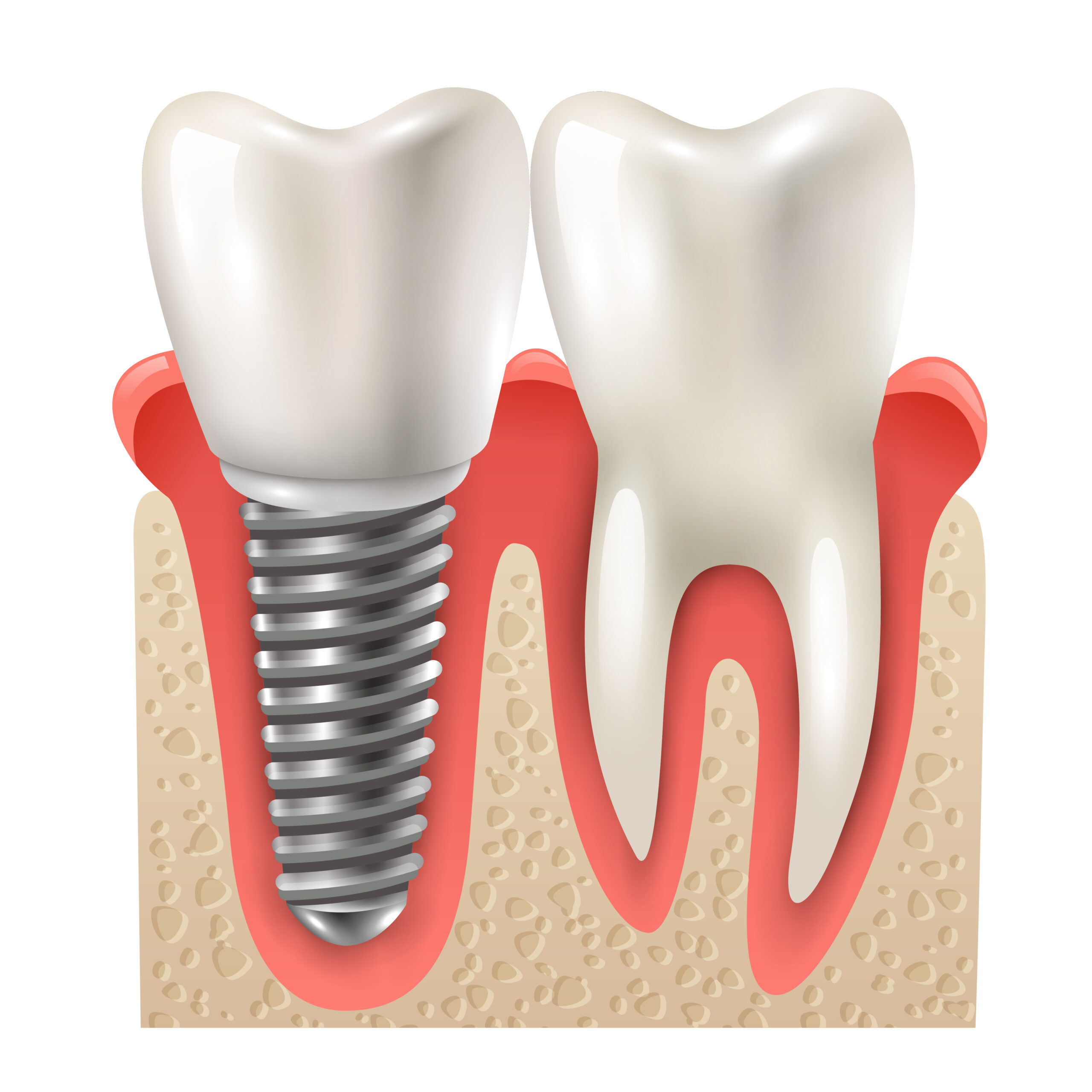
At the core of dental implantology are dental implants, which are typically titanium or titanium-alloy posts surgically placed into the jawbone. Through a biological process known as osseointegration, the implant bonds with the bone, creating a stable foundation for restorations such as crowns, bridges, or full-arch prostheses.
This approach distinguishes implantology from removable dentures or tooth-supported bridges.
Who Is Dental Implantology Suitable For?
Dental implantology is suitable for a wide range of patients, though careful assessment is essential.
Generally Suitable Candidates
-
Individuals with one or more missing teeth
-
Patients with healthy gums or treated gum disease
-
Adequate jawbone volume or suitability for bone augmentation
-
Good general health
-
Patients seeking fixed, long-term tooth replacement
When Implantology May Be Delayed
-
Active periodontal disease
-
Insufficient bone without preparatory procedures
-
Certain uncontrolled medical conditions
Each treatment plan is individualised following clinical and radiological evaluation.
Diagnostic Planning in Dental Implantology
Accurate diagnosis and planning are central to successful implantology.
Common Diagnostic Tools
-
Clinical oral examination
-
Digital X-rays
-
3D cone beam computed tomography (CBCT)
-
Bite and occlusion analysis
These tools allow precise assessment of bone quality, nerve position, and implant placement angles.
Stages of Dental Implantology Treatment
Dental implantology is typically performed in structured stages.
Stage 1: Implant Placement
-
Performed under local anaesthesia or sedation
-
A small incision is made in the gum
-
The implant is placed into the jawbone
-
The site is closed to allow healing
This stage focuses on accurate implant positioning and primary stability.
Stage 2: Osseointegration and Healing
Osseointegration is the process by which bone grows around the implant surface.
-
Healing period: usually 3–6 months
-
Essential for long-term implant success
-
Temporary restorations may be used
Stage 3: Abutment and Prosthetic Restoration
-
The implant is uncovered
-
An abutment is attached
-
A custom crown, bridge, or denture is placed
The prosthetic phase restores chewing function, speech, and aesthetics.
Advanced Dental Implantology Techniques
Modern implantology includes advanced techniques for complex cases.
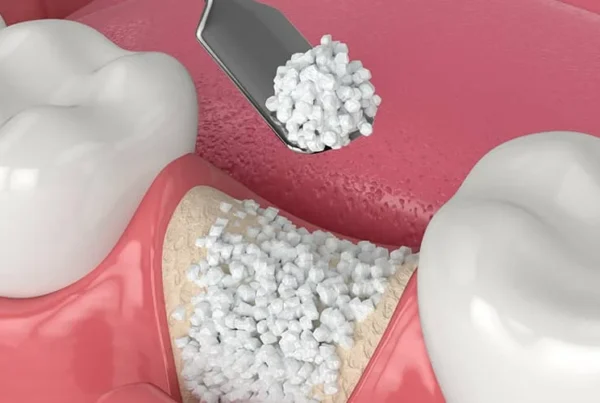
Bone Grafting
Used when jawbone volume is insufficient to support implants.
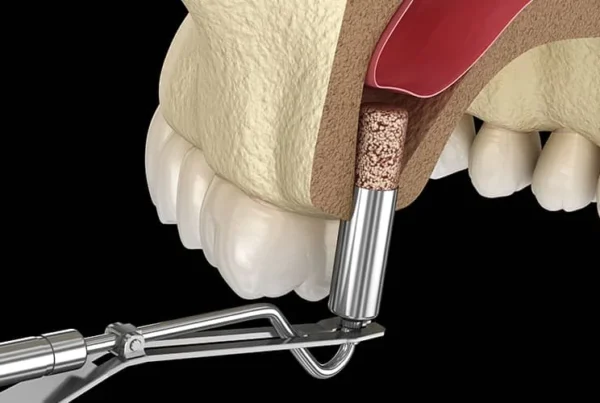
Sinus Lift
Performed in the upper jaw to increase bone height near the sinus.
Immediate Implant Placement
Implants placed at the same time as tooth extraction in selected cases.
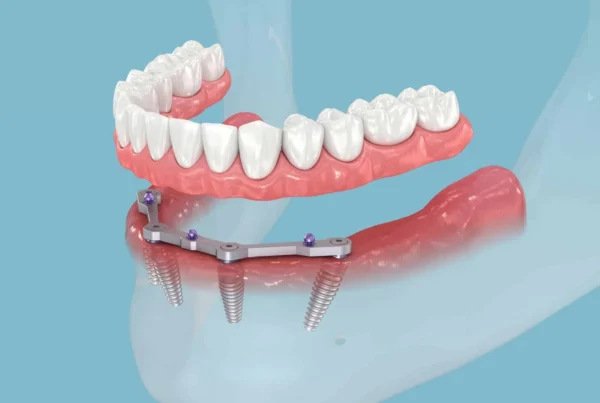
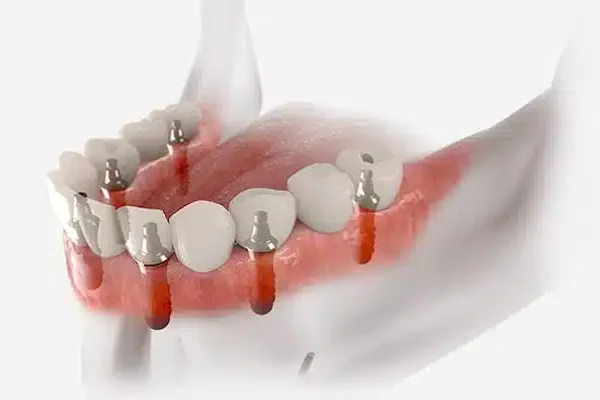
Full-Arch Implant Solutions
Multiple implants used to support a full set of fixed teeth.
These techniques expand implant eligibility to a broader patient group.
Recovery and Aftercare in Implantology
Recovery following implant placement is generally gradual.
Early Recovery
-
Mild swelling or discomfort
-
Soft diet recommended
-
Pain managed with medication
Long-Term Care
-
Excellent oral hygiene
-
Regular dental follow-up
-
Monitoring of gum and bone health
Proper aftercare is essential for implant longevity.
Risks and Possible Complications
Dental implantology is widely considered safe, but risks exist.
Potential Risks
-
Infection
-
Implant failure
-
Delayed osseointegration
-
Nerve or sinus involvement (rare)
Comprehensive planning and skilled execution significantly reduce these risks.
Benefits of Dental Implantology
Dental implantology offers advantages over traditional tooth replacement methods.
Key Benefits
-
Fixed, stable restorations
-
Preservation of jawbone structure
-
No damage to adjacent teeth
-
Improved chewing efficiency and speech
-
Natural-looking results
With appropriate care, implants can function for many years.
Dental Implantology and Long-Term Oral Health
Implantology plays an important role in maintaining oral health by:
-
Preventing bone resorption after tooth loss
-
Maintaining bite alignment
-
Supporting facial structure
Long-term success depends on regular dental monitoring and patient compliance.
Why Patients Consider Turkey for Dental Implantology
Turkey is frequently chosen by international patients for advanced implant dentistry.
Common Reasons
-
Dentists specialised in implantology
-
Modern clinics with advanced imaging technology
-
Experience with complex and full-arch cases
-
Structured treatment planning for international patients
Many patients from the UK and Europe choose to receive implant treatment in Turkey within organised treatment schedules.
Frequently Asked Questions (FAQ)
1. Is dental implantology different from regular dental implants?
Yes. Implantology refers to the entire specialty and treatment process, not just the implant itself.
2. How long does implantology treatment take?
Typically 3–6 months, longer if bone grafting is required.
3. Is implantology painful?
Most patients report mild discomfort that is manageable with medication.
4. Are dental implants permanent?
Implants are long-lasting but require monitoring and maintenance.
5. Can implantology treat full tooth loss?
Yes. Full-arch implant solutions are a core part of modern implantology.
Conclusion
Dental implantology in Turkey represents a comprehensive, multidisciplinary approach to tooth replacement that prioritises function, stability, and long-term oral health. By understanding the stages of treatment, recovery expectations, potential risks, and the importance of proper planning, patients can make informed decisions about implant-based dental care. With appropriate case selection and ongoing maintenance, dental implantology offers reliable and natural-looking solutions for missing teeth.
Medical Disclaimer: The information provided in this article is for general informational purposes only and should not be considered medical advice. Always consult a qualified healthcare professional before making any medical decisions.