
Cosmetic Surgery for Male
Demand across the UK has risen, with clinics noting around 20% of patients are men seeking refined, natural results. Today’s options span surgical and non-surgical routes, aimed at subtle enhancement of the face and body without an obvious “done” look.
Common requests include rhinoplasty, blepharoplasty and male breast reduction, alongside high-definition liposuction and skin removal after weight loss. Practitioners now tailor techniques to masculine anatomy to preserve strong, balanced proportions.
From the first consultation to aftercare, personalised plans focus on safety, discretion and realistic outcomes. Combined procedures can cut overall downtime and create harmonious results, though more extensive corrections may need longer recovery.
Board-certified surgeons in the UK bring specialist expertise and clear discussion of benefits, risks and budget factors. A straightforward consultation helps align your goals with the most effective plan.
Key Takeaways
- UK demand is growing; many seek natural, masculine results.
- Popular choices: rhinoplasty, eyelid work, male breast reduction and targeted contouring.
- Personalised care and specialist knowledge help achieve balanced outcomes.
- Combined procedures may reduce downtime; recovery varies by complexity.
- Realistic expectations, safety and cost transparency are vital.
Why choose us for male cosmetic surgery in the UK
Assessment at dedicated units emphasises masculine anatomy, providing targeted adjustments that feel authentic and proportionate. Our centres are known for subtle, reliable outcomes and a clear pathway from first contact to follow-up.
Subtle, masculine results tailored to you
Specialist teams plan around male anatomy to preserve strong features and avoid feminising effects unless requested. Small changes to the nose, chest or eyelids often produce visible improvements in confidence and presence.
Incision placement and scar management are planned to minimise signs of intervention. Robust safety protocols and consultant-led methods put patient welfare first.
Personalised care from consultation to aftercare
The patient pathway begins with a detailed consultation and a bespoke plan set by an experienced surgeon and supportive team. This includes scheduling that respects work and family commitments.
Aftercare is tailored to a modern lifestyle and may include multidisciplinary input across surgical and non-surgical options to ensure smooth recovery and lasting results.
“Vetting your surgeon and choosing a centre with male-focused expertise matters. It makes a real difference to the final appearance and confidence.”
| Procedure | Main aim | Typical recovery |
|---|---|---|
| Male breast reduction | Flatter, firmer chest | 1–3 weeks light activity |
| Rhinoplasty | Balanced nasal profile | 2–6 weeks gradual return |
| Eyelid (blepharoplasty) | Fresher, less tired look | 1–2 weeks visible improvement |
cosmetic surgery for men: what it includes today
Modern pathways mix theatre-based operations with clinic treatments to address structure, fat and skin tone. Options range from definitive ops to repeatable, low-downtime therapies that refresh the face and body.
Surgical and non-surgical options explained
Surgical procedures include rhinoplasty, blepharoplasty, facelift and neck lift, gynecomastia correction, liposuction and body lifts. These change anatomy, remove excess tissue and correct function.
Non-surgical treatments cover Botox, dermal fillers, laser resurfacing, IPL, microneedling (often paired with radiofrequency) and thread lifts. Fillers can sharpen jaw, chin and cheeks. Non-surgical nose shaping with hyaluronic acid offers temporary contouring with minimal downtime.
Popular choices for modern men
- Reshaping: rhinoplasty or injectable contouring.
- Volume and definition: fillers for jawline, chin and cheeks.
- Fat and contour: liposuction versus excisional lifts after weight change.
- Skin quality: lasers and microneedling to treat scars and texture; staged sessions may be needed.
Processes differ by anaesthesia, incisions and recovery. Surgical change tends to be longer lasting; injectables and some skin treatments need maintenance. Always seek board-certified teams who tailor plans to masculine anatomy and goals, then agree a staged or combined approach.
Facial procedures for men: natural, masculine refinement
Targeted facial work can correct sport-related nasal damage, lift tired eyes and sharpen jaw contours while keeping results natural.
Rhinoplasty and non-surgical nose shaping
Rhinoplasty refines shape and can correct a deviated septum to improve breathing after contact-sport injuries or a dorsal hump.
Non-surgical nose jobs use hyaluronic acid to smooth small irregularities or lift the tip. Effects are rapid and last around 12 months with minimal downtime.
Eyelid work to refresh the eyes
Upper and lower eyelid surgery removes excess skin and reduces under-eye bags while preserving a masculine eye shape.
Results look rested rather than altered, with incision planning to hide scars in natural creases.
Lift options: facelift, neck lift and brow lift
Facelift and neck lift techniques are tailored to thicker, beard-bearing skin to maintain hairlines and jaw contour.
Brow lifts may be open or endoscopic; recovery commonly runs 10–14 days and surgeon choice affects scar placement and longevity.
Jawline, chin and cheek augmentation with filler
Hyaluronic acid fillers sharpen the jawline, balance a weak chin and restore cheek projection without an overfilled look.
Combining fillers with operative procedures can fine-tune symmetry and enhance overall results.
“Experienced surgeons who respect male proportions make subtle improvements that look like you—rested and refined.”
- Scar-minimising incisions and careful planning keep outcomes discreet.
- Choose a specialist surgeon and centre experienced in male facial proportions to avoid feminising changes.
Body contouring for men: from liposuction to post-weight loss lifts
Body contouring blends targeted fat removal with reconstructive lifts to refine shape and restore comfort. High-definition liposuction can accentuate abdominal and pectoral muscles and commonly treats the abdomen, chest, chin and arms.
High-definition liposuction for abdomen, chest, chin and arms
High-definition liposuction targets stubborn fat pockets to reveal natural muscle contours while keeping proportions realistic. It works best for localised fat, not as a substitute for weight loss or for tightening grossly lax skin.
Excess skin removal after significant weight loss
After significant weight loss, excess skin may persist and cause discomfort. Excisional removal via abdominoplasty, arm lift or thigh lift removes redundant tissue and improves appearance and mobility.
Targeted lifts: abdominoplasty, arm lift and thigh lift
Chest and breast contouring can be integrated to improve torso definition and correct asymmetry. Incision planning and scar placement are selected to be discreet, with garment support and aftercare to aid healing.
- When lipo alone suffices: local fat with good skin tone.
- When a lift is needed: loose, hanging skin after weight loss.
- Combining areas can reduce total downtime but adheres to safe operative time limits.
- Realistic gains: improved appearance, clothing fit and reduced irritation from redundant skin.
| Procedure | Main aim | Typical recovery |
|---|---|---|
| High‑definition liposuction | Reveal muscle definition (abdomen, chest, chin, arms) | 1–3 weeks light activity; 3 months full contour |
| Abdominoplasty | Remove excess abdominal skin; tighten core | 2–6 weeks limited activity; 6–12 weeks gradual return |
| Arm lift / thigh lift | Excess skin removal and smoother silhouette | 2–4 weeks careful movement; 6–12 weeks for strenuous activity |
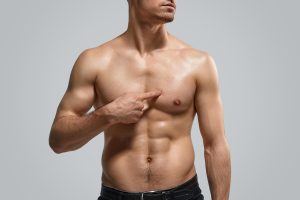
Male breast reduction (gynaecomastia): flatter, firmer chest
Gynecomastia can leave a chest that feels out of step with a patient’s body shape, especially when glandular tissue persists after puberty. True male breast enlargement may not respond to diet or exercise and often needs targeted treatment.
Understanding glandular tissue and fat removal
Fat versus firm gland: fatty fullness can improve with liposuction alone. Dense glandular tissue, however, usually requires direct excision to achieve a flat, masculine chest.
Most approaches pair tumescent liposuction to reduce fat with a small excision beneath the areola to remove glandular tissue. Incisions sit in natural creases to keep scars discreet.
Suitable patients include those with persistent puberty-related enlargement, asymmetry or tender glandular overgrowth. Combined chest and abdominal contouring may be offered to balance the upper body.
- Improved chest contour and clothing fit.
- Temporary swelling, compression garments and staged return to training.
- Careful planning avoids over‑resection to keep an athletic profile.
| Issue | Typical approach | Expected recovery |
|---|---|---|
| Fat predominant | Liposuction with local contouring | 1–3 weeks light activity; compression 4–6 weeks |
| Glandular tissue | Direct excision via areolar or inframammary incision + lipo | 2–4 weeks gradual return; swelling reduces over months |
| Severe asymmetry | Custom excision and contouring; possible staged plan | 4–6 weeks activity limits; tailored follow-up |
Choosing an experienced surgeon ensures accurate diagnosis and a method suited to your anatomy and goals. Discuss your expectations openly so the plan reflects daily life, training and long-term appearance.
Skin-focused treatments: acne scars, hyperpigmentation and lines
Addressing skin concerns improves texture and tone while keeping results natural. A bespoke plan matches treatment choice to your skin type, areas of concern and how much downtime you can accept.
Laser resurfacing and microneedling for scars
Laser resurfacing removes the outer skin layer and stimulates collagen. Expect visible change after several sessions spaced months apart and moderate downtime as new skin settles.
Microneedling creates micro‑wounds to trigger repair. It improves shallow acne scarring and texture with minimal recovery. Radiofrequency microneedling adds heat to tighten deeper layers and is preferable for stubborn scarring or laxity.
IPL and Q‑switched lasers for sun and age spots
IPL targets surface hyperpigmentation like sun spots and freckles while sparing nearby tissue. Downtime is usually short, with a series of sessions recommended.
Q‑switched Ruby lasers reach deeper pigment and can treat stubborn spots and some tattoos. They may require longer recovery and specialist aftercare.
Botox and fillers to smooth lines
Botox treats dynamic lines—frown lines and crow’s feet—halting movement that forms deeper static creases. Timely use can slow permanent line formation.
Fillers restore volume and soften static creases. They can also lift depressed acne scars to improve contour while keeping a natural appearance.
- Treatment choice varies by area, skin type and downtime tolerance; discuss this at consultation.
- Skin procedures complement eyelid surgery and blepharoplasty or other surgical plans; they can be scheduled around recovery windows.
- Maintenance is expected — non‑surgical gains need periodic top‑ups. Sun protection and good at‑home care are essential to preserve results.
“Improving skin quality often enhances surgical outcomes and extends the visible benefits of any face procedure.”
Your treatment journey: consultation, procedure and recovery
Early planning sets the tone: a tailored assessment matches anatomy, lifestyle and timing to an ideal plan. The initial consultation records goals, health history and realistic expectations. It also decides if two procedures should be staged or combined.
Assessment and bespoke surgical plan
A focused review looks at the face or body, discusses risks and agrees a personalised plan. Patients receive written steps and pre-op checks to reduce unexpected delays.
Anaesthesia, operative steps and combined procedures
Most cases use general anaesthetic; minor work may use local with sedation. Short eyelid work can take ~30 minutes, while an abdominoplasty may exceed three hours. Combining procedures is possible but limited to keep safety and recovery straightforward.
Recovery timelines and safe return to activity
Expect swelling and bruising to peak early, with desk work often possible in 1–2 weeks. Avoid vigorous exercise for six weeks and follow pain relief guidance.
Pro tips to aid healing and reduce risks
“Avoid smoking and heavy alcohol, protect wounds, and stay hydrated to speed healing.”
- Wear prescribed compression garments as directed.
- Skip pools, saunas and steam until cleared.
- Plan time off work and childcare to lessen stress during recovery.
| Stage | Typical timing | Key instruction |
|---|---|---|
| Consultation | 1 visit | Document goals, meds and planning |
| Operation | 30 mins–3+ hrs | Follow fasting and arrival times |
| Early recovery | 1–6 weeks | Rest, incision care, limited activity |
Transparent pricing and finance: what affects the cost
Pricing varies widely and depends on the complexity of the planned procedure and the facility chosen. Costs reflect operative time, anaesthesia, and the level of specialist input you select.
What makes a quote rise or fall?
- Procedure complexity and number of areas treated (for example, multiple liposuction areas take longer).
- Surgeon expertise and the reputation of the clinic or hospital.
- Anaesthetist fees, theatre time and any overnight stay requirements.
What your fee usually covers
Fees typically include the surgeon, anaesthetist and facility costs, plus standard pre- and postoperative care. Ask what follow-up appointments, garments or imaging are included.
“Detailed quotations follow an in-person consultation so the plan fits your anatomy and goals.”
| Cost driver | What it covers | Typical impact on price |
|---|---|---|
| Procedure complexity | Operating time, specialised instruments | Higher complexity = higher fee |
| Surgeon grade | Consultant-level experience and outcomes | Experienced surgeons command premium rates |
| Facility standard | Accredited theatres, aftercare nursing | Private hospitals cost more than clinics |
| Combined procedures | Single anaesthetic, longer theatre time | Higher single cost, may save overall downtime |
As an example, a brow lift in central London can start around £2,000; final pricing depends on the exact technique and setting. A tailored consultation is essential to produce an accurate quotation.
Finance and value: Ask about staged plans, possible revisional work and available finance options. Investing in accredited teams and accredited facilities supports safety and long-term results, reducing the chance of costly repeat treatment.
Well-being and support: counselling for confidence and readiness
Exploring your motivations with a trained counsellor often reveals practical and emotional drivers. This step helps ensure any plan suits your life, timing and budget.
A confidential space to explore motivations and expectations
Private sessions give you time to talk about body image, workplace concerns and how visible change may affect day‑to‑day life. Counsellors help reduce anxiety about being judged and build realistic goals.
Therapy can clarify whether an operative route or non‑operative treatment best fits your aims. It also helps patients weigh risks, recovery time and longer‑term expectations.
- Discuss stigma, career impact and social concerns in confidence.
- Learn coping strategies to protect mental health during recovery.
- Involve partners or trusted friends when helpful but keep decisions centred on you.
- Get practical prep on scar expectations, skin care and realistic appearance outcomes.
“Seeking support is a strength — it often improves confidence and leads to clearer decisions that protect results.”
Book a consultation and ask about a referral to our resident counsellor. Many patients find combined emotional and clinical care gives the most satisfying outcome.
Conclusion
A clear, tailored plan ties facial refinements to body contouring so outcomes look balanced and natural.
Whether it’s a refined nose, fresher eyes with blepharoplasty or targeted lifts after significant weight loss, combining approaches lets you address face and body together.
Post‑weight loss strategies that remove excess skin and add a lift can improve comfort, clothing fit and confidence. Male breast reduction flattens and firms the chest with careful tissue removal and discreet scar placement.
Work with experienced plastic teams who balance eyelid surgery, brow or neck lift with skin treatments and non‑surgical refreshers to create subtle, natural results.
Book a consultation with a surgeon‑led team in the UK to review staged or combined procedures, clear pricing and a recovery plan. Counselling is available to help set realistic goals and support your decision.
FAQ
What procedures are available to improve a man’s facial appearance?
Men can choose from rhinoplasty and non-surgical nose reshaping, upper and lower blepharoplasty to reduce tired eyes, facelifts, neck lifts and brow lifts for structural rejuvenation, plus jawline, chin and cheek enhancement with dermal fillers. These options aim for subtle, masculine refinement while preserving natural expression.
Which body contouring treatments suit men after significant weight loss?
For post-weight-loss body contouring, surgeons often recommend excess skin removal, abdominoplasty (tummy tuck), arm and thigh lifts. High-definition liposuction can refine the abdomen, chest, chin and arms. Plans are tailored to tissue quality, health and aesthetic goals to restore a firmer silhouette.
How is male breast enlargement (gynaecomastia) treated?
Treatment commonly combines removal of glandular tissue and liposuction to reduce fat. In some cases skin tightening or excision is needed for optimal chest shape. Surgeons assess whether the cause is glandular, fatty or mixed to choose the correct technique and deliver a flatter, firmer chest.
Are non-surgical options effective for men who want subtle change?
Yes. Non-surgical choices like Botox, fillers, laser resurfacing, IPL, Q‑switched lasers and microneedling can smooth lines, improve skin tone and add volume. They suit men seeking modest enhancements, shorter downtime and natural-looking results when performed by experienced clinicians.
What should I expect during the initial consultation?
The consultation includes a full assessment of health, skin and body, discussion of goals, and bespoke surgical or non-surgical plan. Surgeons explain risks, anaesthesia options, likely recovery and costs. This confidential review helps set realistic expectations and a clear pathway forward.
How long is recovery after procedures like a facelift or abdominoplasty?
Recovery varies by procedure and individual. Expect initial swelling and bruising for one to three weeks, with gradual return to light activity after two weeks. More strenuous exercise usually resumes after four to eight weeks. Your surgeon will provide a personalised timeline and aftercare to support safe healing.
What factors influence the total cost of a procedure?
Price depends on procedure complexity, surgeon’s expertise, anaesthesia type, facility fees and any combined treatments. Pre- and post-operative care, garment costs and potential revisions also affect the final figure. Many clinics offer consultation to outline an accurate quote and finance options.
How do I choose a reputable surgeon in the UK?
Look for a surgeon registered with the General Medical Council and a member of the British Association of Aesthetic Plastic Surgeons or the British Association of Plastic, Reconstructive and Aesthetic Surgeons. Review before-and-after photos, patient testimonials and ask about complication rates and follow-up care.
Can cosmetic treatments address acne scars and hyperpigmentation?
Yes. Laser resurfacing, microneedling and IPL are effective for acne scars and uneven pigmentation. Q‑switched lasers target specific pigment issues. A tailored skin plan, often combining treatments, achieves the best improvement with minimal downtime.
What pre- and post-operative tips help reduce risks and speed healing?
Stop smoking and avoid certain medications as advised, maintain good nutrition and stay hydrated. Follow wound-care instructions, wear recommended compression garments and attend follow-up appointments. Gradually return to activity and report any concerns promptly to your care team.


 English
  Afrikaans
  Albanian
  Russian
  German
  Swedish
  Spanish
  Romanian
  Portuguese
  Japanese
  Azerbaijani
  Chinese
  Dutch
Dutch  French
  German (Formal)
  Greek
Greek