
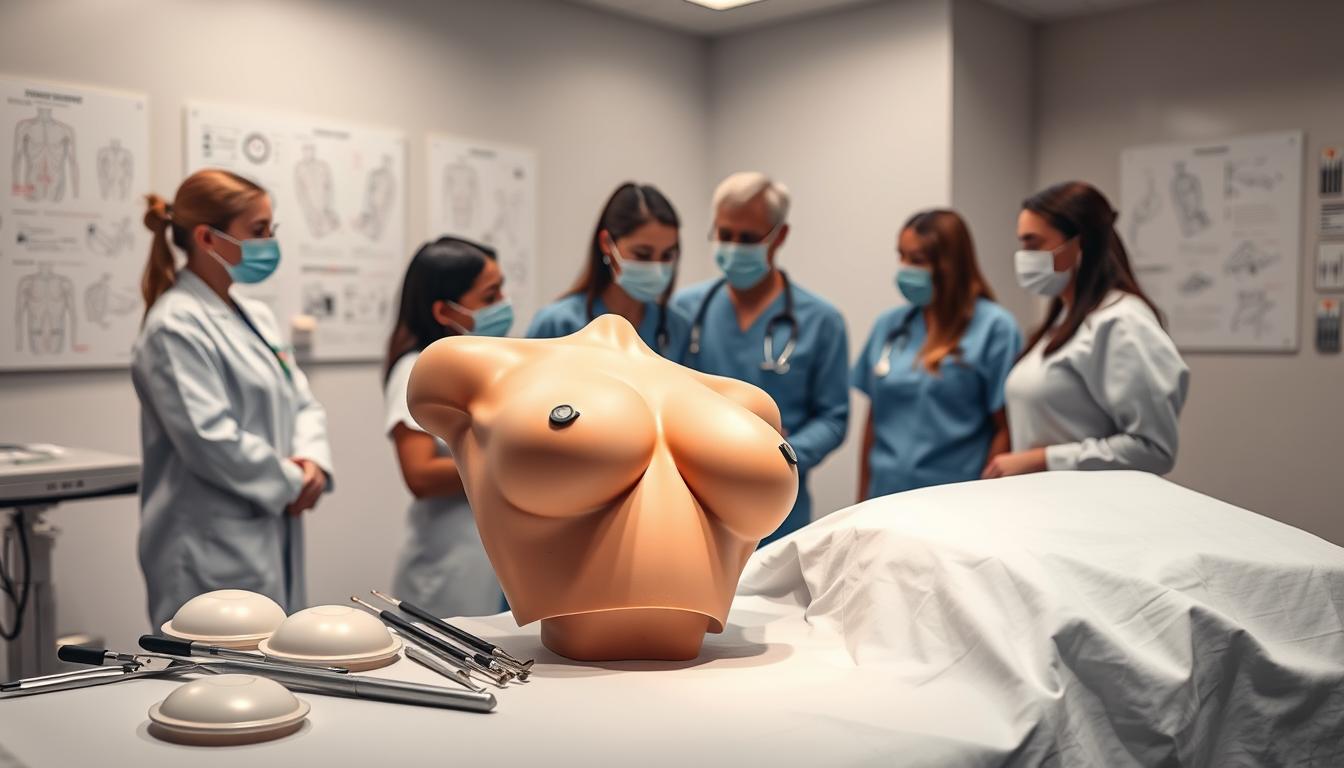
We offer comprehensive breast augmentation services designed to enhance your figure and boost your confidence with natural-looking results. Our approach focuses on personalised care, ensuring each patient receives a treatment plan tailored to their unique body type and aesthetic goals.
Modern techniques allow for customisation in terms of implant type, size, and placement to achieve the most natural and proportionate results. We utilise the latest surgical techniques and highest quality implants to provide safe and effective procedures.
Throughout your journey, our team of experienced professionals will guide you every step of the way, from initial consultation through to complete recovery. For more information on our breast augmentation services and to discuss your individual needs, please contact us to arrange a consultation.
Key Takeaways
- Personalised care for each patient to achieve tailored results.
- Customisation options for implant type, size, and placement.
- Utilisation of the latest surgical techniques and high-quality implants.
- Comprehensive guidance throughout the entire process.
- Natural-looking results to enhance your figure and confidence.
Understanding Breast Augmentation
By understanding what breast augmentation entails, individuals can make informed decisions about whether this surgery is right for them. Breast augmentation is a surgical procedure designed to enhance the size, shape, and overall appearance of a woman’s breasts through the use of implants.
Breast augmentation can address various concerns, such as naturally small breasts, asymmetry, and volume loss following pregnancy or significant weight loss. It can also restore breast volume and improve the projection of breasts that have sagged due to ageing or weight fluctuations.
What Breast Augmentation Can Achieve
Breast augmentation surgery can effectively enhance the size and shape of breasts, improving overall body proportions. This procedure can address a range of issues, including:
- Enhancing naturally small breasts
- Correcting asymmetry between breasts
- Restoring volume lost after pregnancy or significant weight loss
- Improving the projection of sagging breasts
By achieving these outcomes, breast augmentation can significantly boost a woman’s confidence and self-esteem.
Who Is an Ideal Candidate
Ideal candidates for breast augmentation are women who are at least 18 years old, in good physical health, and have fully developed breasts. They should also maintain realistic expectations about the outcomes of the surgery.
Candidates should not be pregnant or breastfeeding; it is recommended to wait at least six months after childbirth or completing breastfeeding before considering breast enlargement surgery. A thorough assessment of medical history, current health status, and breast tissue characteristics will determine suitability for the procedure.
To find out more about whether you are a suitable candidate for breast augmentation, we invite you to Contact Us for a personalised consultation.
Your Personalised Consultation Journey
Embarking on a breast augmentation journey begins with a personalised consultation, a crucial step towards achieving your aesthetic goals. During this initial meeting, your surgeon will take the time to understand your desires, concerns, and expectations.
What to Expect During Your Initial Consultation
Your breast augmentation journey begins with a comprehensive consultation where our surgeons take time to understand your aesthetic goals, concerns, and expectations. We’ll discuss your desired breast size and shape, evaluate your current breast anatomy, and assess factors like skin elasticity and tissue coverage that will influence your surgical options.
Our surgeons will explain all aspects of the breast augmentation procedure, including implant options, placement techniques, incision locations, and what you can realistically expect from your results. We encourage you to bring images of your desired outcome to your consultation, as this helps us better understand your aesthetic preferences and determine if they align with what’s surgically possible for your body type.
Important Questions to Ask Your Surgeon
It’s essential to ask the right questions during your consultation to ensure you’re well-informed about your breast augmentation surgery. Important questions include details about the surgeon’s experience with breast augmentation, their recommended approach for your specific needs, and what complications might arise.
You should also enquire about recovery timeframes, potential limitations during healing, and what follow-up care is provided after your breast augmentation surgery. For pricing details and information about financing options for your breast augmentation, we invite you to discuss these aspects during your consultation.
Types of Breast Implants We Offer
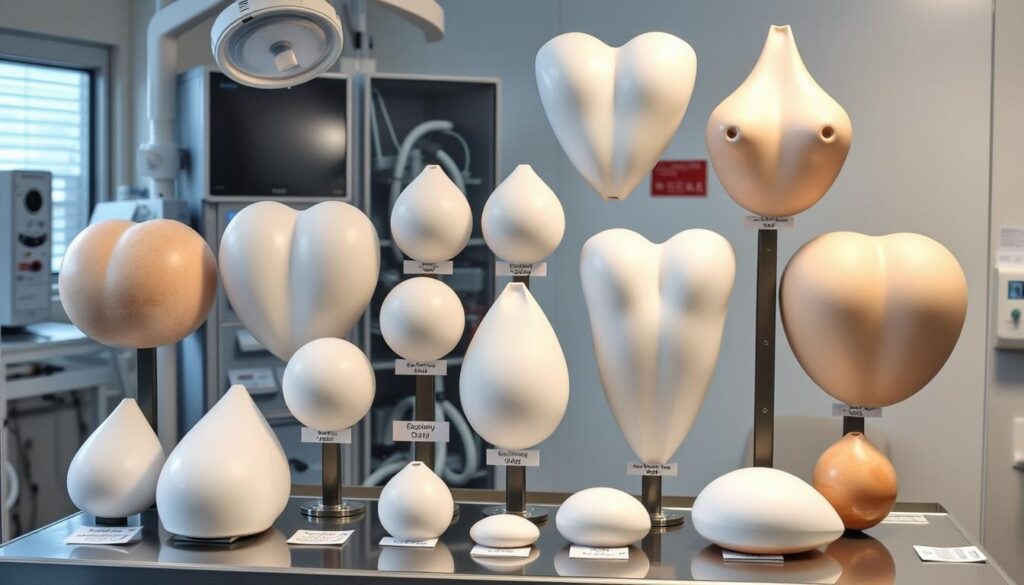
We offer a range of breast implants designed to cater to different aesthetic goals and body types, ensuring a tailored approach to breast augmentation. Our comprehensive range includes round and teardrop implants, as well as silicone and saline options, each with its unique characteristics and benefits.
Round vs. Teardrop (Anatomical) Implants
Round implants are the most popular choice in the UK, providing a full look under the nipple area and resulting in a classic augmented appearance. They are available in various sizes and projections, making them suitable for patients seeking a more pronounced enhancement. On the other hand, teardrop or anatomical implants are designed to mimic the natural slope of the breast, with more volume at the bottom and less at the top. This creates a subtle, natural-looking result that many patients prefer.
The key difference between round and teardrop implants lies in their shape and the resulting appearance. While round implants provide a fuller upper portion of the breast, teardrop implants offer a more natural look that closely resembles the natural breast. However, teardrop implants require precise placement to avoid rotation and may necessitate a slightly longer recovery time.
Silicone vs. Saline Implants
Silicone implants are filled with a cohesive gel that closely resembles the feel of natural breast tissue, making them a popular choice for patients seeking a natural-feeling result. Modern silicone implants are designed to maintain their shape even if the implant shell is compromised, reducing concerns about silicone leakage. In contrast, saline implants consist of a silicone shell filled with sterile salt water, offering the advantage of smaller incisions as they can be filled after placement.
If a saline implant ruptures, the body safely absorbs the saltwater solution, making the rupture immediately noticeable as the breast appears deflated. Both silicone and saline implants are rigorously tested to meet the highest safety standards, and our implants come with warranties for your peace of mind.
Choosing the Perfect Implant Size and Shape

The key to a successful breast augmentation lies in selecting the appropriate implant size and shape that complements your body proportions. This decision is crucial and will be thoroughly discussed during your surgical consultations.
Factors That Influence the Right Size for Your Body
Several factors are considered when determining the ideal implant size for you, including your natural breast tissue, chest width, height, weight, and overall body proportions. Your lifestyle and physical activities are also important considerations to ensure that your implants do not interfere with your daily life.
Visualising Your Results
To help you envision your potential results, we use various visualisation techniques during your consultation. These include before-and-after photos of patients with similar body types and 3D imaging technology to simulate different implant sizes and shapes. Some patients also benefit from “sizing sessions” where they can try special bra inserts to simulate different implant sizes.
It’s essential to focus on long-term satisfaction rather than current trends. Choosing an implant size and shape that complements your body proportions tends to yield the most natural and aesthetically pleasing results. For more information on breast augmentation and to discuss your options in detail, please to arrange a consultation.
Our Breast Augmentation Procedure
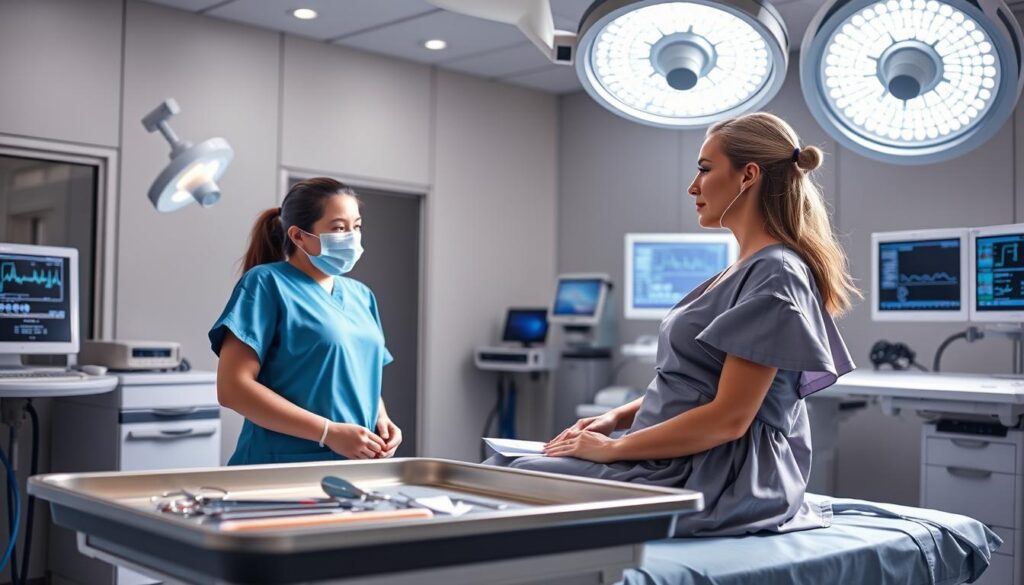
Our breast augmentation procedure is designed to provide you with the best possible results, and we’re committed to guiding you every step of the way. To ensure a smooth and successful surgery, it’s essential to understand the various aspects involved.
Preparation for Surgery
Thorough preparation is key to a successful breast augmentation surgery. This includes comprehensive pre-operative instructions, such as adjusting medications, avoiding certain supplements, and stopping smoking to optimise healing. It’s also crucial to follow any instructions provided by your surgeon to ensure the surgery goes smoothly and you heal properly.
You should arrange for someone to drive you home after your surgery and have someone stay with you for at least the first night. Planning to take at least three days off from work is recommended, and if you have a labor-intensive job, you may need to take off at least three weeks.
Anaesthesia Options
We offer different anaesthesia options for breast augmentation, including general anaesthesia, where you’ll be completely asleep throughout the procedure. In some cases, IV sedation may be appropriate, providing a comfortable and relaxed experience during surgery.
Incision Techniques
Our surgeons are skilled in various incision techniques for breast augmentation, including inframammary (in the crease under the breast), periareolar (around the nipple), and transaxillary (in the armpit). The inframammary incision is the most common approach, providing excellent access for implant placement while resulting in a well-concealed scar.
Implant Placement Methods
For implant placement, we offer two main options: submuscular (behind the chest muscle) and subglandular (between the breast tissue and chest muscle). The choice between these options depends on your existing breast tissue, implant type, and desired outcome. Submuscular placement often provides more natural-looking results and reduces the risk of capsular contracture.
The entire breast augmentation procedure typically takes 1-2 hours to complete, after which you’ll be monitored in our recovery area before being discharged to go home with your designated caregiver.
Comprehensive Recovery Timeline

Breast augmentation recovery is a multi-stage process that requires careful planning and adherence to post-operative instructions. Understanding the different stages of recovery can help you prepare for the journey ahead and ensure a smooth healing process.
The First 48 Hours After Surgery
The initial 48 hours following breast augmentation surgery are critical for proper healing. During this period, patients typically experience moderate pain, swelling, and tightness, which can be managed with prescribed pain medication. It is essential to wear a surgical bra or compression garment continuously to support the breasts and minimise swelling.
Week 1-2: Initial Healing
In the first two weeks after surgery, patients usually transition from prescription pain medication to over-the-counter options as discomfort subsides. Swelling and bruising will still be present, and the first follow-up appointment typically occurs within this period to remove stitches and assess early healing progress.
Weeks 3-6: Returning to Normal Activities
By weeks 3-6, most patients can gradually return to normal daily activities, although strenuous exercise, heavy lifting, and high-impact activities should still be avoided. The implants will begin to settle into a more natural position, though they may still sit higher on the chest than their final position.
Complete Recovery and Final Results
Complete recovery from breast augmentation typically takes about six weeks, though subtle changes in breast shape and softening of the implants continue for several months. Final results become apparent around 3-6 months after surgery when all swelling has resolved and the implants have fully settled into their permanent position.
Throughout your recovery, we provide comprehensive follow-up care with scheduled appointments to monitor your healing and address any concerns that may arise. For personalised guidance and to discuss your recovery plan, please do not hesitate to contact us for more information.
Creating Your Home Recovery Area
Creating a comfortable and functional space for recovery is vital for patients undergoing breast augmentation surgery. A well-prepared recovery area can significantly enhance your healing process and reduce discomfort during the initial days after surgery.
Essential Items for Comfort
To ensure a smooth recovery, it’s essential to have the right items within easy reach. These include extra pillows for elevation, comfortable clothing such as button-up or zip-front tops, and a bedside table to keep necessities like prescribed medications, ice packs, and healthy snacks within reach. Stocking your recovery area with entertainment options like books, magazines, or a tablet can also help pass the time. “Preparing your recovery space in advance can make a significant difference in your comfort and healing,” as it allows you to focus on resting and recovering.
Recommended Sleeping Arrangements
For sleeping arrangements, we strongly recommend sleeping on your back for at least six weeks after surgery to avoid putting pressure on your breast implants. Using a recliner or arranging pillows in a wedge formation to keep your upper body elevated at approximately 30-45 degrees can reduce swelling and make breathing more comfortable. A pregnancy pillow or multiple regular pillows can be positioned to prevent you from rolling onto your side during sleep, which could compromise your breast augmentation results.
Long-Term Care for Your Breast Implants
To ensure the longevity of your breast implants, regular monitoring and maintenance are essential. While implants can last for many years, they are not considered lifetime devices and may eventually require replacement or removal.
Lifespan of Modern Implants
Modern breast implants are designed to be durable, but their lifespan varies. The average lifespan is approximately 10-15 years, though many women have their original implants for much longer without complications. Factors affecting implant longevity include the type and quality of the implant, surgical technique, body changes over time, and any trauma to the chest area. Silicone implants typically have a longer lifespan than saline implants, with modern cohesive gel implants showing improved durability.
When Replacement May Be Necessary
Signs that may indicate the need for implant replacement include changes in breast shape or symmetry, hardening of the breast tissue, pain or discomfort, or confirmed rupture through imaging. Lifestyle changes such as significant weight fluctuations, pregnancy, or menopause can also alter the appearance of your augmented breast and may prompt consideration of implant exchange or revision. If you experience any of these issues, it’s essential to consult with your healthcare provider to determine the best course of action. For information on the procedure and what to expect, you may need to contact us for further details on surgery and augmentation options.
Breast Screening After Augmentation
After undergoing breast augmentation, it’s crucial to understand how implants impact breast cancer screening methods. While breast implants can enhance the aesthetic appeal of your breasts, their presence requires special considerations during screening.
Impact on Mammography
Mammography remains the primary tool for breast cancer detection after augmentation. However, the presence of implants can obscure some breast tissue on standard mammogram views, making it essential to inform the mammography service about your breast implants. They can then employ specialised techniques, such as Eklund or displacement views, to capture clearer images of your natural breast tissue. “Mammograms are safe and don’t cause implants to rupture,” ensuring your safety during the screening process.
Special Considerations for Examinations
When scheduling a mammogram, it’s vital to notify the facility about your breast implants to ensure they are prepared to take additional specialised views. You may be referred to a breast imaging centre with experience in screening patients with implants. Moreover, your healthcare provider may recommend supplemental screening methods like ultrasound or MRI, particularly if you have silicone implants or dense breast tissue. Regular self-examination and clinical breast examinations by your healthcare provider are also crucial for maintaining breast health after augmentation.
Selecting a Qualified Breast Augmentation Surgeon

The success of your breast augmentation procedure largely depends on selecting a skilled and experienced surgeon. A qualified surgeon will not only ensure a safe surgical experience but also help you achieve the desired results.
Essential Qualifications to Look For
When searching for a surgeon, there are several key qualifications to look for. Firstly, your surgeon should be registered with and licensed by the General Medical Council (GMC). Ideally, they should also be listed on the GMC’s specialist register for plastic surgery. Professional memberships in organisations such as the British Association of Aesthetic Plastic Surgeons (BAAPS) or the British Association of Plastic, Reconstructive and Aesthetic Surgeons (BAPRAS) are also indicative of a commitment to high standards.
Questions to Ask During Your Search
During your consultation, it’s essential to ask the right questions. Inquire about the surgeon’s experience with breast augmentation procedures, including the number of surgeries they perform annually and their complication rates. Ask to see before-and-after photos of previous patients with similar body types to yours. Discuss their approach to follow-up care and what support is provided if complications arise or revisions are needed after your surgery.
By carefully evaluating a surgeon’s qualifications and experience, you can make an informed decision and ensure a successful breast augmentation outcome. For more information on how to choose the right surgeon for your needs, feel free to .
Your Journey to Enhanced Confidence
The journey to enhanced confidence through breast augmentation is a personal and transformative experience. It’s about more than just a physical transformation; it’s a pathway to renewed self-assurance that can positively impact many aspects of your life.
Many patients report feeling more comfortable in their body after breast augmentation, with improved confidence in social situations, intimate relationships, and even professional settings. Whether addressing asymmetry, restoring volume after pregnancy or weight loss, or simply enhancing your natural proportions, the decision is yours alone.
Our comprehensive approach ensures you’re supported throughout your entire journey, from initial consultation through surgery and recovery, to years of follow-up care. To begin your personal journey toward enhanced confidence through breast augmentation, we invite you to contact us for a confidential consultation where we can discuss your goals and answer all your questions regarding implants and the treatment process.
By choosing to undergo breast augmentation, you’re taking a significant step towards aligning your outer appearance with your inner self-image, creating harmony between how you feel and how you look.
FAQ
What is the typical recovery time for breast implant surgery?
We advise patients to take at least a week off work to rest and recover. Most people can resume normal activities within 3-6 weeks, but it may take several months for the implants to settle into their final position.
Will I need to replace my silicone implants in the future?
While silicone implants are designed to be long-lasting, they are not considered lifetime devices. We recommend regular check-ups to monitor their condition, and replacement may be necessary if complications arise or if the implant ruptures.
How will cosmetic surgery affect my ability to breastfeed?
The impact of cosmetic surgery on breastfeeding varies depending on the individual and the surgical technique used. We advise discussing your plans for future pregnancies with your surgeon during the consultation.
What are the risks associated with implant placement?
As with any surgical procedure, there are risks associated with implant placement, including capsular contracture, implant rupture, and scarring. We will discuss these risks in detail during your consultation and take steps to minimise them.
Can I undergo surgery if I have a history of significant weight loss?
Patients who have experienced significant weight loss may be candidates for surgery, but we need to assess the stability of their weight and overall health before proceeding.
How do I choose the right surgeon for my procedure?
When selecting a surgeon, look for essential qualifications, such as board certification and experience with the specific procedure you’re interested in. We recommend asking questions about their approach, risks, and aftercare during your initial consultation.
What are the differences between round and teardrop implants?
Round implants provide a fuller upper pole, while teardrop implants mimic the natural slope of the breast. We will help you determine which type is best suited to your body and desired outcome.
How will I need to care for my implants after surgery?
We will provide you with personalised instructions on how to care for your implants after surgery, including follow-up appointments and lifestyle recommendations to ensure optimal results.


