
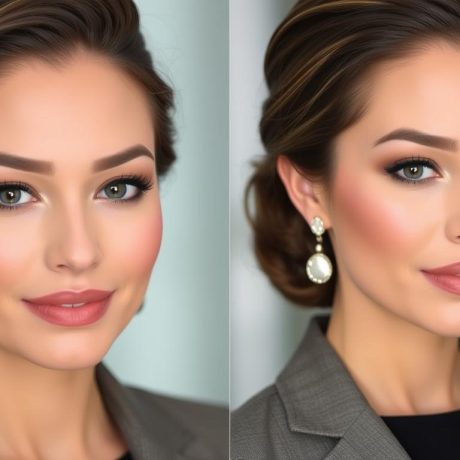
TEMPORAL LIFT BEFORE AND AFTER
The idea of a subtle brow change can spark big curiosity. What if a short, targeted procedure could refresh the upper face without full facial surgery?
Leading U.S. surgeons use tiny, hidden incisions and local anesthesia to raise the brow tail and smooth the temple. Dr. Yoel S. Shahar in New York and Dr. Behrooz A. Foulad in Los Angeles favor techniques that aim for a natural look with minimal downtime. Many patients return to work within days, feel socially ready in one to two weeks, and manage discomfort with over-the-counter pain relief.
Before and after galleries play a key role. Credible images shown under consistent angles and lighting help people judge realistic results. Clinics such as Ladner Facial Plastic Surgery present clear photo sets so viewers can compare outcomes objectively.
For those seeking targeted rejuvenation short of a full facelift, this brow lift option offers focused benefits, discreet scarring in the hairline, and refinements that preserve natural movement. An in-person evaluation helps match goals to the right procedure and technique.
Key Takeaways
- Small, hidden incisions often mean faster recovery and discrete scarring.
- Top surgeons use deeper-plane support to avoid an over-tightened look.
- Realistic photo galleries help set expectations for results.
- Most people manage discomfort with simple pain relievers and resume routines quickly.
- An in-person consult is essential to tailor the approach to each brow and temple.
Temporal lift before and after: real results that look natural
Small, strategic elevation at the outer brow gives a rested, natural look. The change often shows as a gently raised brow tail, smoother temple contours, and a more open eyelid-forehead relationship that refreshes the upper face without appearing overdone.
Deeper-plane support beneath the skin adds lasting structure. Surgeons report the endoscopic, deep plane approach raises tissues while keeping motion natural and avoiding a pulled appearance. In select cases, subtle gains at the lateral face can soften early jowls and mild neck laxity.
When reviewing a gallery, compare consistent angles, lighting, and neutral expressions. Look for balanced brow and temple change with preservation of hairline shape. Complementary procedures like upper eyelid blepharoplasty may further refine lid contours to match the refreshed brow.
| Visible Change | What to Expect | Timing |
|---|---|---|
| Lifted brow tail | Gentle elevation, natural shape | Immediate, refined over 1–2 weeks |
| Smoother temples | Reduced sagging near the hairline | Swelling subsides within days |
| Upper eyelid opening | Less hooding, brighter gaze | Noticeable quickly, settles with healing |
For more detailed case images and scar guidance, see the temporal brow lift photo sets and information on scarring.
Who is a good candidate for a temporal (lateral) brow lift?
Many people notice the outer brow sag first, seeking a focused fix that preserves their natural look. This procedure often suits those with early descent at the tail of the brow while the central forehead remains well positioned.
Ideal scenarios include patients in their late 30s through 50s who want targeted rejuvenation but are not ready for a full facelift. Surgeons note it can ease heaviness at the outer eyelid and refine temple contour without changing facial identity.
When to combine procedures
Combine with upper eyelid blepharoplasty when excess lid skin or fat limits vision or aesthetic balance. For significant lower-face laxity, a concurrent facelift or neck plan gives more complete results.
- Medical fitness and realistic expectations are essential for safe surgery.
- A consult will assess brow symmetry, forehead dynamics, hairline, and skin quality.
- Review multiple case examples that match age and anatomy to set realistic goals.
| Candidate Feature | Why it matters | Typical outcome |
|---|---|---|
| Outer brow descent | Targets the area of earliest change | Subtle elevation, refreshed gaze |
| Late 30s–50s patient | Often prefers minimal, natural change | Shorter recovery, modest contouring |
| Excess upper eyelid skin | May need blepharoplasty added | Improved lid show and symmetry |
For details on combined face options and scar placement, see face and neck options.
How a temporal lift is performed: technique, incisions, and anesthesia
Surgeons use subtle access points to reshape the outer brow and nearby temple with precise control. Small, hidden incisions sit in the hair-bearing temple so visible skin scarring is minimal.
Incisions in the hair-bearing temple
Access is through tiny cuts concealed by hair. The surgeon elevates supportive tissues of the temple, lateral forehead, and upper cheek while protecting the skin.
Endoscopic guidance and deep plane work
An endoscope gives a magnified view through narrow ports. Working in a deep plane stabilizes the brow tail without over-tightening superficial skin.
Anesthesia and efficient treatment times
Many patients have the procedure under local anesthesia in-office. Sedation or general anesthesia are options when indicated. Some surgeons complete treatment in about 45 minutes, allowing fast recovery.
“Tiny, concealed incisions plus deep-plane support create a natural, lasting brow position.”
Details on technique and photos are available at temporal brow lift.
Recovery, downtime, and cost considerations
Recovery after a targeted brow procedure often follows a clear, short course that patients can plan around.
Returning to routine
Many people feel socially ready within one to two weeks. Swelling and bruising often peak on days three to four, then improve noticeably.
Sutures are commonly removed at about one week. Some return to desk work within a few days when local anesthesia was used.
Pain, swelling, and bruising
Typical symptoms include mild temple soreness, eyelid puffiness, and bruising that can track downward. Most discomfort is controlled with over-the-counter Tylenol.
Incision care focuses on gentle cleansing and avoiding traction on the area until cleared by the surgeon.
Cost and consultation
Compared with a mini facelift, this option generally costs less while offering focused rejuvenation of the lateral brow and temple. To get an exact quote, request consultation for a personalized estimate tailored to the patient’s needs and case complexity.
Smart prep
Stop smoking ahead of surgery and avoid aspirin, Advil, Motrin, and Premarin as instructed to reduce bleeding risk and support healing. Discuss medication changes during the consultation.
- Light activity resumes quickly; strenuous exercise usually waits three to four weeks to protect the elevated plane.
- Consider combining with upper eyelid blepharoplasty during the consultation if eyelid excess exists.
- Review a gallery of similar cases to set realistic expectations for recovery stages and outcomes.
| Item | Typical timing | What patients can expect |
|---|---|---|
| Social readiness | 1–2 weeks | Swelling reduced; bruising fading |
| Suture removal | ~1 week | Staples or sutures out; small dressings removed |
| Return to exercise | 3–4 weeks | Avoid heavy strain to protect the plane |
| Cost position | Pre-op consult | Often less than a mini facelift; personalized estimate on request |
Next step: request consultation to confirm anesthesia choices, sequencing with face or neck work, and to review specific cases. For illustrative photos and staged healing examples see the temporal lift before and after gallery.
Conclusion
This focused approach offers targeted improvement of the outer brow and temple while keeping scars hidden in the hairline and support in the deep plane to preserve natural motion. It suits patients who want subtle change without a full facelift.
Most people see refined results as swelling fades over one to two weeks. The option works well with upper eyelid blepharoplasty when needed to complete the upper-face frame.
For tailored guidance on technique, recovery and cost, schedule a consultation to review cases that match anatomy. Explore face and neck options at face and neck options to learn more.
FAQ
What changes can patients expect after a temporal brow procedure?
Patients typically notice a higher brow tail, smoother temple contour, and a fresher upper eyelid–forehead balance. Results look most natural when deeper soft-tissue support is used to avoid a tight or overpulled appearance. Early elevation is visible immediately, with refinements occurring over the following one to two weeks.
Who makes a good candidate for a lateral brow elevation?
Good candidates include people with early descent of the brow tail, middle‑aged patients who prefer a targeted correction instead of a full facelift, and those seeking improvement without extensive surgery. Surgeons may recommend combining the procedure with upper eyelid blepharoplasty or a facelift/neck lift when broader rejuvenation is needed.
How is the procedure typically performed?
The operation uses small, concealed incisions in the hairline near the temple to minimize visible scarring. Many surgeons use endoscopic assistance and deeper plane techniques to secure durable, natural positioning. It can be done under local anesthesia with sedation or general anesthesia, depending on the patient and practice.
What should patients look for in before-and-after photos?
Look for consistent lighting, neutral facial expressions, and multiple angles. Pay attention to brow tail position, temple smoothness, eyelid exposure, and overall facial harmony. Authentic galleries show immediate post-op to several‑week follow-ups to illustrate early and refined outcomes.
Are there benefits to the lower face following this procedure?
Some patients observe subtle softening of jowls and improved neck laxity when tension is directed through deeper facial layers. These secondary benefits vary and are typically modest compared with a dedicated facelift or neck lift.
What is the usual recovery timeline?
Most patients return to social activities within one to two weeks. Swelling and bruising peak in the first few days and improve substantially by week two. Surgeons provide pain control and care instructions to speed comfort and healing.
How much discomfort should patients expect after surgery?
Discomfort is generally mild to moderate and managed with oral pain medications. Swelling and bruising are more common than severe pain. Cold compresses, head elevation, and prescribed meds help control symptoms.
How does cost compare to a mini facelift, and how can a patient get an estimate?
Price varies by technique, anesthesia, geographic market, and surgeon experience. Costs are often lower than a mini facelift but higher than isolated eyelid work. Patients should request a consultation for a personalized estimate that includes facility and anesthesia fees.
What preoperative steps improve healing and outcomes?
Stopping smoking several weeks before surgery and adjusting blood‑thinning medications as directed reduce complications and promote healing. A surgeon will provide tailored instructions on supplements, medications, and skin care before the procedure.
Where are these procedures commonly performed in the United States?
Experienced facial plastic surgeons and board-certified plastic surgeons offer this work in major metropolitan centers, including New York City, Chicago, Los Angeles, and Beverly Hills, as well as many regional practices across the country.
Can the procedure be combined with other facial operations?
Yes. It is commonly combined with upper eyelid blepharoplasty, forehead rejuvenation, and facelift or neck lift when broader facial balance is desired. Combining procedures can optimize results and streamline recovery for many patients.


 English
  Afrikaans
  Albanian
  Russian
  German
  Swedish
  Spanish
  Romanian
  Portuguese
  Japanese
  Azerbaijani
  Chinese
  Dutch
Dutch  French
  German (Formal)
  Greek
Greek