
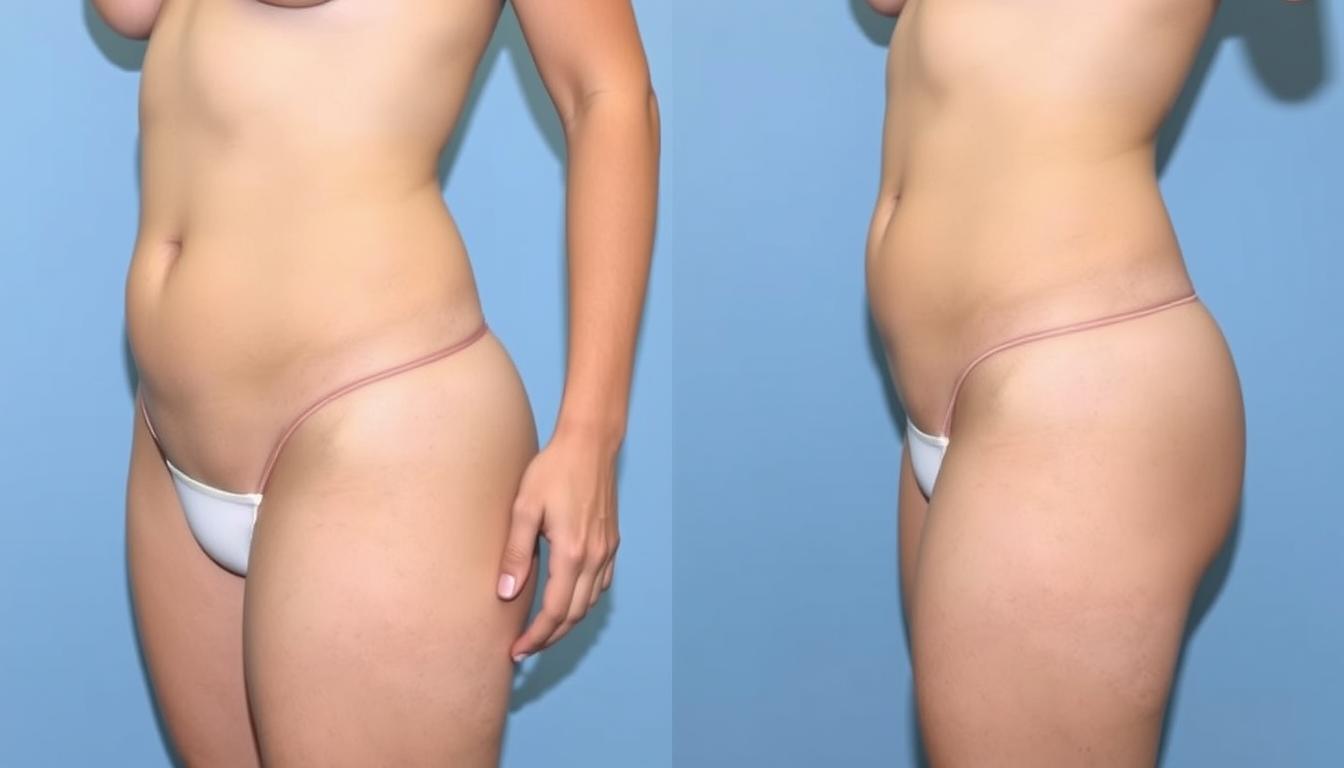
Considering a tummy tuck and thinking about having the procedure in Turkey? Many patients choose Turkey for high-quality care and competitive pricing, but it’s important to plan travel, aftercare, and your initial consultation carefully.
A tummy tuck (abdominoplasty) removes excess skin and fat and tightens the underlying abdominal muscles to create a firmer, flatter abdominal profile. It’s a surgical solution for changes that diet and exercise alone often cannot correct—especially after pregnancy, major weight loss, or years of skin laxity.
This guide explains key topics you’ll want to know before booking surgery: types of tummy tuck procedures, what to expect during recovery, candidate criteria, cost and finance options, and essential questions to ask your surgeon.
What Is a Tummy Tuck?
A tummy tuck, also called an abdominoplasty, is a surgical procedure that removes excess skin and fat from the abdomen and tightens the underlying abdominal muscles. The goal is a firmer, smoother abdominal profile that diet and exercise alone often cannot achieve after pregnancy, major weight loss, or age-related laxity.
This procedure is particularly beneficial for individuals who have:
- Excess or sagging abdominal skin after pregnancy
- Significant weight fluctuations or major weight loss
- Weakened or separated abdominal muscles (diastasis recti) — a gap between the rectus muscles that can cause a protruding stomach
- Stubborn fat deposits resistant to diet and exercise
- Age-related skin laxity around the midsection

How the procedure is performed: the surgeon typically makes an incision across the lower abdomen, removes excess skin and fat, and repairs and tightens the abdominal muscles. In many full tummy tucks the belly button is repositioned to maintain a natural appearance.
Typical operative time for a standard full abdominoplasty is about 2–3 hours, but combined procedures (for example, tummy tuck with liposuction) can extend the hours in surgery. Most tummy tuck surgeries are done under general anesthesia.
Wondering if a Tummy Tuck is Right for You?
Every body is unique. Book an initial consultation with a board-certified plastic surgeon to discuss which type of tummy tuck and what recovery timeline best suit your goals—especially important if you’re planning to have the procedure in Turkey, where you should confirm hospital accreditation and post-op follow-up plans before you travel.
Types of Tummy Tucks
There are several tummy tuck procedures tailored to different body types and goals. Your surgeon will recommend the best option based on the area of concern, amount of excess skin and fat, and whether muscle repair is needed.
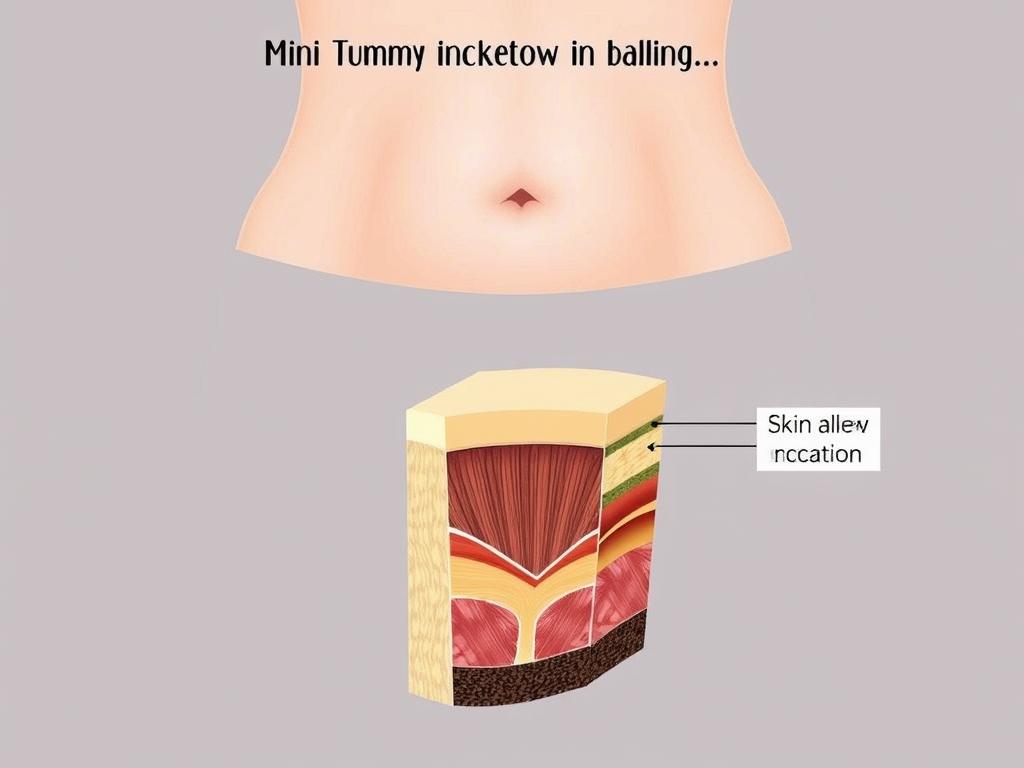
Mini Tummy Tuck
Best for patients with minimal excess skin and fat concentrated below the belly button. This less invasive tummy tuck uses a smaller incision and usually a quicker recovery.
- Shorter bikini-line incision; smaller scar
- Focuses on the lower abdomen only — minimal muscle tightening
- Belly button typically remains in place
- Typical recovery: around 2–3 weeks for light activities

Full Tummy Tuck
The standard full tummy tuck treats both the upper and lower abdomen, including muscle repair and removal of significant excess skin. Ideal for post-pregnancy contour changes and larger areas of laxity.
- Incision from hip to hip with more extensive skin removal
- Includes tightening of abdominal muscles and belly button repositioning
- Scarring is longer but placed low to be concealed by underwear or swimwear
- Typical operative time: 2–3 hours (longer if combined with other procedures)

Extended Tummy Tuck
For patients with wider areas of excess skin and fat, often after massive weight loss. The extended approach improves contour of the abdomen and flanks but involves a longer incision and recovery.
- Longer incision extending beyond the hips for flank correction
- Addresses abdomen, love handles, and lateral thigh contours
- More extensive muscle repair when required
- Best for patients who have lost significant weight and need maximum skin removal
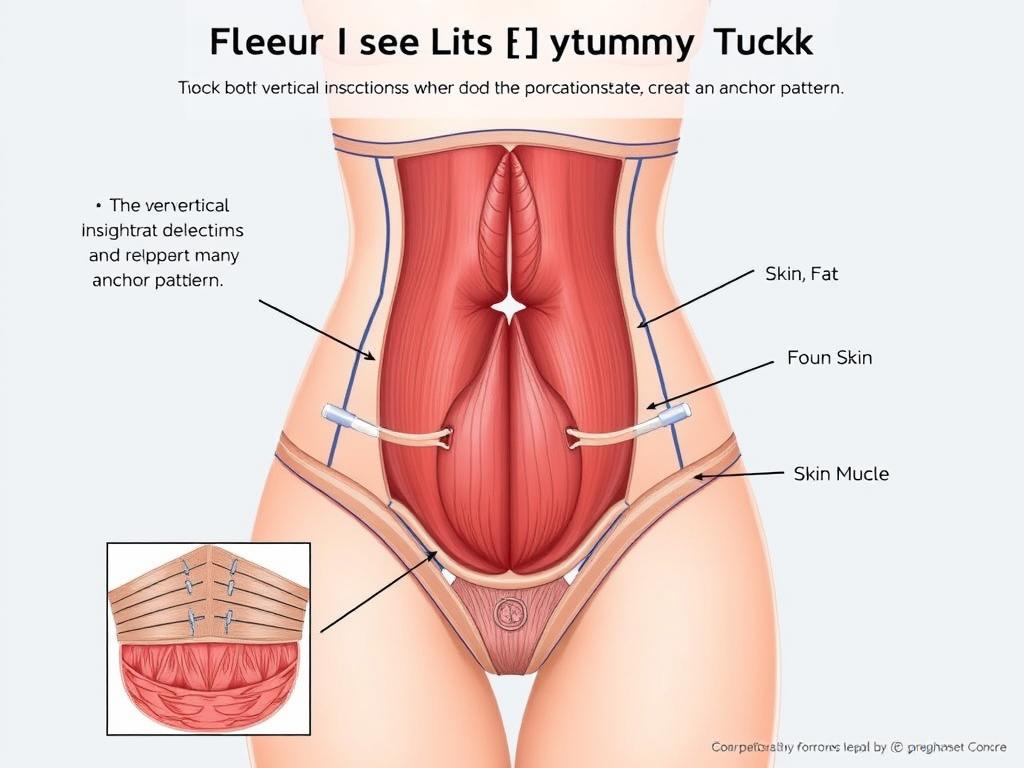
Fleur de Lis Tummy Tuck
This technique uses both vertical and horizontal incisions to remove large amounts of excess skin in multiple directions. It offers powerful contouring for massive weight loss patients but results in more visible scarring.
- Combination of vertical and horizontal incisions for maximal skin removal
- Ideal after massive weight loss when circumferential tightening is needed
- Greater scar burden — discuss scar management with your surgeon
- Longer recovery and often requires specialist aftercare

Reverse Tummy Tuck
This less common approach targets excess skin of the upper abdomen with an incision placed under the breast fold. It’s often combined with breast procedures for a balanced mid‑torso result.
- Incision under the breast fold — scar hidden in the inframammary crease
- Focuses on upper abdominal laxity rather than lower belly
- Can be safely combined with breast surgery in a “combination” procedure
- Ask your surgeon how this affects overall scar patterns and recovery

Tummy Tuck with Liposuction
Combining liposuction with a tummy tuck allows removal of stubborn fat while tightening skin and muscles, improving overall contour. It’s a popular option for comprehensive rejuvenation but may increase operative hours and cost.
- Standard tummy tuck plus targeted liposuction for enhanced contouring
- Addresses both skin and fat concerns in one surgical session
- May lengthen time in surgery and affect recovery planning
- Discuss fat removal zones and expected results with your surgeon
Not Sure Which Procedure Is Right for You?
Our experienced team can help match the right tummy tuck type to your needs. If you’re considering having surgery in Turkey, plan for extra post-op support and a longer local stay for more extensive procedures (extended or fleur de lis) to ensure proper aftercare.
Benefits and Risks of Tummy Tuck Surgery
Benefits
- Removal of excess, sagging skin to improve abdominal contour
- Tightening of weakened or separated abdominal muscles to restore core support
- Flatter, more toned stomach and improved body proportion
- Reduction in visible stretch marks within the treated area
- Improved posture and functional comfort for everyday activities
- Boosted self-confidence and satisfaction with your body image
- Long-lasting results when weight remains stable and healthy habits continue
Risks
- Permanent scarring, usually placed low so it can be concealed by underwear or swimwear
- Temporary pain, swelling, and bruising — most intense in the first few weeks following surgery
- Potential for infection or delayed wound healing, especially if risk factors are present
- Fluid accumulation (seroma) that may require drainage
- Temporary or sometimes persistent numbness or altered skin sensation
- Contour irregularities or asymmetry that occasionally require revision
- Risks associated with general anesthesia and the surgical process
- Possibility of additional procedures if goals are not fully met

Important: A tummy tuck is not a weight-loss surgery. Ideal candidates are at or near their target weight (many surgeons recommend a BMI under 30) and understand that significant weight changes or future pregnancy can affect results. Discuss realistic expectations and long-term maintenance to maximize years of benefit.
If you’re considering having a tummy tuck in Turkey, confirm the hospital accreditation, infection-control protocols, and post-op follow-up plan before you travel. Ask your surgeon how they manage complications and how aftercare will work once you return home.
Tip: Bring a list of your medical conditions and medications to your initial consultation so the surgeon can assess healing risks. If you have concerns about pain, drains, or swelling in the weeks following surgery, discuss the pain-management and aftercare plan in detail.
Want to discuss risks specific to your case? Book an initial consultation with a board-certified surgeon to review personalized risk factors and the recovery pathway for the tummy tuck type you’re considering.
Tummy Tuck Recovery Timeline
Recovery after a tummy tuck is gradual and varies by individual and procedure type. Understanding the typical timeline — and the warning signs to watch for — helps you plan recovery, travel, and follow-up care.

First Week
- Expect significant swelling, tightness, and discomfort; pain is usually managed with prescription medication.
- Drainage tubes may be in place for a few days; your surgeon will advise when they can be removed.
- Limited mobility — you will likely walk hunched over to protect the abdominal repair.
- Compression garment worn most of the day to reduce swelling and support the area.
- No lifting or strenuous activity; rest and short, frequent walks to reduce blood clot risk.
Red flags — contact your surgeon: fever over 100.4°F (38°C), heavy bleeding, increasing pain not relieved by meds, or foul-smelling drainage.

2–4 Weeks
- Swelling and bruising begin to decrease; discomfort improves considerably.
- Drain tubes (if used) are typically removed during this period.
- Gradually standing taller and returning to light activities and desk work (many patients return to sedentary jobs around 2–3 weeks).
- Compression garment usually still recommended, especially during the day.
- Avoid heavy lifting or vigorous exercise.
Red flags — contact your surgeon: sudden increase in swelling on one side (possible clot), worsening redness, or persistent fever.

1–3 Months
- Swelling continues to subside; contours become more defined.
- Energy and mobility improve; many patients resume more normal activities.
- Light exercise (walking, gentle core work as approved by surgeon) may be permitted.
- Scars will look red and raised initially but begin to mature.
- Results are increasingly visible, but final contour is not yet established.
Red flags — contact your surgeon: persistent numbness with other concerning symptoms, or wound separation.
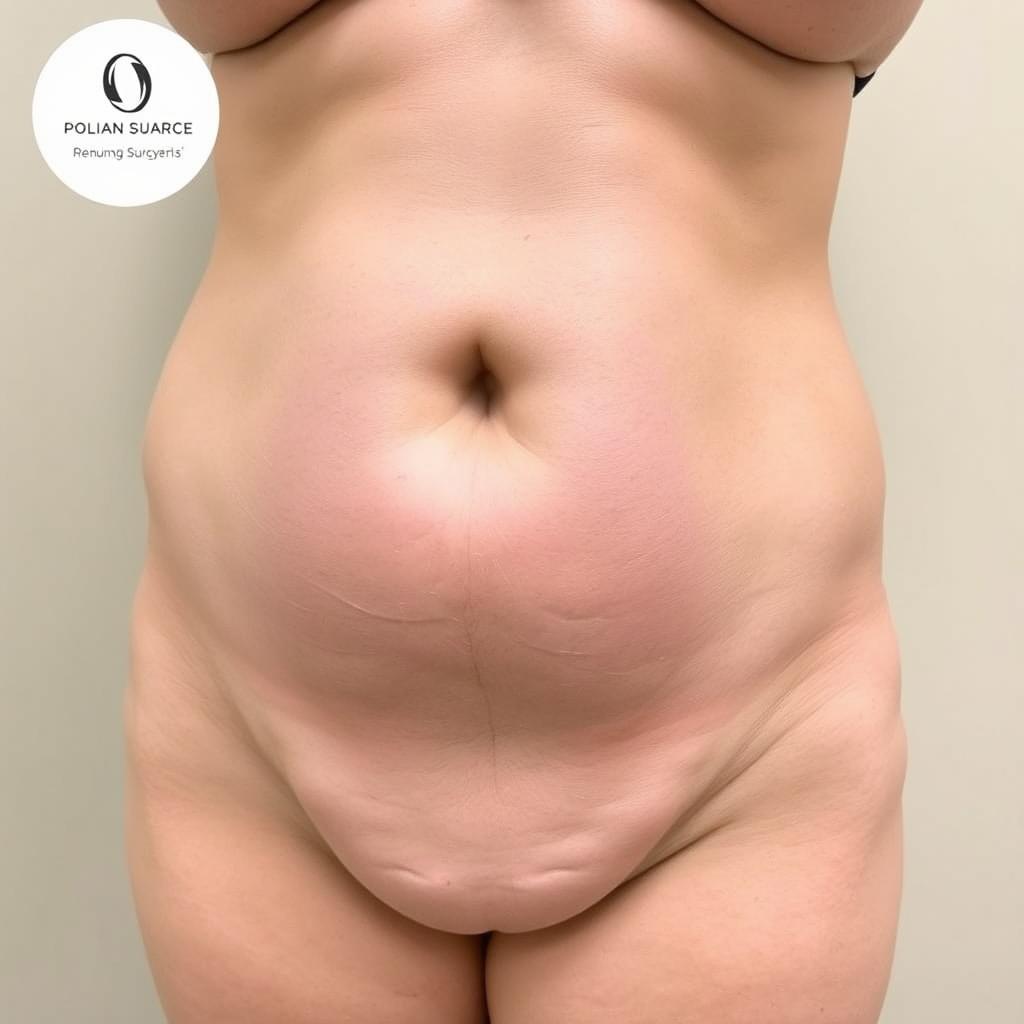
3–6 Months
- Most swelling resolves and final contour emerges.
- Moderate exercise and return to most normal activities typically allowed (follow your surgeon’s specific plan).
- Scars begin to flatten and fade but will continue to mature over time.
- Sensation may continue to return across the treated area.
Red flags — contact your surgeon: unexplained lumps, persistent asymmetry, or signs of chronic seroma.

6–12 Months
- Final results become apparent as scars mature and soften.
- Return to full activity, including more intense exercise, once cleared by your surgeon.
- Core strength and posture typically restored; ongoing exercises help maintain results.
- Annual follow-ups are often recommended to monitor long-term results.

1 Year and Beyond
- Results are established; scars continue to mature but may remain visible.
- Long-term maintenance depends on weight stability and healthy lifestyle choices.
- If you travel for surgery (for example, having a tummy tuck in Turkey), plan for at least 7–14 days local stay for initial follow-up; arrange remote aftercare and emergency contacts before you return home.
- Discuss annual or as-needed check-ins with your surgeon for any concerns.
Recovery Tips: Wear your compression garment as directed, stay hydrated, follow a nutritious diet, avoid smoking, take short walks to prevent blood clots, and attend all scheduled follow-up appointments. If you are an international patient, confirm the aftercare plan and how the care team will support you remotely.
Who Is a Good Candidate for a Tummy Tuck?
While many people benefit from a tummy tuck, the surgery isn’t right for everyone. Use this simple Do / Don’t checklist to see if you might be a candidate, and bring these points to your initial consultation.
- Do: Be at or near your target weight (many surgeons prefer a BMI under 30)
- Do: Have excess abdominal skin that won’t respond to diet and exercise
- Do: Have weakened or separated abdominal muscles (diastasis recti) that affect core strength or appearance
- Do: Be in good overall health or have stable, well-managed medical conditions
- Do: Be a non-smoker or be willing to stop smoking 4–6 weeks before and after the procedure to lower healing risks
- Do: Have realistic expectations about what a tummy tuck can achieve for your body
- Don’t: Plan future pregnancies — pregnancy can stretch skin and muscles and reduce the durability of results
- Don’t: Proceed if you have uncontrolled medical issues (significant obesity, uncontrolled diabetes, serious heart or immune conditions) without specialist clearance
- Do: Maintain a stable weight for at least 6–12 months before surgery to help ensure long-term results
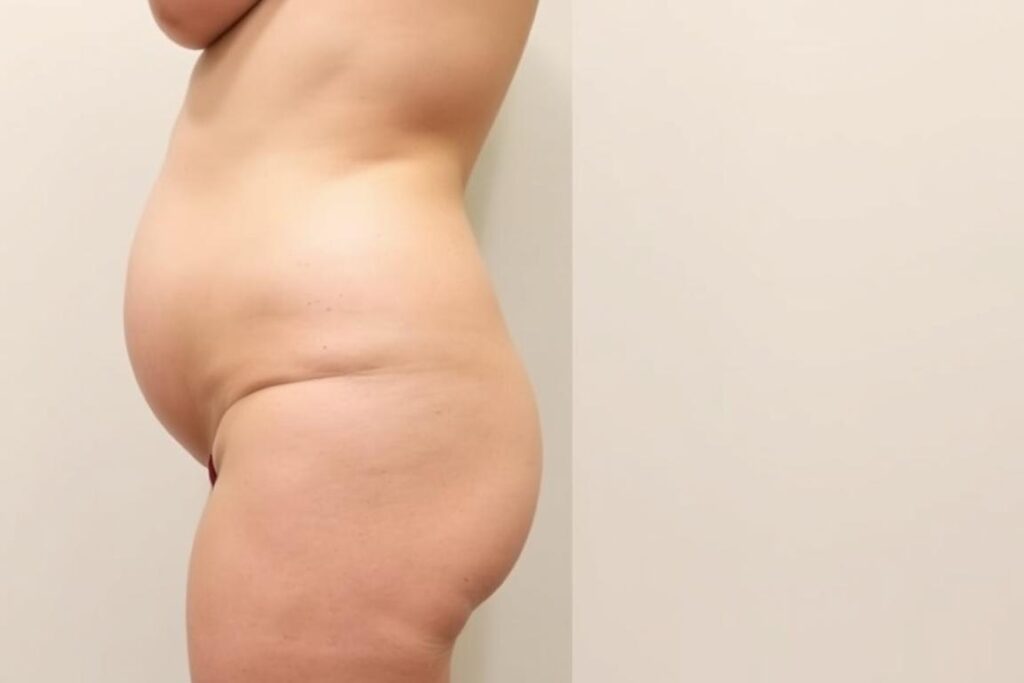
Important considerations: A tummy tuck is not recommended for individuals planning future pregnancies, those with significant obesity, smokers unwilling to quit, or those with medical conditions (like uncontrolled diabetes, heart disease, or immunosuppression) that could impair healing. Your surgeon may request medical clearance or recommend alternatives if risks are elevated.
Checklist for patients traveling for surgery (e.g., having a tummy tuck in Turkey): arrange pre-op tests, confirm fitness-to-fly timelines with your surgeon, plan to stay locally for at least 7–14 days for initial follow-up (longer for more extensive procedures), and make sure the surgical team provides clear remote aftercare instructions.
Find Out If You’re a Good Candidate
The best way to determine eligibility is a personalized evaluation. Book an initial consultation with a board-certified plastic surgeon — an honest surgeon may recommend a less invasive alternative, such as liposuction, if that better suits your goals.
Tummy Tuck Cost and Financing Options
The cost of a tummy tuck varies based on procedure type, surgeon experience, facility fees, and geographic location. Understanding typical cost components and available finance options helps you plan — especially if you’re considering having a tummy tuck in Turkey, where packages and inclusions can differ from UK/US pricing.
| Procedure Type | Average Cost Range | What’s Typically Included |
| Mini Tummy Tuck | £6,500 – £8,000 | Surgeon’s fee, anesthesia, facility fees, basic aftercare |
| Full Tummy Tuck | £7,500 – £9,500 | Surgeon’s fee, anesthesia, facility fees, overnight stay, aftercare |
| Extended Tummy Tuck | £8,500 – £11,000 | Surgeon’s fee, anesthesia, facility fees, overnight stay, extended aftercare |
| Tummy Tuck with Liposuction | £8,000 – £12,000 | Surgeon’s fee, anesthesia, facility fees, overnight stay, combined procedure costs |
What these quotes usually cover (and what they may not)
- Commonly included: surgeon fee, operating-room and anesthesia fees, basic post-op care and a short hospital stay.
- May be extra: pre-op medical tests, prescription medications, compression garments, extended follow-up appointments, and treatment of complications.
- If liposuction is combined with your tummy tuck, expect longer hours in surgery and a higher fee reflecting extra operating time and resources.
Costs for international patients — Turkey vs UK/US
Many patients travel to Turkey for lower base prices and high-quality care. Typical Turkey packages often bundle surgeon fee, hospital, a short overnight stay, and local transfers, but may also include extras like translator services or hotel stay. Ask for a full itemized quote that shows exactly what is included so you can compare true out-of-pocket cost versus UK/US options.
Before booking, confirm hospital accreditation, whether aftercare is included, and the expected local stay length (plan for at least 7–14 days for basic follow-up; more extensive procedures may require longer). Clarify who handles any unexpected complications and how remote aftercare will be managed once you return home.
Additional Costs to Consider
- Pre-operative medical tests and clearances
- Prescription medications and compression garments
- Time off work during recovery and possible childcare or household help
- Travel, accommodation, and translator services for international patients
- Follow-up appointments beyond included aftercare
Finance Options
Many clinics provide finance options to help make a tummy tuck achievable. Discuss finance during your initial consultation so you can plan your budget effectively.
- Monthly payment plans (some clinics offer 0% interest for 6–12 months)
- Medical credit cards or healthcare-specific financing
- Personal loans from banks or credit unions
- Flexible spending accounts (FSAs) where applicable

Explore Your Financing Options
If cost is a concern, our team can walk you through finance options and provide an itemized cost checklist so you know what to expect. Request a full quote and ask about finance plans during your consultation to compare real cost versus value.
How to Choose a Qualified Tummy Tuck Surgeon
Choosing the right surgeon is one of the most important decisions in your tummy tuck journey. An experienced, properly credentialed surgeon and a coordinated care team significantly improve the chances of a smooth surgery and satisfying results.
Essential Qualifications to Look For
- Board certification in plastic surgery (check the relevant national board for the surgeon’s country)
- Specific training and experience in abdominoplasty and the particular tummy tuck type you need
- Hospital privileges at an accredited facility and use of accredited operating rooms
- Membership in national or international plastic surgery associations
- Positive patient reviews and verifiable before-and-after portfolios
- Clear communication, willingness to answer questions, and transparent consent about risks
- A dedicated care team including anesthetists, nursing staff, and a post-op coordinator

Questions to Ask During Your Initial Consultation
How many tummy tucks do you perform annually?
Surgeons who regularly perform tummy tucks and the specific type you need tend to have more predictable outcomes and clearer expectations about recovery and results.
Am I a good candidate for this procedure?
A reputable surgeon will assess your health and goals and may recommend alternatives (like liposuction only) if a full tummy tuck isn’t the best option.
What type of tummy tuck do you recommend for me and why?
The surgeon should explain their recommendation, expected scars, operative hours, and how the chosen type addresses excess skin, fat, and muscle repair.
Where will my surgery be performed and is the hospital accredited?
Confirm the facility’s accreditation, infection-control standards, and whether the surgeon has hospital privileges — these are important safety indicators, especially for international patients.
What is your approach to pain management and aftercare?
Ask about anesthesia plans, typical pain control, drain protocols, compression garments, and the follow-up schedule — including remote aftercare if you’re returning home after surgery.
What complications have you encountered, and how were they handled?
An experienced surgeon should be honest about complications they’ve managed and explain contingency plans, revision rates, and who will manage care if you’re an international patient.
Red flags to watch for
- No hospital privileges or operating in non-accredited facilities
- Refusal to show before-and-after photos or patient references
- Unclear or overly aggressive pricing without itemized quotes
- Pressure to book quickly or unwillingness to discuss risks and alternatives
If you’re considering having a tummy tuck in Turkey, ask specifically for the hospital’s international accreditation, details on post-op care and transfer arrangements, and how the team will support remote follow-up once you return home.
Find Your Ideal Surgeon
Our network includes board-certified surgeons and accredited hospitals. Book an initial consultation to review credentials, ask these questions, and receive a tailored plan for the tummy tuck type and aftercare that suit your goals.
Frequently Asked Questions About Tummy Tuck Surgery
Is a tummy tuck right for me?
A tummy tuck may be appropriate if you have excess abdominal skin and fat that won’t respond to diet and exercise, weakened abdominal muscles, or persistent contour concerns after pregnancy or major weight loss. The best way to know is an in-person or virtual consultation with a board-certified plastic surgeon who will assess your health, goals, and whether abdominoplasty or a less invasive option is the right procedure for you.
How long do tummy tuck results last?
Results can be long-lasting when you maintain a stable weight and healthy habits. Significant weight fluctuations, future pregnancies, or natural aging can change the outcome over the years. Most patients enjoy improved abdominal contour for many years provided they avoid large weight gains and follow recommended exercise and nutrition guidelines.
Will a tummy tuck help me lose weight?
No. A tummy tuck is not a weight-loss surgery. While some fat and skin are removed, the amount of fat removed is typically small compared with dedicated fat-reduction procedures like liposuction. The primary goal is to remove excess skin and tighten the abdominal muscles for improved contour. Aim to be at or near your target weight before surgery.
How painful is tummy tuck recovery?
Discomfort is usually greatest in the first week and gradually improves. Most patients describe tightness and soreness rather than sharp pain. Surgeons prescribe pain medication for the initial period; by weeks 2–3 many patients reduce to over-the-counter pain relief as activity increases. Follow your surgeon’s pain-management plan and report unusually high pain levels or changes in sensation.
When can I return to work after a tummy tuck?
If you have a desk job, expect to return in about 2–3 weeks. Jobs requiring heavy lifting or physical labor usually need 4–6 weeks off (sometimes longer). These are general timelines — your surgeon will give personalized guidance based on the specific tummy tuck type and how your recovery progresses.
Will I have visible scars after a tummy tuck?
Yes. A tummy tuck produces a permanent scar, but surgeons place the main incision low on the abdomen so it can usually be hidden by underwear or swimwear. Scars are most noticeable in the first year and typically fade and flatten over time with proper care. Ask your surgeon about scar management strategies to help minimize appearance.
Should I have children before or after a tummy tuck?
It’s generally recommended to complete childbearing before a tummy tuck. Pregnancy after surgery can stretch skin and muscles and may reverse the benefits of abdominoplasty. If you plan to have children in the future, discuss timing and alternatives during your consultation.
Can a tummy tuck be combined with other procedures?
Yes. Tummy tucks are often combined with procedures such as liposuction or breast surgery as part of a “mommy makeover.” Combining procedures can be cost-effective and reduce total recovery time, but it may lengthen operative hours and affect aftercare planning. Your surgeon will advise whether combining procedures is safe and appropriate for you.
What special considerations apply if I travel to Turkey for a tummy tuck?
If you’re considering having a tummy tuck in Turkey, confirm the hospital’s accreditation, the surgeon’s credentials, and the full package inclusions (hospital, anesthesia, aftercare, transfers, and accommodation). Plan to stay locally for at least 7–14 days for initial follow-up — longer for more extensive procedures — and ensure the clinic provides clear remote aftercare instructions and emergency contacts for when you return home.
What should I expect in the initial consultation?
During the initial consultation the surgeon will review your medical history, evaluate your abdomen, discuss procedure options (mini, full, extended, fleur-de-lis, reverse, or tummy tuck with liposuction), outline expected recovery and costs, and answer your questions. Bring a list of medications, prior surgeries, and your goals. For international patients, ask about hospital accreditation, travel logistics, and the aftercare plan before you book.
Taking the Next Step Toward Your Tummy Tuck
A tummy tuck can be life-changing for people with excess abdominal skin and weakened muscles that don’t respond to diet and exercise. By removing excess skin, tightening the muscles, and improving contour, the procedure can restore comfort and confidence in your body.
The key to a successful tummy tuck is thorough research, realistic expectations, and choosing a qualified, experienced surgeon and care team. Take time to understand the specific procedure type, recovery timeline, likely results, and how those apply to your goals.

Considering having a tummy tuck in Turkey? Here’s a quick checklist: confirm the hospital’s accreditation and the surgeon’s credentials; get an itemized cost quote (including hospital, anesthesia, and aftercare); plan to stay locally for initial follow-up (typically 7–14 days for standard procedures); arrange remote aftercare and emergency contacts for when you return home; and ask about finance options if needed.
Ready to Transform Your Abdomen?
Start with an initial consultation — in-person or virtual — to discuss the best tummy tuck type for your body, review expected recovery and costs, and explore finance options for international patients.
You don’t have to decide today — ask questions, compare accredited options, and choose the plan that gives you safe care and the best long-term results.


