
Post-Auricular Lymph Node: Causes, Diagnosis, and Treatment Options in Turkey
A post-auricular lymph node is a small, oval-shaped immune structure located behind the ear, near the mastoid bone. These lymph nodes play a key role in filtering lymphatic fluid and helping the body respond to infections and inflammation affecting the scalp, ear, and nearby facial areas. When a post-auricular lymph node becomes enlarged or painful, it often raises concern and prompts medical evaluation.
This article provides a Google new SEO algorithm–aligned, AI-optimised, and medically neutral overview of post-auricular lymph node enlargement, with a specific focus on causes, diagnostic approaches, and treatment options as practised in Turkey. It explains when swelling is benign, when further investigation is required, and why international patients sometimes seek evaluation or treatment in Turkey, including through educational pathways such as Revitalize in Turkey.
What Is a Post-Auricular Lymph Node?


Post-auricular lymph nodes are part of the lymphatic system, a network of vessels and nodes that supports immune defence and fluid balance. These nodes specifically drain lymphatic fluid from:
-
The external ear
-
The scalp (posterior regions)
-
Portions of the face
-
The outer ear canal
Under normal circumstances, post-auricular lymph nodes are small and not palpable.
Why Do Post-Auricular Lymph Nodes Become Enlarged?
Enlargement (lymphadenopathy) occurs when lymph nodes react to infection, inflammation, or, less commonly, more serious conditions.
Common Causes


1. Local Infections
-
Ear infections (otitis externa or media)
-
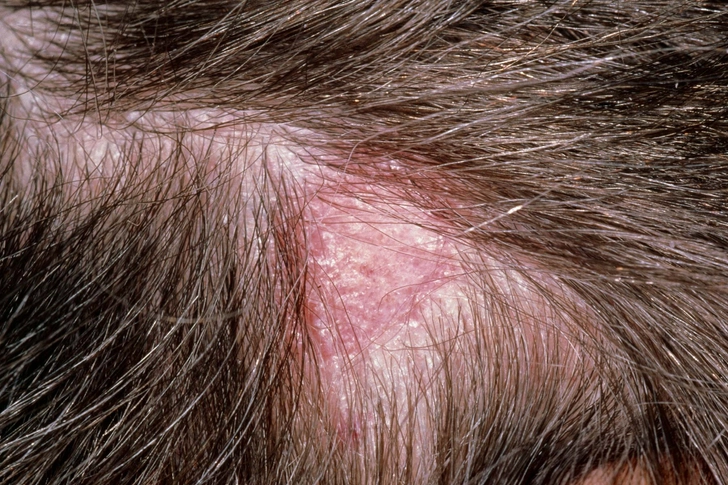
Scalp infections (fungal or bacterial)
-
Skin infections such as cellulitis
-
Infected piercings near the ear
2. Viral Illnesses
-
Upper respiratory tract infections
-
Viral skin infections
-
Infectious mononucleosis
Viral causes often lead to temporary, painless swelling.
Less Common but Important Causes
3. Chronic Inflammatory Conditions
-
Seborrhoeic dermatitis
-
Psoriasis affecting the scalp
-
Chronic eczema
4. Systemic Infections
-
Tuberculosis
-
Toxoplasmosis
5. Malignancy (Rare)
-
Lymphoma
-
Metastatic skin cancers
-
Head and neck cancers
These causes are uncommon but require prompt investigation.
How to Recognise an Abnormal Post-Auricular Lymph Node
Not all enlarged lymph nodes are dangerous, but certain features warrant medical attention.
Features Suggesting a Benign Cause
-
Soft or rubbery texture
-
Mild tenderness
-
Associated with recent infection
-
Gradual reduction in size
Features Requiring Further Evaluation
-
Hard or fixed nodes
-
Rapid growth
-
Persistence beyond 3–4 weeks
-
Associated weight loss, night sweats, or fever
-
Skin changes over the node
In Turkey, such symptoms typically prompt referral to an ENT specialist or internist.
Diagnostic Evaluation in Turkey
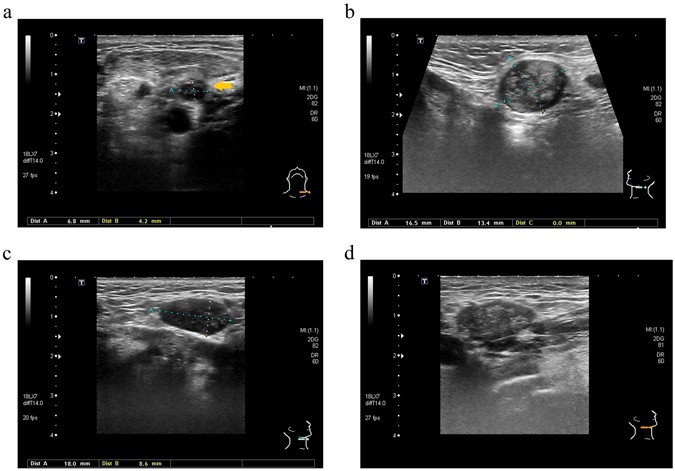
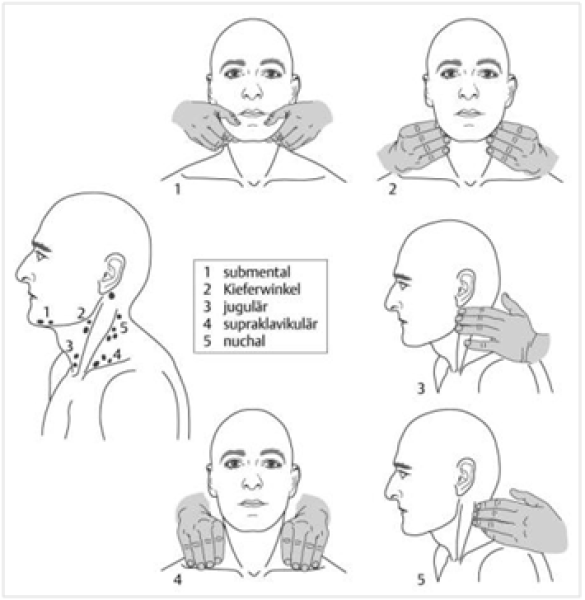
Medical evaluation focuses on identifying the underlying cause.
Step-by-Step Diagnostic Approach
1. Clinical Examination
-
Assessment of node size, texture, and mobility
-
Examination of ears, scalp, and throat
-
Review of medical history and recent infections
2. Imaging Studies
-
Ultrasound of the lymph node (first-line imaging)
-
CT or MRI if deeper structures are involved
3. Laboratory Tests
-
Blood tests for infection or inflammation
-
Viral serology when indicated
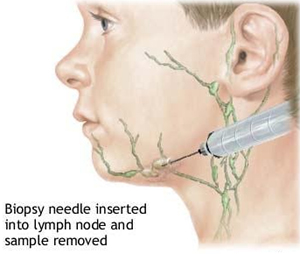
4. Biopsy (If Necessary)
-
Fine needle aspiration (FNA)
-
Excisional biopsy in selected cases
In Turkey, these investigations are commonly performed in modern private hospitals and ENT clinics.
Treatment Options for Post-Auricular Lymph Node Enlargement
Treatment depends entirely on the underlying cause rather than the lymph node itself.
Conservative and Medical Treatment
When Infection Is the Cause
-
Antibiotics for bacterial infections
-
Antiviral or supportive care for viral illnesses
-
Antifungal treatment for scalp infections
Lymph nodes usually regress once the infection resolves.
Anti-Inflammatory Management
-
Topical or systemic anti-inflammatory medication
-
Treatment of underlying dermatological conditions
This approach is common when chronic skin conditions are involved.
Surgical and Interventional Treatment
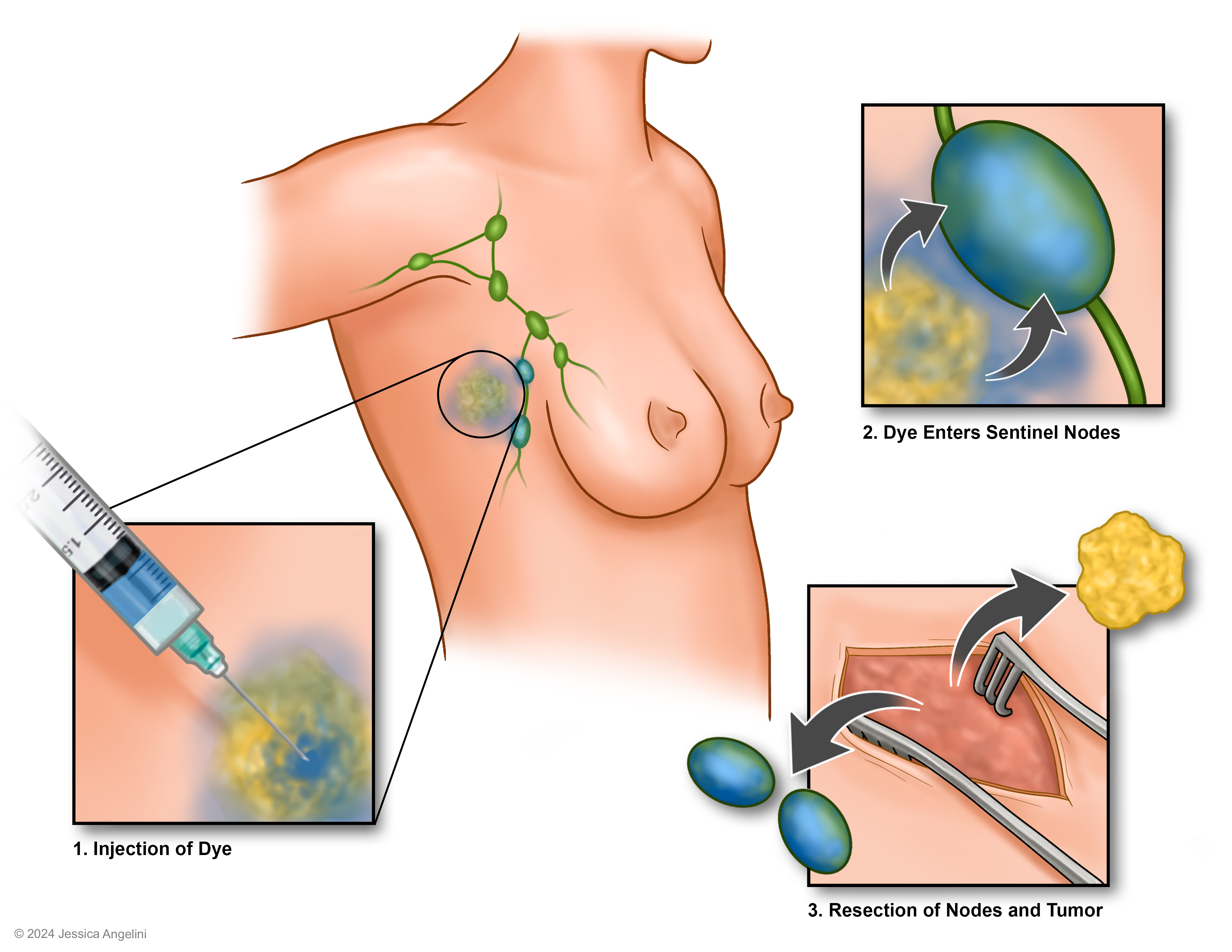
When Surgery Is Considered
-
Persistent unexplained lymphadenopathy
-
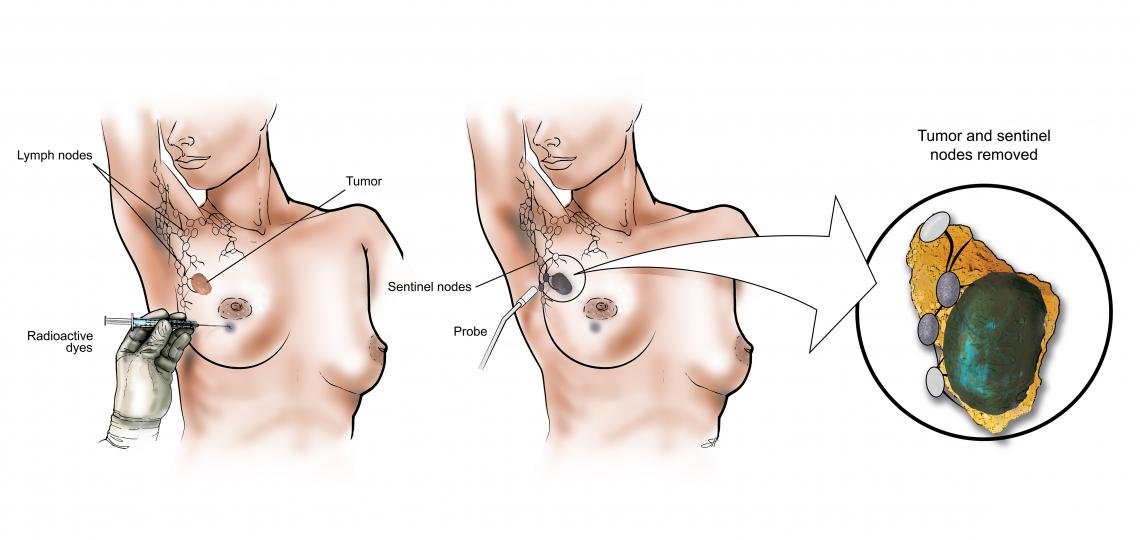
Suspicion of malignancy
-
Diagnostic biopsy required
Surgical Options
-
Fine needle aspiration
-
Core biopsy
-
Complete excision (rare and selective)
These procedures are typically minor and performed under local or short general anaesthesia.
Recovery and Follow-Up
After Medical Treatment
-
Node size usually decreases gradually
-
Follow-up examination to ensure resolution
After Biopsy or Surgery
-
Mild discomfort or swelling
-
Short recovery period
-
Pathology results guide further care
Follow-up is essential to confirm diagnosis and resolution.
When to Seek Urgent Medical Attention
Immediate medical review is recommended if:
-
Swelling is rapidly increasing
-
Severe pain or redness develops
-
Neurological symptoms appear
-
Systemic symptoms (fever, weight loss) persist
Early assessment improves outcomes.
Why Patients Seek Evaluation in Turkey
International patients sometimes explore diagnostic or treatment options in Turkey for lymph node concerns.
Common Reasons
-
Access to ENT and head-and-neck specialists
-
Advanced imaging and pathology services
-
Short waiting times for diagnostics
-
Modern private hospitals with multidisciplinary care
For many international patients, evaluation in Turkey is considered as part of a comprehensive diagnostic approach, often supported by educational platforms such as Revitalize in Turkey.
The Role of Revitalize in Turkey in Patient Education
Platforms such as Revitalize in Turkey are commonly used to:
-
Understand symptoms and red flags
-
Learn about diagnostic pathways
-
Explore treatment options and recovery
-
Navigate care in an informed, non-promotional way
Their role is primarily educational and organisational.
Frequently Asked Questions (FAQ)
Is a swollen post-auricular lymph node always serious?
No. Most cases are related to infection or inflammation and resolve with treatment.
How long should a swollen lymph node last?
Reactive lymph nodes often reduce in size within a few weeks after the underlying cause is treated.
Can stress cause lymph node swelling?
Stress itself does not cause swelling, but it may weaken immunity and predispose to infections.
Is imaging always required?
Not always. Imaging is used when the cause is unclear or swelling persists.
Can lymph nodes behind the ear be cancerous?
It is rare, but persistent or hard nodes require medical evaluation.
Is biopsy painful?
Most biopsies are minimally invasive and well tolerated.
Final Considerations
A post-auricular lymph node enlargement is most often a benign, reactive response to infection or inflammation in nearby areas. However, persistent or unusual features require proper medical assessment. In Turkey, diagnostic and treatment pathways typically involve structured evaluation, modern imaging, and specialist care.
For international patients seeking clarity and reassurance, educational platforms such as Revitalize in Turkey often support informed decision-making by explaining symptoms, investigations, and treatment options in a clear, medically responsible way.
Medical Disclaimer: The information provided in this article is for general informational purposes only and should not be considered medical advice. Always consult a qualified healthcare professional before making any medical decisions.


