
Vaser liposuction, often called vaser lipo or vaser liposculpture, is an ultrasound-assisted approach to body shaping. We use focused ultrasonic energy to emulsify fat cells while preserving connective tissue, blood vessels and nerves. This selective action helps achieve finer definition and smoother contours than some traditional methods.
As a form of vaser body contouring, the technique is promoted for precision, reduced bruising and quicker recovery. Patients seeking targeted vaser fat removal often choose the method for sculpting areas such as the abdomen, flanks and thighs. Clinics may describe advanced variations as vaser sculpt or vaser high-definition liposuction.
In this guide we will explain how vaser lipo works, who makes a good candidate, what to expect from the procedure and how to manage recovery. Our aim is to give clear, evidence-informed information for readers across the United Kingdom considering vaser body contouring, and to help you decide whether vaser liposuction suits your goals.
What is Vaser Liposuction?
We introduce the basics of vaser liposuction so readers can grasp the procedure’s purpose and limits. This technique targets localised fat deposits to refine shape rather than serve as a weight-loss solution. Our aim is to explain how it works, where it came from and why surgeons choose it for precise body shaping.
Understanding the Technology
Vaser ultrasonic liposuction uses focused ultrasonic energy delivered through a specialised probe to emulsify fat cells. The ultrasound energy preferentially affects adipose tissue because of its physical properties, leaving fibrous tissue, blood vessels and nerves largely intact.
The system comprises a generator, handpiece and probes of varying sizes for different anatomical areas, plus suction apparatus to remove the emulsified fat. Multiple manufacturers supply compatible devices and accessories that surgeons select based on the treatment plan.
We stress that vaser liposculpture relies on selective emulsification followed by gentle aspiration, which permits finer contouring in experienced hands and reduces mechanical trauma to surrounding tissues.
History and Development
Vaser technology grew from ultrasound-assisted liposuction concepts of the 1990s and was refined into commercially available systems during the 2000s and 2010s. Manufacturers iterated on safety features, probe design and software to improve efficiency and operator control.
Surgeons adopted the method gradually, favouring it for cases that demanded refined definition. High-definition vaser body contouring became popular among athletes and patients who sought enhanced muscle delineation rather than broad volume reduction.
How It Differs from Traditional Liposuction
Traditional suction-assisted lipectomy (SAL) uses mechanical disruption to remove fat and can affect connective tissues and small vessels. Vaser liposuction, by contrast, uses ultrasonic energy to emulsify fat selectively, which tends to spare connective tissue and reduce bleeding.
Clinical outcomes often include less intraoperative blood loss and reduced postoperative bruising, with some patients reporting quicker return to activities. The technique supports detailed sculpting, such as vaser liposculpture and other vaser body contouring approaches, when performed by a skilled surgeon.
Limitations remain. Not every patient or anatomical area suits vaser ultrasonic liposuction. Results depend on fat quality, skin elasticity and realistic goals. We recommend consulting a qualified surgeon to determine whether vaser liposculpture is appropriate for individual needs.
For a clear comparison between methods, see our overview of vaser versus traditional approaches at vaser vs traditional liposuction.
Who Can Benefit from Vaser Liposuction?
We routinely assess patients seeking improved silhouette and targeted fat reduction. Vaser lipo offers precise moulding for those near their ideal weight who struggle with localised fat deposits. A careful appraisal of skin quality and overall health helps us advise whether vaser fat removal or alternative treatments will best meet expectations.
Ideal Candidates for the Procedure
We consider adults with stable weight, good skin elasticity and realistic goals as prime candidates. Those with pockets of stubborn subcutaneous fat respond well to vaser sculpt techniques that refine contours while preserving surrounding tissue.
We do not recommend treatment for people with uncontrolled medical conditions such as poorly managed diabetes or bleeding disorders. Patients with pronounced skin laxity may need additional procedures to achieve optimal results. Pregnant or breastfeeding individuals should delay treatment until medically cleared.
Common Areas Treated
We treat areas including the abdomen, flanks, thighs, hips, buttocks and back. Male patients frequently seek correction of chest fullness associated with gynaecomastia using focused vaser body contouring methods.
Smaller zones such as the neck and submental region require fine probes and meticulous technique. Larger regions may be addressed in staged sessions to limit operative time and fluid shifts while maintaining safety.
Consultations and Assessments
We begin with a detailed medical history and physical examination. Assessment of skin elasticity and fat character guides whether vaser lipo is appropriate or if adjunctive measures are needed.
Preoperative planning includes photographic records, marking treatment zones and discussing anaesthesia. Routine investigations such as blood tests or ECG may be requested, and we explain postoperative needs like compression garments and follow-up appointments.
The Vaser Liposuction Procedure Explained
We will outline what to expect on the day of treatment and the steps involved in modern body contouring. Our aim is to make the process clear, whether you are considering vaser liposuction for a single area or a broader transformation with vaser liposculpture.
Pre-Procedure Preparation
We advise stopping anticoagulant medications and certain supplements as directed to lower bleeding risk. Smoking should cease several weeks before surgery to improve healing and reduce complications. Staying well hydrated and optimising chronic conditions supports a smoother recovery.
On the day of the procedure we complete consent checks, mark the treatment zones and take baseline photographs. An anaesthetic assessment confirms the chosen approach and we ensure transport and postoperative care arrangements are in place.
Step-by-Step Process
First, tumescent fluid is infiltrated into the target areas. This dilute local anaesthetic with a vasoconstrictor reduces bleeding and provides local pain control.
Next, a Vaser probe delivers ultrasound energy to emulsify fat. The device used for vaser ultrasonic liposuction loosens fat cells while sparing surrounding tissue, allowing precise sculpting.
We remove the emulsified fat using low-pressure suction and fine cannulae. This technique supports refined contouring and can yield smooth results in skilled hands.
At the end of treatment the surgeon performs smoothing manoeuvres. Small drains may be placed when needed and tiny incisions are closed or left to drain. A compression garment is fitted to control swelling and support the new contours.
Anesthesia Options
Many cases can be performed under local anaesthesia with intravenous sedation. This option suits smaller or moderate-volume procedures and allows quicker recovery for some patients.
Larger-volume or multi-area sessions often require general anaesthesia for safety and comfort. We decide the anaesthetic plan with the patient and anaesthetist, taking into account procedure length and individual needs.
Our teams use vaser lipo and vaser liposculpture techniques to combine safety with predictable contouring. When we explain the procedure, we focus on realistic expectations and personalised care plans for each patient.
Expected Results from Vaser Liposuction
We outline the typical course of change patients notice after vaser sculpt procedures and which factors shape the final appearance. Early shifts in contour can be encouraging, yet a clear view of outcomes requires patience and good aftercare.
Immediate Results Post-Procedure
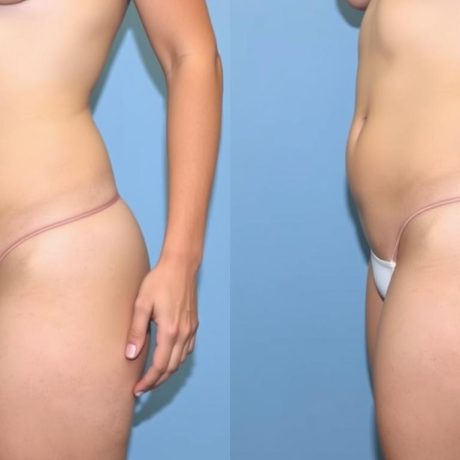
In the days following treatment many people see reduced bulk and improved outlines in treated areas. Swelling, bruising and temporary fluid can hide the full effect for several weeks.
Wearing compression garments and attending lymphatic drainage sessions helps manage swelling and refines shape sooner. We often recommend viewing progress photos to track subtle changes.
Long-Term Outcomes
Fat cells removed by vaser fat removal do not return, so results remain durable when weight is stable. Maintaining a healthy lifestyle supports long-term satisfaction.
When performed with precise technique, vaser high-definition liposuction can create sharper muscle definition and a more sculpted torso. For further detail on the technique we refer readers to this overview of the method: vaser body contouring.
Factors Influencing Results
Individual factors such as age, skin elasticity and genetics affect how contours settle. Our assessments consider these elements when setting expectations.
Procedural choices have weight too. The extent of tissue removed, the surgeon’s skill and the quality of post-op care influence the final look. Weight gain afterward can blur contours, so ongoing attention to diet and exercise helps preserve the outcome of vaser sculpt treatments.
Recovery and Aftercare for Vaser Liposuction
We support patients through a clear recovery plan after vaser lipo to help protect results and promote healing. Early movement aids circulation and reduces the risk of complications. We encourage realistic expectations about downtime and the gradual return of normal activities.
Typical Recovery Timeline
Most people can mobilise the same day and resume light activities within a few days. Bruising and swelling usually peak in the first week and then diminish over several weeks.
Return to desk work commonly occurs within a few days to two weeks, depending on how extensive the treatment was. Strenuous exercise is normally deferred for four to six weeks or until our surgical team clears you.
Post-Procedure Care Instructions
We recommend wearing compression garments for several weeks to control swelling, support the tissues and improve contour. Small incision sites should be kept clean and dry until fully healed, with scheduled follow-up visits to monitor progress.
Manual lymphatic drainage massage may be advised to speed resolution of oedema and enhance outcomes. We provide specific guidance on garment wear, wound care and when to resume daily routines.
Managing Discomfort and Swelling
Pain after vaser sculpt and vaser shape procedures is typically mild to moderate and controlled with prescribed oral analgesics and anti-inflammatories. Cold packs in the early postoperative period can reduce swelling and ease discomfort.
We urge vigilance for signs of infection, excessive bleeding, persistent numbness or unexpected asymmetry. Prompt contact with the surgical team is essential if any of these issues arise during vaser liposuction recovery.
Risks and Considerations of Vaser Liposuction
We present the key safety points patients should weigh before choosing vaser fat removal. The procedure offers precise body sculpting, yet it carries a range of possible outcomes that deserve careful attention.
Potential Complications
Common effects include bruising, swelling and temporary numbness at treated sites. Small fluid collections called seromas can form and may need drainage.
Infection and contour irregularities are possible. Asymmetric results sometimes require revision surgery. Rare but serious events include deep vein thrombosis, pulmonary embolism and significant blood loss.
Ultrasound energy introduces specific concerns. Thermal injury from ultrasonic devices is uncommon. Incorrect settings or technique raise the risk of skin burns or soft tissue damage.
Addressing Patient Concerns
We urge thorough informed consent. A clear discussion of risks, benefits and alternatives allows patients to make balanced choices.
Patients should ask about complication rates, request sample outcomes and review the surgeon’s experience. Honest dialogue about recovery time and the chance of needing further work reduces dissatisfaction.
Importance of Choosing a Qualified Surgeon
Selecting an accredited surgeon with specific Vaser training lowers the chance of vaser body contouring complications. We recommend reviewing a demonstrable portfolio of before-and-after photographs.
Surgeons should be registered with UK bodies such as the General Medical Council and work in accredited facilities. Multidisciplinary support from anaesthetists and specialist nurses improves vaser liposculpture safety.
Careful planning, realistic expectations and follow-up care together help to manage vaser liposuction risks and support better long-term outcomes.
Comparing Vaser Liposuction to Other Techniques
We set out to compare common approaches to body shaping so readers can weigh options. Below we outline technical differences, typical recovery and how patient goals guide the choice between surgical and non-surgical routes.
Vaser vs. Traditional Liposuction
Vaser lipo uses ultrasound to emulsify fat before suctioning. Traditional methods such as tumescent suction-assisted lipectomy or power-assisted liposuction rely on mechanical disruption and removal. The mechanistic contrast often leads to less tissue trauma with vaser body contouring in selected cases.
We note bruising and swelling tend to be milder after vaser sculpt when performed by an experienced surgeon. Outcomes still depend on surgical skill and individual anatomy. For some patients, traditional liposuction achieves equivalent reduction, especially for larger-volume removal.
Vaser vs. Non-Surgical Options
Non-invasive alternatives—cryolipolysis, radiofrequency, laser lipolysis and injectable deoxycholic acid—reduce fat without incisions. Results are gradual and usually less dramatic than surgical methods. Those seeking defined contours often find vaser lipo more precise.
We mention downtime as a key trade-off. Non-surgical paths offer minimal recovery but limited sculpting precision. Patients balancing budget, tolerance for recovery and speed of results may prefer one over the other.
Patient Preferences and Choice
Decision-making combines expected correction, invasiveness and risk tolerance. We encourage shared discussions during consultation so goals, medical history and lifestyle shape the plan.
Patients focused on high-definition outcomes often ask about vaser body contouring or vaser sculpt. Those seeking modest change with no surgery may choose non-invasive treatments. We recommend personalised assessment to match expectations with realistic results.
The Cost of Vaser Liposuction
We know cost is a key consideration when weighing body contouring. Below we outline typical elements that make up treatment fees, explain what can push prices up or down, and describe common financing paths so you can plan with confidence.
Breaking Down the Costs
The overall vaser liposuction cost usually combines several items. Surgeon’s fees, anaesthetic charges and facility or hospital fees form the core. Preoperative tests, postoperative garments, follow‑up visits and prescribed medicines add to the total. Treating multiple areas or staging procedures raises the final figure.
We do not publish standard prices here. Each treatment plan is personalised, so prospective patients should contact us directly for a tailored quote that reflects their goals and clinical needs.
Factors Affecting Price
Several determinants influence vaser lipo price. The number and size of areas treated matters. Complexity of contouring, such as high‑definition sculpting, typically costs more. Type of anaesthesia, surgeon experience and the facility chosen are also important.
Regional differences across the UK affect vaser fat removal cost. Clinic overheads, local demand and market rates vary between cities and counties, so estimates can differ substantially by location.
Financing Options Available
We find many patients favour flexible payment plans. Providers often offer instalment schedules, third‑party medical finance and staged payments to spread the cost. Terms and interest rates differ between lenders, so we encourage discussing vaser body contouring financing at the consultation.
Before committing, review agreement details and any applicable fees. Clear communication helps ensure your chosen option matches your budget and treatment timeline.
Finding the Right Surgeon for Vaser Liposuction
Choosing a surgeon for Vaser liposuction is one of the most important steps we take when planning body contouring. We should prioritise proven qualifications, facility standards and clear communication to reduce risk and improve outcomes.
What to look for in a surgeon
We recommend a surgeon who is registered with the General Medical Council (GMC) and has documented experience in ultrasound-assisted liposuction. Look for published case studies, clinical experience and training that demonstrate vaser liposculpture expertise. Confirm the surgeon works in accredited operating facilities with appropriate anaesthetic support and trained nursing staff.
Questions to ask during consultations
We advise asking direct questions about the surgeon’s caseload with Vaser, reported complication rates and whether our anatomy makes us suitable candidates. Request before-and-after photos of patients with similar goals and ask how aftercare and any complications are managed. Clarify the total fees, what the quote includes and the follow-up schedule. Ask about revision policies so we understand contingency plans.
Checking credentials and reviews
We should verify GMC registration and any specialist affiliations, for example membership of surgical societies, plus hospital privileges. Seek peer or hospital references where possible. Read online reviews and testimonials with a critical eye, focusing on consistent feedback about skill and service. If we need to find vaser surgeon options nearby, use these verification steps to narrow the list.
When comparing surgeons, pay attention to demonstrated outcomes and communication style. A vaser liposuction surgeon who explains risks clearly and shows tangible examples of their work helps us set realistic expectations. For patients in Britain, confirming a vaser sculpt surgeon UK has local privileges and accredited facilities provides extra reassurance.
Maintaining Your Results After Vaser Liposuction
After vaser body contouring, our focus turns to preserving the improvements we achieved in clinic. Small daily choices shape long-term outcomes. We must follow immediate aftercare closely and build habits that support steady results.
Tips for Long-Term Success
We begin with strict adherence to postoperative instructions. Wearing prescribed compression garments and attending follow-up appointments reduces complications and helps us maintain vaser results. Gentle mobilisation early on lowers thrombosis risk and speeds recovery.
Consistency matters. Regular check-ins with the surgeon let us address any concerns and plan vaser liposuction maintenance if needed. We stay vigilant for changes and act early to protect contour and skin quality.
Importance of Diet and Exercise
Vaser fat removal longevity depends heavily on lifestyle. Liposuction removes fat cells in targeted areas, but remaining cells can expand with weight gain. A balanced diet combined with resistance and cardiovascular exercise helps preserve the new shape and enhances muscle definition.
We recommend seeking professional guidance once we are cleared to exercise. Working with a registered nutritionist or a certified personal trainer creates a structured plan that supports vaser body contouring aftercare and long-term weight management.
Setting Realistic Expectations
Outcomes vary with anatomy, skin quality and adherence to care. We set achievable goals during consultations and understand that secondary touch-ups may be necessary for refinement. This helps us keep expectations grounded.
Mental wellbeing plays a role in satisfaction. If concerns about body image arise, we suggest discussing them with a clinician or mental health professional. Thoughtful preparation and support improve our chances of lasting contentment with the results.
Frequently Asked Questions about Vaser Liposuction
We answer the common vaser liposuction FAQ so you can make an informed choice. Below we address comfort during treatment, how to prepare financially and long-term care. These concise responses reflect typical patient experiences and practical steps you can take before and after vaser body contouring procedures.
Pain Levels and Comfort
Most patients report minimal pain during the procedure because local anaesthesia with sedation or a general anaesthetic is used. Postoperative discomfort tends to be moderate and controlled with prescribed analgesics. Temporary numbness or altered sensation in treated areas is common and usually improves over weeks to months, and we monitor these changes at follow-up visits.
How to Prepare Financially
Obtain a written, itemised quote that covers surgeon, anaesthetist and facility fees and asks which follow-ups and garments are included. Explore payment plans or third‑party financing if needed, and check whether any part of the treatment could be considered reconstructive for private medical insurance purposes. For many, planning ahead avoids unexpected costs and reduces stress on the day of surgery.
Long-Term Care and Maintenance Options
Long-term vaser liposculpture care relies on a healthy lifestyle, regular skin care and periodic reviews with your surgeon. Non-surgical options such as radiofrequency skin tightening can help with residual laxity, and we discuss revision possibilities if persistent contour irregularities or dissatisfaction arise. Scheduling routine check-ups helps preserve results and addresses vaser lipo questions as they occur.
FAQ
What is Vaser liposuction and how does it work?
Vaser liposuction (also called Vaser lipo or vaser liposculpture) is an ultrasound-assisted body contouring technique. We use a specialised probe that emits ultrasonic energy to emulsify targeted adipose tissue. The liquefied fat is then removed by gentle suction. The ultrasound selectively affects fat while preserving connective tissue, blood vessels and nerves, which allows finer sculpting and smoother contours compared with some traditional methods.
What are the main benefits of Vaser liposuction?
Vaser ultrasonic liposuction offers precision body contouring, reduced bruising and swelling, and often a quicker recovery because of its tissue-selective action. It is well suited to refined sculpting such as vaser high-definition liposuction or vaser sculpting to enhance muscle definition. We also find it useful for treating small or delicate areas where smooth results are important.
Who is an ideal candidate for Vaser liposuction?
The best candidates are adults who are close to their ideal weight with localised pockets of subcutaneous fat resistant to diet and exercise, good skin elasticity and realistic expectations. Patients should be in good overall health. Those with significant medical comorbidities, poor skin quality or unstable weight may be unsuitable. Pregnant or breastfeeding patients should postpone treatment.
Which areas of the body can Vaser treat?
Vaser body contouring can address the abdomen, flanks, thighs (inner and outer), hips, buttocks, back, chest (including fatty gynaecomastia), upper arms, neck and submental area. It is also commonly used for high-definition sculpting of the abdomen and torso. Smaller areas require smaller probes and meticulous technique; larger areas may be staged for safety.
How does Vaser differ from traditional liposuction?
Traditional suction-assisted lipectomy mechanically disrupts fat and surrounding tissues. Vaser uses ultrasonic energy to emulsify fat first, which tends to reduce trauma to connective tissue and vasculature. Clinically, Vaser is often associated with less intraoperative blood loss, decreased bruising and the potential for finer sculpting. Results still depend on fat quality, skin elasticity and the surgeon’s skill.
What happens during a Vaser liposuction procedure?
After preoperative checks and marking, we typically infiltrate tumescent fluid to reduce bleeding and provide local analgesia. A Vaser probe is introduced through small incisions; ultrasound energy emulsifies fat, which is then removed with low‑pressure suction using thin cannulae. The surgeon will refine the contours, manage any bleeding, and apply compression garments. Small incisions may be left open for drainage or closed, depending on the case.
What anaesthesia options are available?
Procedures can be performed under local anaesthesia with intravenous sedation for smaller or moderate-volume treatments. Larger-volume or multiple-area procedures are often done under general anaesthesia. The choice depends on safety, procedure duration and patient comfort and is agreed during the consultation with the anaesthetic team.
What should patients do to prepare before surgery?
We advise stopping certain medications and supplements that increase bleeding risk, quitting smoking several weeks beforehand, staying well hydrated and optimising any medical conditions. Patients should arrange transport and postoperative support. On the day, consent is reviewed, treatment areas are photographed and marked, and an anaesthetic assessment is completed.
How long is the recovery and when will results be visible?
Most patients mobilise the same day and can return to light activities within a few days. Bruising and swelling peak in the first week and settle over several weeks. Some contour improvement is visible within days to weeks, but final results emerge over months as swelling resolves. Strenuous exercise is usually deferred for four to six weeks or until cleared by the surgical team.
What aftercare is required following Vaser liposuction?
We recommend wearing compression garments for several weeks to control swelling and support tissues. Incision sites must be kept clean and dry until healed. Manual lymphatic drainage may be advised to speed oedema resolution. Analgesics and anti‑inflammatories are prescribed as needed. Attend scheduled follow-up appointments and contact the surgical team promptly if you notice signs of infection, excessive bleeding or unusual symptoms.
What are the risks and potential complications?
Common risks include bruising, swelling, temporary numbness, seroma, infection, contour irregularities and asymmetry. Rare but serious complications include deep vein thrombosis, pulmonary embolism and significant blood loss. Ultrasound-specific risks such as thermal injury are uncommon but possible with incorrect settings. A thorough informed-consent discussion should cover these risks and the surgeon’s complication rates.
How long do results last and what affects durability?
Fat cells removed do not regenerate, so results can be long‑lasting if weight remains stable. Durability depends on skin elasticity, patient age, genetics, lifestyle and adherence to postoperative advice. Weight gain after the procedure can alter or mask contours, so maintaining a balanced diet and regular exercise is important for long-term success.
How does Vaser compare with non‑surgical fat reduction?
Non-surgical options such as cryolipolysis, radiofrequency or injectable treatments offer modest, gradual fat reduction with minimal downtime but limited precision. Vaser provides more immediate and precise contouring, especially for high-definition sculpting. The choice depends on the degree of correction desired, tolerance for downtime and individual goals.
How much does Vaser liposuction cost?
Costs vary according to the number and size of areas treated, complexity of sculpting, anaesthesia type, surgeon experience and facility fees. We do not list prices here; prospective patients should contact us for a personalised quote. Many providers offer payment plans or third‑party financing—discuss terms and any interest rates during consultation.
How do we choose the right surgeon for Vaser liposuction?
Choose a surgeon who is registered with the General Medical Council, has specific Vaser training and a demonstrable portfolio of before-and-after cases. Ensure they operate in accredited facilities with appropriate anaesthetic support. Ask about complication rates, request photos of similar patients, and verify credentials, hospital privileges and patient reviews.
Can Vaser liposuction be combined with other procedures?
Yes. Vaser is often combined with other procedures—such as skin tightening treatments or small contour refinements—to achieve the desired outcome. Combining procedures may increase operative time and affect recovery, so we plan these combinations carefully during consultation to ensure safety and optimal results.
When should a patient consider a revision or secondary procedure?
If persistent contour irregularities, asymmetry or unmet goals remain after recovery, revision may be considered. We usually wait until swelling has fully resolved and tissues have stabilised—often several months—before assessing the need for further treatment. The surgeon will advise on timing and feasibility during follow‑up.
What lifestyle steps help maintain results after Vaser liposuction?
Long-term success relies on stable weight, balanced nutrition and regular exercise, including resistance training to accentuate muscle definition for vaser high‑definition outcomes. Follow postoperative instructions, wear compression as advised, attend follow-up reviews and consider professional nutritional or fitness support if needed to sustain results.


 English
  Afrikaans
  Albanian
  Russian
  German
  Swedish
  Spanish
  Romanian
  Portuguese
  Japanese
  Azerbaijani
  Chinese
  Dutch
Dutch  French
  German (Formal)
  Greek
Greek