

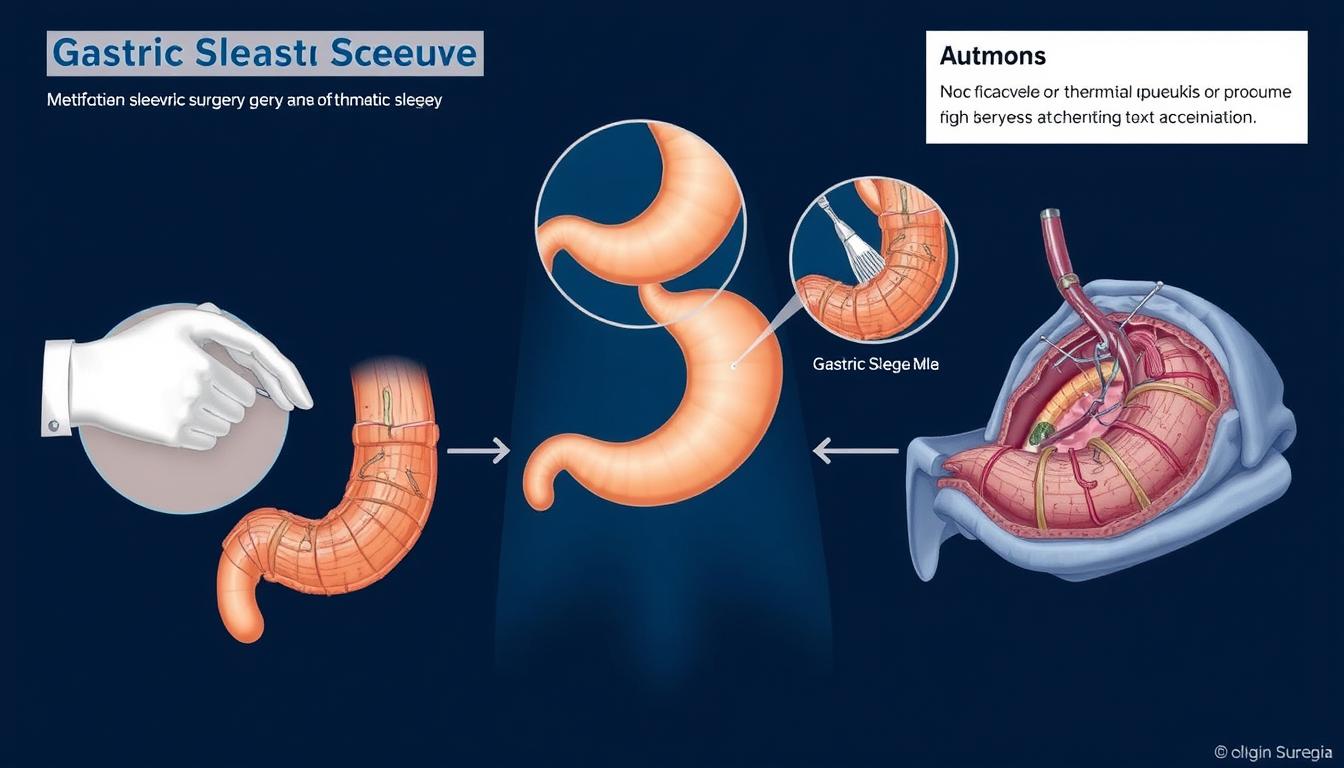
We are witnessing a significant transformation in the lives of many individuals through gastric sleeve surgery, a revolutionary weight loss procedure that has gained popularity worldwide due to its effectiveness and relatively lower complication rates.
This life-changing operation, also known as sleeve gastrectomy, involves removing a substantial portion of the stomach, resulting in a smaller, sleeve-shaped stomach that restricts food intake and impacts hunger hormones, making it easier for patients to consume less and feel satisfied.
By reducing the size of the stomach and altering the hormonal landscape, gastric sleeve surgery not only facilitates weight loss but also improves obesity-related conditions such as diabetes and high blood pressure. For those considering this weight loss surgery, we provide comprehensive information to help make informed decisions about their weight loss journey. To find out more about the procedure and its costs, please contact us for pricing details.
Key Takeaways
- Gastric sleeve surgery is a highly effective weight loss procedure.
- The surgery involves removing a significant portion of the stomach.
- It helps reduce food intake and impacts hunger hormones.
- The procedure can improve obesity-related health conditions.
- Comprehensive information is available to support informed decisions.
Understanding Gastric Sleeve Surgery
Understanding gastric sleeve surgery is crucial for those considering significant weight loss. Gastric sleeve surgery, also known as sleeve gastrectomy, is a surgical procedure that aids in weight reduction by limiting the amount of food the stomach can hold.
What is Sleeve Gastrectomy?
Sleeve gastrectomy is a surgical weight loss procedure where approximately 75% of the stomach is permanently removed, leaving a banana-shaped “sleeve” that restricts food intake. This operation is considered purely restrictive, meaning it works by limiting the stomach’s capacity, thus reducing weight.
How Gastric Sleeve Differs from Other Weight Loss Surgeries
Unlike gastric bypass surgery, where food enters a small pouch and then passes directly into the small bowel, the route that food takes following a sleeve gastrectomy remains the same as before the surgery. Gastric sleeve surgery is less complex than some other weight loss surgeries but is still a major surgical procedure with permanent effects.
It’s essential for patients to understand that while gastric sleeve surgery is a significant step towards weight loss, it’s a major operation that requires careful consideration and preparation. For more information on gastric sleeve surgery and to discuss your suitability for the procedure, please contact us to learn more about your options.
Benefits of Gastric Sleeve Surgery

The benefits of gastric sleeve surgery extend far beyond weight loss, improving overall health and wellbeing. Gastric sleeve surgery, also known as sleeve gastrectomy, is a highly effective procedure that not only aids in significant weight reduction but also resolves or improves various obesity-related health conditions.
Weight Loss Outcomes
Patients who undergo gastric sleeve surgery typically achieve substantial weight loss, with most losing between 70-75% of their excess weight within the first year. This significant reduction in body weight is a result of the reduced stomach size, which limits food intake and promotes a feeling of fullness.
Health Improvements
Gastric sleeve surgery leads to remarkable health improvements, including the resolution or improvement of type 2 diabetes, high blood pressure, sleep apnoea, and joint pain. These improvements are largely due to the significant weight loss and the hormonal changes that occur following the surgery.
Psychological and Lifestyle Benefits
The psychological benefits of gastric sleeve surgery are profound, with many patients reporting improved self-confidence, reduced depression and anxiety, and a better body image. Additionally, the increased mobility and energy levels enable individuals to participate in activities that were previously challenging or impossible due to excess weight.
For those considering gastric sleeve surgery, it is essential to understand the comprehensive benefits it offers. By promoting significant weight loss and improving related health issues, this surgery can be a life-changing solution. To learn more about how gastric sleeve surgery can transform your life, contact us for further information and to discuss your eligibility for the procedure.
How Gastric Sleeve Surgery Works
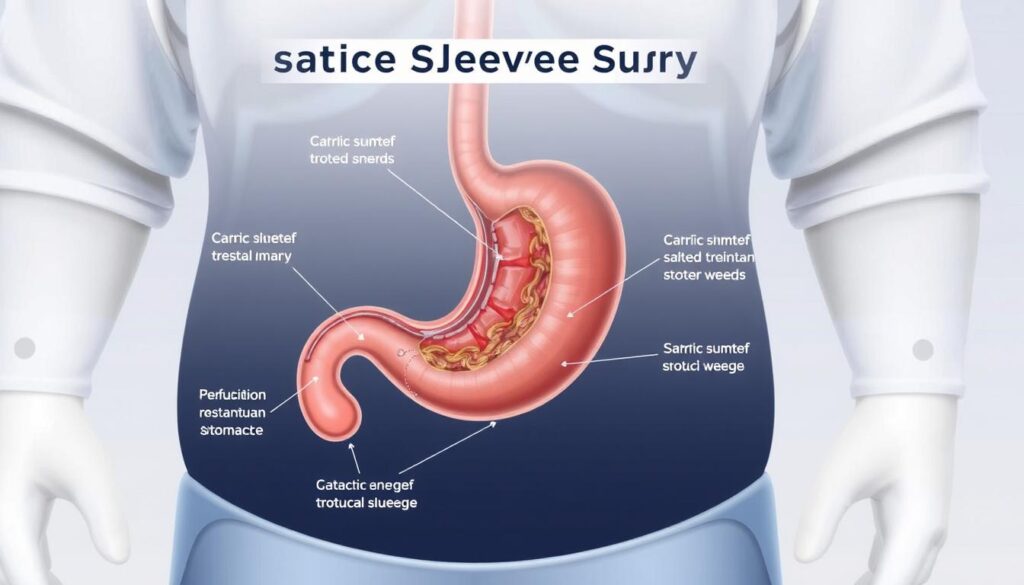
Understanding how gastric sleeve surgery works is crucial for individuals considering this life-changing procedure. Gastric sleeve surgery, also known as sleeve gastrectomy, involves the removal of a significant portion of the stomach, resulting in a stomach much smaller in size.
Reduction of Stomach Size
During the surgery, approximately 75-80% of the stomach is removed, leaving a tube-like structure that resembles a “sleeve”. This reduction of stomach size significantly limits the amount of food that can be consumed at one time, leading to weight loss.
Hormonal Changes
The portion of the stomach that is removed produces a hormone called ghrelin, which stimulates hunger. By removing this portion, the levels of ghrelin decrease, resulting in reduced appetite and hunger cravings. These hormonal changes play a crucial role in the overall weight loss outcome.
Impact on Hunger and Portion Control
With a smaller stomach, patients feel full more quickly after eating smaller portions, which helps reduce overall calorie intake. The remaining stomach much smaller in size promotes more efficient digestion and creates earlier and longer-lasting feelings of fullness with less food. This aids in achieving and maintaining significant weight loss over time.
It’s essential to note that while gastric sleeve surgery creates powerful physical changes that support weight loss, patients still need to make healthy food choices and lifestyle changes to achieve optimal, long-term results. For more information on gastric sleeve surgery and to discuss pricing details, please .
The Gastric Sleeve Procedure Explained

The process of undergoing gastric sleeve surgery involves several stages, from preparation to post-operative care. This comprehensive process ensures that patients are well-prepared for the surgery and the subsequent lifestyle changes.
Pre-Surgery Preparation
Before undergoing gastric sleeve surgery, patients must prepare themselves physically and mentally. This involves consultations with the surgical team, including a dietitian and other specialists. A comprehensive evaluation is conducted, which may include blood tests and imaging studies. Additionally, patients are required to follow a liver-shrinking diet of approximately 800 calories a day for around two weeks before the surgery.
During the Surgery
The gastric sleeve procedure is typically performed laparoscopically, meaning it is done through several small incisions rather than one large incision. The surgery involves the insertion of a laparoscope and surgical instruments through these incisions. The surgeon then staples and removes approximately 75% of the stomach, leaving a sleeve-like stomach. The entire surgery usually takes between two and four hours and is performed under general anaesthetic.
Immediate Post-Operative Care
After the surgery, patients are monitored closely as they recover from the anaesthesia. Vital signs are closely watched, and pain management is a priority. Patients are typically started on a liquid diet immediately after the surgery. The hospital stay usually lasts for one to two days, during which the medical team ensures that the patient is recovering well before discharge.
Recovery After Gastric Sleeve Surgery

Recovery after gastric sleeve surgery is a critical period that requires careful attention to ensure optimal healing and weight loss results. After the surgery, patients are closely monitored to ensure a smooth and safe recovery.
Hospital Stay and Early Recovery
The average postoperative hospital stay for gastric sleeve surgery is one to two days, facilitated by an enhanced recovery programme. This programme enables patients to be up and walking within three hours of surgery and drinking on the same day, promoting early mobilisation and hydration.
Dietary Progression
Following gastric sleeve surgery, patients are advised to follow a specialist diet to aid the healing process. The diet progresses from clear liquids to full liquids, then to puréed foods, followed by soft, easy-to-chew foods, and finally to regular foods over a period of approximately 4-6 weeks. Proper hydration, small frequent meals, and mindful eating are crucial during this period to avoid complications and maximise comfort.
Return to Normal Activities
Patients can typically return to work and normal activities within seven days. The exact timeline may vary depending on the nature of the job and individual recovery. For desk jobs, patients can usually return within 1-2 weeks, while those with physically demanding jobs may need more time. Exercise can be resumed gradually, starting with walking immediately after surgery and increasing in intensity over 4-6 weeks.
Attending all follow-up appointments, with the first typically occurring six to eight weeks post-surgery, is vital for ensuring optimal healing and weight loss results. For more information on gastric sleeve surgery and the recovery process, or to discuss your specific needs and circumstances, please contact us for personalised guidance and support.
Expected Weight Loss Results

The gastric sleeve procedure is renowned for its efficacy in promoting weight loss. Patients can expect significant reductions in body weight following the surgery.
Short-Term Results
In the initial stages following gastric sleeve surgery, patients typically experience rapid weight loss. Most individuals can expect to lose approximately 70-75% of their excess weight within the first year, translating to around 25-30% of their total body weight over nine to twelve months.
Several factors influence the rate and extent of weight loss, including pre-surgery weight, age, gender, adherence to dietary guidelines, and commitment to lifestyle changes, including regular exercise.
Long-Term Outcomes
Gastric sleeve surgery provides superior long-term results compared to non-surgical weight loss methods. Studies have shown sustained weight loss at the 5-year mark and beyond when patients follow recommended guidelines. While some weight regain may occur if healthy habits are not maintained, most patients maintain significant weight loss for many years.
It is essential to note that gastric sleeve surgery is a non-reversible procedure, as it involves removing a part of the stomach. This aspect contributes to the long-term sustained weight loss observed in patients.
Am I a Suitable Candidate for Gastric Sleeve Surgery?

Gastric sleeve surgery is not for everyone; let’s explore the criteria for eligibility. To determine if you’re a suitable candidate, several factors are considered.
BMI and Weight Requirements
Typically, a body mass index (BMI) of 40 or higher is required, or a BMI of 35 with obesity-related health conditions. Recent guidelines have also included individuals with a BMI of 30-35 who have uncontrollable type 2 diabetes or metabolic syndrome.
Health Considerations
Certain health conditions can make someone a good candidate for gastric sleeve surgery, such as type 2 diabetes, high blood pressure, sleep apnoea, and joint problems. However, conditions like severe acid reflux, Barrett’s oesophagus, or certain digestive disorders might make the surgery unsuitable.
Previous Weight Loss Attempts
It’s essential to have tried other weight loss methods before considering surgery. This includes documented attempts at diet and exercise that have been unsuccessful in achieving significant weight loss.
To proceed, you’ll need to undergo a mental health evaluation to ensure you’re psychologically ready for the surgery and committed to the necessary lifestyle changes.
Potential Risks and Complications

Understanding the potential risks and complications of gastric sleeve surgery is crucial for making an informed decision. As with any major surgical procedure, there are risks involved that patients should be aware of.
Early Complications
Early complications following gastric sleeve surgery can include bleeding, infection, leakage from the staple line, blood clots, and anaesthesia-related risks. Although these complications are possible with any major surgery, they are relatively uncommon.
We take extensive precautions to minimise risks through careful pre-operative assessment, skilled surgical techniques, and vigilant post-operative monitoring.
Long-Term Considerations
Potential long-term considerations include nutritional deficiencies, gallstones, excess skin, gastroesophageal reflux disease (GERD), and strictures (narrowing of the sleeve). There is also a possibility of inadequate weight loss or weight regain in some people, which may necessitate revision surgery or conversion to another procedure like gastric bypass.
While it’s essential to be aware of these potential risks, the overall safety profile of gastric sleeve surgery is excellent when performed by experienced surgeons.
Conclusion: Transform Your Life with Gastric Sleeve Surgery
Gastric sleeve surgery is not just a procedure; it’s a pathway to reclaiming one’s health and happiness. For individuals who have struggled with weight loss through diet and exercise alone, this surgery offers a powerful tool to achieve significant and sustainable weight loss.
The benefits of gastric sleeve surgery are multifaceted, including substantial weight loss, improvement or resolution of obesity-related health conditions, and enhanced quality of life. However, successful outcomes depend on a partnership between surgical intervention and the patient’s commitment to lifestyle changes, including healthy eating habits and regular exercise.
Our comprehensive support system guides patients through every stage of their weight loss journey, from pre-surgical preparation to long-term follow-up care. Gastric sleeve surgery has helped thousands transform their lives, and it could be the right step for you. We invite you to contact us for a consultation to determine if this bariatric surgery option is right for you and to discuss the next steps in your journey toward better health.
FAQ
What is the typical recovery time after undergoing weight loss procedures?
We typically stay in the hospital for a few days after the procedure, and full recovery can take several weeks. During this time, our dietary progression is crucial, and we gradually introduce new foods to our diet.
How does bariatric weight loss impact overall health conditions like high blood pressure and diabetes?
Weight loss resulting from bariatric procedures can significantly improve or even resolve health conditions such as high blood pressure and diabetes. By reducing body mass index (BMI), we can alleviate the strain on our body and improve overall health.
What are the dietary changes required after undergoing weight loss surgery?
After weight loss surgery, we need to make significant changes to our diet, focusing on nutrient-rich foods and portion control. This helps our body adjust to the new stomach size and promotes sustainable weight loss.
Can we expect to lose weight rapidly after weight loss surgery?
Yes, significant weight loss is often achieved in the first few weeks and months after weight loss surgery. However, it’s essential to maintain a healthy diet and regular exercise to ensure long-term weight loss success.
How does the reduction of stomach size impact our eating habits?
With a smaller stomach size, we feel fuller faster and are less likely to overeat. This helps us develop healthier eating habits and reduces the likelihood of consuming high-calorie foods.
Are there any long-term health considerations after undergoing weight loss procedures?
While weight loss procedures can be life-transforming, there are potential long-term health considerations, such as nutritional deficiencies and the need for ongoing support. Regular check-ups with our healthcare provider help mitigate these risks.
Can weight loss procedures be reversed if needed?
Some weight loss procedures are reversible, while others are not. It’s crucial to discuss the specifics of the procedure and potential reversibility with our healthcare provider before making a decision.


