


Cataract surgery is a highly effective procedure that removes the cloudy lens in your eye and replaces it with a clear artificial lens, restoring vision clarity. With millions of these procedures performed worldwide each year, it is considered one of the safest and most successful surgical interventions available.
As we age, the likelihood of developing a cataract increases, with about half of all people living into their 90s requiring cataract surgery. Understanding the process of cataract development, the necessity for surgery, and what to expect during recovery can help alleviate concerns and prepare individuals for improved vision and enhanced quality of life.
For specific information about cataract surgery costs and to discuss individual needs, we encourage patients to contact our team directly. We are committed to providing personalised care and guidance throughout the entire process.
Key Takeaways
- Cataract surgery is a common and highly effective procedure for restoring clear vision.
- The surgery involves removing the cloudy lens and replacing it with an artificial one.
- Millions of people worldwide undergo successful cataract surgery every year.
- Understanding the process can help alleviate concerns and prepare individuals for improved vision.
- Personalised care and guidance are available by contacting our team directly.
Understanding Cataracts and Their Impact on Vision
As we age, the lens in our eye can become cloudy, leading to the formation of cataracts. This condition affects the way we see the world, causing our vision to become blurry or distorted. Understanding what cataracts are, their symptoms, and how they develop is crucial for maintaining good eye health.
What Are Cataracts?
A cataract is a condition where the lens inside the eye becomes cloudy, impairing its ability to focus light properly on the retina. This clouding of the lens leads to a decrease in vision clarity. Normally, the lens is clear, allowing light to pass through and focus on the retina. When it becomes cloudy, it scatters the light, making it difficult to see.
Common Symptoms of Cataracts
The symptoms of cataracts can vary, but they often include blurry or cloudy vision, double vision, or a faded appearance of colours. Some people may experience difficulty seeing at night or sensitivity to light. These symptoms occur because the cloudy lens distorts the light entering the eye. If you’re experiencing any of these symptoms, it’s essential to consult with an eye care professional.
How Cataracts Develop Over Time
Cataracts typically develop gradually over time, with different types progressing at varying rates. For instance, age-related cataracts form slowly, while traumatic cataracts can develop rapidly after an eye injury. Understanding the progression of cataracts can help individuals prepare for potential treatment options, including surgery, to restore clear vision.
When Is Cataract Surgery Necessary?
The necessity of cataract surgery depends on various factors, including the severity of the cataract and its impact on daily activities. Not everyone with cataracts needs surgery; however, when cataracts start interfering with daily life, it may be time to consider surgical options.
Signs That You May Need Cataract Surgery
If cataracts in one or both eyes are causing vision problems that interfere with your usual activities, you may need surgery. Common signs include difficulty reading, driving at night, or performing daily tasks due to blurred vision.
Your eye care professional can assess the severity of your cataracts and advise on the best course of action. They will consider how the condition is affecting your quality of life and overall independence.
Discussing Surgery with Your Eye Care Professional
When considering cataract surgery, a thorough consultation with an eye care professional is essential. They will conduct a comprehensive eye examination to assess the severity of your cataracts and explain the potential benefits and risks of surgery.
During this consultation, be prepared to discuss how your vision problems are impacting your daily activities and overall quality of life. You may also need to discuss any existing medical conditions or medications that could affect the surgery or recovery. For information about the cost of cataract surgery and available options, we encourage you to .
Preparing for Your Cataract Surgery

Understanding what to expect before cataract surgery can significantly reduce anxiety and improve outcomes. As the day of your surgery approaches, there are several steps you can take to prepare.
Pre-Surgery Eye Examination
Before you have cataract surgery, you’ll have an appointment with a specialist who will examine and measure your eye. If you wear contact lenses, you may need to leave them out for a few days before you have cataract surgery.
Medication Considerations
It’s crucial to inform your surgeon about any medication you’re currently taking. This information will help them provide personalized advice on how to manage your medication before the procedure.
What to Do the Day Before Surgery
The day before your surgery, ensure you have all your prescribed eye drops ready and understand how to use them. Here are some additional tips to help you prepare:
- Arrange for someone to drive you to and from your appointment, as you won’t be able to drive immediately after the procedure.
- You can eat and drink normally before surgery as it’s typically performed under local anaesthetic.
- Get a good night’s sleep to help ensure you’re well-rested for the procedure.
- Follow any specific instructions provided by your eye care team regarding eye cleaning or fasting.
For more information on cataract surgery and to find out about our pricing, please today.
The Cataract Surgery Procedure Explained

The process of cataract surgery involves several key steps that are designed to restore clear vision. This surgery is typically performed under a local anaesthetic, ensuring that the patient remains awake but pain-free during the operation.
Local Anaesthesia Options
The local anaesthetic may be administered as eye drops, an injection, or a combination of both, numbing the eye to prevent any discomfort. This approach allows for a safe and relatively quick recovery.
Step-by-Step Surgical Process
During the surgery, the surgeon will first dilate the pupil using eye drops. The eye and surrounding area are then cleaned, and a sterile sheet is used to expose only the eye being operated on. The surgeon makes a tiny incision in the cornea and uses ultrasound to break up the cataractous lens, which is then removed using suction. Finally, a clear plastic lens is implanted in place of the natural lens.
Duration and What to Expect During Surgery
The surgery typically lasts between 20 to 45 minutes. Patients may see movements and changes in light during the procedure, but they should not feel pain due to the local anaesthetic. The surgical team will communicate throughout the procedure to ensure the patient’s comfort.
Types of Intraocular Lens Implants
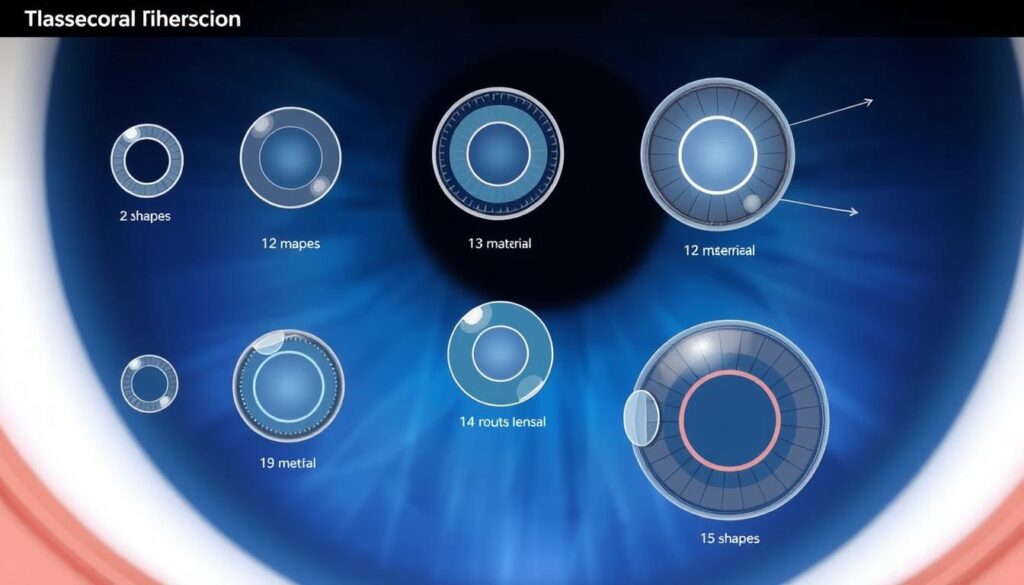
When considering cataract surgery, selecting the right intraocular lens implant is crucial for achieving optimal vision correction. The variety of lens implants available allows for personalised treatment plans tailored to individual needs and preferences.
Monofocal Lenses
Monofocal lenses are designed to improve long-distance vision. While they are effective for distance vision, patients may still require glasses for near tasks. These lenses are a popular choice due to their simplicity and the fact that they are often covered by insurance.
Multifocal Lenses
Multifocal lenses offer a significant advantage by enabling patients to see both far and near objects clearly. This type of lens can reduce dependence on glasses for most daily activities.
Toric Lenses for Astigmatism
Toric lenses are specifically designed for individuals with astigmatism. They can correct the irregular curvature of the cornea, providing clear vision at various distances.
Extended Depth of Focus (EDOF) Lenses
EDOF lenses represent a newer generation of lens implants that provide a continuous range of vision from distance to intermediate. They are particularly beneficial for activities such as computer work, cooking, and driving, with less glare compared to traditional multifocal lenses.
To determine the most suitable type of intraocular lens for your needs, it’s essential to consult with an eye care professional. They will assess your eye health and recommend the best option. For more information on the available lens implants and to discuss pricing, please .
Immediate Post-Surgery Care
After undergoing cataract surgery, it’s crucial to follow a proper care routine to ensure a smooth recovery. Your surgeon will provide specific instructions, but here are some general guidelines to help you during the initial healing phase.
The First 24 Hours After Surgery
After the surgery, a protective pad and plastic eye shield will be placed over your eye, which you should leave on for a few hours. You may experience some discomfort when the local anaesthetic wears off, but pain can be managed with prescribed pain killers. It’s essential to avoid touching your dressings to prevent infection.
Using Prescribed Eye Drops Correctly
Following cataract surgery, you’ll be prescribed eye drops to prevent infection and reduce inflammation. To use them correctly:
- Wash your hands thoroughly before applying eye drops.
- Tilt your head back, pull down your lower eyelid, and place one drop in the created pocket without touching the eye or eyelid.
- Keep track of your eye drops schedule using reminders.
- Store eye drops as directed and avoid sharing or using them beyond their expiration date.
By following these guidelines and your surgeon’s instructions, you can ensure a successful recovery and enjoy the benefits of your cataract surgery. For more information on cataract surgery and associated costs, please contact us for the pricing details.
Recovery Timeline After Cataract Surgery

Understanding the recovery process after cataract surgery is crucial for patients to manage their expectations and ensure a smooth healing journey. The recovery timeline can vary significantly from one individual to another, but there are general guidelines that most patients can expect to follow.
What to Expect in the First Week
Immediately after cataract surgery, patients may experience blurred or double vision, and their eye may appear red, watery, gritty, and sensitive to light. These symptoms typically improve within a few days. During the first week, it is essential to follow the post-operative instructions provided by your eye care professional to ensure proper healing and minimize the risk of complications.
Weeks 1-4 of Recovery
As the initial healing progresses, most patients start to notice significant improvements in their vision clarity and quality between the first and fourth weeks. It is during this period that the eye begins to heal more substantially, though it’s not uncommon for the vision to fluctuate. By the end of this period, many patients are able to resume their normal activities.
Complete Healing and Vision Stabilisation
Complete healing after cataract surgery typically takes about 4-6 weeks, though the exact time can vary. By this stage, most patients experience significant improvement in their vision. Once your eye has fully recovered and your vision has stabilised, usually after 4-6 weeks, you can have an eye test for a new glasses prescription if needed.
Some key points to consider during the recovery time include:
– Complete healing after cataract surgery typically takes about 4-6 weeks, though the exact timeline varies from person to person.
– By this time, most patients experience significant improvement in their vision clarity and quality.
– Your eye‘s internal healing will continue even after external signs of recovery have disappeared.
– Once your vision has stabilised, usually after 4-6 weeks, you can have an eye test for a new glasses prescription if needed.
– Some patients find they need less strong glasses or no glasses at all for certain activities after cataract surgery.
– The artificial lens implanted during surgery is permanent and requires no maintenance.
– Annual eye examinations remain important to monitor your overall eye health and check for any changes in your vision.
Activity Restrictions During Recovery
To achieve the best possible outcome from cataract surgery, adhering to specific post-operative instructions is essential. Understanding the activities to avoid and those that can be resumed during the recovery period is crucial for a smooth and effective healing process.
Daily Activities to Avoid
After cataract surgery, certain daily activities should be avoided to prevent complications. For instance, rubbing your eye should be avoided at all costs, as it can dislodge the lens implant or cause other complications. Additionally, swimming should be avoided for 4-6 weeks to minimize the risk of infection. It’s also advisable to avoid excessive bending, heavy lifting, and strenuous activities during this period.
When You Can Resume Driving
Resuming driving after cataract surgery should be done with caution. Generally, patients are advised to wait until their vision has sufficiently recovered, which is usually within a few days. However, it’s essential to follow the specific guidance provided by your eye care professional, as they can assess your vision and determine when it’s safe to drive again.
Returning to Work and Exercise
Returning to work and resuming exercise should be gradual. Most people can return to desk jobs within a few days, but those with more physically demanding jobs may need to wait 1-2 weeks. Light exercises like walking can usually be resumed within a few days, but more strenuous activities, including heavy lifting, should be avoided for 4-6 weeks. When resuming exercise, wearing protective eyewear is recommended to protect your eyes from potential harm.
It’s also important to wear an eye shield at night for 1-2 weeks to prevent accidental rubbing of your eye while you’re asleep. Keeping the shield clean and following the instructions for your prescribed eye drops will also contribute to a successful recovery.
Potential Complications of Cataract Surgery
While cataract surgery is generally a safe and effective procedure, it’s crucial to be aware of the potential complications that can arise. As with any operation, there is a risk of complications during or after cataract surgery, although serious complications are rare.
Common Side Effects vs. Complications
It’s essential to differentiate between common side effects and more serious complications. Common side effects are typically mild and temporary, whereas complications can have a more significant impact on your vision and eye health. Possible complications include problems with your vision, such as cloudiness or blurriness, and issues within the eye, like a detached retina, infection, or inflammation.
When to Seek Medical Attention
If you experience any of the following symptoms, you should seek medical attention promptly: increasing pain or discomfort not relieved by over-the-counter pain medication, sudden decrease in vision, new floaters, flashes of light, or a shadow/curtain effect across your vision. Additionally, signs of infection, such as increasing redness, yellow or green discharge, or swelling around the eye, require immediate care. For detailed information on cataract surgery and its potential complications, and to discuss your specific needs, please contact us.
- Monitor your symptoms closely after surgery and report any concerns to your eye care professional.
- Keep all scheduled follow-up appointments to ensure your eye is healing as expected.
- Be aware of the signs of potential complications, such as severe pain, vision disturbances, or signs of infection.
Benefits of Modern Cataract Surgery

The benefits of modern cataract surgery extend far beyond just correcting vision problems. As people undergo this life-changing operation, they often experience a significant improvement in their overall quality of life.
Improving Vision Quality
Cataract surgery can dramatically improve vision quality by replacing the cloudy natural lens with a clear artificial lens. This results in sharper, clearer vision, allowing people to see the world around them more vividly. With improved vision, daily activities become easier, and people can enjoy hobbies and interests that were previously challenging due to poor vision.
Enhancing Quality of Life
Beyond improved vision, cataract surgery often leads to significant enhancements in overall quality of life. Many people experience renewed independence after surgery, regaining the ability to drive, read, and perform daily activities without assistance. Studies show that cataract surgery can reduce the risk of falls and fractures in older adults by improving depth perception and visual clarity. Patients often report improved mental wellbeing as they reconnect with hobbies and social activities that poor vision had limited.
Conclusion
With advancements in medical technology, cataract surgery has become a highly successful procedure, restoring vision with minimal risk. The journey from diagnosis through recovery typically spans several weeks, but the benefits of clear vision can last a lifetime.
Understanding what to expect at each stage—from initial consultation to post-operative care—can help alleviate concerns and ensure the best possible outcome. While the surgery itself takes less than an hour, proper preparation and diligent aftercare are essential components of successful cataract surgery.
The variety of lens options available today means that cataract surgery can be tailored to your specific visual needs and lifestyle. For many people, the improvement in vision quality extends far beyond simply removing cloudiness—it often means rediscovering colours, details, and night vision that had gradually faded away.
If you’re experiencing symptoms of cataract that are affecting your quality of life, we encourage you to contact us to discuss how cataract surgery might benefit you. For specific information about surgery options and costs, please reach out to our team directly.
FAQ
What is the purpose of wearing an eye shield after lens implantation?
We recommend wearing an eye shield at night to protect our eye during the initial healing process, reducing the risk of accidental rubbing or bumping.
How long will I need to use eye drops after the procedure?
We will prescribe drops to aid in the healing process and prevent infection; the duration of use varies, but typically, you’ll need to use them for several weeks.
Can I resume normal activities immediately after the surgery?
We advise avoiding strenuous activities, such as heavy lifting or bending, for a few weeks to ensure proper healing and minimise the risk of complications.
Will I need to wear glasses after the lens implantation?
Depending on the type of lens implanted and your individual vision needs, you may still require glasses for certain tasks, such as reading or driving at night.
How long does it take for our vision to stabilise after the procedure?
It may take several weeks for our vision to fully stabilise, but most people notice significant improvements within the first few days.
What are the potential risks and complications associated with the procedure?
As with any surgery, there are risks, including infection, inflammation, and opacification of the new lens; however, these are relatively rare with modern techniques.
Can I undergo the procedure if I have other eye conditions?
We will assess your overall eye health to determine the best course of treatment; certain conditions may require additional considerations or alternative approaches.
How is pain managed during and after the procedure?
We use local anaesthetic to minimise discomfort during the procedure; after the procedure, any pain is typically mild and manageable with over-the-counter medication.
What type of lens is best for me?
The choice of lens depends on our individual needs and preferences; we will discuss the options with you, including monofocal, multifocal, and toric lenses.
How long does the procedure take?
The actual procedure is relatively quick, typically taking around 15-30 minutes per eye; however, we should allow for additional time for preparation and recovery.


