
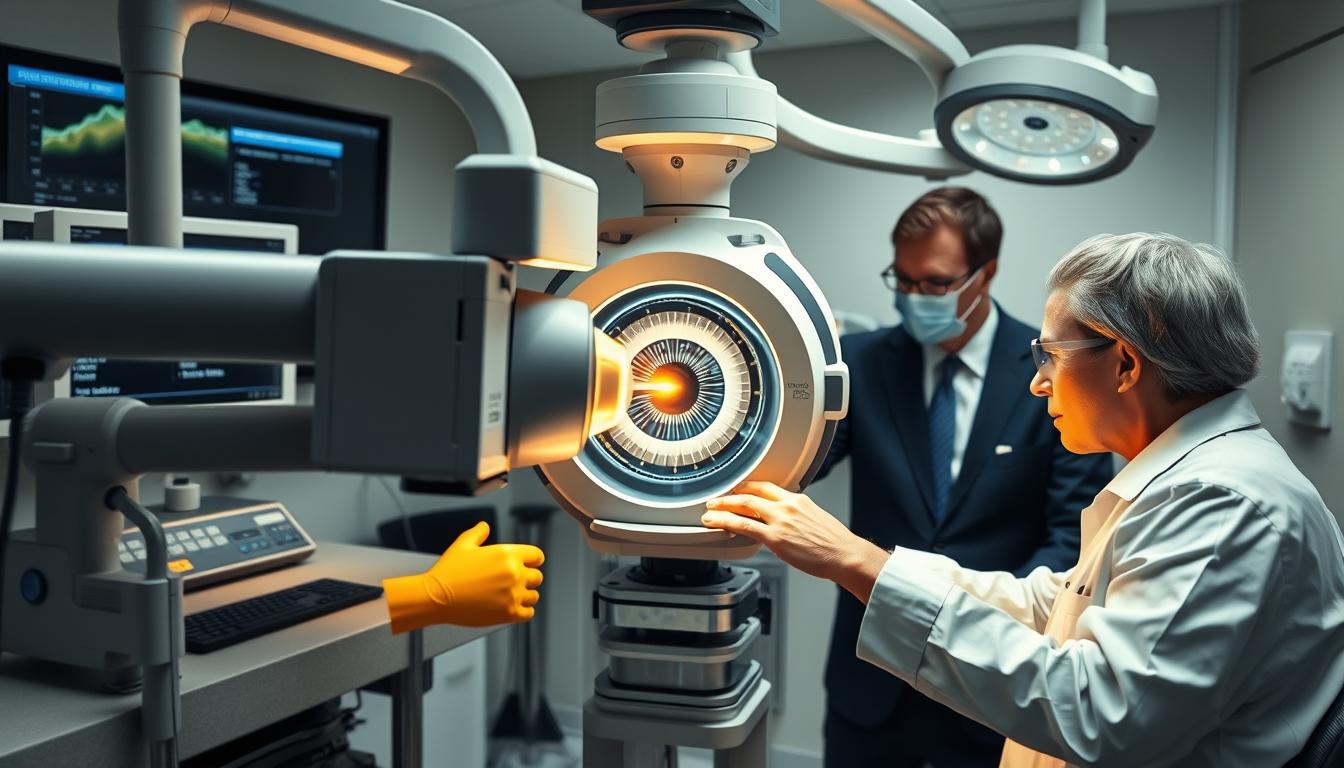
Laser eye surgery is a revolutionary vision correction procedure that has helped millions worldwide achieve freedom from glasses and contact lenses. The surgery works by reshaping the cornea, the clear front surface of the eye, using precise laser technology to correct refractive errors.
In the UK, approximately 100,000 laser eye surgery procedures are performed annually, with consistently high success rates and patient satisfaction. We will explore how laser eye surgery works, who might benefit from it, and what you can expect during and after treatment.
Key Takeaways
- Laser eye surgery corrects short-sightedness, long-sightedness, and astigmatism.
- The procedure involves reshaping the cornea using laser technology.
- Approximately 100,000 procedures are performed annually in the UK.
- Laser eye surgery offers a permanent solution to vision problems.
- For pricing details, please contact us directly.
Understanding Laser Eye Surgery
Understanding the basics of laser eye surgery is crucial for those considering the procedure. It is a revolutionary treatment that has transformed the lives of many by correcting their vision problems.
What Is Laser Eye Surgery?
Laser eye surgery is a surgical procedure that uses advanced technology to reshape the cornea, the clear dome-shaped surface at the front of the eye. This reshaping corrects vision problems such as nearsightedness, farsightedness, and astigmatism by improving the way the eye focuses light onto the retina.
The surgery involves the use of a highly specialised laser to precision-correct the shape of the cornea. By doing so, it aims to reduce or eliminate the need for glasses or contact lenses.
The History and Development of Laser Eye Surgery
The concept of reshaping the cornea to correct vision dates back to the 1950s. However, laser eye surgery as we know it today began to take shape in the 1980s with the development of the excimer laser.
- The first PRK (PhotoRefractive Keratectomy) procedure was performed in 1987, marking the beginning of modern laser vision correction techniques.
- Laser eye surgery was introduced to the UK in 1995, revolutionising vision correction options.
- LASIK (Laser-Assisted In Situ Keratomileusis) was developed in the 1990s and became popular due to its quick recovery time and excellent results.
For those interested in undergoing laser eye surgery, it’s essential to contact a professional to discuss pricing details and suitability for the procedure.
Who Is Suitable for Laser Eye Surgery?
Before undergoing laser eye surgery, it’s crucial to assess whether you’re a suitable candidate based on your eye health and other factors. Laser eye surgery is often chosen by individuals who wish to avoid wearing glasses or contact lenses, or by those who have experienced problems with either.
Common Vision Problems Corrected by Laser Eye Surgery
Laser eye surgery is commonly used to correct vision problems such as short-sightedness, long-sightedness, and astigmatism. Many people opt for this surgery due to career requirements, such as those wishing to join the police force, military, or fire service. The procedure can significantly improve the quality of life for individuals with these vision issues.
Factors That May Affect Your Eligibility
Not everyone is an ideal candidate for laser eye surgery, and several factors must be considered during the assessment process. Age is a significant consideration; patients must be at least 18 years old, with most surgeons preferring patients to be 21 or older to ensure their prescription has stabilised. Other factors include corneal thickness, certain health conditions like autoimmune disorders or diabetes with retinal involvement, and whether the patient is pregnant or breastfeeding. A comprehensive eye examination is essential to determine the most appropriate treatment option for each individual.
To find out if you’re suitable for laser eye surgery, it’s essential to consult with a professional who can assess your eye health and other relevant factors. For more information on the procedure and to discuss pricing details, please contact us.
How Does Laser Eye Surgery Work?
Understanding how laser eye surgery works requires a look into the technology and techniques used. Laser eye surgery is a sophisticated procedure that corrects vision by reshaping the cornea, the clear dome-shaped surface at the front of the eye.
The Science Behind Corneal Reshaping
The cornea is reshaped using an excimer laser, which removes microscopic amounts of corneal tissue to improve the way the eye focuses light. This process, known as photoablation, is precise and gentle, ensuring minimal discomfort and rapid healing. The excimer laser produces a cool ultraviolet light beam that can remove corneal tissue without damaging surrounding areas.
Advanced Technology Used in Modern Procedures
Modern laser eye surgery utilises cutting-edge technology that has transformed the precision, safety, and effectiveness of vision correction procedures. Advanced eye-tracking systems monitor eye movements more than 1,000 times per second during treatment, automatically adjusting the laser position to ensure precise application. Additionally, wavefront technology creates a detailed 3D map of each eye’s unique imperfections, allowing for customised treatments. For those considering laser eye surgery, it’s essential to contact a professional to discuss pricing details and determine the best course of treatment.
Types of Laser Eye Surgery Procedures
Laser eye surgery encompasses various procedures, each tailored to correct specific vision problems. The choice of procedure depends on several factors, including the patient’s eye health, prescription, and personal preferences.
LASIK (Laser-Assisted In Situ Keratomileusis)
LASIK is a popular laser eye surgery procedure that involves creating a thin flap in the cornea to reshape the underlying tissue. This corrects vision by improving the way the eye focuses light.
LASEK (Laser Epithelial Keratomileusis)
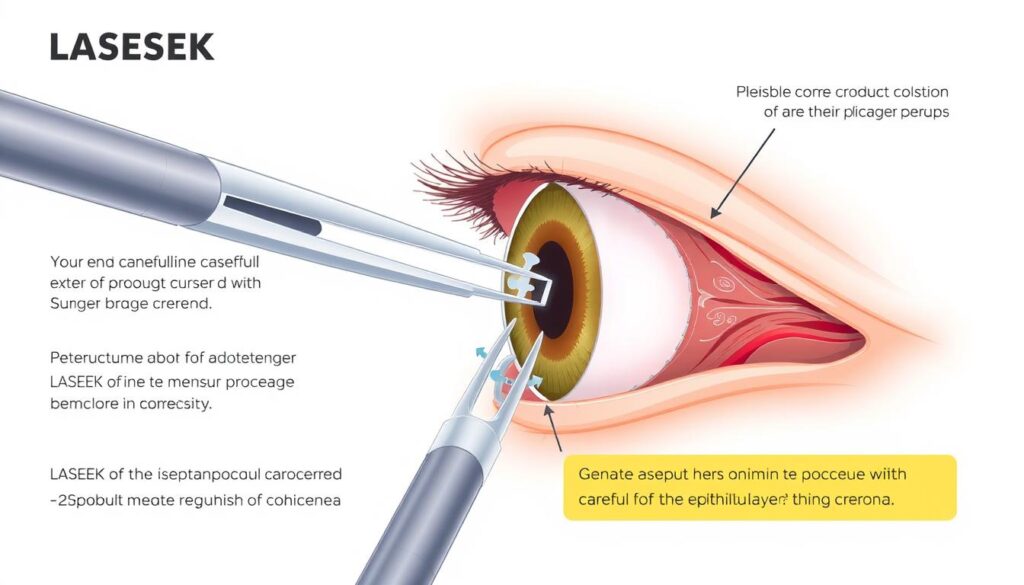
LASEK is another form of laser eye surgery that involves lifting the thin outer layer of the cornea, known as the epithelium, to reshape the underlying tissue. This procedure is often recommended for patients with thinner corneas.
PRK (PhotoRefractive Keratectomy)
PRK is a laser eye surgery procedure that involves removing the outer layer of the cornea and reshaping the underlying tissue. This procedure is known for its effectiveness in treating mild to moderate myopia.
SMILE (Small Incision Lenticule Extraction)
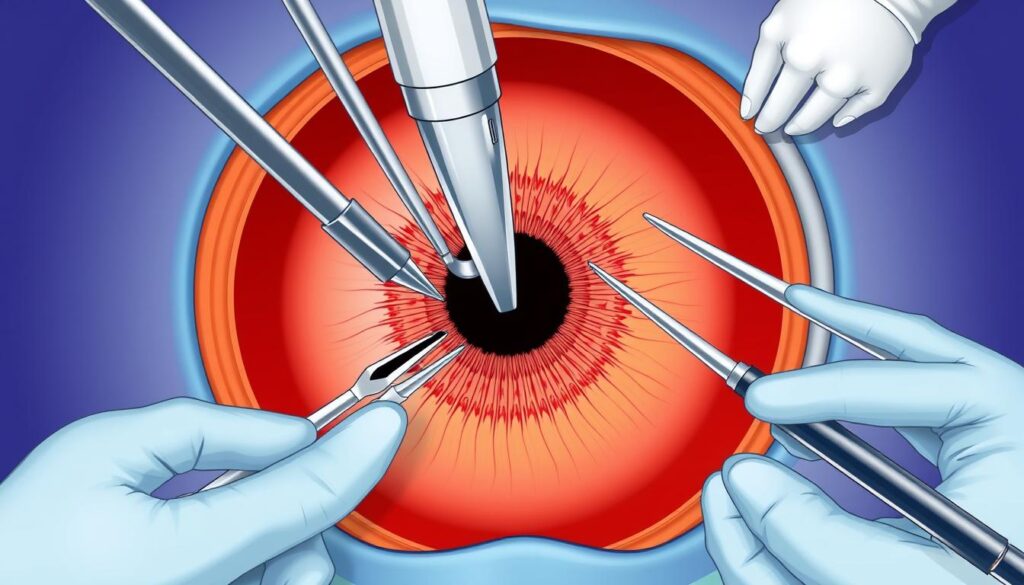
SMILE is a relatively new and minimally invasive laser eye surgery procedure used to correct myopia and astigmatism. It involves creating a small incision in the cornea to remove a lenticule, thereby reshaping the cornea without creating a flap.

To determine the most suitable laser eye surgery procedure for your specific needs, it’s essential to consult with a professional. For more information on these procedures and to discuss pricing, please contact us for a consultation.
The Laser Eye Surgery Procedure: Step by Step
Laser eye surgery is a sophisticated medical procedure that has been refined over the years to improve outcomes. It is performed by highly trained ophthalmologists who have extensive experience in their field.
Before the Procedure: Preparation
Before undergoing laser eye surgery, patients undergo a thorough assessment to determine their suitability for the procedure. This involves a comprehensive examination of their eye health and vision. Our surgeons create a personalised treatment plan based on the unique characteristics of each patient’s eyes.
During the Procedure: What to Expect
During the laser eye surgery procedure, patients can expect a relatively quick and painless process. The surgeon uses advanced laser technology to reshape the cornea, correcting vision problems. The procedure is typically performed on one eye at a time, although both can be treated on the same day.
The Role of the Surgeon and Laser Technology
The surgeon plays a crucial role in the success of laser eye surgery. While laser technology is essential, the skill and experience of the surgeon are paramount. Key aspects of the surgeon‘s role include:
- Creating a personalised treatment plan tailored to the patient’s unique eye characteristics.
- Controlling and monitoring the laser systems during the procedure.
- Making critical decisions about flap creation, positioning, and corneal reshaping.
- Ensuring the correct application of laser technology for each individual patient.
For more information on laser eye surgery and to discuss pricing, please contact us directly. We can be reached through our website or by phone.
Recovery and Aftercare
The journey to clear vision doesn’t end with laser eye surgery; proper aftercare is essential. As you embark on this final stage, it’s crucial to follow your surgeon’s instructions to ensure optimal healing and the best possible visual outcomes.
Immediate Post-Surgery Experience
Immediately after laser eye surgery, your eyes may feel dry, itchy, or gritty. This discomfort is temporary and typically subsides within a few hours. You may be given drops to help alleviate these symptoms and prevent infection.
The Healing Timeline
The recovery time varies among individuals, but most people notice significant improvements within the first few days. It’s essential to attend all scheduled follow-up appointments to allow your surgeon to monitor your progress and address any concerns.
Essential Aftercare Tips
To ensure a smooth recovery, follow these guidelines:
- Use prescribed drops exactly as directed to prevent infection and reduce swelling.
- Avoid rubbing your eyes for at least one month to prevent dislodging a healing flap.
- Wear sunglasses outdoors to protect your eyes from UV light and reduce sensitivity.
- Avoid swimming pools, hot tubs, and saunas for at least 2-4 weeks to prevent infection.
- Refrain from applying eye makeup for at least one week to reduce the risk of irritation.
For the best results, it’s crucial to adhere to your surgeon’s aftercare instructions. If you experience severe pain, sudden vision changes, or signs of infection, contact your surgeon immediately. To find out more about the specifics of your procedure and aftercare, we recommend contacting us directly for personalized information.
Benefits and Results of Laser Eye Surgery
By reshaping the cornea, laser eye surgery can dramatically improve vision, providing a long-term solution for individuals with common vision problems. This procedure has been extensively studied, and the results are overwhelmingly positive.
Visual Improvements You Can Expect
Clinical data demonstrates that 99.2% of patients achieve 20/20 vision or better following laser eye surgery treatment, highlighting the procedure’s remarkable effectiveness. This means that the vast majority of patients can expect significant improvements in their visual acuity.
Freedom from Glasses and Contact Lenses
One of the most significant benefits of laser eye surgery is the freedom it offers from glasses and contact lenses. Patients can enjoy their daily activities without the hassle of corrective eyewear, enhancing their overall quality of life.
Long-term Outcomes and Success Rates
The long-term outcomes of laser eye surgery are impressive, with most patients maintaining excellent vision years after their procedure. In fact, studies show that 99% of patients would recommend the treatment to their family and friends, underscoring the high level of satisfaction with the results. For more information on the benefits and costs associated with laser eye surgery, we recommend contacting us directly to discuss your individual needs and circumstances.
Potential Risks and Side Effects
As with any surgical procedure, laser eye surgery carries certain risks and potential complications that patients should be aware of. While the majority of individuals undergo the procedure without significant issues, understanding the possible risks is crucial for making an informed decision.
Common Temporary Side Effects
Most patients experience some temporary side effects following laser eye surgery. These can include dry eye, sensitivity to light, and mild discomfort. Such effects are typically short-lived and resolve on their own or with the help of prescribed eye drops.
Rare but Possible Complications
Although rare, complications such as infection, undercorrection, or overcorrection can occur. It’s essential for patients to be aware of these risks and to follow their surgeon’s instructions carefully to minimise them.
How to Minimise Risks
To reduce the risk of complications, several steps can be taken. Firstly, choosing an experienced and qualified surgeon is paramount. Additionally, being honest about your medical history and following pre- and post-operative instructions are crucial. This includes using prescribed eye drops as directed and attending follow-up appointments. Maintaining good general health and being patient during the healing process also play significant roles in minimising risks.
- Choose an experienced, qualified surgeon with a proven track record.
- Be honest about your medical history and eye health during your consultation.
- Follow all pre-operative instructions, including stopping contact lens wear for the recommended period.
- Adhere to your surgeon’s aftercare instructions, particularly regarding the use of prescribed eye drops.
Conclusion: Is Laser Eye Surgery Right for You?
For those tired of relying on glasses or contact lenses, laser eye surgery offers a potentially life-changing solution. This procedure has transformed millions of lives worldwide, providing freedom from corrective eyewear with a quick and relatively painless treatment that delivers lasting results.
To determine if laser eye surgery is right for you, consider factors such as your age, prescription stability, and overall eye health. We recommend booking a comprehensive consultation with our experienced team to assess your suitability and discuss your individual needs, including information about pricing and payment options.
With modern advancements in laser technology, this procedure has become safer and more effective than ever, offering customised treatments tailored to each patient’s unique eye characteristics.
FAQ
What is the difference between LASIK and PRK?
LASIK involves creating a thin flap in the cornea, whereas PRK involves removing the outer layer of the cornea. Both procedures reshape the underlying tissue to correct vision.
Is laser eye surgery painful?
We use anaesthetic drops to numb the cornea, ensuring the procedure is relatively painless. Some patients may experience mild discomfort during the recovery period.
How long does the laser eye surgery procedure take?
The actual surgery typically takes around minutes per eye, but you’ll need to allow a few hours for preparation and recovery.
What are the potential risks and complications of laser eye surgery?
As with any surgery, there are risks, including dry eye, infection, and under/overcorrection. Our experienced surgeon will discuss these risks with you during your consultation.
Can I have laser eye surgery if I have astigmatism?
Yes, laser eye surgery can correct astigmatism, along with short-sightedness and long-sightedness. Our surgeon will assess your suitability during a comprehensive consultation.
Will I need to wear glasses or contact lenses after surgery?
Most patients can achieve vision correction that eliminates the need for glasses or contact lenses, but this depends on individual circumstances.
How long does it take to recover from laser eye surgery?
Recovery times vary, but most patients can return to normal activities within a few days. Your surgeon will provide personalised aftercare advice.
Can I have laser eye surgery if I wear contact lenses?
Yes, but you may need to stop wearing contact lenses for a period before surgery to ensure accurate measurements. Our team will advise on the best course of action.


