
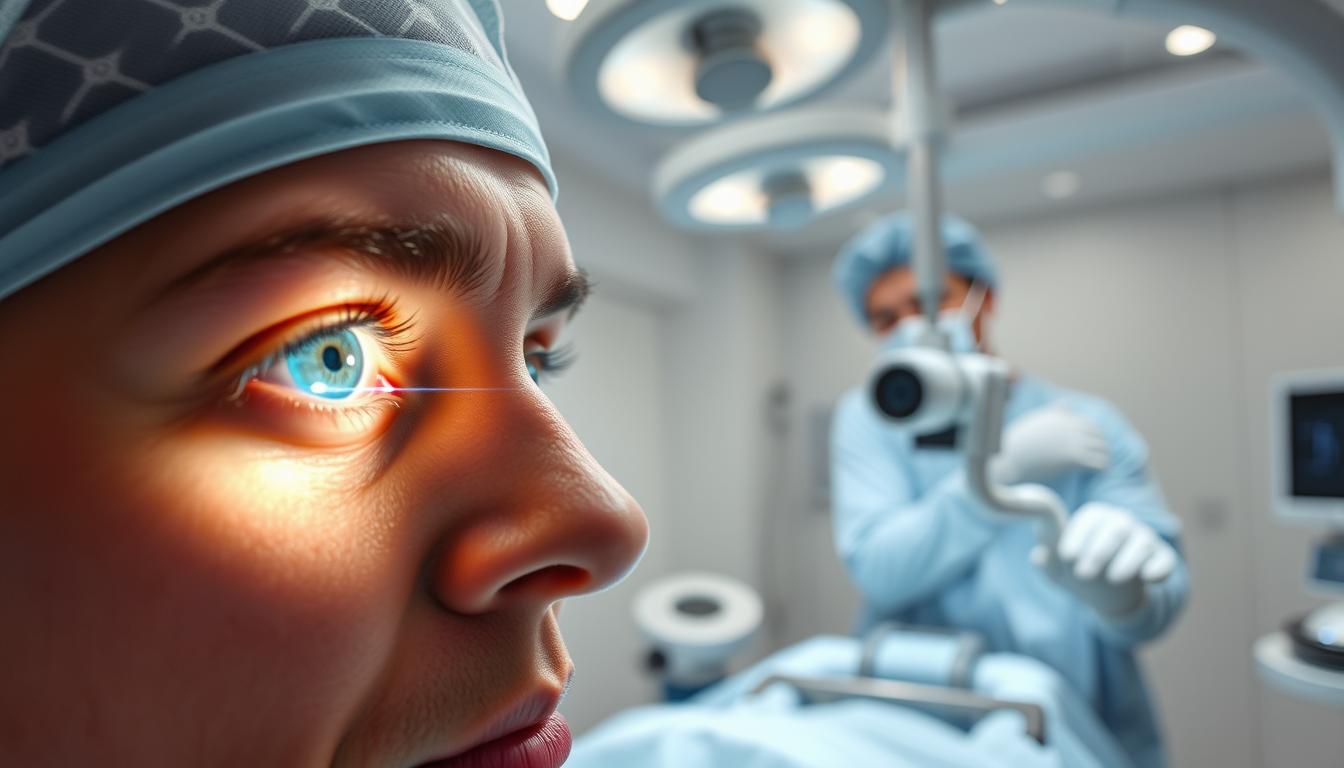
Laser eye surgery has become a popular solution for individuals seeking to correct their vision. As a widely performed and safe procedure in the UK, it has helped numerous people reduce their reliance on glasses or contact lenses.
We will explore whether laser eye surgery provides a permanent solution to vision correction. This involves understanding the science behind the procedure and how it reshapes the cornea to address various vision problems, including myopia, hyperopia, and astigmatism.
By examining the effects of laser eye surgery over time, we can clarify the distinction between the changes made during the procedure and the natural changes that occur as one ages. For those considering this life-changing surgery, understanding its permanence is crucial.
Key Takeaways
- Laser eye surgery is a safe and effective procedure for correcting vision problems.
- The surgery involves reshaping the cornea to improve vision.
- The permanence of the results can vary depending on individual factors.
- Aging can still affect vision even after surgery.
- Additional treatments may be necessary in some cases.
- Consulting with a professional is essential to understand the potential outcomes.
The Science Behind Laser Eye Surgery
At its core, laser eye surgery is a medical intervention that uses laser technology to correct vision problems by altering the cornea’s shape. This procedure is designed to reduce or eliminate dependence on spectacles or contact lenses.
How Laser Eye Surgery Corrects Vision
Laser eye surgery, including procedures like LASIK, corrects vision by reshaping the cornea, allowing light to be properly focused onto the retina. This is achieved through precise laser technology that remodels the cornea’s surface.
Types of Refractive Errors Treated
Laser eye surgery is used to treat various refractive errors, including myopia (short-sightedness), hyperopia (long-sightedness), and astigmatism. Each condition affects vision differently, and the laser treatment is tailored to address the specific type of refractive error.
- Myopia occurs when the cornea is too steep, causing close objects to be seen clearly but distant objects to appear blurred.
- Hyperopia occurs when the cornea is too flat, causing distant objects to be seen clearly but close objects to appear blurred.
- Astigmatism is a condition where the cornea is irregularly shaped, causing blurred vision at all distances.
Is Laser Eye Surgery Permanent?
One of the most pressing questions about laser eye surgery is whether it provides a permanent solution. The answer is multifaceted, involving both the permanence of the surgical changes and the natural aging process of the eye.
Understanding Corneal Reshaping
Laser eye surgery permanently reshapes the cornea, the clear dome-shaped surface at the front of the eye, to improve vision. This is achieved by the laser precisely removing microscopic amounts of corneal tissue, creating a permanent structural change. The cornea’s new shape allows light to focus correctly on the retina, enhancing visual clarity.
Differentiating Between Permanent Changes and Vision Changes
While the corneal reshaping is permanent and cannot be reversed, the eye continues to age naturally. This means that, over time, other aspects of vision may change, such as the development of presbyopia or cataracts. It’s essential to understand that these changes are not a result of the surgery “wearing off” but rather the natural progression of age-related vision changes.
Longevity of Results for Different Vision Conditions
The longevity of results from laser eye surgery is influenced by the specific vision condition of the patient. Understanding the differences in outcomes for various vision conditions can help set realistic expectations.
Short-Sightedness (Myopia) Outcomes
For individuals with myopia, the positive effects of laser eye surgery typically last between 10 to 15 years, offering a significant period of freedom from glasses. As stated by a leading expert, “The stability of the patient’s prescription prior to surgery plays a crucial role in determining the longevity of the results.
” If a patient’s prescription has been stable over the preceding five years, the treatment tends to last longer.
Long-Sightedness (Hyperopia) Outcomes
On the other hand, hyperopic patients tend to experience more rapid regression. Typically, they may require glasses again within 2 to 4 years after their initial eye surgery treatment. The anatomical and physiological reasons behind this difference in outcomes are crucial for patients to understand when considering laser eye surgery.
To get more information on the specifics of your treatment and to discuss pricing details, please contact us for a personalized consultation.
Age-Related Vision Changes After Surgery
As we age, our vision undergoes natural changes, regardless of whether we’ve had laser eye surgery. It’s essential for patients to understand that these changes are a part of the aging process and not a result of the surgery itself.
Presbyopia and Reading Vision
From our mid-40s onwards, many of us start to experience presbyopia, a condition where the natural lens in the eye stiffens, affecting our ability to focus on near objects. This means that even after successful laser eye surgery, individuals may still need reading glasses as they age.
Cataracts and Other Age-Related Conditions
In our 60s and 70s, the natural lens can become cloudy, leading to the development of cataracts. This condition can occur regardless of whether one has had eye surgery. Understanding these age-related changes helps patients set realistic expectations about their vision throughout their lives.
Factors That Influence Long-Term Results
Understanding the factors that affect the durability of laser eye surgery outcomes is crucial for patients considering this treatment. The success and longevity of the results can depend on various elements.
Pre-Surgery Prescription Stability
The stability of a patient’s prescription before undergoing laser eye surgery plays a significant role in determining the treatment’s longevity. If a patient’s prescription has remained stable over the preceding five years, the results tend to last longer. For instance, if you have short sight corrected in your early 20s, you might need repeat treatment due to the natural progression of your prescription.
Patient Age at Time of Surgery
The age of the patient at the time of eye surgery also impacts the long-term outcomes. Younger patients, especially those in their early 20s, may experience changes in their vision as their eyes continue to develop. In contrast, patients in their 30s and 40s often enjoy more stable long-term results.
What to Expect in the Years Following Surgery
As patients recover from laser eye surgery, it’s natural to be curious about long-term vision stability. We provide a comprehensive overview to help patients understand what to expect in the years following their treatment.
Timeline of Vision Changes
After laser eye surgery, vision typically stabilizes within 3-6 months. However, minor fluctuations can occur. Here’s a brief timeline:
- Immediate post-surgery: Vision may be blurry or hazy.
- 1-3 months: Vision starts to clear up, with significant improvement.
- 6-12 months: Vision stabilizes, with minor adjustments possible.
- Several years after: Age-related changes may start to affect vision.
Signs That Vision Is Changing
Even after successful eye surgery, patients should be aware of potential vision changes. Signs that vision might be changing include:
- Increasing difficulty with night driving.
- Gradual blurring of distance vision.
- Struggling to read fine print, potentially indicating presbyopia.
Regular eye examinations are crucial to monitor these changes and address any concerns.
When Additional Treatments May Be Necessary
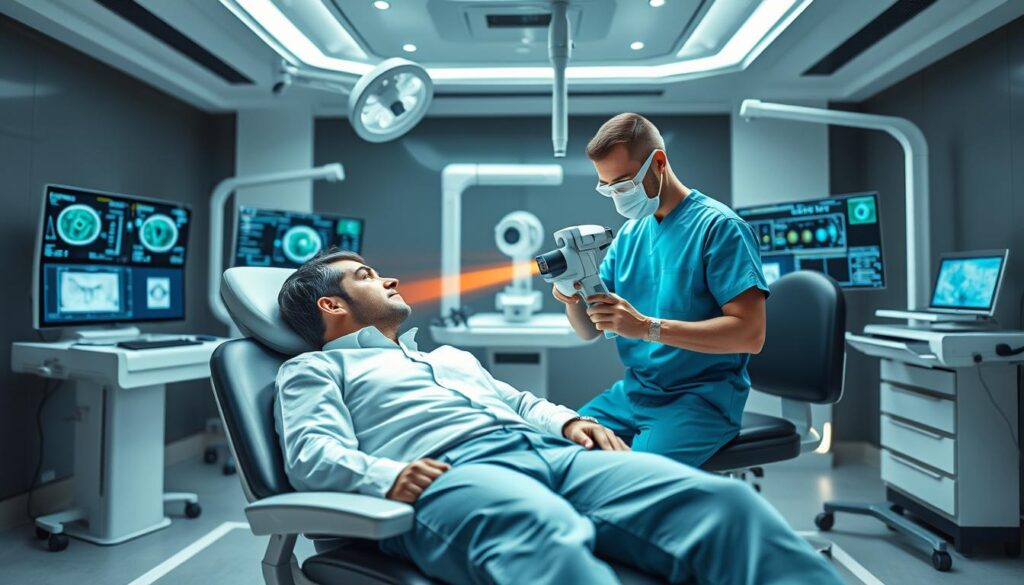
Although laser eye surgery is a reliable solution, certain patients may still need extra treatments to achieve optimal vision. This does not necessarily mean the initial procedure was unsuccessful; rather, it acknowledges that vision can change over time due to various factors.
Enhancement Procedures
In some cases, patients may be recommended for enhancement procedures, also known as “touch-ups,” if the initial correction was insufficient or if vision changes occur over time. These procedures are typically considered 6-12 months after the initial surgery.
Alternative Solutions for Age-Related Changes
As we age, our vision undergoes natural changes. For instance, presbyopia, or the loss of reading clarity, can be addressed with reading glasses or, in more significant cases, refractive lens exchange (RLE). Moreover, cataract surgery with premium lens implants can correct both cataracts and refractive errors in patients who have previously undergone laser eye surgery.
Understanding these options helps patients recognize that their vision care journey may involve multiple approaches throughout life, with laser eye surgery being one important component.
Preparing for Your Laser Eye Surgery Consultation
Preparing for your laser eye surgery consultation is a crucial step in understanding your options and determining the best course of treatment for your vision needs. Every patient is judged on a case-by-case basis, and although many older patients may not be suitable, some might be ideal candidates depending on their overall eye health.

Important Questions to Ask
During your consultation, it’s essential to ask the right questions to understand the potential outcomes and permanence of laser eye surgery for your specific condition. Consider asking about the expected results for your particular vision condition, such as myopia or presbyopia, and how your age might influence the longevity of the correction.
Setting Realistic Expectations
It’s crucial to have realistic expectations about both the short-term recovery and long-term outcomes of laser eye surgery. Discuss your lifestyle, hobbies, and vision requirements with your surgeon to determine the most appropriate treatment approach. Understand that while laser eye surgery can significantly improve your vision, it may not eliminate the need for reading glasses as presbyopia develops.
To make an informed decision, ensure you discuss your complete eye health history and any concerns about age-related conditions that might affect your results over time. This preparation will help you understand what to expect in terms of permanence and potential future vision changes.
Conclusion
Ultimately, laser eye surgery provides a reliable means of achieving lasting vision correction. While the corneal reshaping is permanent, natural aging processes continue to affect vision over time. The surgery is highly successful for the vast majority of patients, providing significant improvements in quality of life and reducing dependence on glasses and contact lenses.
For personalised advice and to explore whether laser eye surgery is suitable for you, book a consultation with us today. Our dedicated team is committed to providing you with the highest standard of care and helping you achieve your best possible vision.
FAQ
How long do the results of laser eye surgery last?
The results of laser eye surgery can last for many years, and in most cases, the correction is long-lasting. However, age-related vision changes can still occur.
Will I still need reading glasses after laser eye surgery?
As we age, presbyopia can develop, making it harder to focus on close objects. While laser eye surgery can correct distance vision, some patients may still require reading glasses.
Can laser eye surgery correct astigmatism?
Yes, laser eye surgery can correct astigmatism by reshaping the cornea to improve the way the eye focuses light.
How stable must my prescription be before undergoing laser eye surgery?
We recommend that your prescription is stable for at least 12 months before undergoing laser eye surgery to ensure the best possible outcome.
Can I undergo laser eye surgery if I have cataracts?
Cataract surgery is a different procedure from laser eye surgery. However, some patients may be suitable for a type of lens replacement surgery that can address both cataracts and refractive errors.
What are the signs that my vision is changing after laser eye surgery?
Signs that your vision is changing may include blurred vision, difficulty driving at night, or needing more light to read. If you experience any of these symptoms, we recommend consulting with your surgeon.
Are enhancement procedures available if my vision changes over time?
Yes, enhancement procedures are available to fine-tune the results of your original laser eye surgery. We can discuss the options with you during a consultation.
How do I prepare for my laser eye surgery consultation?
To prepare for your consultation, we recommend writing down your questions and concerns, and bringing any relevant medical information, such as your prescription history.


