

For many individuals in the UK, the prospect of laser eye surgery is an exciting one, promising a life free from the constraints of glasses and contact lenses. We understand that the decision to undergo such a procedure is significant, and the cost is a crucial factor in this decision-making process.
In the UK, the cost of private laser eye surgery can vary widely, influenced by several factors including the complexity of the prescription and the technology used. While prices can range from roughly £1,500 to £3,000 per eye, more complex cases or premium procedures can exceed £3,000.
To get personalised pricing information tailored to your specific vision requirements, we encourage you to contact our team of specialists who can provide detailed guidance.
Key Takeaways
- Laser eye surgery costs in the UK vary based on individual needs and circumstances.
- The value proposition of laser eye surgery compared to a lifetime of glasses and contact lenses is essential for making an informed decision.
- Various procedures are now available to address different vision problems and eye conditions.
- The technology used and the expertise of the surgical team influence the cost of the treatment.
- The cheapest option isn’t always the best value when it comes to your precious eyesight.
Understanding Laser Eye Surgery and Its Value
Laser eye surgery has become a popular solution for individuals seeking to correct their vision without relying on glasses or contact lenses. This surgical procedure involves reshaping the cornea to improve the way the eyes focus light, thereby enhancing vision.
What Is Laser Eye Surgery?
Laser eye surgery is a precise and relatively quick procedure that corrects vision problems such as myopia, hyperopia, and astigmatism by reshaping the cornea. The laser technology used in this eye surgery allows for a high degree of accuracy, making it a reliable option for many patients.
Long-Term Benefits vs. Glasses and Contact Lenses
One of the significant advantages of laser eye surgery is its potential to provide long-term vision correction, reducing or eliminating the need for glasses or contact lenses. For many individuals, this represents a substantial improvement in their quality of life, offering convenience and freedom from the daily maintenance associated with corrective eyewear. However, it’s crucial to have realistic expectations about the outcomes.
Who Is an Ideal Candidate?
To be considered for laser eye surgery, several factors are assessed, including the stability of your prescription, the health of your cornea, and the presence of any medical conditions that could affect healing. Ideal candidates are typically over 18 years old with a stable prescription, common refractive errors within treatable ranges, and sufficient corneal thickness. Certain conditions, such as autoimmune disorders or significant corneal disease, may affect eligibility. We recommend contacting our team for a comprehensive assessment to determine your candidacy.
Types of Laser Eye Surgery Procedures in the UK
The UK offers a range of laser eye surgery procedures, catering to different needs and preferences. These advanced treatments are designed to correct various vision problems, providing patients with a choice that suits their individual circumstances.
LASIK Eye Surgery
LASIK eye surgery is a popular procedure that involves creating a thin flap in the cornea to reshape the underlying tissue. This technique allows for quick recovery and is effective in treating common vision problems such as nearsightedness, farsightedness, and astigmatism.
LASEK and Surface Laser Treatments
LASEK and other surface laser treatments are alternatives to LASIK, particularly suitable for patients with thinner corneas. These procedures involve removing the outer layer of the cornea, reshaping the underlying tissue, and then replacing the outer layer.
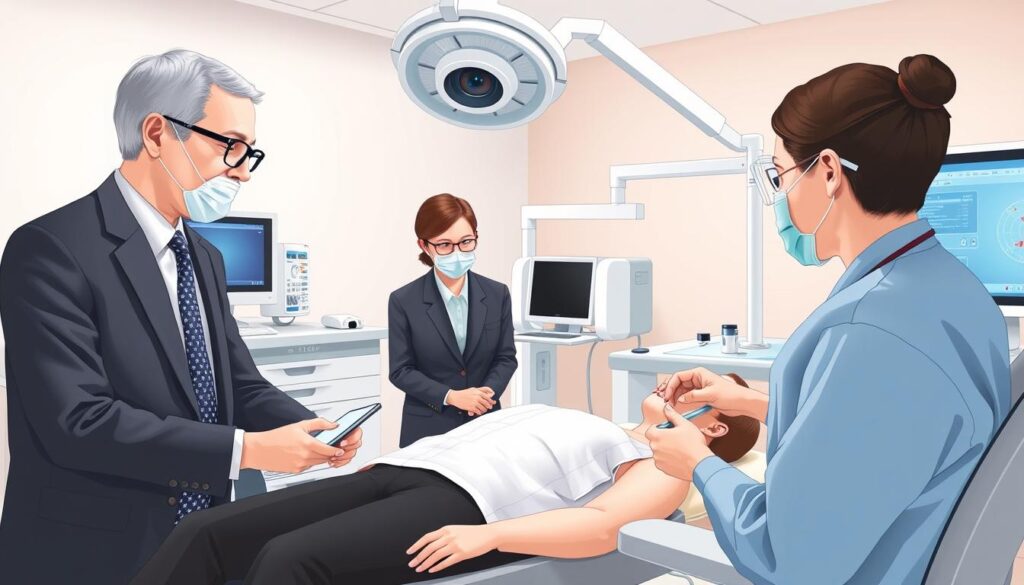
ReLEx SMILE
ReLEx SMILE is a minimally invasive procedure that involves creating a small incision in the cornea to remove a lenticule, thereby reshaping the cornea. This technique is known for its precision and quick recovery time.
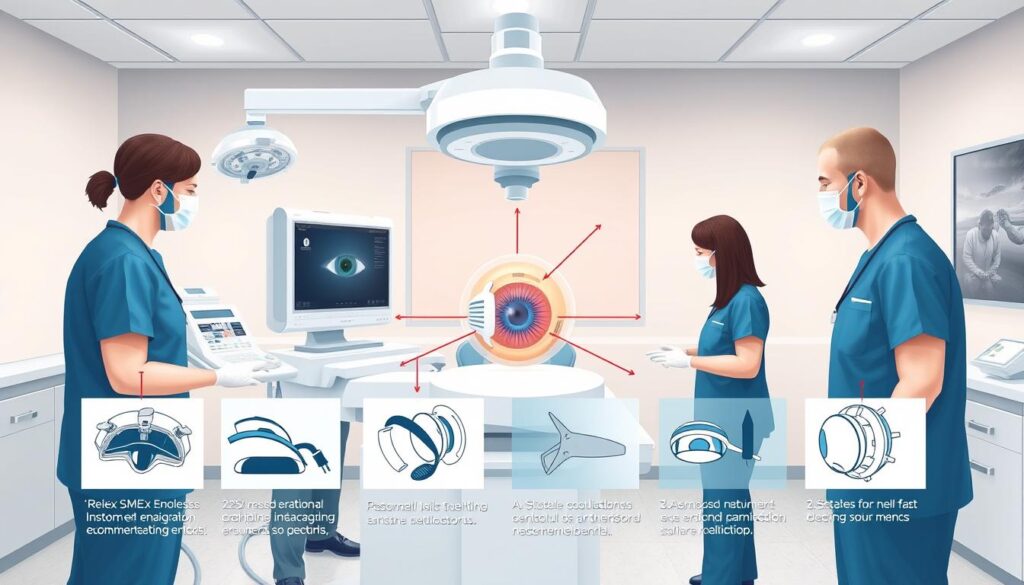
SmartSight and Advanced Treatments
SmartSight represents the cutting edge of laser eye surgery technology, utilising keratorefractive lenticule extraction (KLex) for a flapless approach. This advanced treatment maintains corneal strength while providing excellent visual outcomes and is designed for quick recovery and minimal discomfort.
How Much Does Laser Eye Surgery Cost UK? Factors Affecting Price
Understanding the factors that influence the price of laser eye surgery is crucial for making an informed decision. The cost can vary significantly based on several key elements.
Your Prescription and Eye Health
The complexity of your prescription and the overall health of your eyes play a significant role in determining the cost. Patients with more complex prescriptions may require advanced technology or additional procedures, affecting the overall price.
Technology and Equipment Used
The type and quality of technology and equipment used during the surgery can impact the cost. Advanced laser systems and diagnostic tools can enhance the precision and safety of the procedure but may increase the costs.
Surgeon Experience and Clinic Location
The experience and expertise of the surgeon, as well as the location of the clinic, can influence the price. Renowned surgeons or clinics in prime locations may charge more for their services.
What’s Included in the Package
It’s essential to understand what’s included in the laser eye surgery package. A comprehensive package should cover pre-operative consultations, the surgical procedure, and a structured aftercare programme. Some clinics may also offer additional services such as enhancement treatments or extended aftercare.
To get a clear understanding of the costs involved, we recommend contacting us for pricing details tailored to your specific needs. We can provide information on what’s included in our packages and help you make an informed decision about your eye surgery.
Premium vs. Standard Laser Eye Surgery Options
Understanding the differences between premium and standard laser eye surgery is crucial for making an informed decision. The choice between these options depends on several factors, including the technology used, the expertise of the surgeons, and the level of care provided.
National Chains vs. Specialist Clinics
National chains often offer standardized laser eye surgery procedures at competitive prices. Specialist clinics, on the other hand, may provide more personalized care and advanced technology. When choosing between these options, consider the level of care and the technology used.
- National chains: Standardized procedures, competitive pricing.
- Specialist clinics: Personalized care, advanced technology.
Hospital-Based Providers vs. High Street Options
Hospital-based providers operate within established medical facilities, offering access to broader medical support systems. High street options focus on vision correction procedures, often with more convenient locations and appointment flexibility.
- Hospital-based providers: Access to comprehensive medical support, potentially more expensive.
- High street options: Convenient locations, flexible appointments.
For those considering laser eye surgery, it’s essential to weigh the benefits of each option against the cost. To get the most accurate pricing for your specific needs, we recommend contacting us directly for a personalized quote.
Alternative Vision Correction Procedures
In addition to laser eye surgery, alternative vision correction procedures can offer effective solutions for individuals seeking to improve their vision.
Refractive Lens Exchange (RLE)
Refractive Lens Exchange (RLE) is a surgical procedure that involves replacing the natural lens of the eye with an artificial lens to correct vision problems such as presbyopia, hyperopia, or myopia. This procedure is similar to cataract surgery but is performed on patients who do not have cataracts.
Implantable Contact Lenses (ICL)
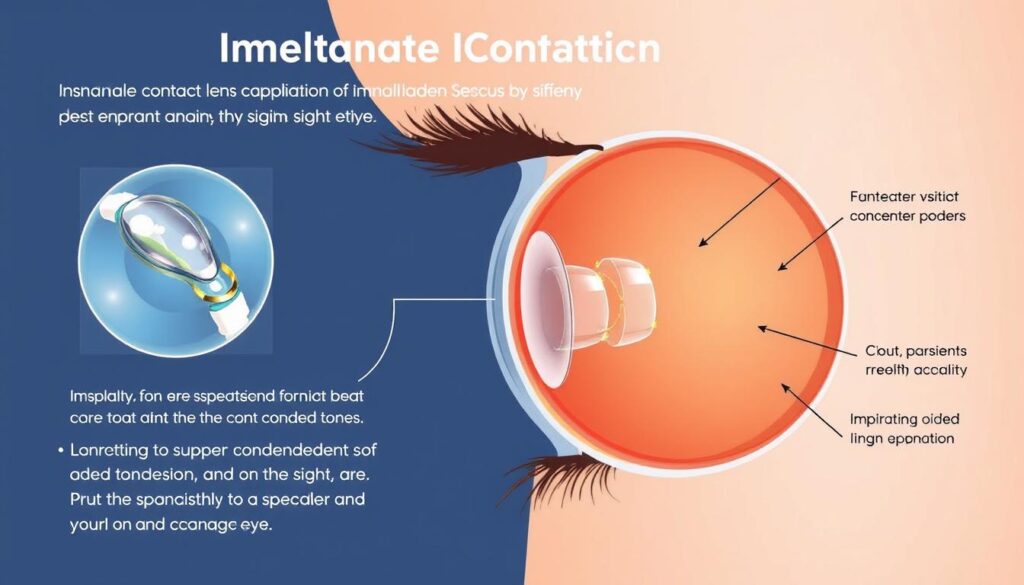
Implantable Contact Lenses (ICL) are designed for patients who are not suitable candidates for laser eye surgery or prefer a reversible procedure. ICLs are thin, flexible lenses implanted inside the eye to correct vision problems such as myopia and hyperopia.
Cataract Surgery with Premium Lenses
Cataract surgery with premium lenses combines the removal of cataracts with advanced lens technology to reduce dependence on glasses. Premium lenses, including multifocal and toric lenses, offer enhanced visual outcomes, addressing multiple vision issues simultaneously. These lenses can provide clear vision at different distances and correct astigmatism.
While standard cataract surgery involves basic monofocal lenses covered by the NHS, premium lenses require private payment for the enhanced technology. For patients developing cataracts who are considering vision correction, premium lens cataract surgery offers the opportunity to address both issues in a single procedure.
Financing Your Laser Eye Surgery
Understanding the financial aspects of laser eye surgery is crucial for those considering this vision correction option. The cost of the procedure can be a significant factor, but there are various financing solutions available to make it more accessible.
Payment Plans and 0% Finance Options
We offer flexible payment plans and 0% finance options to help spread the cost of laser eye surgery over several months. This can make the procedure more manageable, allowing you to achieve your vision correction goals without a significant upfront financial burden. For detailed pricing information, we recommend contacting us directly to discuss your options.
Our financing plans are designed to be straightforward and easy to understand, ensuring that you can make an informed decision about your treatment. By choosing a payment plan that suits your financial situation, you can enjoy the benefits of improved vision without the immediate financial strain.
Private Health Insurance Coverage
Private health insurance coverage for laser eye surgery in the UK varies significantly between providers and specific policies. While most standard plans exclude elective vision correction procedures, some comprehensive or upgraded policies may include limited optical or “laser eye surgery” benefits. It’s essential to review your policy documents or contact your insurer directly to understand what is covered.
- Check your policy for references to “refractive surgery,” “laser eye surgery,” or “optical benefits.”
- Be aware of any waiting periods or exclusions that may apply to your coverage.
- Understand whether the benefit is per eye, per procedure, or per policy year.
For patients with health insurance, we’re happy to provide detailed procedure codes and medical information that may help when discussing potential coverage with your insurance provider. This can help clarify what you’re entitled to and ensure you make the most of your policy benefits.
NHS and Laser Eye Surgery: What You Need to Know
The NHS’s stance on laser eye surgery is often misunderstood, and it’s essential to clarify the facts. Laser eye surgery is not typically available on the NHS for individuals who simply want to stop wearing glasses or contact lenses. However, there are specific circumstances under which the NHS may cover this procedure.
When Is Laser Eye Surgery Available on the NHS?
Laser eye surgery is considered on the NHS for patients with serious medical indications that cannot be corrected with conventional methods such as glasses or contact lenses. This includes individuals with severe corneal irregularities, significant anisometropia, or those who have experienced complications from previous eye surgeries. The NHS may also consider laser eye surgery for patients whose vision is severely impaired and where surgery is deemed necessary to protect their sight or quality of life.
Eligibility Requirements and Limitations
To qualify for NHS-funded laser eye surgery, patients must meet strict eligibility criteria, which focus on medical necessity rather than the desire to be free from corrective eyewear. The assessment process typically involves a referral from a GP to an NHS ophthalmologist, who evaluates whether the case meets local funding criteria. Even when medical necessity is established, patients may face waiting times as these procedures are prioritised based on clinical urgency. For those who don’t meet the NHS criteria, private laser eye surgery offers a viable alternative, providing more immediate access to treatment without the need to demonstrate medical necessity.
Making an Informed Decision About Your Vision Correction
Making an informed decision aboutlaser eye surgeryinvolves understanding theprocedure, its benefits, and its potential risks. At our institution, our expertteamis dedicated to providingpersonalised guidancetailored to your specificvision needs.
A comprehensiveconsultationis an essential first step, providing you with detailedinformationabout your suitability for differentlaser eye surgeryprocedures based on your uniqueeyecharacteristics andvision correctionneeds.
When evaluatinglaser eye surgery, consider thetrack recordandtransparencyof the clinic. Look for publishedsuccess rates, clearinformationabout potentialcomplications, and honest discussions about realisticoutcomesfor your specificprescription.
It’s also crucial to research thequalificationsandexperienceof thesurgeonsperforming theprocedure, asexpertisecan significantly impact bothsafetyandresults.
Thetechnologybeing used is another vital factor, as advances inlaser systemsand diagnostic equipment continue to improveprecisionand expand the range of treatable conditions.
Forpersonalised guidanceand to discuss ourtransparent pricing structure, we invite you tocontact our teamto arrange a comprehensiveconsultationwhere all your questions can be addressed.
By carefully considering these factors, you can make an informed decision about whetherlaser eye surgeryis right for you.
FAQ
What is the average price of laser vision correction in the UK?
The average price varies depending on the procedure and clinic, but we can provide a range of prices for different treatments.
Are there any additional costs associated with laser eye treatment?
Yes, some clinics may charge extra for aftercare, follow-up appointments, or enhancements, so it’s essential to check what’s included in the package.
How long does it take to recover from laser eye surgery?
Most patients can return to their normal activities within a few days, but full recovery can take several weeks, and vision can stabilise within a few months.
Will I need to use eye drops after the procedure?
Yes, we will provide eye drops to help with the healing process and reduce the risk of complications.
Can I have laser eye surgery if I have a high prescription?
Yes, but the suitability of the procedure depends on the severity of your prescription and the thickness of your cornea, so a consultation is necessary to determine the best course of treatment.
Is laser eye surgery painful?
The procedure is generally painless, as we use anaesthetic eye drops or a local anaesthetic to numb the area, and some patients may experience mild discomfort during the recovery period.
How do I choose the right clinic for my laser eye surgery?
We recommend researching clinics, checking their reputation, surgeon experience, and technology used, and having a consultation to discuss your options and determine the best course of treatment.
Are there any risks or complications associated with laser eye surgery?
As with any surgical procedure, there are risks, but they are rare, and we will discuss the potential complications and how to minimise them during your consultation.
Can I have laser eye surgery if I have other eye conditions?
It depends on the condition, and we will assess your suitability during a consultation, taking into account your overall eye health and medical history.


