

Laser eye surgery is a revolutionary procedure that corrects vision by reshaping the cornea. This permanent vision correction treatment offers a life-changing solution for individuals seeking to reduce their reliance on glasses or contact lenses.
We understand that the cost of laser eye surgery is a significant consideration. The price varies based on several factors, including the type of procedure, technology used, and individual eye health needs. To get personalised pricing information, we encourage you to contact our team of specialists.
Key Takeaways
- The cost of laser eye surgery varies significantly based on multiple factors.
- Laser eye surgery represents a significant investment in your vision and quality of life.
- Different types of laser eye surgery procedures are available, each with its own costs.
- Insurance coverage and financing plans can help make the treatment more affordable.
- For personalised pricing, it’s best to consult with a specialist.
Understanding Laser Eye Surgery
With advancements in medical technology, laser eye surgery has emerged as a highly effective treatment for various vision problems. Laser eye surgery encompasses a range of vision correction procedures that utilise advanced laser technology to reshape the cornea, allowing light to focus properly on the retina and improving vision without the need for glasses or contact lenses.
What Is Laser Eye Surgery?
Laser eye surgery is a procedure that uses laser technology to reshape the cornea, correcting refractive errors such as short-sightedness, long-sightedness, and astigmatism. These procedures are designed to correct refractive errors by precisely removing microscopic amounts of corneal tissue to change the eye’s focusing power.
Who Is a Good Candidate for Laser Eye Surgery?
The ideal candidate for laser eye surgery typically has a stable vision prescription that hasn’t changed significantly in the past 12-24 months, is over 18 years old, and has no history of certain eye diseases such as keratoconus or severe dry eye syndrome. Patients with very thin corneas, extremely high prescriptions, certain autoimmune conditions, or who are pregnant or breastfeeding may not be suitable candidates for standard laser eye surgery, though alternative procedures might be available.
During your initial consultation, our specialists will conduct comprehensive eye examinations to determine your suitability for laser eye surgery and recommend the most appropriate treatment option for your specific vision needs.
Different Types of Laser Eye Surgery Procedures
Laser eye surgery is not a one-size-fits-all solution; instead, it comprises various procedures designed to address different vision correction needs. The choice of procedure depends on several factors, including the patient’s eye health, prescription, and lifestyle.
LASIK Surgery
LASIK (Laser-Assisted In Situ Keratomileusis) is the most commonly performed laser eye surgery procedure. It involves creating a thin flap in the cornea, which is lifted to allow an excimer laser to reshape the underlying tissue before the flap is replaced. This procedure offers quick recovery and minimal discomfort.
SMILE Procedure
SMILE (Small Incision Lenticule Extraction) is a newer, minimally invasive procedure that uses a femtosecond laser to create a small disc of tissue within the cornea, which is then removed through a tiny incision. This method preserves more corneal nerves and potentially reduces dry eye symptoms compared to LASIK.
Surface Laser Treatments (LASEK and PRK)
Surface laser treatments such as LASEK (Laser-Assisted Subepithelial Keratectomy) and PRK (Photorefractive Keratectomy) involve removing the thin outer layer of the cornea before applying laser treatment directly to the corneal surface. These procedures are suitable for patients with thinner corneas.
Refractive Lens Exchange
Refractive Lens Exchange (RLE) replaces the eye’s natural lens with an artificial intraocular lens to correct vision. Similar to cataract surgery, RLE is particularly beneficial for patients over 40 with presbyopia or very high prescriptions.
Each procedure has its own set of advantages, potential risks, and recovery profiles. Our specialists will discuss these details during your consultation to determine the most appropriate option for your needs. For personalised pricing information, please contact us to schedule a consultation.
Factors Affecting Laser Eye Surgery Price
Understanding the factors that affect the cost of laser eye surgery is crucial for making an informed decision. The cost is not a fixed price and can vary significantly from one individual to another based on several key factors.
Your Prescription and Eye Health
The complexity of your prescription plays a significant role in determining the cost of laser eye surgery. Higher prescriptions or those with significant astigmatism may require more sophisticated treatment approaches, potentially increasing the cost. Additionally, your overall eye health, including corneal thickness and shape, as well as any previous conditions, can influence both the recommended procedure type and the associated costs.
Technology and Equipment Used
The technology and equipment used during your procedure are crucial in determining the price. Advanced options like wavefront-guided or topography-guided treatments, femtosecond laser flap creation, and newer procedures like SMILE often command premium prices due to their enhanced precision and potential benefits.
Surgeon Experience and Qualifications
The surgeon’s experience and qualifications represent a significant factor in laser eye surgery pricing. Highly experienced surgeons who have performed thousands of procedures and hold specialised qualifications typically charge more for their expertise and track record of successful outcomes.
Geographic Location
Geographic location substantially impacts laser eye surgery prices across the US. Procedures in major metropolitan areas and coastal cities generally cost more than the same treatments in smaller cities or rural areas due to higher operating costs and market dynamics. For personalised pricing information, we recommend contacting us directly to discuss your specific needs and circumstances.
What’s Typically Included in Laser Eye Surgery Price
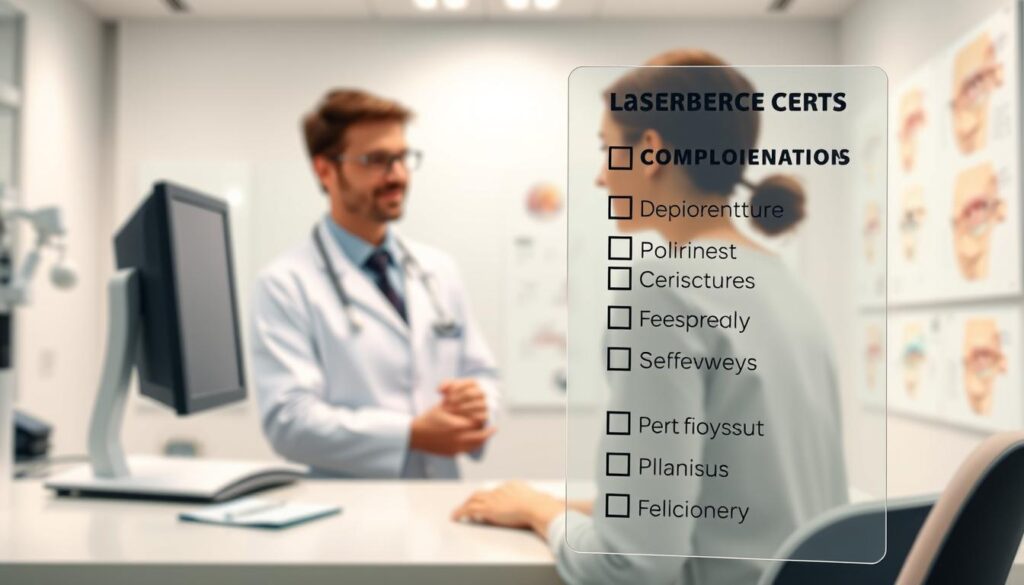
The cost of laser eye surgery encompasses several key components that are vital for a successful outcome. When considering this procedure, it’s essential to understand what’s typically included in the overall price to ensure you’re getting comprehensive care.
Pre-Operative Consultations and Tests
Pre-operative consultations and comprehensive diagnostic tests form an essential part of the laser eye surgery process. These typically include corneal mapping, wavefront analysis, pupil dilation, and detailed measurements of your prescription and eye structure to ensure the most accurate treatment plan.
The Procedure Itself
The procedure itself constitutes a significant portion of the overall price, covering the use of sophisticated laser technology, the surgical facility, sterile equipment, and the expertise of the surgical team who will perform your vision correction.
Post-Operative Care and Follow-ups
Post-operative care is a crucial component of successful outcomes and usually includes several scheduled follow-up appointments to monitor healing, address any concerns, and make adjustments to your treatment plan if necessary. Most comprehensive laser eye surgery packages include essential medications such as antibiotic eye drops to prevent infection, anti-inflammatory drops to reduce swelling, and lubricating drops to manage dry eye symptoms during the healing process.
When comparing quotes from different providers, it’s crucial to understand exactly what’s included in the stated price, particularly regarding enhancement procedures (if needed), the duration of aftercare coverage, and whether additional tests or treatments would incur extra charges. For personalised pricing information, we recommend contacting us directly to discuss your specific needs and circumstances.
Is Laser Eye Surgery Covered by Insurance?

Many individuals wonder if their insurance plan covers laser eye surgery. The answer to this question is not straightforward and depends on various factors, including the type of insurance and the specific circumstances of the individual.
Private Health Insurance Coverage
Most standard private health insurance policies in the UK explicitly exclude laser eye surgery when done to reduce dependence on glasses or contact lenses. However, some comprehensive policies may include a limited optical benefit that pays a fixed amount towards surgery.
NHS Coverage Criteria
NHS-funded laser eye surgery has strict eligibility requirements and is typically reserved for individuals with serious medical indications, not for those who simply want to stop wearing glasses or contact lenses.
HSA and FSA Options
In the US, Health Savings Accounts (HSAs) and Flexible Spending Accounts (FSAs) can provide valuable tax advantages for laser eye surgery costs. These accounts allow individuals to use pre-tax dollars to pay for the procedures, effectively reducing the overall cost by their tax rate.
To determine the extent of your insurance coverage or potential discounts for laser eye surgery, we recommend contacting your insurance provider directly. Our team can also provide the necessary documentation to help you maximize any available benefits or tax advantages.
Financing Options for Laser Eye Surgery

When considering laser eye surgery, understanding the available financing options is crucial for making an informed decision. Many individuals find that the cost of the procedure can be a significant investment, but various financing plans can make it more manageable.
Interest-Free Payment Plans
Many reputable laser eye surgery providers offer interest-free payment plans for periods typically ranging from 6 to 24 months. These plans allow you to spread the cost of your procedure without incurring additional finance charges, although they often require a deposit at the time of booking.
Long-Term Financing Options
For those seeking longer repayment periods, extended financing options with competitive interest rates are widely available. Terms commonly range from 24 to 60 months, making monthly payments more manageable while allowing you to enjoy the benefits of improved vision immediately.
What to Ask About Financing
When evaluating financing options, it’s crucial to understand the complete terms, including any required deposit, the total amount payable over the full term (including interest), and whether there are penalties for early repayment. During your consultation, our patient coordinators can explain all available financing options in detail, helping you select the plan that best fits your budget.
To get personalised pricing information and to discuss the available financing options in more detail, please contact us for a consultation.
Is Laser Eye Surgery Worth the Investment?

Evaluating the worth of laser eye surgery involves weighing its costs against its long-term advantages. When considering whether to undergo this procedure, it’s essential to look beyond the initial expense and consider the potential benefits and limitations.
Long-Term Cost Comparison with Glasses and Contacts
One of the significant advantages of laser eye surgery is its potential to be cost-effective in the long run. Daily contact lens wearers, for instance, can spend thousands of pounds over a decade on lenses, solutions, and eye exams. In contrast, laser eye surgery is a one-time investment, making it a financially sound decision for many patients.
Quality of Life Benefits
Beyond the financial considerations, laser eye surgery offers numerous quality of life benefits. These include freedom from the daily hassle of glasses and contacts, improved vision for sports and activities, and the convenience of waking up with clear vision every day.
Potential Limitations and Considerations
While laser eye surgery can significantly improve vision, it’s crucial to understand its limitations. The procedure reshapes the cornea, but the eyes continue to age naturally. Conditions like presbyopia may still develop, potentially requiring reading glasses later in life.
When considering laser eye surgery, we encourage patients to weigh both the financial factors and the lifestyle benefits while maintaining realistic expectations about potential limitations and the natural aging process of the eye.
Contact Us for Personalised Pricing Information
Laser eye surgery is a significant investment, and we believe in providing transparent, personalised pricing to help you make an informed decision. Our experienced consultants will conduct a comprehensive eye examination during your initial consultation, assessing factors such as your prescription, corneal thickness, and eye health to recommend the most appropriate procedure.
We pride ourselves on our transparent pricing structure with no hidden costs, ensuring that your quote includes all necessary pre-operative assessments, the procedure itself using advanced laser technology, and comprehensive aftercare to support your recovery and optimal visual outcomes.
To receive personalised information about laser eye surgery prices based on your specific vision needs, we invite you to contact our friendly team today to schedule a consultation. Our patient coordinators are available to explain all financial aspects and help you find the most suitable arrangement for your budget, including interest-free plans and extended financing options.
By contacting us, you’ll not only receive a detailed quote for your laser eye surgery but also gain a clearer understanding of your journey to improved vision. We look forward to helping you achieve your vision goals.
FAQ
What is the average cost of laser vision correction?
The cost can vary depending on several factors, including the type of procedure, technology used, and the surgeon’s experience. We provide personalised pricing information during your consultation.
Will I need to stop wearing contact lenses before undergoing the procedure?
Yes, we recommend stopping contact lens wear for a certain period before the procedure to ensure accurate measurements. The exact timeframe will be advised during your pre-operative consultation.
How long does the procedure take, and what is the recovery time?
The procedure itself is relatively quick, typically taking around 30 minutes per eye. However, you should plan to spend a few hours at the clinic for preparation and recovery. Vision correction usually takes a few days to stabilise, and we provide guidance on post-operative care.
Are there any potential risks or complications associated with the treatment?
As with any surgical procedure, there are potential risks and complications. We discuss these in detail during your consultation and provide information on how to minimise them.
Can I have the procedure if I have astigmatism?
Yes, our clinics offer treatment for astigmatism using advanced technology. We assess your eyes during the consultation to determine the best course of treatment.
How long do the results of the treatment last?
The results are generally long-lasting, but the longevity can depend on various factors, including the severity of your original prescription and any subsequent changes in your vision. We provide guidance on what to expect during your consultation.
Will I need to use eye drops after the procedure?
Yes, we provide eye drops to help with the healing process and reduce discomfort. We will advise on the correct usage and duration of treatment.
Can I drive myself home after the procedure?
No, we advise you to arrange for someone to drive you home after the procedure, as your vision may be blurry or uncomfortable immediately after treatment.


