

Astigmatism is a common vision problem where the lens of the eye or the cornea has an irregular curve, causing blurry and distorted vision. This condition occurs when the eye is shaped more like a rugby ball than a football, resulting in multiple focal points.
Laser eye surgery offers a highly effective solution for correcting astigmatism. By reshaping the cornea, this surgery can significantly improve vision, reducing or eliminating the need for glasses or contact lenses. We will explore how laser eye surgery works and what you need to know before undergoing this treatment.
Key Takeaways
- Astigmatism is a common condition that affects the shape of the cornea or lens, causing distorted vision.
- Laser eye surgery is a highly effective treatment for astigmatism, offering a significant improvement in vision.
- The procedure involves reshaping the cornea to correct the irregular curvature.
- Up to 90% of patients achieve 20/20 vision after surgery.
- For detailed pricing information, please contact us directly.
Understanding Astigmatism and Its Impact on Vision
Understanding astigmatism is crucial for addressing its impact on our vision. Astigmatism is a condition that affects the way the eye focuses light, leading to distorted or blurry vision.
What Is Astigmatism?
Astigmatism occurs when the cornea or lens of the eye is irregularly shaped, causing light to be focused at two different points rather than one. This irregular curvature prevents light from being focused correctly on the retina, resulting in blurry or distorted vision at all distances.
Common Causes of Astigmatism
Astigmatism can be caused by a variety of factors, including genetics, eye injuries, or certain surgical procedures. In some cases, astigmatism may be present at birth or develop later in life due to various eye problems.
Signs and Symptoms to Watch For
Common symptoms of astigmatism include blurry vision, limited night vision, eyestrain, squinting, difficulty reading, eye discomfort, eye irritation, headaches, and fatigue. It’s essential to note that some people may have astigmatism without noticeable symptoms, highlighting the importance of regular eye examinations to quickly identify any vision problems and prevent them from worsening.
Regular appointments with an optometrist can help diagnose astigmatism through specific tests like keratometry and refraction assessment, which measure corneal curvature and visual acuity.
Can You Have Laser Eye Surgery with Astigmatism?
Laser eye surgery has become a popular solution for individuals with astigmatism seeking to correct their vision. Astigmatism is a common condition where the eye’s cornea or lens isn’t perfectly round, causing blurred or distorted vision. Fortunately, advancements in laser eye surgery have made it possible to effectively treat astigmatism.
Effectiveness of Laser Surgery for Astigmatism
The effectiveness of laser surgery for astigmatism has been well-documented. Modern techniques can correct a wide range of astigmatism levels, offering a high success rate for suitable candidates. The procedure reshapes the cornea to improve the way the eye focuses light, thereby reducing or eliminating the need for glasses or contact lenses.
Who Is a Suitable Candidate?
Not everyone with astigmatism is a suitable candidate for eye surgery. To be eligible, you typically need to be at least 21 years old, have a stable prescription for at least 12 months, and have healthy eyes. Certain conditions, such as thin or damaged corneas, severe dry eye, or keratoconus, may affect your suitability. A comprehensive consultation with an experienced surgeon is essential to determine your candidacy. Key factors include:
- Corneal thickness and overall eye health
- The degree of astigmatism and its impact on your vision
- Your age and the stability of your prescription
- Any existing eye conditions or overall health factors
To find out if you’re a suitable candidate for laser eye surgery and to get personalized advice, we recommend contacting us for a consultation. We will guide you through the process and provide you with the necessary information to make an informed decision about your eye health.
Types of Laser Eye Surgery Procedures for Astigmatism
Laser eye surgery offers multiple solutions for astigmatism, catering to different needs and preferences. The choice of procedure depends on several factors, including the severity of astigmatism, corneal thickness, and individual preferences.
LASIK Surgery
LASIK surgery is a popular choice for astigmatism correction. It involves creating a thin flap in the cornea, which is gently lifted to allow the laser to reshape the underlying tissue. This procedure is known for its relatively quick recovery time.
SMILE Procedure
The SMILE procedure is a minimally invasive laser eye surgery technique that corrects astigmatism by removing a small piece of tissue from the cornea. It’s known for its precision and reduced risk of dry eye.

Surface Laser Treatments: LASEK and TransPRK
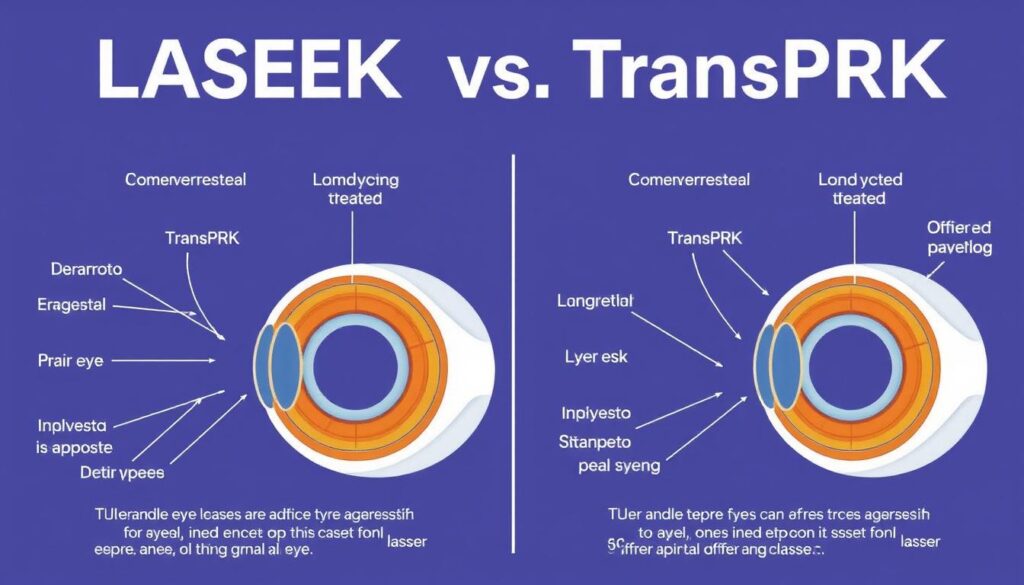
Surface laser treatments, including LASEK and TransPRK, are alternative procedures that are particularly suitable for patients with thin corneas. These procedures involve removing the surface layer of the cornea before reshaping it with a laser. While the recovery may take longer, typically 1-4 weeks, the long-term results are comparable to LASIK.
For those with thinner corneas or other specific conditions, surface laser treatments offer a viable solution. The use of a protective contact lens bandage and intensive eye drop regimens are part of the post-operative care.
To determine the most suitable laser eye surgery procedure for your astigmatism, it’s essential to consult with a professional. They will assess your condition and guide you through the available options. For more information on laser eye surgery and to discuss pricing, please contact us.
The Laser Eye Surgery Process: Step by Step
The process of laser eye surgery involves several key steps that are crucial for a successful outcome. Understanding these steps can help alleviate any anxiety and prepare you for what to expect.
Pre-Surgery Consultation and Assessment
Before undergoing laser eye surgery, you’ll need to attend a pre-surgery consultation. During this assessment, your eye health will be evaluated to determine your suitability for the procedure. This involves a thorough examination of your eyes, including assessing the shape of your cornea and measuring any refractive errors.
What Happens During the Procedure
On the day of the surgery, you’ll undergo the laser eye procedure, which typically takes around 30 minutes per eye. The laser technology will be used to reshape your cornea, correcting your astigmatism. You’ll be given guidance on what to expect during this process.
Immediate Post-Surgery Care
After the eye surgery, you’ll be monitored for a short period before being discharged. To aid in your recovery, you’ll be advised to use lubricant eye drops and wear protective shields or goggles, especially while sleeping, to prevent accidental rubbing of your eyes. It’s essential to have someone accompany you home, as you won’t be able to drive immediately following the treatment. For pricing details, we recommend contacting us directly to discuss your specific needs and circumstances.
- Follow the aftercare advice given by your doctor or care team.
- Use lubricant eye drops to keep your eyes healthy and ease any discomfort.
- Wear non-prescription sunglasses or goggles for a short while after if advised to.
- Avoid driving home on the day of your surgery.
- Attend your first post-operative check-up, usually scheduled for the day after surgery.
By understanding the steps involved in laser eye surgery, you can better prepare yourself for the process and the recovery time that follows.
Recovery and Aftercare Following Laser Eye Surgery
The journey to clear vision doesn’t end with laser eye surgery; proper aftercare is essential. As we guide you through the recovery process, it’s crucial to understand what to expect and how to ensure optimal healing.
What to Expect in the First Week
In the first week following laser eye surgery, your eyes may feel dry, gritty, or sensitive. We recommend using preservative-free artificial tears frequently to keep your eyes lubricated and comfortable. It’s also advisable to wear quality sunglasses outdoors to protect your eyes from UV exposure and reduce light sensitivity.
Long-Term Recovery Timeline
While most people can resume normal activities within a few days, full recovery from laser eye surgery can take several weeks. Your vision may continue to improve during this time. We advise patients to be patient and not to rush back into strenuous activities too quickly.
Essential Aftercare Tips
To ensure a smooth recovery, follow these aftercare tips:
- Avoid rubbing your eyes for at least a month to prevent disrupting the healing cornea.
- Resume activities like swimming and contact sports after a few weeks, once your eyes have fully healed.
- Attend all scheduled follow-up appointments to monitor your healing progress.
By following these guidelines and our aftercare advice, you can help ensure the best possible outcome from yourlaser eye surgery. For more information on ourlaser eye surgeryprocedures and to discuss your candidacy, please contact us to schedule a consultation.
Potential Side Effects and Complications
Understanding the potential side effects and complications of laser eye surgery is vital for anyone considering this treatment for astigmatism. While the procedure is generally safe and effective, there are risks involved that patients should be aware of.
Common Side Effects
Common side effects of laser eye surgery for astigmatism can include dry eye syndrome, infection, and temporary visual disturbances such as halos or glare. Most of these side effects are temporary and can be managed with appropriate post-operative care. It’s crucial to follow the advice of your eye care professional to minimize these risks.
Possible Complications and When to Seek Help
Although rare, serious complications can occur, including under-correction or over-correction of astigmatism, and in severe cases, ectasia or a detached retina. Patients should be aware of the warning signs that necessitate immediate medical attention, such as severe pain, sudden vision loss, or flashes of light. If you experience any of these symptoms, it’s essential to seek help promptly. For expert advice and treatment, contact us for guidance on managing any complications that may arise after laser eye surgery.
Conclusion: Is Laser Eye Surgery Right for Your Astigmatism?
Laser eye surgery is a highly effective treatment for astigmatism, offering a significant reduction in dependence on glasses and contact lenses. With modern laser vision correction procedures, a wide range of astigmatism prescriptions can be treated, resulting in improved vision and reduced reliance on corrective eyewear.
To determine the most suitable laser eye surgery procedure for your specific type and degree of astigmatism, a thorough consultation with an expert surgeon is essential. We recommend considering your lifestyle needs, vision goals, and personal circumstances when deciding if laser eye surgery is right for you. For more information or to schedule a consultation, please contact us to discuss your astigmatism correction options in detail.
FAQ
What is the success rate of laser eye surgery for astigmatism?
The success rate of laser eye surgery for astigmatism is generally high, with most patients achieving significantly improved vision. We use advanced diagnostic tools to assess the severity of astigmatism and tailor the treatment to individual needs.
Will I still need glasses or contact lenses after surgery?
Many patients no longer need glasses or contact lenses after laser eye surgery, but some may still require them for specific tasks, such as reading or driving at night. Our surgeons will discuss the likelihood of this during the pre-surgery consultation.
How long does the laser eye surgery procedure take?
The actual laser treatment typically takes less than a minute per eye, although the entire process, including preparation and post-operative checks, may take around 30-60 minutes.
Is laser eye surgery for astigmatism painful?
We use local anaesthetic to numb the eyes, so patients typically do not feel pain during the procedure. Some may experience mild discomfort or dryness afterwards, which can be managed with medication and aftercare.
What are the potential risks and complications of laser eye surgery?
As with any surgical procedure, there are risks and potential complications, including dry eyes, infection, and under/overcorrection. Our expert surgeons will discuss these risks in detail during the consultation and provide guidance on minimising them.
How long does it take to recover from laser eye surgery?
Most patients can resume normal activities within a few days, although it may take several weeks for vision to stabilise fully. We provide personalised aftercare advice to ensure a smooth recovery.
What type of laser eye surgery is best for astigmatism?
The most suitable type of laser eye surgery for astigmatism depends on individual factors, including the severity of astigmatism and corneal thickness. Our surgeons will recommend the most appropriate treatment option during the consultation.
Will I experience dry eyes after laser eye surgery?
Dry eyes are a common side effect of laser eye surgery, but they can usually be managed with lubricating drops and other treatments. In some cases, dry eyes may persist, and our surgeons will discuss ways to alleviate this.


